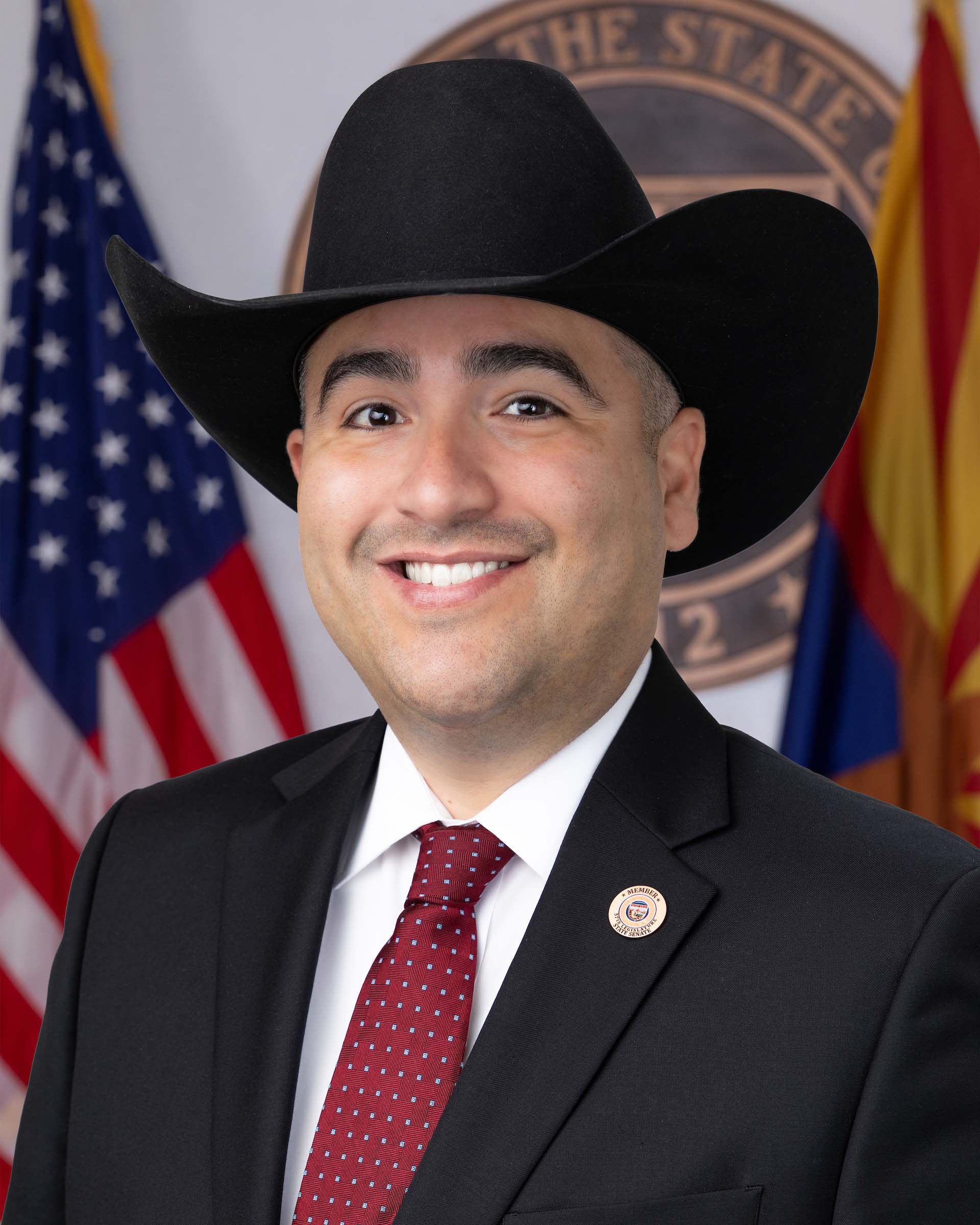
SB 1473 prevents Arizona municipalities and counties from imposing local zoning or occupancy rules that conflict with state licensing standards for assisted living facilities. It prohibits local governments from setting resident caps lower than state health department requirements, blocking facilities in residential zones based on resident count, or requiring special permits solely for that reason. The bill ensures state rules override local regulations on these matters, while allowing uniform enforcement of building, fire, and health codes applicable to all similar residential properties. This directly affects assisted living facilities operating in Arizona and local governments that previously could restrict their operations.
HB 2072 establishes a voluntary certification program for lactation care providers in Arizona. It creates a "state-certified lactation care provider" designation requiring applicants to hold an existing approved certification (like IBCLC or indigenous certification), meet age and fingerprinting requirements, and pay fees. The Department of Health Services will administer the program, including setting scope of practice standards and handling renewals, while the bill explicitly states certification is not mandatory for practice. The law also prohibits government preference for certified providers in public contracts and creates an advisory committee of lactation providers to assist with rule development.
HB 2939 creates a state income tax credit for businesses expanding or locating qualified facilities in Arizona. It directly affects businesses that make new capital investments, create qualifying jobs paying at least 125% of the median wage (100% in rural areas), and provide 65% employer-paid health insurance. The credit equals 10% of qualifying investments, capped at $200,000-$300,000 per new job, with a $125 million annual cap and $30 million per business limit. Businesses must retain operations at the facility for five years and claim credits in five equal installments over time.
This Arizona constitutional amendment (HCR 2056) would recognize and protect an individual's fundamental right to refuse any medical treatment, product, or mandate - including those tied to employment, education, or public access - without government coercion. It prohibits government entities from forcing medical interventions (like vaccinations or implants) as a condition for benefits, rights, or services, but includes key exceptions: court-ordered treatment for mental health risks, law enforcement custody, parental decisions for minors, emergency life-saving care, and federal or existing state requirements. The bill defines "coerce or compel" as imposing penalties or denying benefits for noncompliance. If approved by voters, it would amend Arizona's constitution, making this right enforceable.
HB 2917 establishes an Arizona firefighter cancer registry to track cancer diagnoses among firefighters. The registry collects specific data - including cancer type, diagnosis date, years of service, and occupational exposure - voluntarily from firefighters, fire departments, healthcare providers, and existing cancer databases. All personal information remains confidential and cannot be used to determine eligibility for workers' compensation, retirement, or insurance benefits. The state health department must analyze the aggregated data and submit annual reports to the governor and legislature starting in 2027, focusing on trends and prevention recommendations.
HB 2051 adds breastfeeding and lactation care services - including consultations, education, and counseling - as a covered benefit under Arizona's AHCCCS (Medicaid) program. This applies directly to AHCCCS enrollees, including new mothers, who need support in inpatient, outpatient, home-based, or group settings. The bill amends existing law to explicitly include these services under covered health and medical services without changing current coverage limits or funding. It does not alter other benefits or eligibility requirements for the program.
HB 2402 requires ambulance services in Arizona to submit detailed operational data quarterly to the state department, including dispatch times, on-scene response times, ambulance availability, mutual aid requests, and patient injury reports. This applies directly to all ambulance service providers operating within the state. The department must publicly post this information (with personal details redacted) on its website and may impose a $500 civil penalty for failure to comply with reporting requirements. The bill focuses on increasing transparency around ambulance service performance rather than altering service standards or emergency protocols.
HB 2697 allows pharmacists, health departments, and healthcare providers to dispense or distribute expired FDA-approved naloxone (an opioid overdose reversal medication) to individuals at risk of overdose, their families, or community organizations that assist them. The bill defines "expired opioid antagonist" as medication with an expiration date within five years of use, expanding access to this critical tool. It provides immunity from liability for professionals acting in good faith while following protocols, including instructing users to call emergency services after administration. This policy directly affects people at risk of opioid overdose, pharmacists, healthcare providers, and community health programs distributing naloxone.
HB 2833 requires certain professionals - including doctors, teachers, social workers, and child welfare staff - to report suspected abuse, violent threats, or neglect involving minors to child safety authorities or law enforcement. It expands mandatory reporting to cover threats of death or serious injury, physical injury not explained by medical history, and denial of necessary medical care, while exempting clergy from reporting confessions (but not personal observations of harm). Reports must be made immediately with details like the minor’s identity and incident specifics, and the law includes limited exemptions for consensual minor-on-minor interactions and accidental playground injuries. This bill directly affects minors at risk of harm and the professionals legally obligated to report such incidents.
HB 2271 allows insurers covering firefighters and fire investigators to request a special rate increase for workers' compensation claims related to cancer, provided they are not reimbursed for these claims through Arizona’s Municipal Firefighter Cancer Reimbursement Fund. Insurers must submit actuarial analysis using specific data on cancer claims, loss ratios, and medical costs to justify the increase. This rate adjustment requires a 60-day review period (longer than the standard 30 days) and must be filed with the state insurance director. The bill directly affects insurers providing workers' compensation for firefighters, targeting rising costs linked to cancer-related claims under Section 23-901.09.