Issue · Education

Education

Every education bill, vote, and legislator stance in Arizona, automatically classified by Maddy, our AI policy reader.

Total bills
190
57th Legislature - Second Regular Session
Top supporter
James Taylor
84% support rate
Top opponent
Brian Garcia
25% support rate
Ranked legislators
10
5 support · 5 oppose
Key legislators

Who's moving education in Arizona

Legislators moving education in Arizona
Legislator Party Stance Support rate Votes
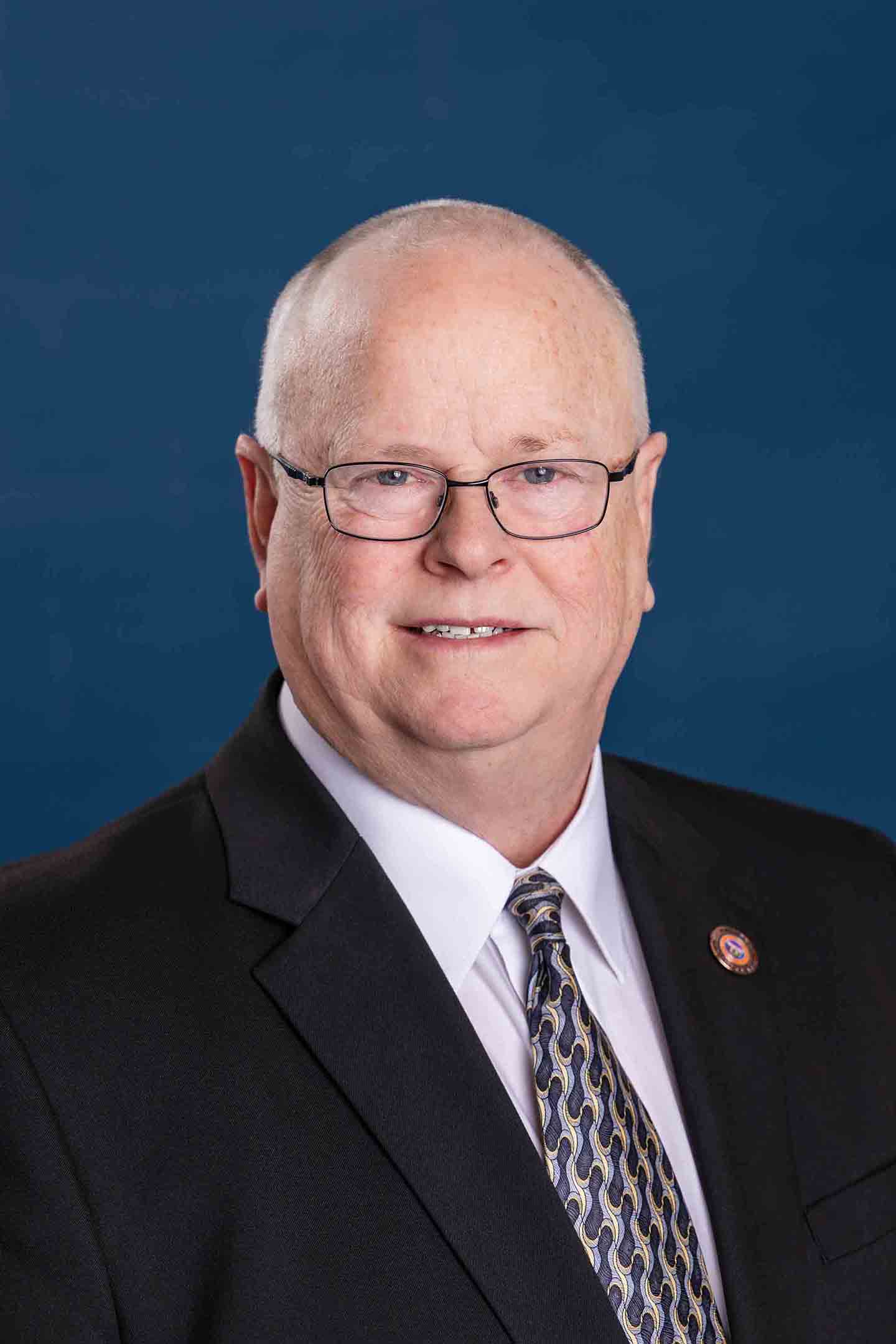
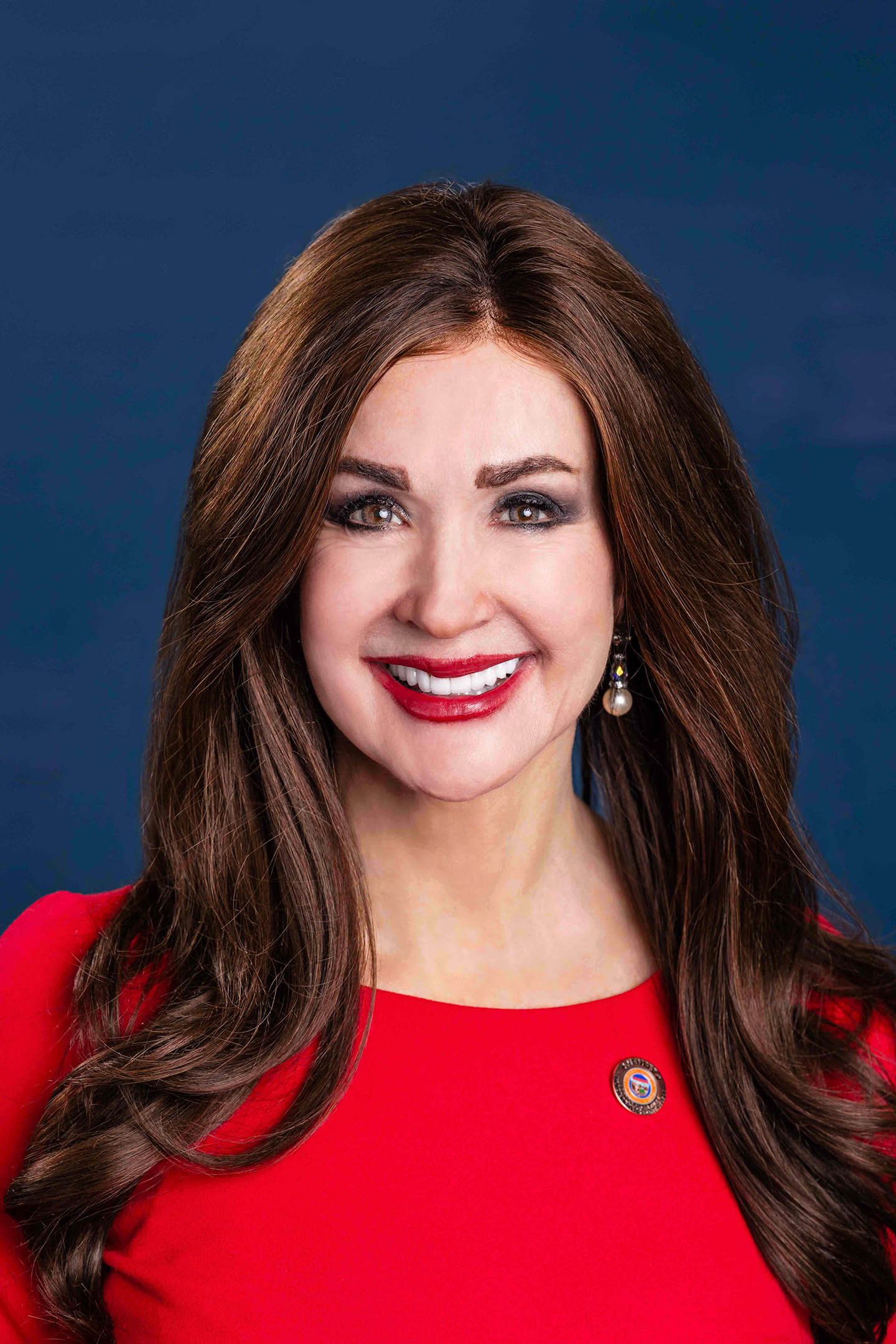
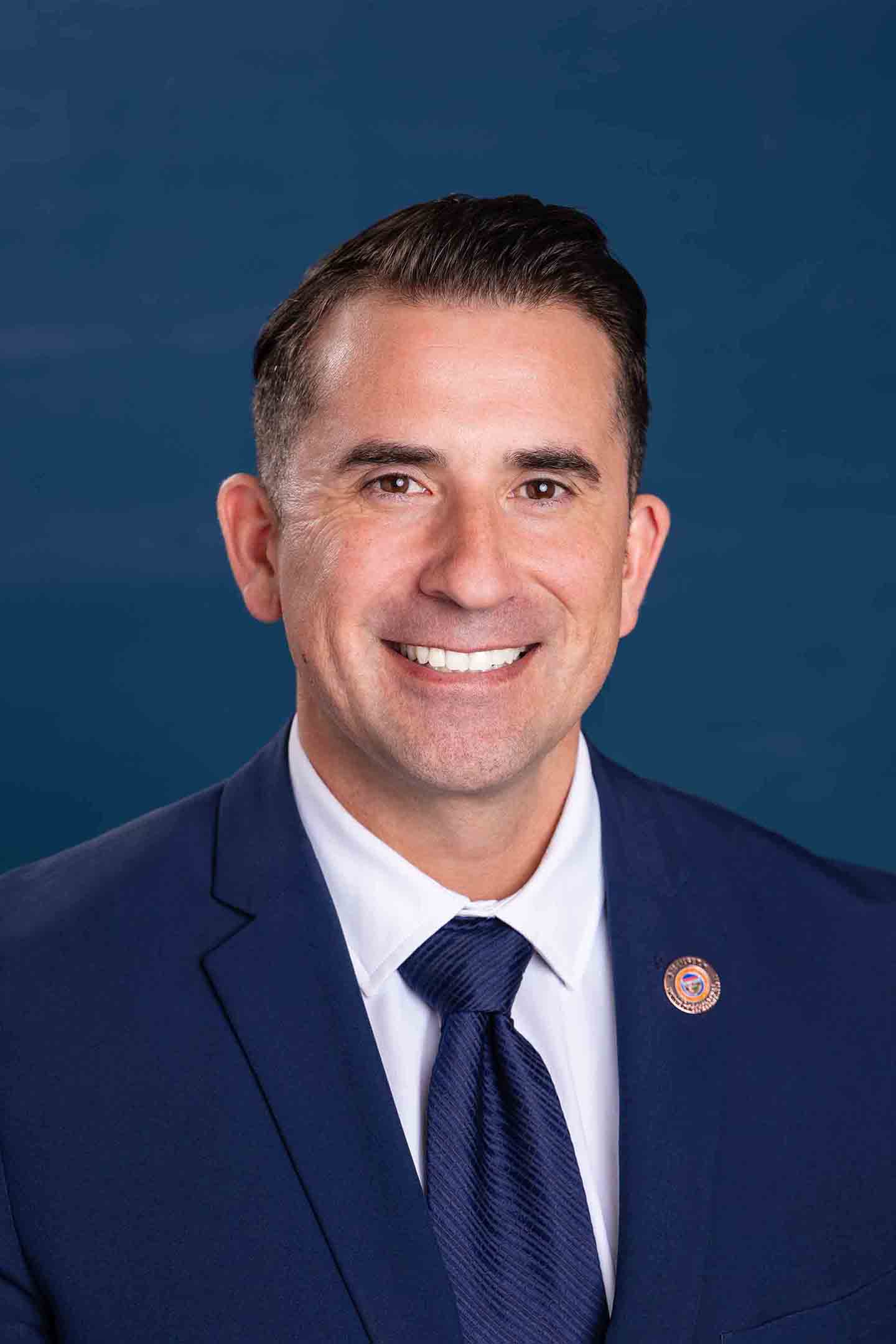
James Taylor
James Taylor House · District 29
R
Strong +
84% 207
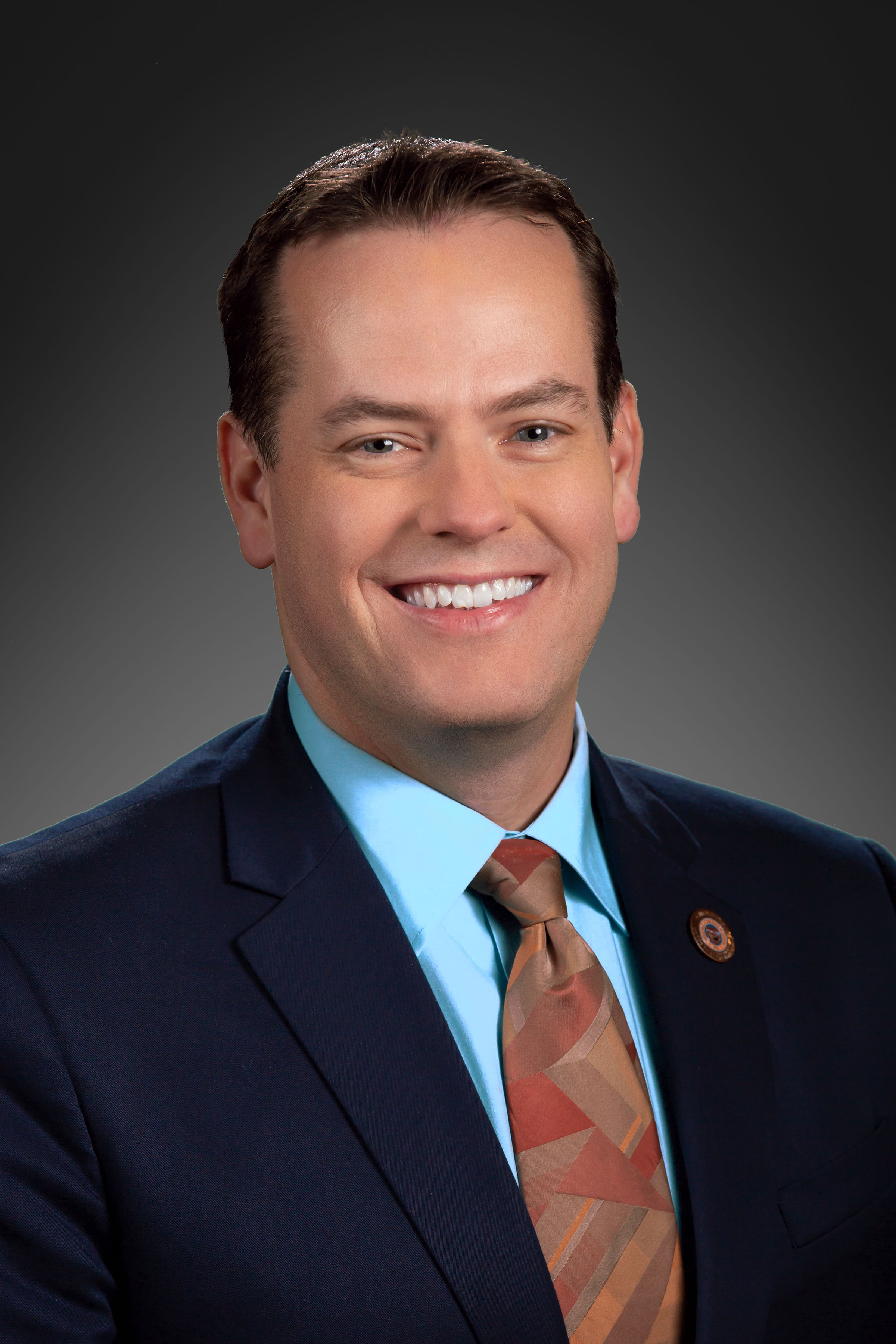
Justin Wilmeth
Justin Wilmeth House · District 2
R
Strong +
83% 193
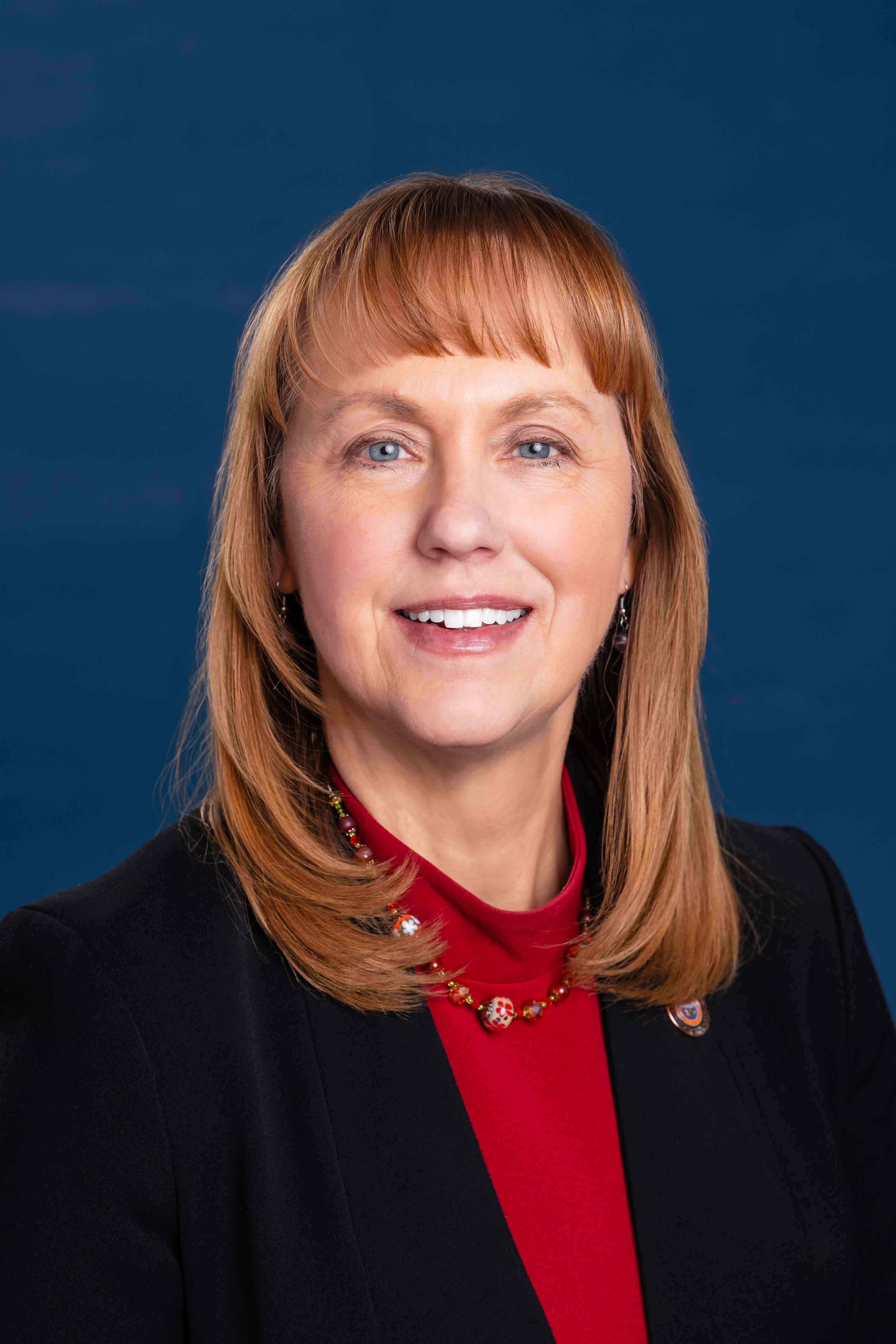
Selina Bliss
Selina Bliss House · District 1
R
Strong +
83% 214
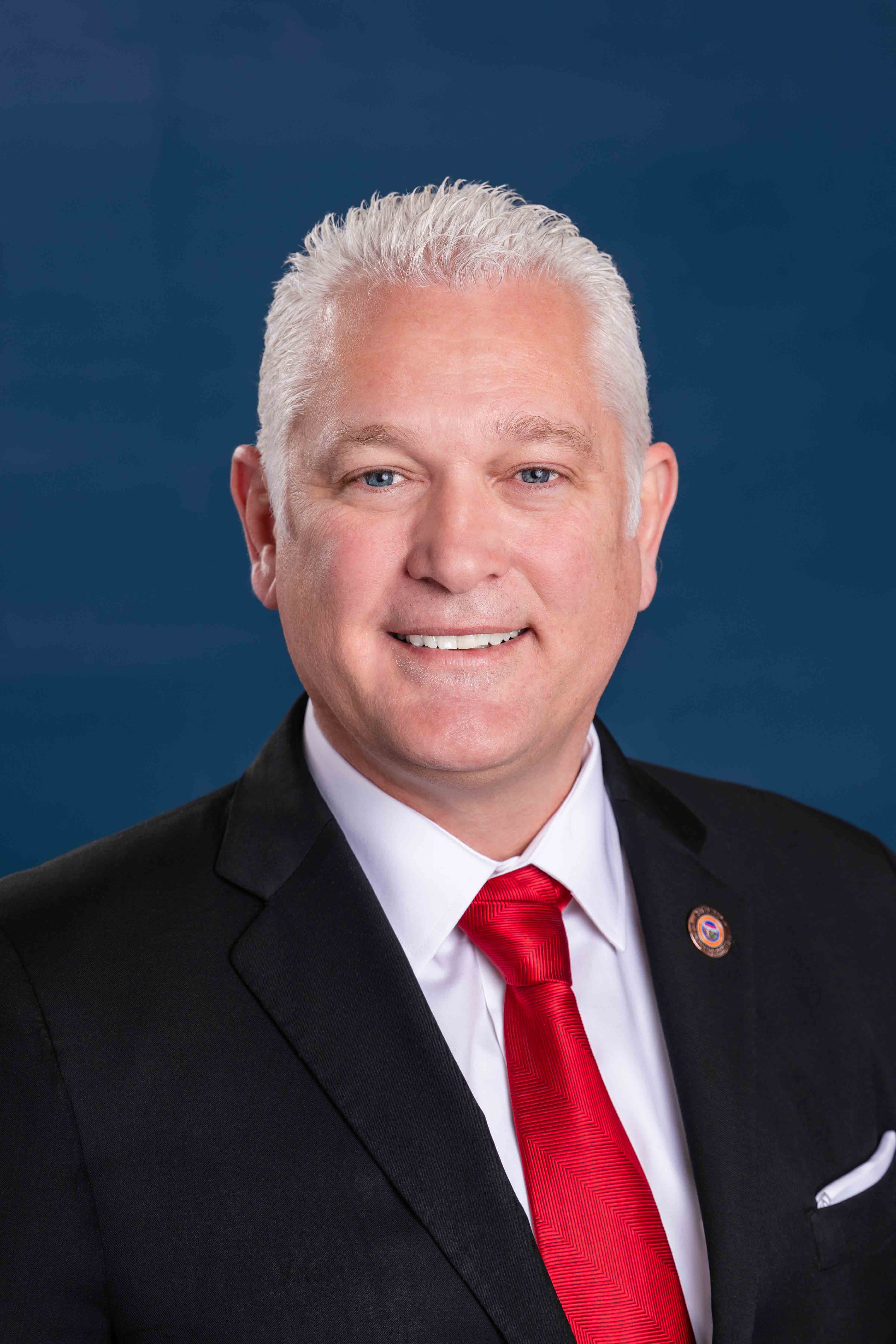
Michael Carbone
Michael Carbone House · District 25
R
Strong +
83% 213
Pamela Carter
Pamela Carter House · District 4
R
Strong +
83% 214
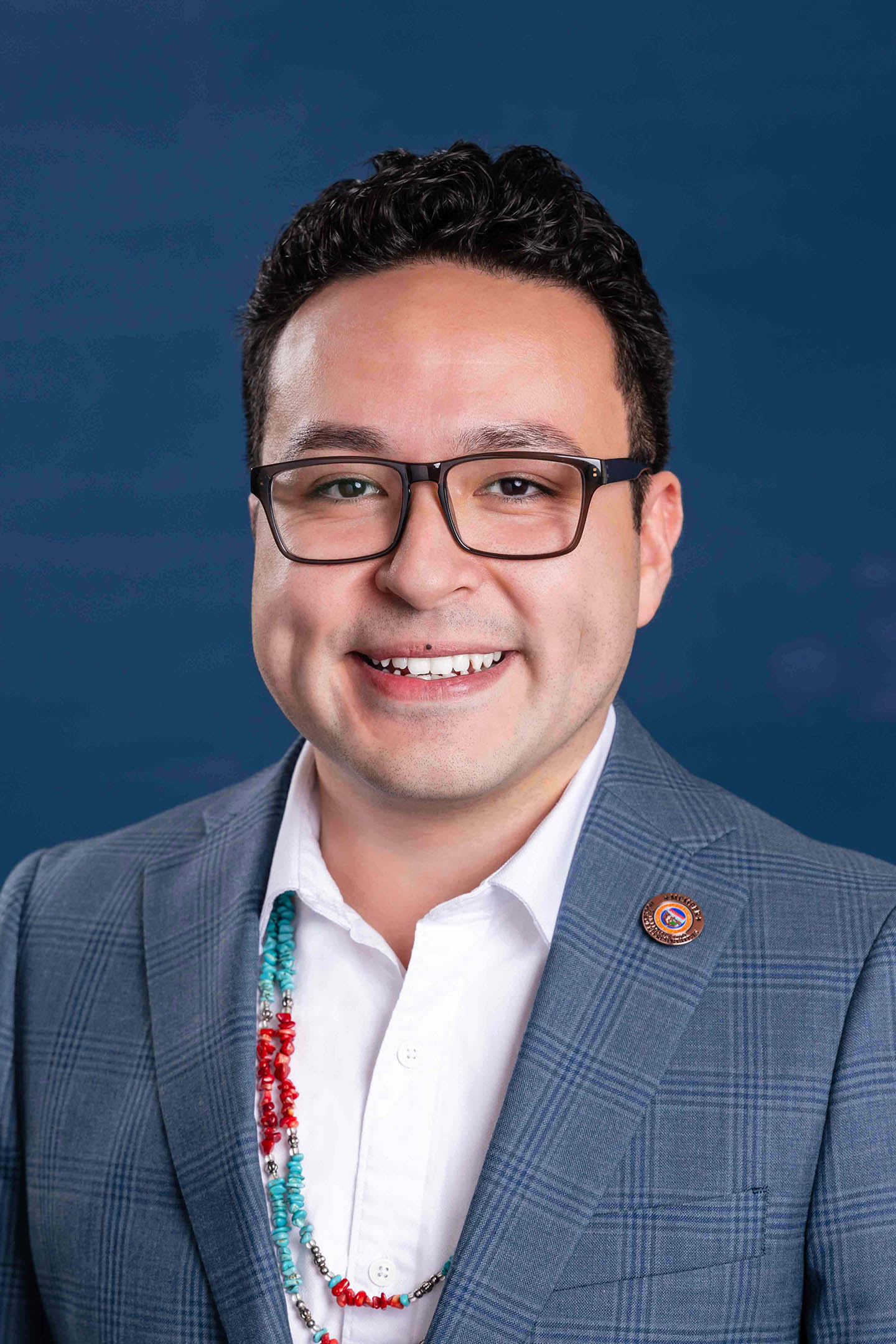
Brian Garcia
Brian Garcia House · District 8
D
Oppose
25% 203
Aaron Marquez
Aaron Marquez House · District 5
D
Oppose
27% 211
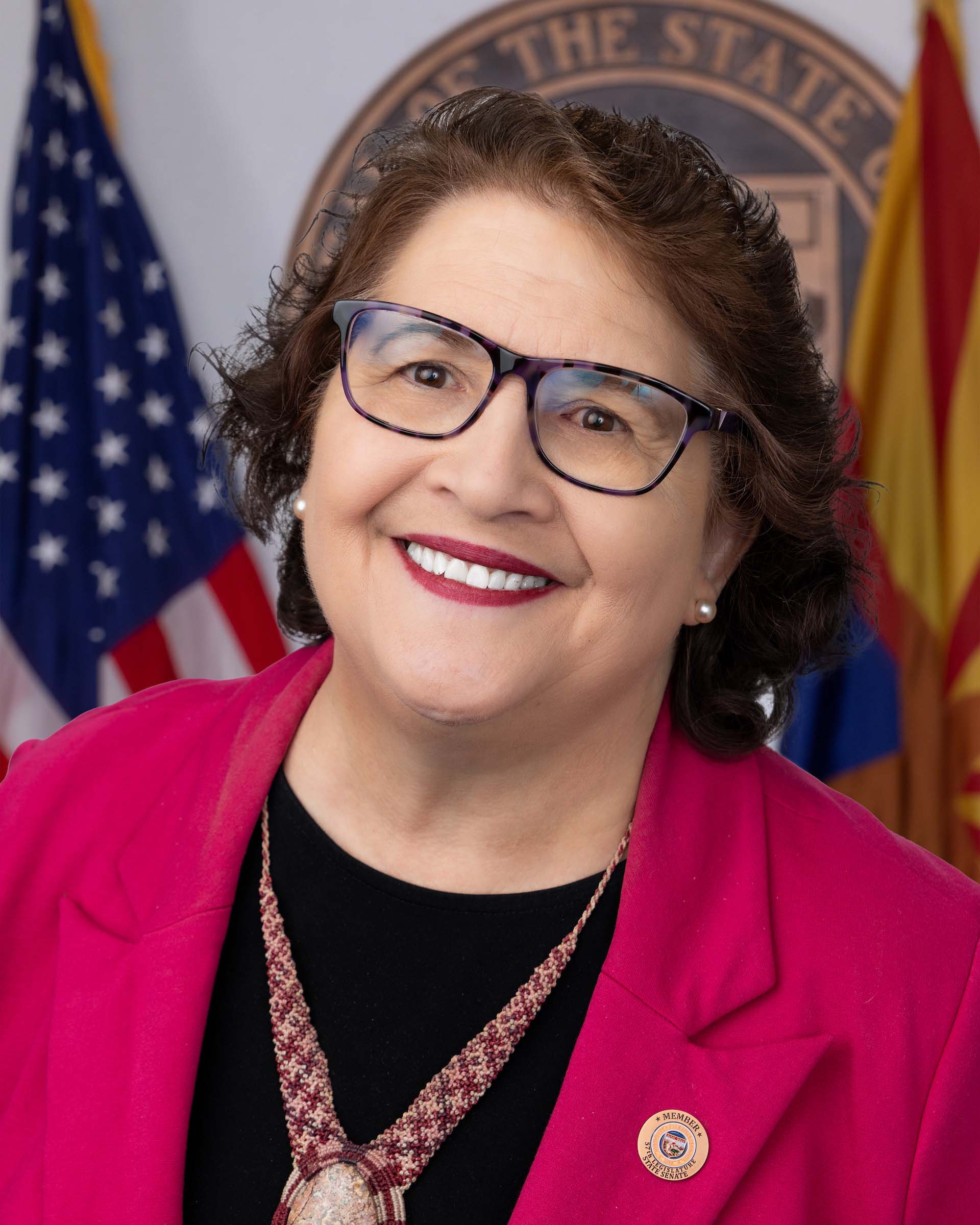
Mitzi Epstein
Mitzi Epstein Senate · District 12
D
Oppose
28% 144
Mariana Sandoval
Mariana Sandoval House · District 23
D
Oppose
30% 212
Anna Abeytia
Anna Abeytia House · District 24
D
Oppose
30% 170
Showing 41–50 of 190 bills

All education bills

introduced · Arizona · House Feb 11, 2026

HB 4053: high schools; elective credits; CTE

HB 4053 requires Arizona high schools serving grades 9-12 to offer at least two career and technical education (CTE) or vocational courses as electives each school year. It specifically encourages courses that align with community college degree programs or are transferable to Arizona universities under the Board of Regents. The bill does not mandate new courses if a school already meets the two-course requirement on the effective date. This affects all public school districts and charter schools in Arizona, directly shaping high school course offerings for students.
introduced · Arizona · Senate Feb 9, 2026

SB 1727: child care; assistance; eligibility

SB 1727 modifies Arizona’s child care assistance program to expand eligibility for low-income families needing support to work, attend school, or address crises. It allows assistance for families transitioning off cash aid, those with incomes up to 165% of the federal poverty level (FPL), and special circumstances like domestic violence or homelessness - prioritizing families at or below 100% FPL. Key provisions include extending support for up to 24 months after cash aid ends, waiving work requirements for education/training programs leading to jobs, and setting income limits (ceasing assistance when income exceeds 85% of state median income). The bill also establishes prioritization on waiting lists by income level and gives the department flexibility to adjust income thresholds within available funding.
Sub-Topics Early Childhood
introduced · Arizona · Senate Feb 9, 2026

SB 1706: full-day kindergarten students; ADM

SB 1706 establishes standards for Arizona's online instruction programs. It requires online schools to meet specific criteria for curriculum, student safety, and teacher qualifications before approval, and places new online schools on probation for up to three years until they demonstrate academic improvement. The bill mandates annual reporting to the state education department on student performance and daily attendance logs, and sets funding rules: full-time online students receive 95% of standard funding, while part-time students receive 85%. It directly affects online schools, students enrolled in virtual programs, and school districts managing hybrid enrollment. The bill does not relate to full-day kindergarten as implied by its title, but instead focuses on online education accountability and funding.
introduced · Arizona · Senate Feb 9, 2026

SB 1693: school district superintendents; certification; requirements

SB 1693 (correcting the title discrepancy) primarily updates teacher certification rules, not superintendent requirements. It requires all teachers providing literacy instruction in kindergarten through grade 5 to obtain a literacy endorsement by specific deadlines (2028 for current teachers, within three years of certification for new teachers starting August 2025). The endorsement mandates evidence-based science of reading training covering foundational skills, high-quality materials, and interventions for reading deficiencies (including dyslexia). Teachers may bypass formal coursework through local district verification using classroom observations and student data, and the bill explicitly prohibits requiring a master's degree for certification.
introduced · Arizona · House Jun 13, 2026

HB 4132: ESAs; expenditures; enrollment; limitations.

Arizona's HB 4132 expands the state's Empowerment Scholarship Account (ESA) program to allow more students to access education funds. It adds income requirements ($200,000 annual threshold, adjusted for inflation after 2027) for families seeking eligibility, while also allowing students who previously attended public school to transfer to an ESA. Funds can cover tuition at participating schools, textbooks, educational therapies, tutoring (capped at $2,000 yearly), and approved online programs. The bill explicitly restricts using ESA funds for school tuition organizations concurrently and requires parents to sign agreements detailing how funds must be spent.
introduced · Arizona · House Feb 10, 2026

HB 4023: ethnic studies; academic standards; commission

HB 4023 requires Arizona's state board of education to include ethnic studies in social studies academic standards for all public schools. The bill primarily focuses on third-grade reading retention, mandating that students not meet state reading benchmarks cannot advance to fourth grade unless specific exemptions apply (e.g., English learners, special education needs, or demonstrated progress via approved assessments). It also requires schools to provide evidence-based reading interventions, offer parents multiple intervention options, and submit annual reports on retention and support strategies. While the bill references ethnic studies as part of social studies standards, its main provisions center on reading assessment, retention policies, and intervention requirements for K-3 students.
introduced · Arizona · House Feb 5, 2026

HB 2998: special plate; youth education

HB 2998 creates a new "youth education charity special plate" option for Arizona vehicle owners. To implement this, a person must pay $32,000 to the department for plate design and approval, with annual plate fees set at $25 (including a $17 donation to a youth education fund). The department will deposit the $17 annual donation into a dedicated youth education fund, while the $8 administration fee goes to the state highway fund. This bill directly affects vehicle owners who choose to pay for this special plate, with the funds supporting youth education initiatives.
introduced · Arizona · Senate Feb 9, 2026

SB 1726: STOs; scholarship reporting; identification numbers

SB 1726 requires certified school tuition organizations (STOs) in Arizona to report detailed student data to the Department of Education annually. It creates a student identifier system to track scholarship recipients and mandates STOs to submit specific information, including each student's family income level (categorized by federal lunch program thresholds), the amount of scholarship received, and the school attended. The bill also requires STOs to report the number and dollar amounts of scholarships awarded to students in different income brackets, broken down by school. The Department of Education must then post this aggregated data publicly on its website by March 31 each year. This bill directly affects STOs, students receiving scholarships, and the Department of Education.
introduced · Arizona · House Feb 18, 2026

HB 4037: individual income tax; credit; education

HB 4037 creates a new refundable education tax credit for Arizona taxpayers with qualifying children. The credit (up to 80% of the state's base support level) applies to children not enrolled in public school or scholarship programs for more than 50% of instructional days. Taxpayers can claim this credit starting tax year 2026, with excess credit paid as a refund. The bill also modifies income tax filing procedures to streamline forms for eligible taxpayers and requires electronic filing for tax preparers handling over 10 returns annually.
introduced · Arizona · House Feb 10, 2026

HB 4032: alternative nicotine; vapor products; tax.

HB 4032 establishes two new education funding streams in Arizona: a "ninth grade on-track grant program" and an "out-of-school time program fund." The bill directs 90% of funds to program activities (like student support services) and 10% to administrative costs for schools receiving grants, requiring schools to use funds to help ninth graders earn credits toward graduation through specific strategies (e.g., data-driven interventions, teacher collaboration). It clarifies that funds must supplement - *not replace* - existing student support programs. Note: The bill's title mentions "alternative nicotine; vapor products; tax," but the actual provisions focus solely on education funding mechanisms with no reference to nicotine taxation.
Showing 41 to 50 of 190 bills
Previous 1 4 5 6 19 Next