Issue · Education

Education (K-12 Education)

Every education bill, vote, and legislator stance in Arizona, automatically classified by Maddy, our AI policy reader.

Total bills
38
57th Legislature - Second Regular Session
Top supporter
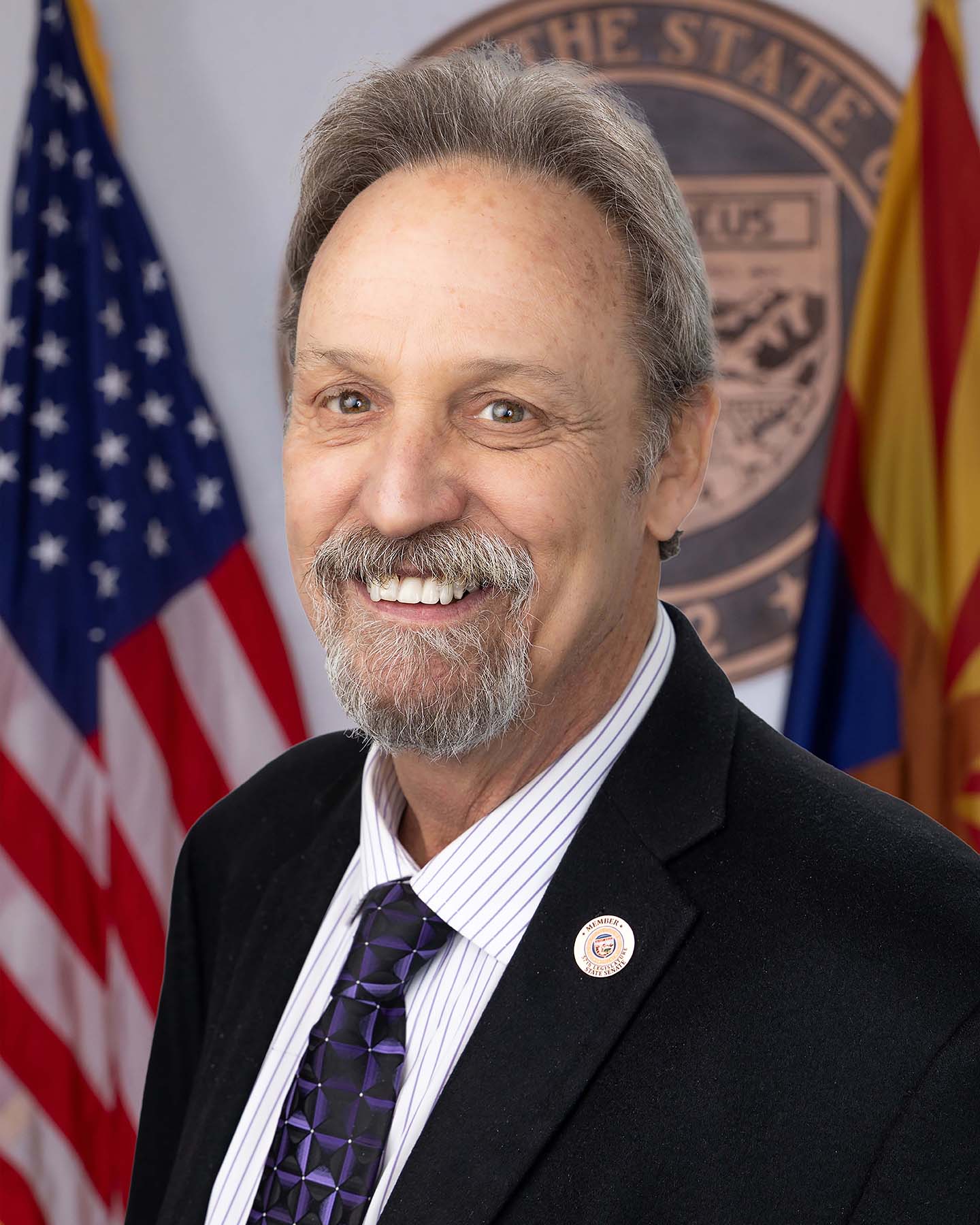
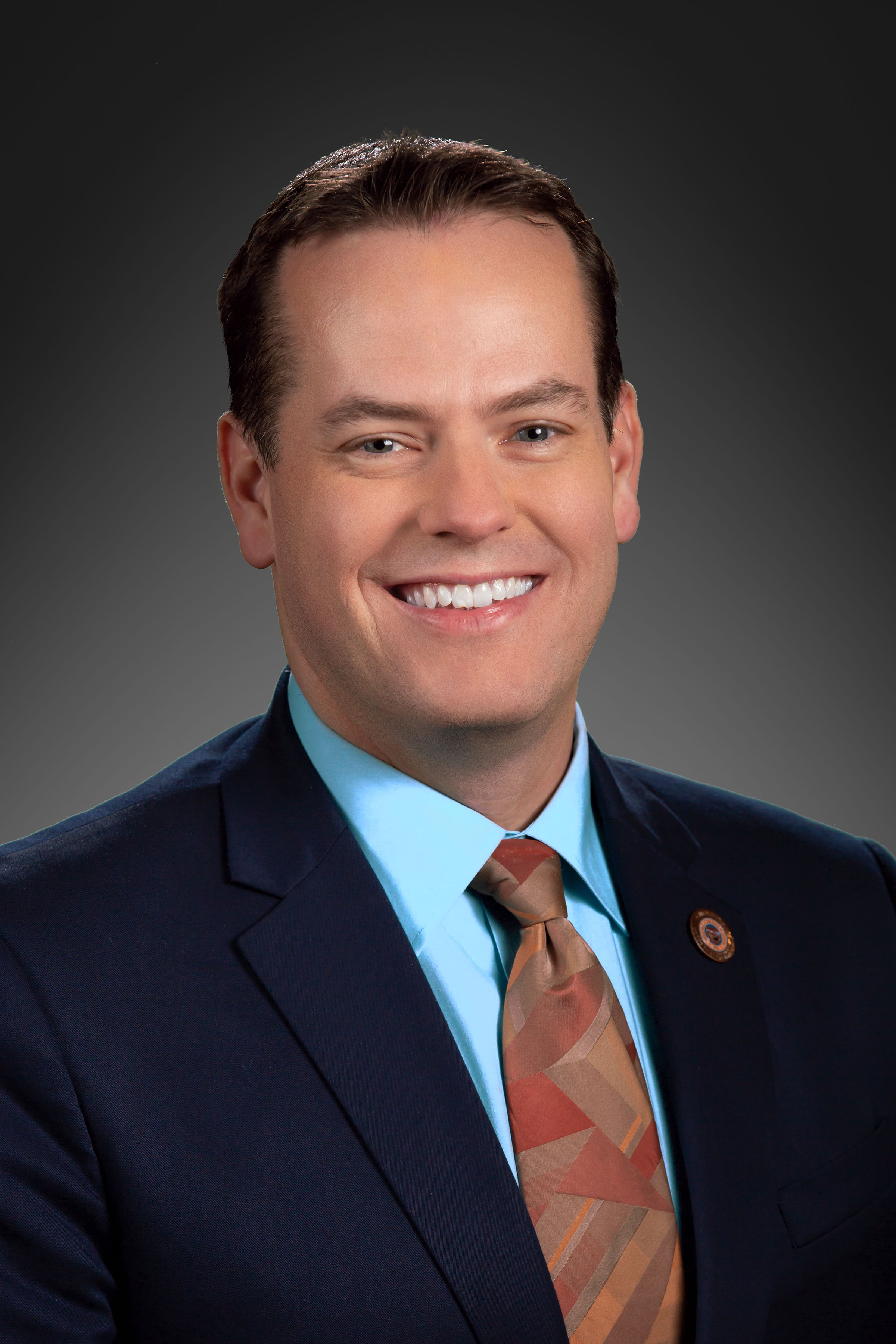
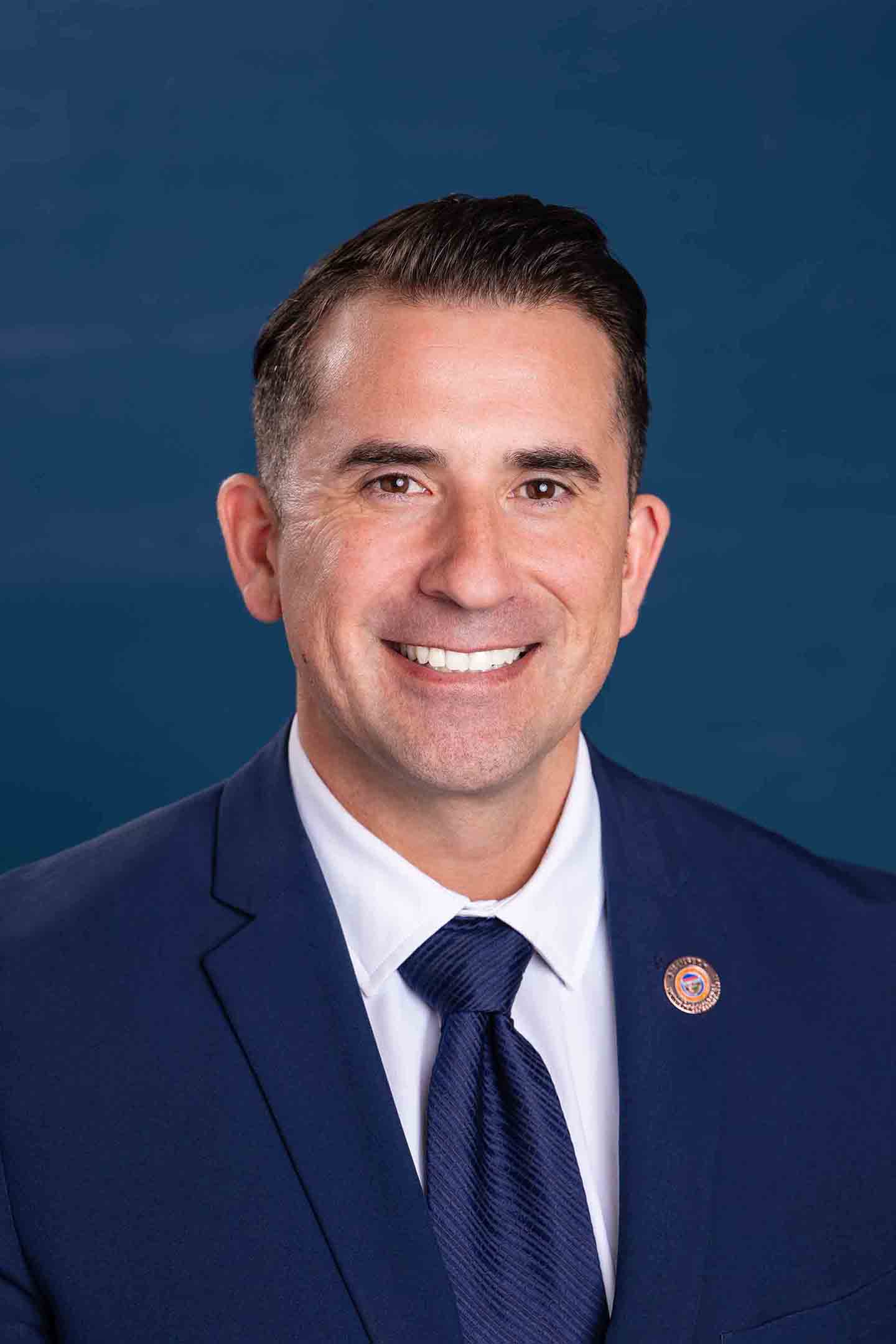
Kevin Payne
100% support rate
Top opponent
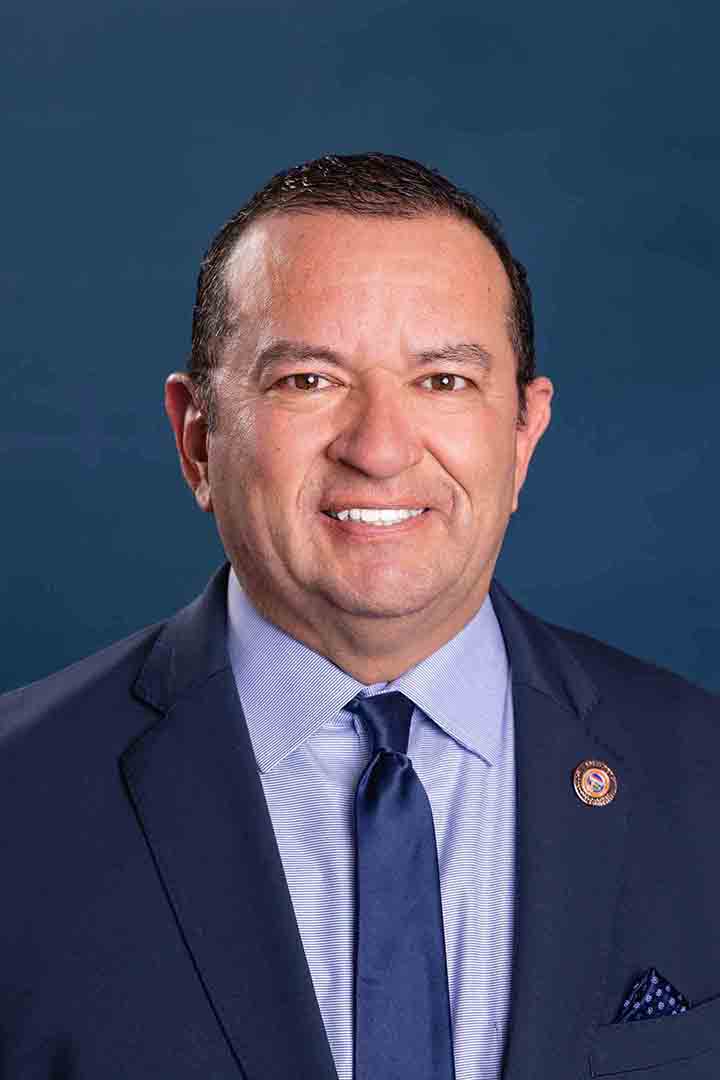
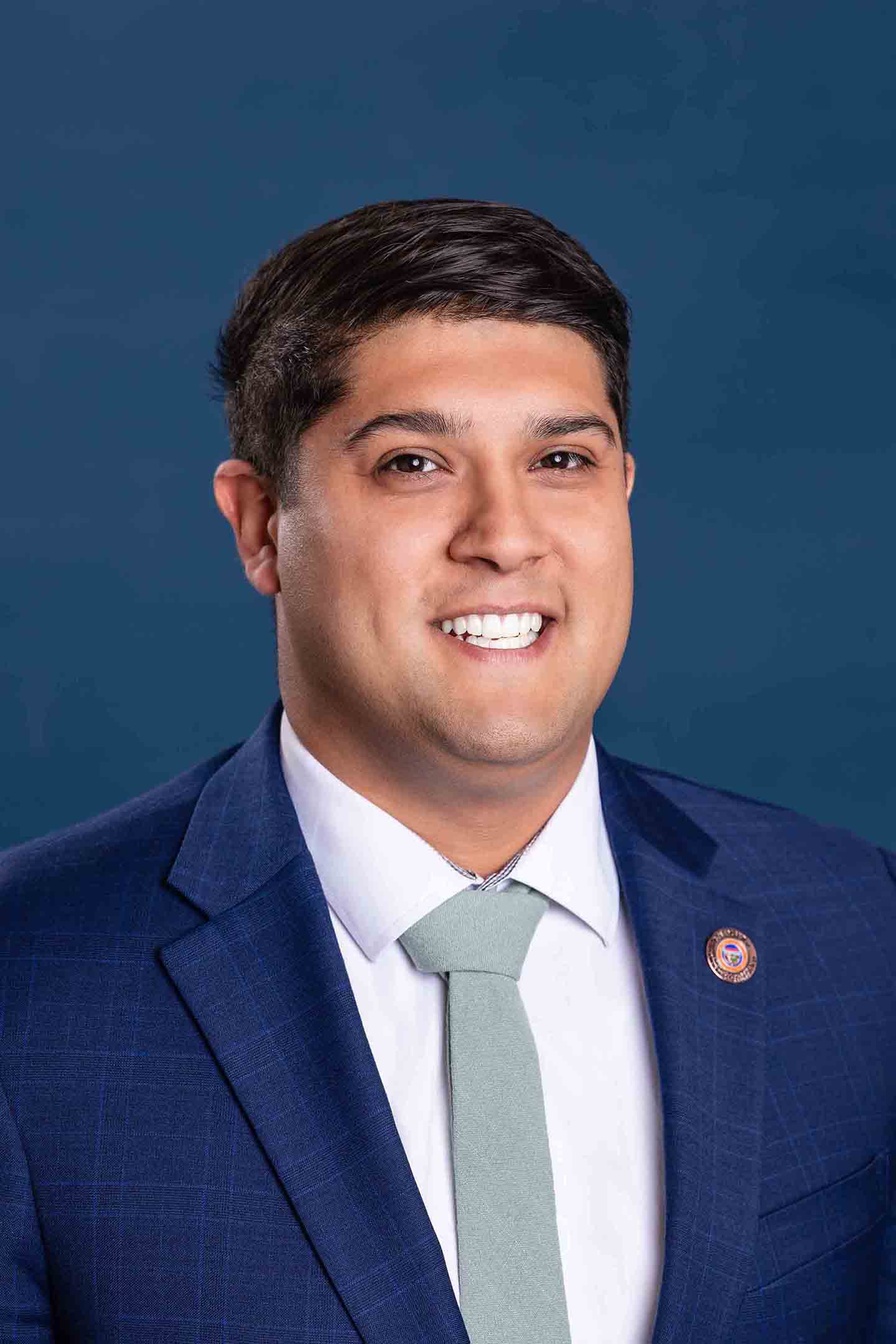
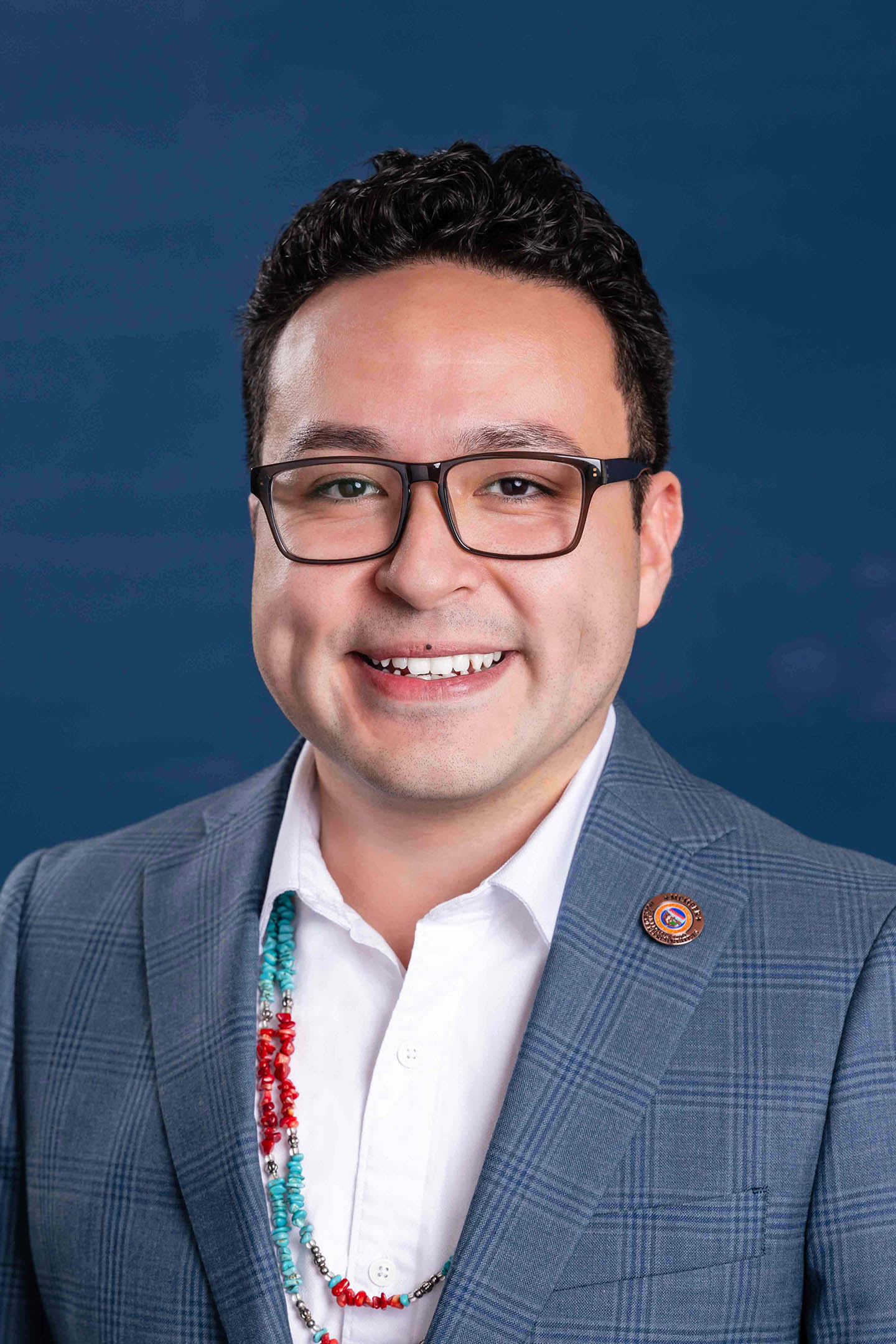
Cesar Aguilar
25% support rate
Ranked legislators
10
5 support · 5 oppose
Key legislators

Who's moving k-12 education in Arizona

Legislators moving k-12 education in Arizona
Legislator Party Stance Support rate Votes
Kevin Payne
Kevin Payne Senate · District 27
R
Strong +
100% 6
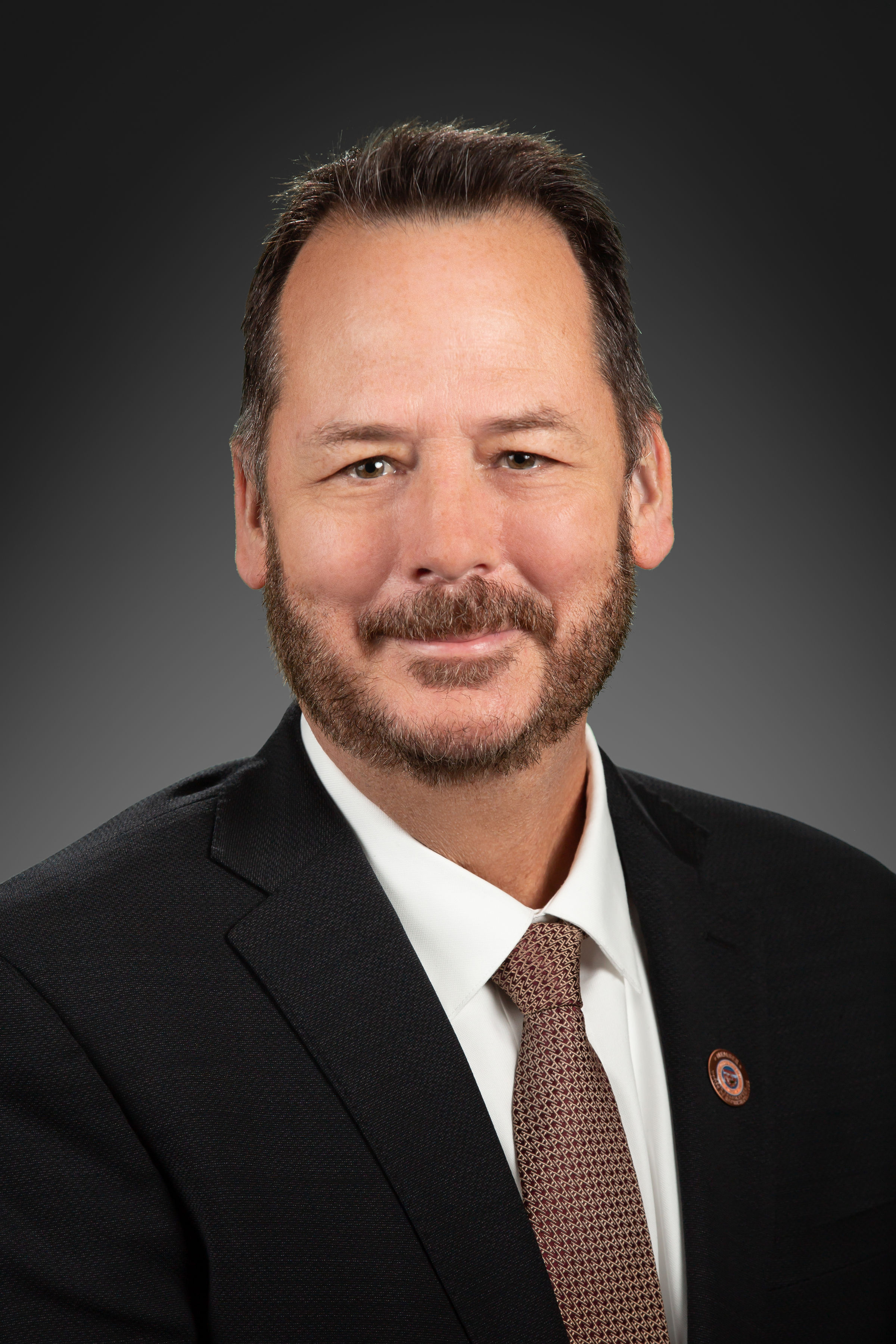
Chris Lopez
Chris Lopez House · District 16
R
Strong +
90% 10
Jeff Weninger
Jeff Weninger House · District 13
R
Strong +
90% 10
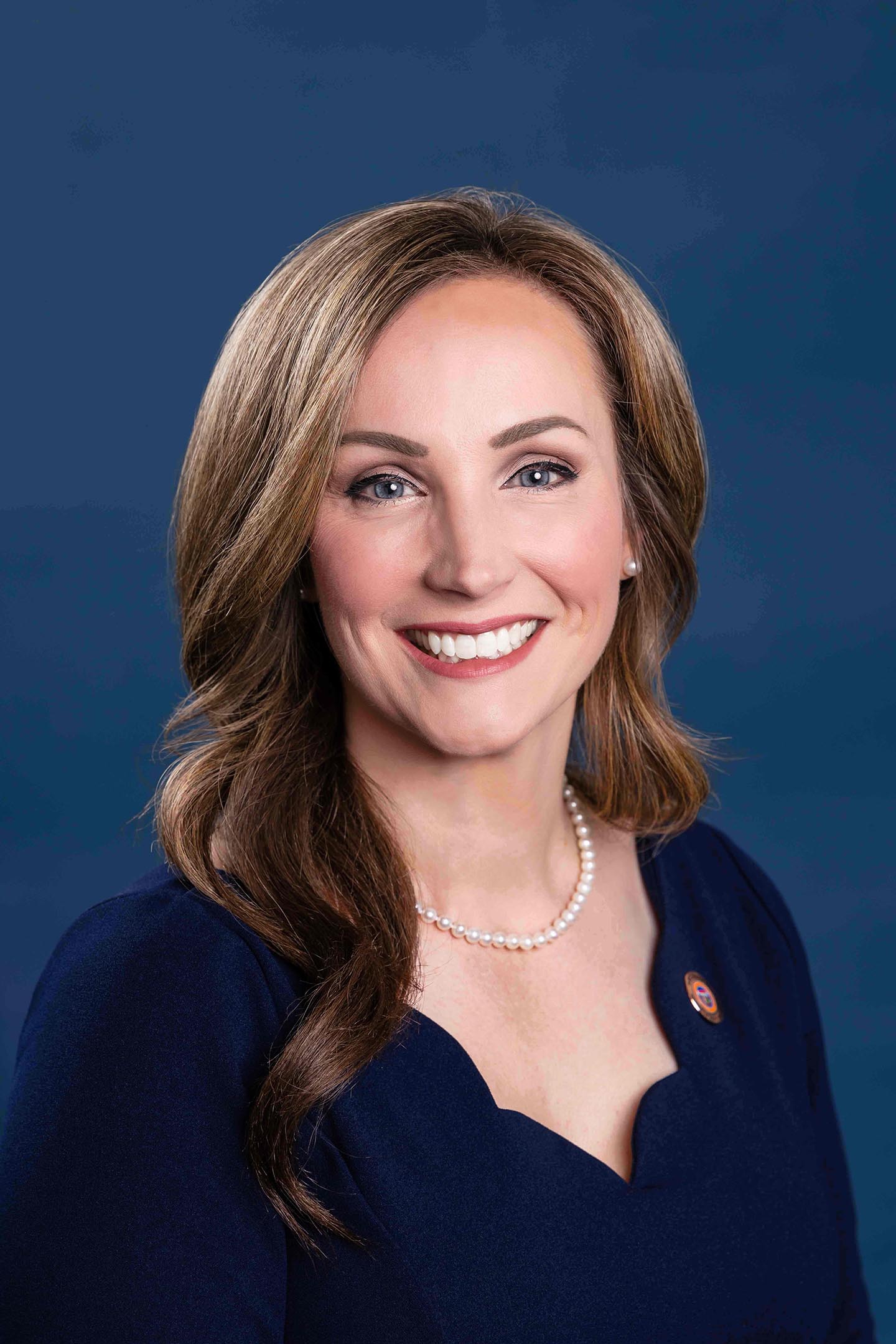
Julie Willoughby
Julie Willoughby House · District 13
R
Strong +
90% 10
Justin Wilmeth
Justin Wilmeth House · District 2
R
Strong +
90% 10
Cesar Aguilar
Cesar Aguilar House · District 26
D
Oppose
25% 8
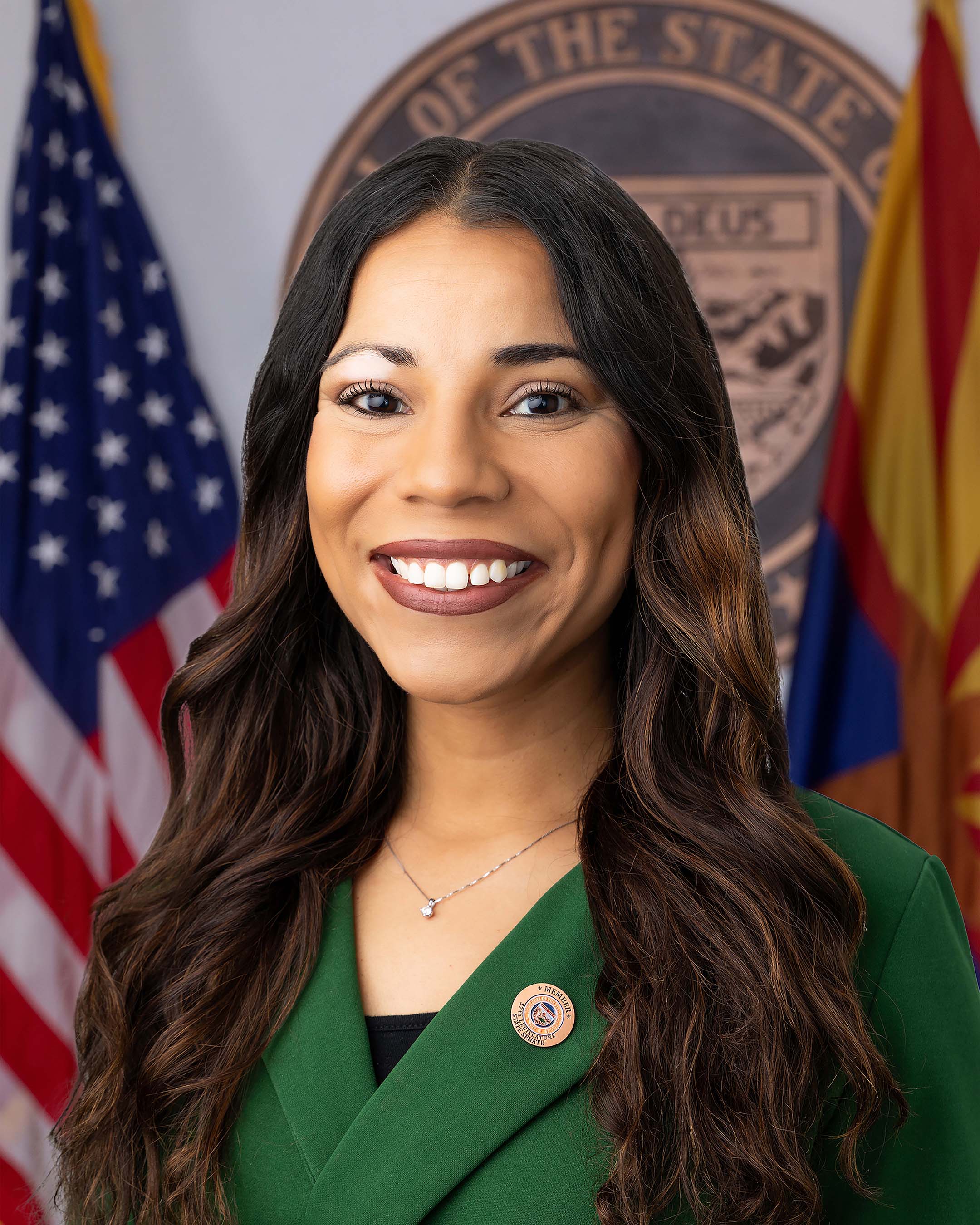
Analise Ortiz
Analise Ortiz Senate · District 24
D
Oppose
29% 7
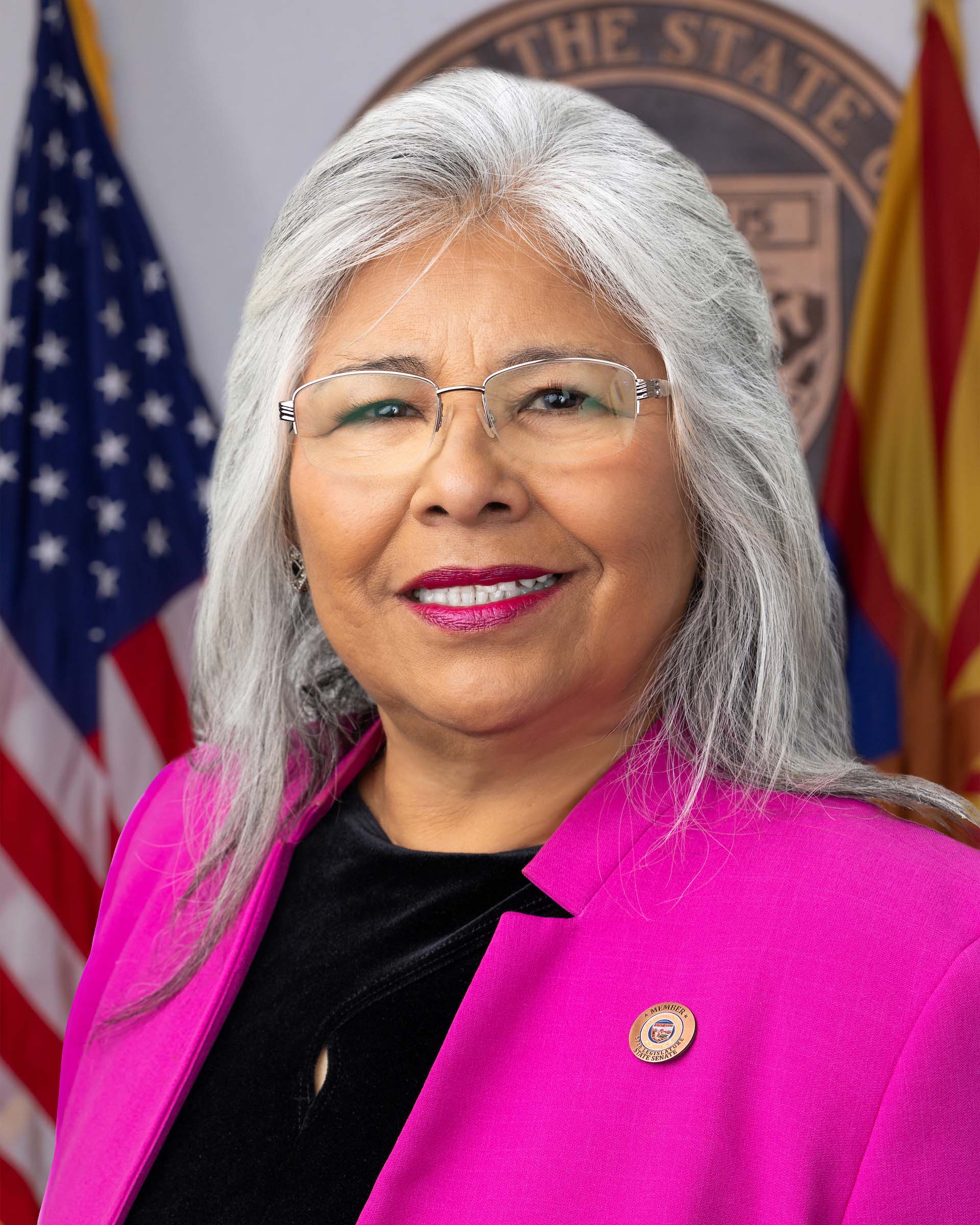
Sally Gonzales
Sally Gonzales Senate · District 20
D
Oppose
29% 7
Aaron Marquez
Aaron Marquez House · District 5
D
Oppose
30% 10
Brian Garcia
Brian Garcia House · District 8
D
Oppose
30% 10
Showing 21–30 of 38 bills

All education bills

introduced · Arizona · House Jan 21, 2026

HB 2316: middle school students; CTE courses

HB 2316 allows Arizona middle schools (grades 6-8) to offer career technical education (CTE) courses that count toward both 8th-grade promotion and high school graduation. Schools must partner with approved CTE providers like community colleges or state-approved programs, and students must pass courses to earn credit. The bill requires schools to report course offerings and completions annually, with a final report due by 2029, and expires in 2037. It permits CTE districts to fund middle school CTE courses without raising property taxes but prohibits counting middle school students in district enrollment totals.
introduced · Arizona · House Jan 26, 2026

HB 2840: schools; nutrition education; physical activity

HB 2840 requires Arizona public schools and charter schools to provide annual nutrition education for all students from kindergarten through 12th grade. This includes teaching practical healthy eating habits, scientific evidence on diet/exercise, disease prevention, and meal planning skills, with a focus on nutrient-dense foods and the impacts of ultraprocessed foods. The bill also mandates 30 minutes of daily physical activity for all students, allowing options like physical education classes, scheduled breaks, or active classroom time, while permitting medical exemptions. These requirements directly affect all Arizona K-12 schools and their students, aiming to integrate health education into daily school routines.
signed · Arizona · House Jun 4, 2026

HB 2895: Native American language; instruction; certification

HB 2895 creates a grant program for Arizona school districts to partner with federally recognized tribes to offer Native American language courses. It also establishes support for teacher certification pathways for those teaching these languages and allows high school students to fulfill foreign language graduation requirements by demonstrating proficiency in a Native American language. The bill directly affects school districts, tribes, teachers seeking certification, and high school students. Key provisions include state-funded grants for language courses, streamlined teacher certification support, and flexibility in meeting graduation language requirements. This policy change aims to increase access to Native American language education within Arizona's public schools.
Sub-Topics Curriculum K-12 Education Teachers Tags Tribal Nations
introduced · Arizona · House Jun 13, 2026

HCR 2008: education funding; teacher compensation program

HCR 2008 is a proposed constitutional amendment seeking voter approval to protect Arizona’s K-12 education funding levels until 2035-2036 and establish a statewide teacher compensation program. If approved, it would require any annual revenue increase from the state’s permanent fund above 2.5% to fund teacher pay raises, mandating that funds supplement existing pay (not replace it) and be distributed equally to eligible full-time classroom teachers meeting performance standards. The program must distinguish between high-performing and underperforming teachers, require schools to update salary schedules, and include reporting and auditing rules. This proposal does not become law until voters approve it at the next general election.
passed · Arizona · Senate Mar 18, 2026

SB 1248: juvenile detention centers; education programs.

SB 1248 requires counties operating juvenile detention centers to provide education programs for all school-age youth held there, with county school superintendents and juvenile court judges agreeing on program delivery. It establishes state standards for these programs and creates a funding mechanism: counties receive a base amount ($100,000 for 2019-2020) plus variable funding based on the number of instructional days (240+ minutes daily) each youth receives, with additional support for youth with disabilities. The bill also extends similar education program requirements and funding rules to county jails for minors under 21 without high school diplomas. This directly affects juvenile detention/jail facilities, youth in custody, and county school systems managing these programs.
failed · Arizona · House Feb 26, 2026

HB 2478: Arizona commission on student outcomes

HB 2478 establishes the Arizona Commission on Student Outcomes to review the state's K-12 education system. The commission, composed of 10 appointed members including legislative leaders, education officials, and stakeholder representatives, will analyze school spending, identify outdated policies, examine teacher compensation barriers, and assess accountability systems. It must submit annual reports starting in 2027 and a final report in 2032 with recommendations to improve academic standards, assessments, graduation requirements, and school funding. The bill appropriates $1 million for the commission’s work and expires June 30, 2033. This directly affects Arizona’s public school system, educators, and students by shaping future education policy through evidence-based analysis.
signed · Arizona · House Jun 4, 2026

HB 2764: computer science proficiency; state seal

HB 2764 establishes a voluntary Arizona state seal to recognize high school students who demonstrate computer science proficiency upon graduation. Participating public school districts or charter schools will add this seal to diplomas and note it on transcripts for students meeting state-set minimum requirements. The superintendent of public instruction will create the seal and collaborate with the state board of education to define the proficiency standards. This program affects only students in schools that choose to join, with no mandatory participation for districts or schools.
Sub-Topics K-12 Education
introduced · Arizona · House Jan 14, 2026

HB 2215: literacy endorsements; coaches; specialists

HB 2215 requires Arizona public schools serving kindergarten through third grade to implement literacy support programs. By July 2027, each school must have at least one literacy coach or specialist trained in dyslexia support to assist teachers, observe instruction, and provide professional development. Schools must submit annual reading improvement plans using state reading funds, with priority funding for schools where over 10% of third graders lack sufficient reading skills. The state will track progress through annual reports showing reading proficiency data, program expenditures, and outcomes for K-3 students.
Sub-Topics K-12 Education
failed · Arizona · Senate Mar 31, 2026

SB 1461: allied health care workforce; appropriation

SB 1461 allocates $15 million from Arizona's general fund for a new allied health workforce development program targeting roles like medical technicians and therapists (requiring specialized training beyond high school but less than a bachelor's degree). The program will fund a nonprofit meeting strict criteria, including prior training of 7,000+ students, partnerships with employers and schools, and operating in at least eight states. The nonprofit must commit to graduating 1,000 students annually through this initiative. This direct funding aims to expand training capacity for non-physician, non-nurse healthcare roles across Arizona.
failed · Arizona · Senate Jun 11, 2026

SB 1424: firearm safety instruction; public schools

SB 1424 requires Arizona public schools to provide annual, age-appropriate firearm safety instruction to students in kindergarten through 12th grade starting in the 2027-2028 school year. The instruction must focus solely on accident prevention and personal safety - covering safe storage, actions to take if encountering a firearm, and risks of unsafe handling - while explicitly prohibiting live firearms, ammunition, or any training on firearm use. The Arizona Department of Education will develop neutral, fact-based instructional materials in collaboration with public safety agencies, and schools must make all materials available for parental review. The bill does not regulate firearm ownership or possession, nor does it promote or discourage firearm ownership.
Showing 21 to 30 of 38 bills
Previous 1 2 3 4 Next