Issue · Criminal Justice

Criminal Justice (Drug Policy)

Every criminal justice bill, vote, and legislator stance in Arizona, automatically classified by Maddy, our AI policy reader.

Total bills
9
57th Legislature - Second Regular Session
Top supporter
Alma Hernández
100% support rate
Top opponent
Carine Werner
9% support rate
Ranked legislators
10
5 support · 5 oppose
Key legislators

Who's moving drug policy in Arizona

Legislators moving drug policy in Arizona
Legislator Party Stance Support rate Decisive votes
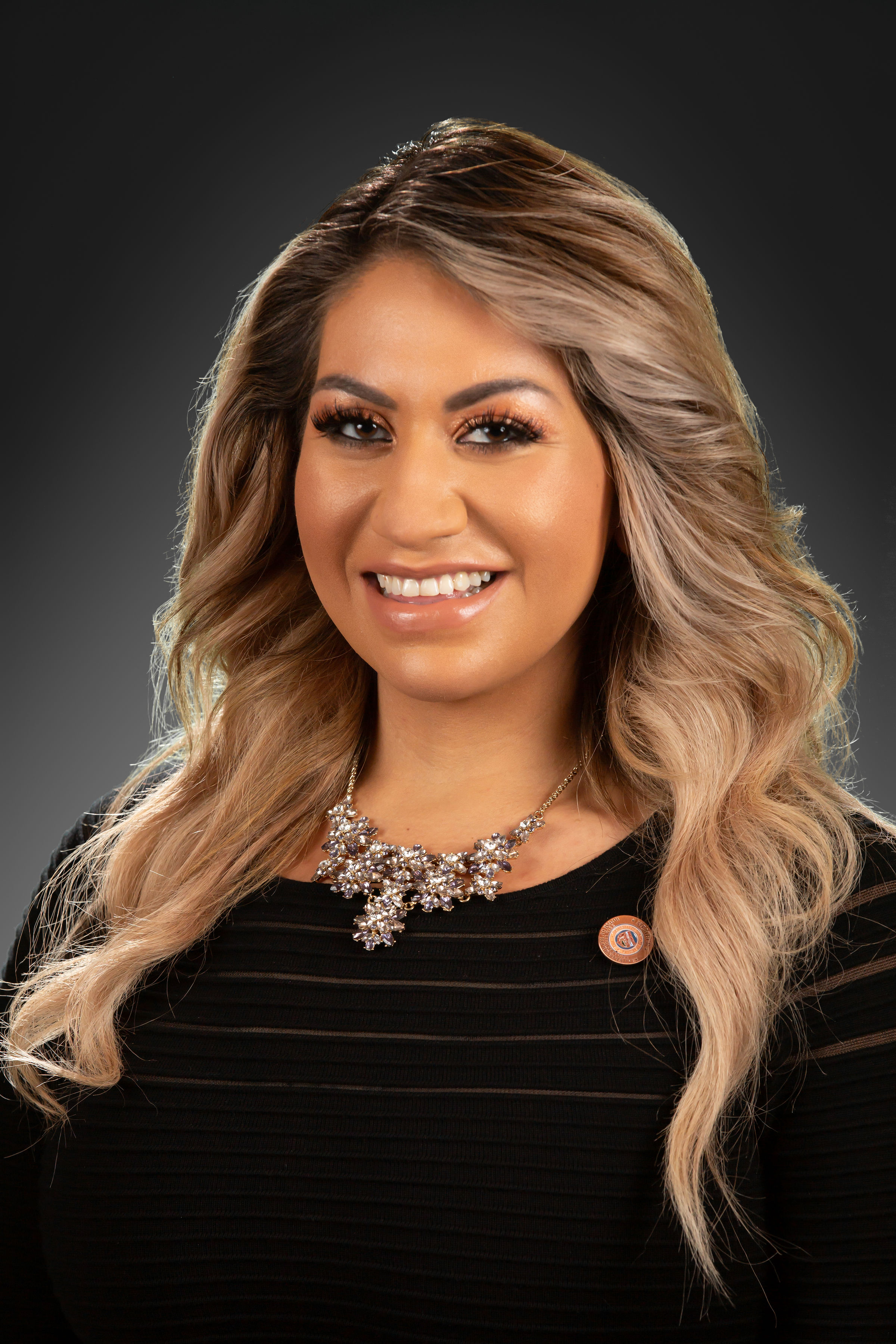
Alma Hernández
Alma Hernández House · District 20
D
Strong +
100% 5
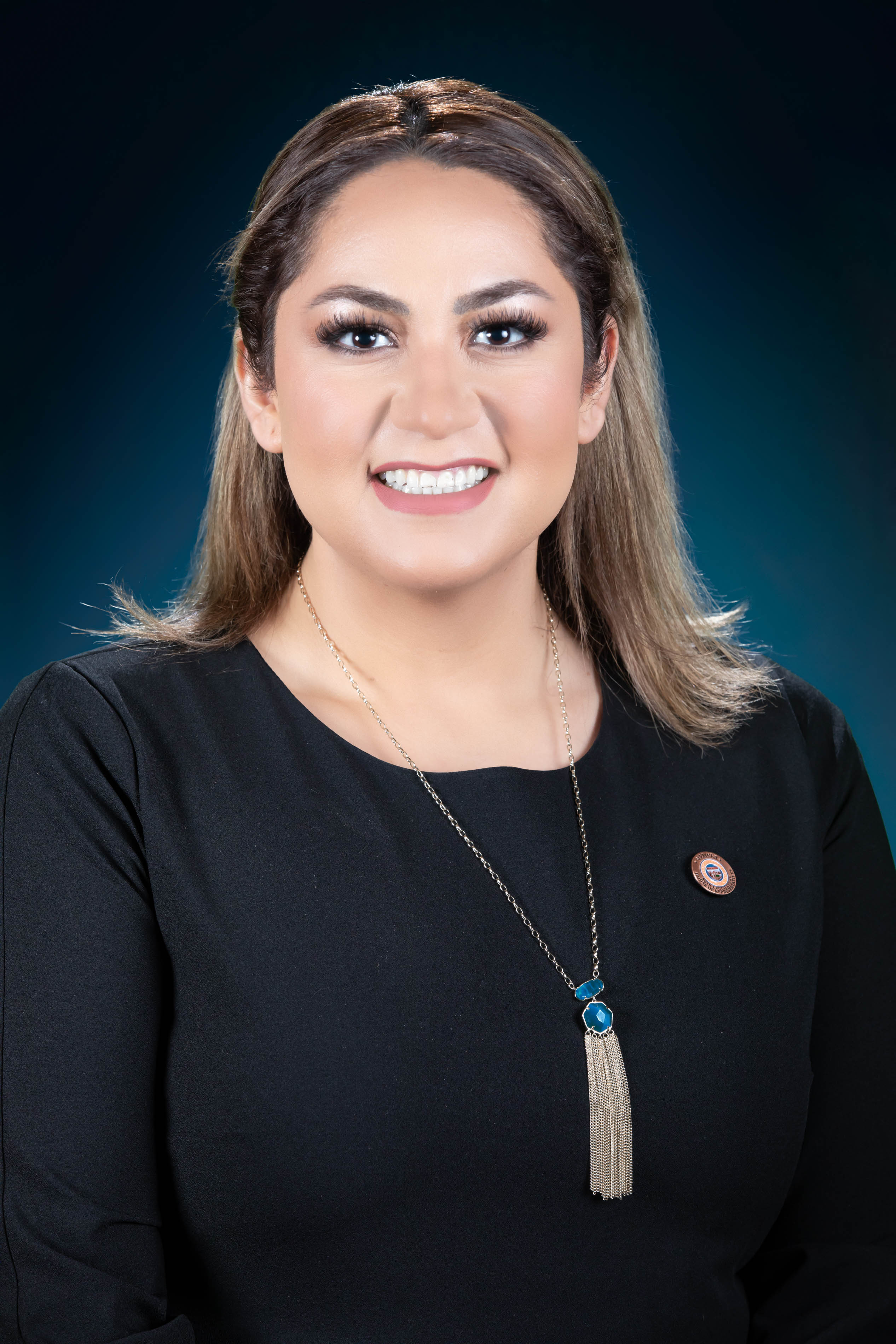
Consuelo Hernandez
Consuelo Hernandez House · District 21
D
Strong +
100% 5
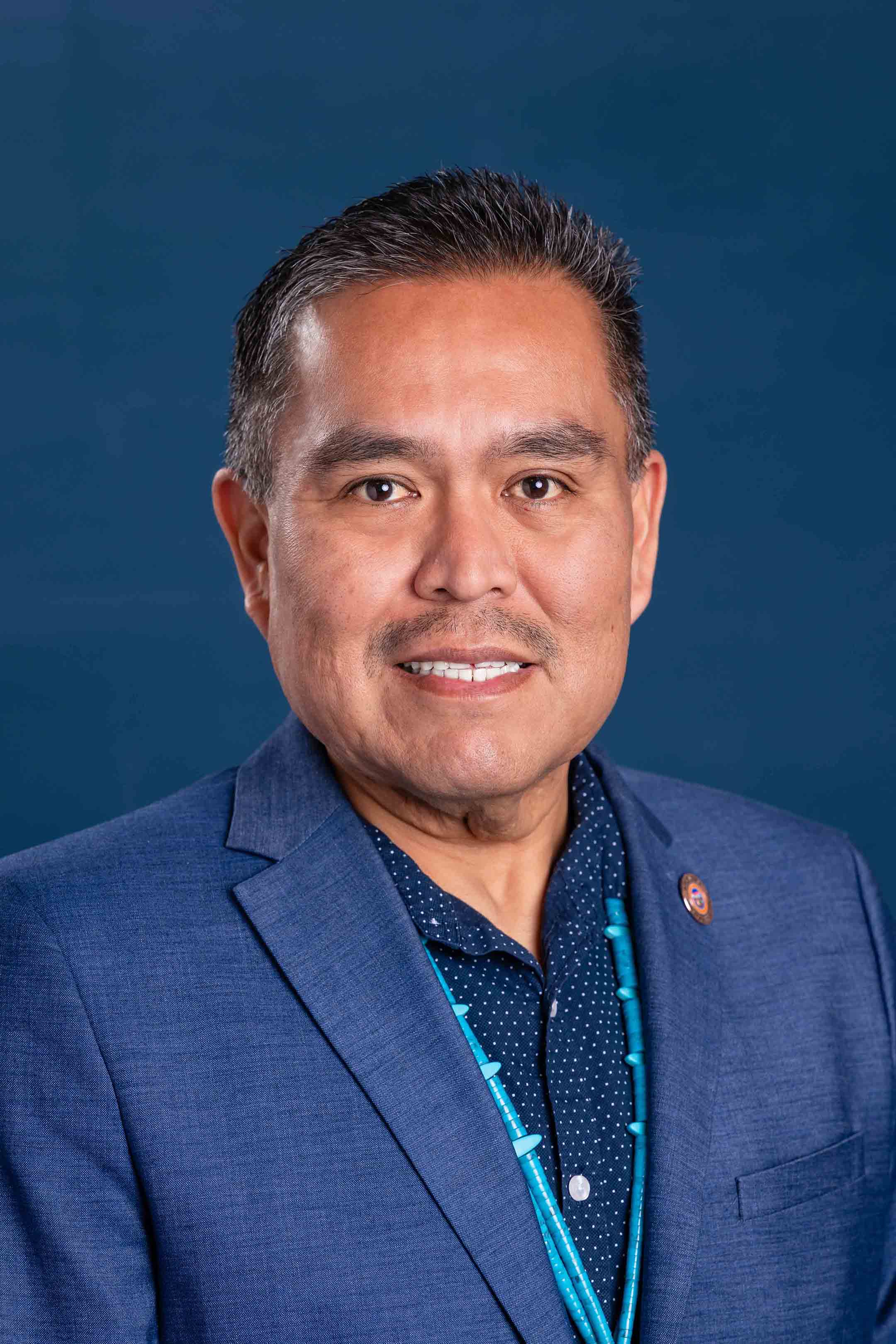
Myron Tsosie
Myron Tsosie House · District 6
D
Strong +
86% 7
Quantá Crews
Quantá Crews House · District 26
D
Strong +
83% 6
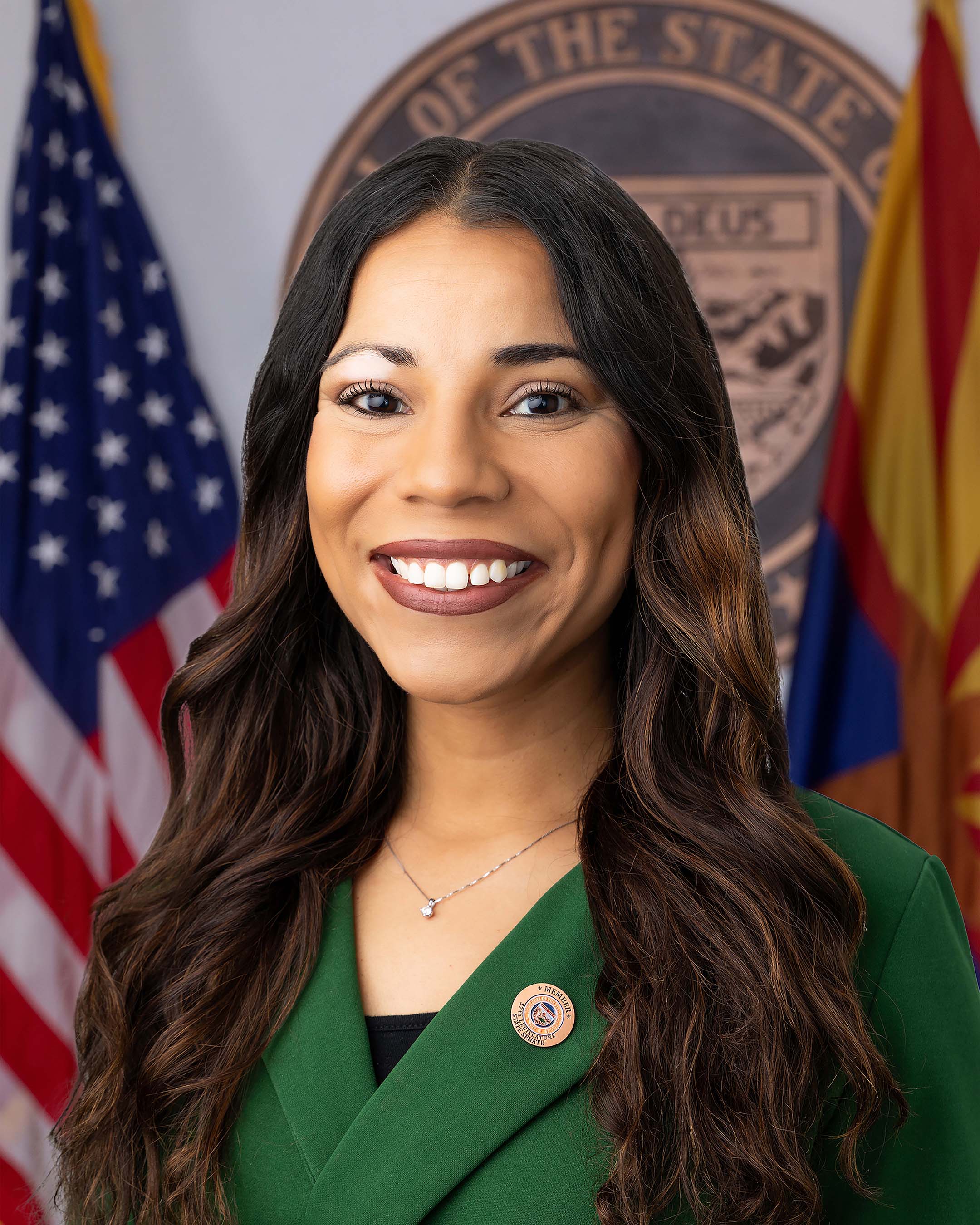
Analise Ortiz
Analise Ortiz Senate · District 24
D
Strong +
82% 11
Carine Werner
Carine Werner Senate · District 4
R
Strong −
9% 11
Mark Finchem
Mark Finchem Senate · District 1
R
Strong −
9% 11
Vince Leach
Vince Leach Senate · District 17
R
Strong −
9% 11
Wendy Rogers
Wendy Rogers Senate · District 7
R
Strong −
11% 9
Chris Lopez
Chris Lopez House · District 16
R
Strong −
14% 7
Showing 9 of 9 bills

All criminal justice bills

passed · Arizona · Senate Jun 13, 2026

SB 1752: mescaline; possession; sale; commercial use

SB 1752 prohibits harvesting, processing, or selling mescaline for commercial purposes or research in Arizona, with a specific exception for religious use integral to bona fide religious practices that don’t endanger public health or safety. It defines "commercial use" as any profit-seeking activity and limits "research" to medical or pharmaceutical applications. Violating the law is a class 4 felony offense. The bill does not affect personal possession or non-commercial religious use.
Sub-Topics Drug Policy
introduced · Arizona · Senate Feb 4, 2026

SB 1589: school personnel; reporting; drug offenses

SB 1589 strengthens Arizona's drug enforcement near schools by increasing penalties for drug offenses within 300 feet of school grounds, school buses, or bus stops. It requires all school staff to immediately report drug violations to administrators, who must then notify law enforcement - failure to report is a misdemeanor. The bill also mandates that schools include specific data on drug-related incidents requiring law enforcement contact in their annual public report cards. These changes directly affect school personnel, students, and law enforcement, with the goal of increasing accountability and transparency around drug activity in school zones.
vetoed · Arizona · House Jun 19, 2026

HB 2970: fraudulent schemes; artifices; jurisdiction

HB 2970 amends Arizona law to strengthen penalties for fraud by defining it as knowingly obtaining benefits through false claims, lies, or hiding key facts. It removes the requirement that prosecutors prove victims relied on the fraud and bars probation or early release for serious cases involving $100,000+ in fraud or opioid sales. The law also allows Arizona to prosecute fraud even if parts of the scheme occurred outside state borders. This directly affects individuals or entities committing fraud, with stricter sentencing for large-scale or opioid-related offenses.
failed · Arizona · Senate Jun 12, 2026

SB 1170: narcotic drugs; sales; minor; sentencing

SB 1170 amends Arizona's drug sentencing laws to impose mandatory minimum prison terms for specific fentanyl offenses. It sets a 5- to 15-year minimum sentence for selling or possessing at least 200 grams of fentanyl (or 200 grams in a vehicle), increasing to 10- to 20 years for repeat offenders. The bill also creates a separate mandatory sentence for anyone convicted of selling fentanyl that causes a minor's death. These provisions directly affect individuals convicted of large-scale fentanyl sales or possession, removing probation eligibility and requiring minimum prison terms for these offenses.
signed · Arizona · House Apr 13, 2026

HB 2132: fentanyl; possession; sale; amount; sentencing

Arizona's HB 2132 increases penalties for fentanyl offenses. It sets a minimum 5-year prison sentence for selling or possessing fentanyl in amounts of 200 grams or more (with repeat offenses requiring 10+ years), replaces probation eligibility for these cases, and mandates a $2,000+ fine. Convicted individuals must also complete 360 hours of community service with substance abuse programs and undergo mandatory drug testing if on probation. The bill directly affects people convicted of fentanyl-related sales or possession above the threshold, aiming to strengthen sentencing for serious drug offenses.
introduced · Arizona · House Jan 14, 2026

HB 2191: unlawful use; sale; laughing gas

HB 2191 regulates the sale and use of inhalants containing toxic chemicals, such as nitrous oxide ("laughing gas") and aerosol paints/glues. It prohibits possession, inhalation, or sale of these substances to minors under 18, requires retailers to record purchaser details and store products securely, and classifies violations as felonies (with possible misdemeanor reductions). The law exempts medical/industrial use (e.g., food propellants, automotive applications) and parental transfers to children. It directly affects retailers selling such products, minors, and individuals using inhalants, with penalties including up to 1 year in jail for first offenses.
signed · Arizona · House Apr 7, 2026

HB 2131: trafficking weapons or explosives

HB 2131 amends Arizona's weapons misconduct law (ARS § 13-3102) to specifically criminalize trafficking weapons or explosives for financial gain to assist criminal street gangs, syndicates, or racketeering enterprises. This provision directly affects individuals who sell or transfer weapons/explosives with the intent to support such criminal organizations. The bill adds this trafficking offense as a new subsection (A.16) to the existing statute, which already covers other weapon-related misconduct like concealed carry or possession by prohibited persons. Key exemptions remain for lawful activities like museum collections, military use, or educational purposes. The law creates a distinct criminal penalty for trafficking tied to organized criminal enterprises, not general weapon possession or sales.
Sub-Topics Drug Policy Firearms
vetoed · Arizona · Senate Jun 19, 2026

SB 1061: fentanyl; sale amount; nine grams

SB 1061 amends Arizona law to increase penalties for fentanyl-related offenses involving specific quantities. It sets a 9-gram threshold for triggering mandatory minimum sentences: 5-15 years for a first offense and 10-20 years for repeat offenses involving sales or possession in a vehicle. The bill also requires a minimum $2,000 fine (or three times the drug's value), prohibits drug use during probation, and mandates 360 hours of community service for probationers convicted under this section. This law directly affects individuals convicted of fentanyl sales or possession of 9 grams or more, imposing stricter sentencing and additional conditions beyond standard penalties.
vetoed · Arizona · House Jun 19, 2026

HB 2047: writ of restitution; criminal trespass

HB 2047 modifies Arizona's eviction laws by requiring courts to issue a writ of restitution (a court order for a tenant to vacate) after a tenant is found guilty in an eviction case. It adds that tenants who remain in or return to rental property after being lawfully served with this writ - without the owner's permission - commit third-degree criminal trespass. The bill mandates a five-day waiting period before the writ can be enforced, preventing immediate criminal charges during that time. This directly affects tenants facing eviction and landlords seeking to regain possession, turning continued occupancy after a court order into a criminal offense.