Issue · Criminal Justice

Criminal Justice

Every criminal justice bill, vote, and legislator stance in Arizona, automatically classified by Maddy, our AI policy reader.

Total bills
149
57th Legislature - Second Regular Session
Top supporter
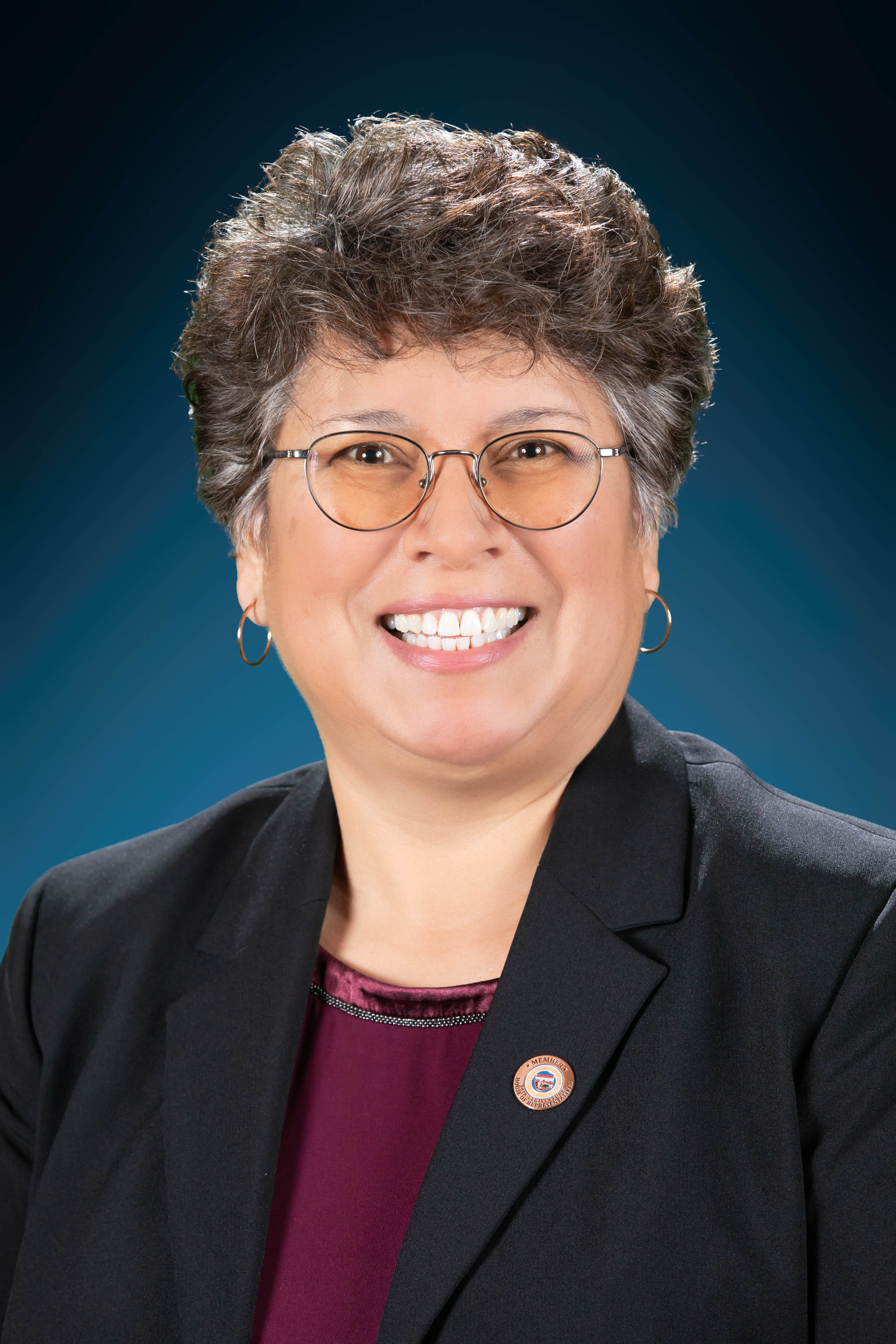
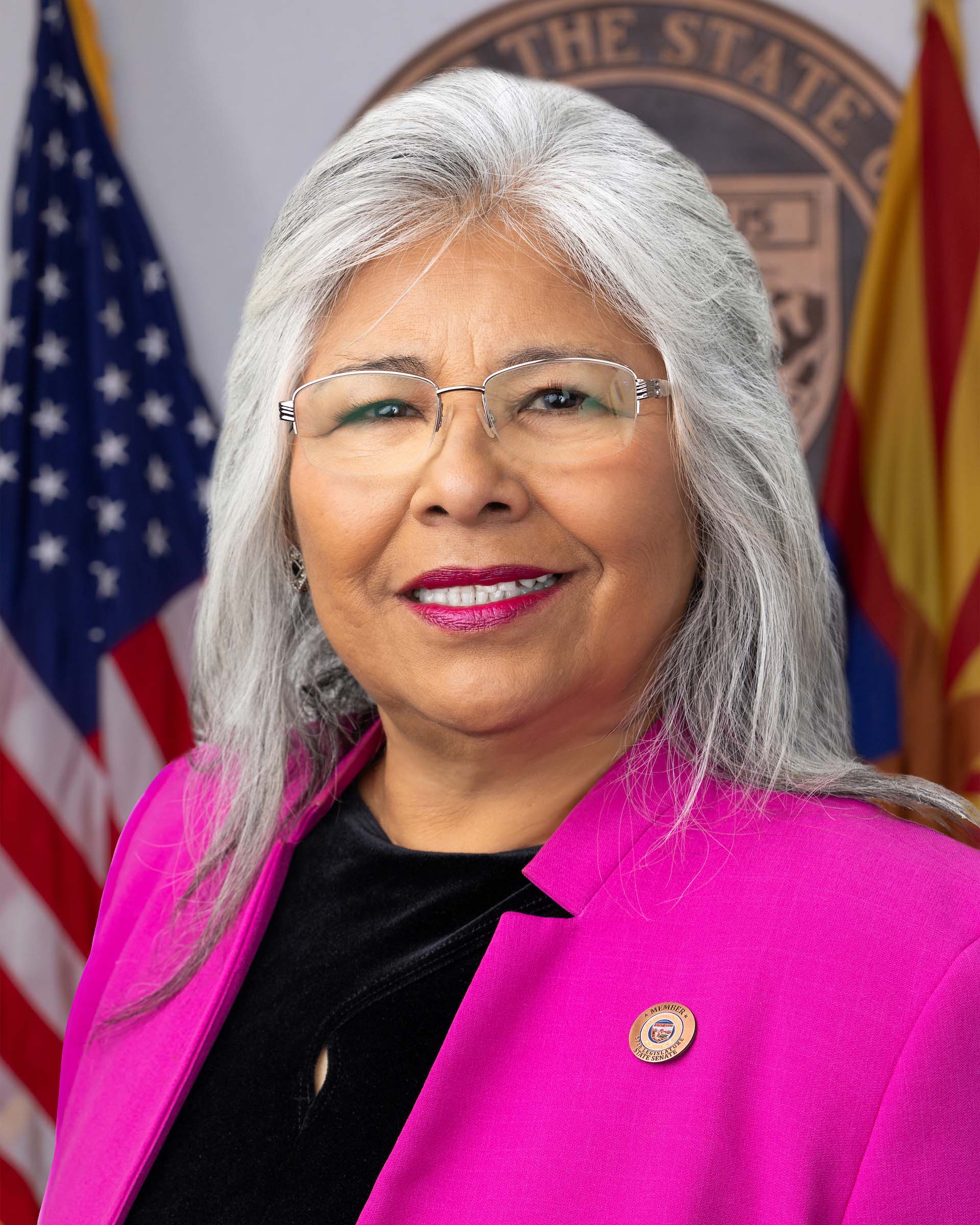
Stephanie Simacek
74% support rate
Top opponent
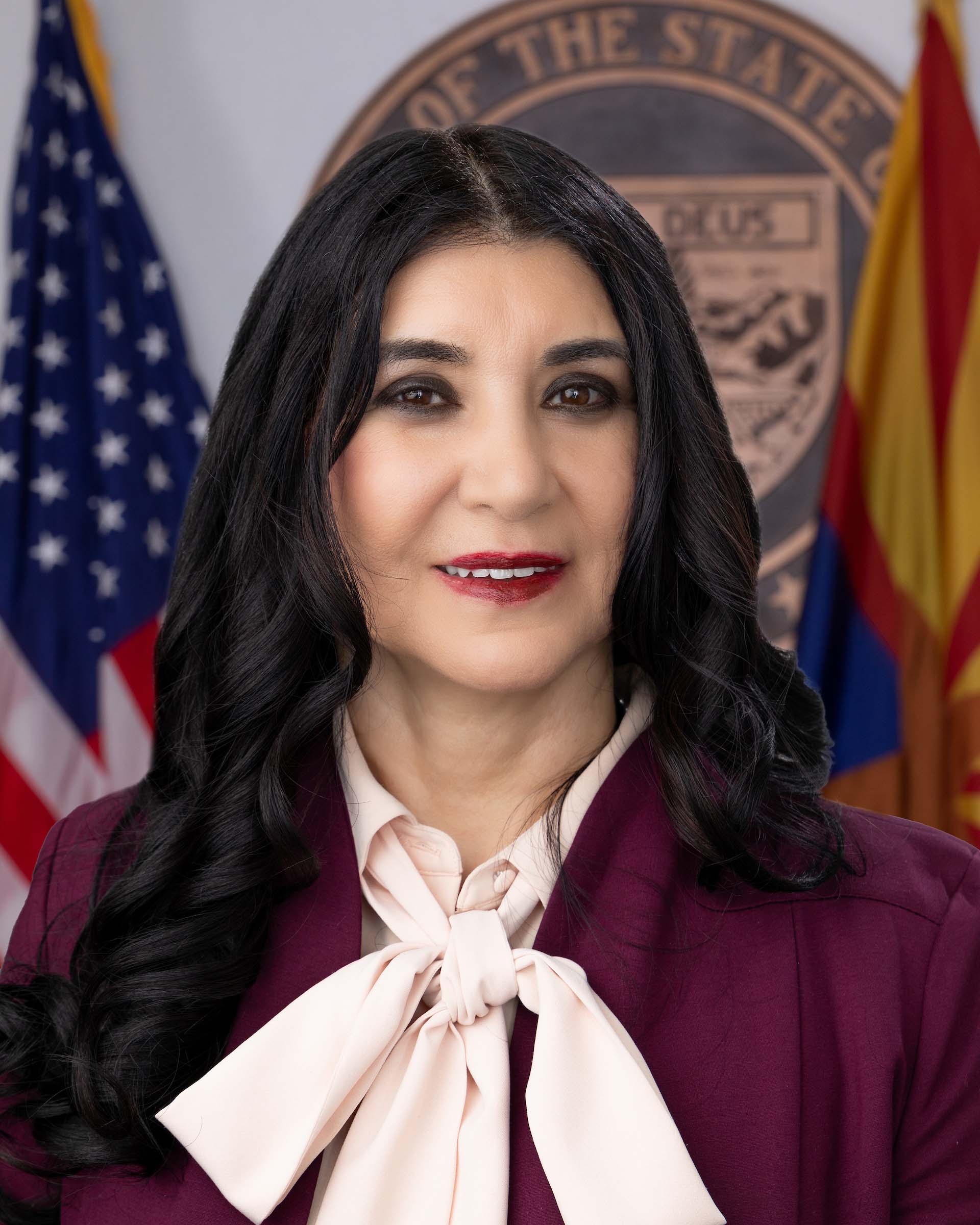
Lupe Diaz
40% support rate
Ranked legislators
10
5 support · 5 oppose
Key legislators

Who's moving criminal justice in Arizona

Legislators moving criminal justice in Arizona
Legislator Party Stance Support rate Votes
Stephanie Simacek
Stephanie Simacek House · District 2
D
Support
74% 166
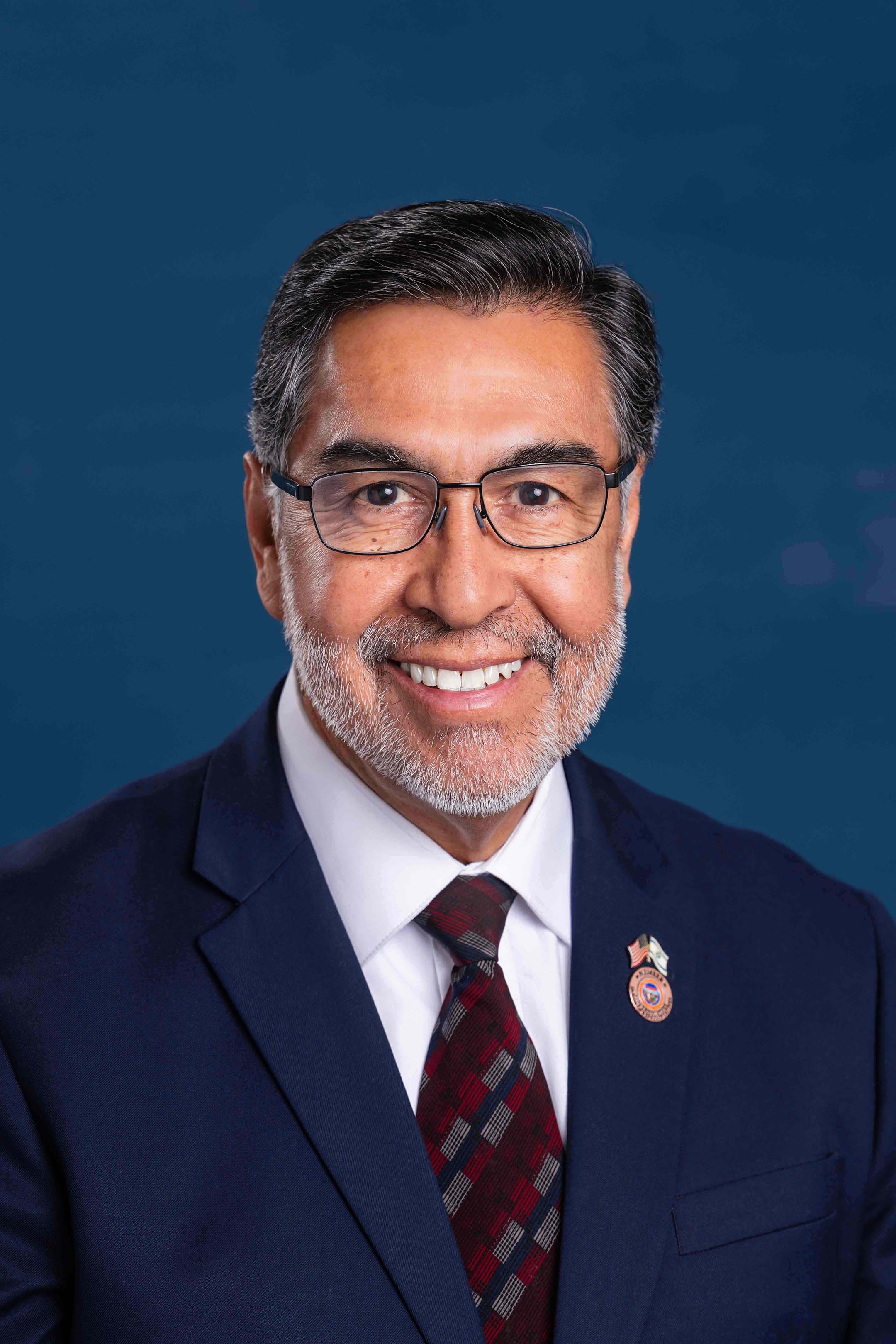
Lydia Hernandez
Lydia Hernandez House · District 24
D
Support
73% 178
Seth Blattman
Seth Blattman House · District 9
D
Support
71% 47
Nancy Gutierrez
Nancy Gutierrez House · District 18
D
Support
71% 126
Patty Contreras
Patty Contreras House · District 12
D
Support
71% 182
Lupe Diaz
Lupe Diaz House · District 19
R
Oppose
40% 191
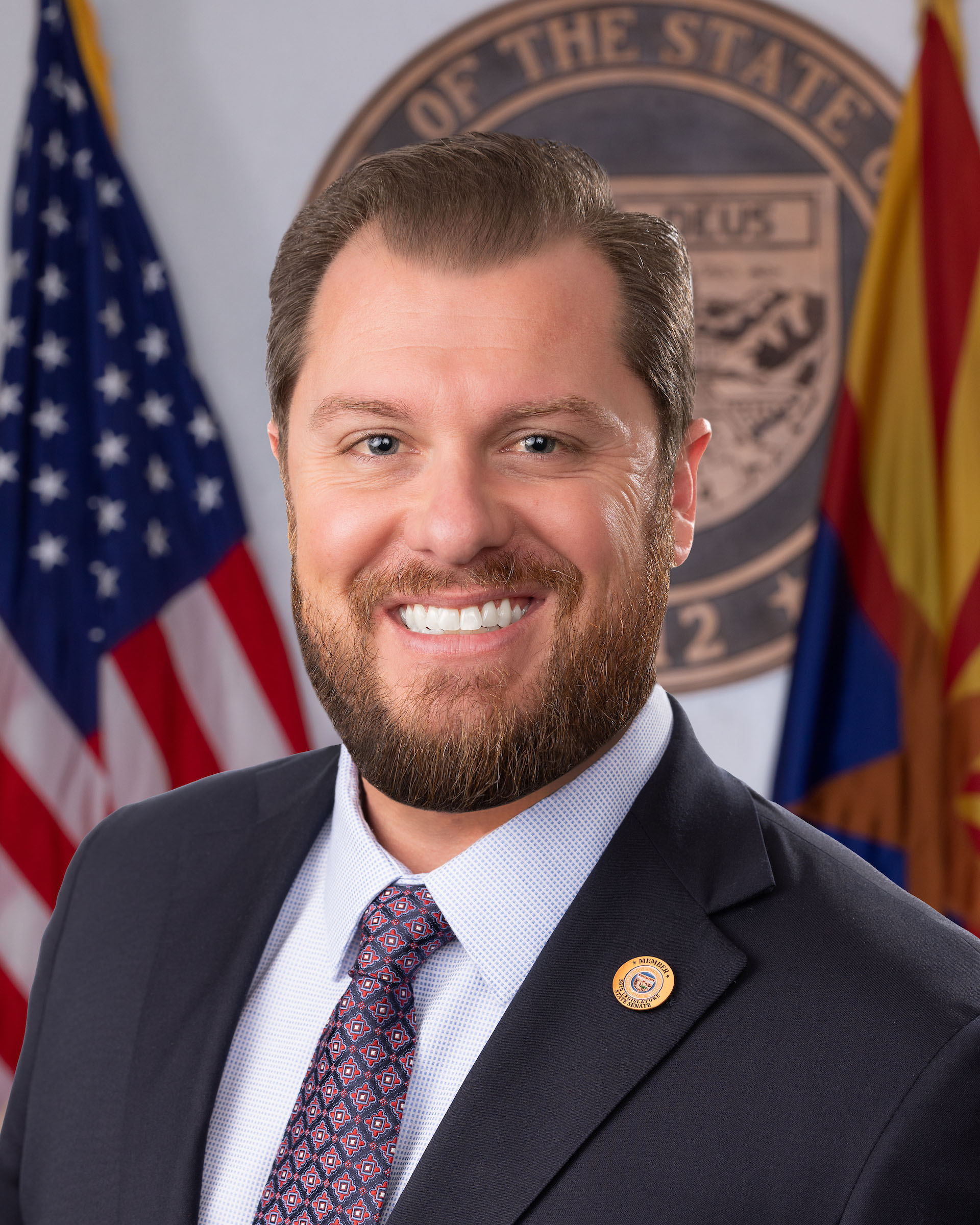
Jake Hoffman
Jake Hoffman Senate · District 15
R
Mixed −
41% 199
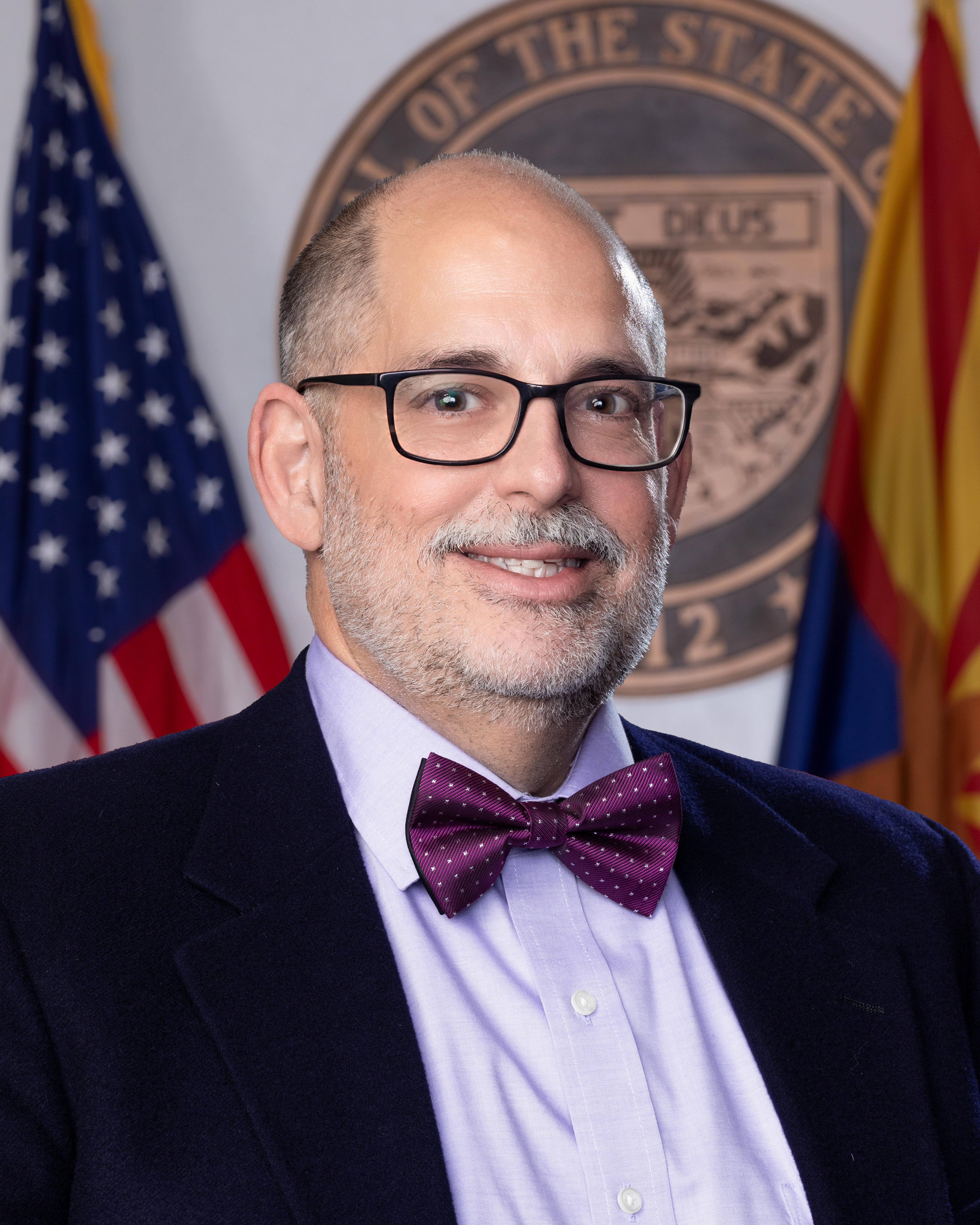
David Livingston
David Livingston House · District 28
R
Mixed −
42% 170
Sally Gonzales
Sally Gonzales Senate · District 20
D
Mixed −
43% 203
Eva Diaz
Eva Diaz Senate · District 22
D
Mixed −
43% 146
Showing 61–70 of 149 bills

All criminal justice bills

introduced · Arizona · House Jan 28, 2026

HB 2677: places of worship; unlawful imprisonment

HB 2677 amends Arizona law to specifically prohibit preventing someone from entering or exiting a place of worship through physical blocking, detention, or force/threats. This directly affects individuals or entities who obstruct access to religious sites, such as security personnel or others blocking entrances. The bill classifies this act as a class 6 felony (unless the victim is safely released before arrest, making it a misdemeanor), adding it as a specific scenario under unlawful imprisonment. It defines "place of worship" per existing law and clarifies that this provision applies to the specific act of hindering religious access.
passed · Arizona · Senate Mar 25, 2026

SB 1584: appropriation; DOC; recruitment; retention

SB 1584 allocates $1,000,000 from Arizona's general fund for the state Department of Corrections (DOC) during fiscal year 2026-2027 specifically for recruitment and training programs. This funding directly supports the DOC in hiring and training correctional staff. The bill is procedural, focusing solely on budget allocation without altering policies or creating new requirements. It has advanced to the Senate for further consideration.
vetoed · Arizona · Senate Jun 19, 2026

SB 1476: child neglect; prenatal substance exposure

SB 1476 modifies Arizona law to address child neglect cases involving prenatal substance exposure. It creates an affirmative defense for mothers who completed alcohol or drug treatment during pregnancy, preventing them from being charged with child neglect for that specific conduct. The bill specifies that child neglect related to untreated prenatal substance use remains a class 6 felony, but the defense applies if treatment was completed. This directly affects mothers facing neglect charges due to substance use during pregnancy who have accessed treatment services. The policy change shifts legal consequences for a defined subset of cases without altering general neglect definitions.
signed · Arizona · House Jun 4, 2026

HB 2557: candidate petitions; felony disclosure

HB 2557 amends Arizona law to allow individuals convicted of certain offenses to petition courts to seal their criminal records after meeting specific requirements. It directly affects people with felony or misdemeanor convictions who have completed sentences, paid all fines/restitution, and waited set periods (e.g., 10 years for serious felonies, 5 years for less serious ones). Key mechanisms include mandatory victim notification, court review for public safety, and restrictions on how sealed records may be used (e.g., still admissible in future criminal cases). The bill does not change eligibility for voting or candidacy, despite its misleading title, and focuses solely on record sealing procedures.
Sub-Topics Courts Victims' Rights
introduced · Arizona · House Jan 28, 2026

HB 2922: obstructing criminal investigations; homeowner exemption

HB 2922 amends Arizona law to exempt homeowners from obstruction charges when refusing police entry to their residential property. Specifically, it removes the criminal penalty for a residential property owner who declines to open a door to a peace officer seeking entry. The bill does not affect commercial properties or alter police authority to obtain warrants for searches. This change directly impacts homeowners who may refuse entry during routine police inquiries without facing felony charges under the obstruction statute.
passed · Arizona · Senate Mar 23, 2026

SB 1239: sex offenders; statute of limitations

SB 1239 removes the statute of limitations for specific serious sex offenses and related crimes in Arizona, meaning prosecutors can file charges at any time, regardless of how long ago the offense occurred. This directly affects individuals accused of violent sexual assaults under Section 13-1423 or violations of Sections 13-2308.01, 13-2308.03, 13-3212, or 13-3824. The bill amends Arizona Revised Statutes Section 13-107 to place these offenses in a category with no time limit for prosecution, while maintaining standard time limits (7 years for class 2-6 felonies, 1 year for misdemeanors) for other crimes. The change does not alter existing penalties but expands the window for prosecution of these specific offenses.
passed · Arizona · House Mar 31, 2026

HB 2416: appropriation; DPS; local border support

HB 2416 appropriates $20 million from Arizona's state general fund for the Department of Public Safety (DPS) in fiscal year 2026-2027 to support local border operations. It directly funds local law enforcement officer positions focused on stopping drug trafficking, human smuggling, and illegal immigration, provides grants to cities/towns/counties for prosecuting and detaining individuals charged with these border crimes, and covers capital equipment costs like vehicles. The bill’s key mechanism is redirecting state funds to enhance local border enforcement capabilities and support prosecution efforts. This funding affects border communities, local law enforcement agencies, and individuals facing charges related to border crimes. The bill does not change existing laws but allocates specific state resources for these purposes.
signed · Arizona · House Apr 7, 2026

HB 2223: name change petition; sex offenders

HB 2223 modifies Arizona's name change law to specifically address individuals required to register as sex offenders. The bill requires applicants to disclose their sex offender registration status and mandates that if approved, they must register under their new name while using their old name as an alias. Applicants must also serve the prosecuting agency with their application, and victims or prosecutors can contest the change for up to one year after court approval. This directly affects sex offenders seeking name changes, ensuring their registration obligations remain active without interruption.
Sub-Topics Courts
signed · Arizona · House Jun 4, 2026

HB 2253: testimony; disciplinary action; prohibition

HB 2253 modifies Arizona's process for law enforcement officers appealing disciplinary actions. It requires employers to share investigation files and witness information within 14 days of an appeal request, prohibits retaliation against witnesses for cooperating, and places the burden of proof on employers to justify disciplinary actions. The bill also mandates public hearings (with limited exceptions), sets 10-day deadlines for transcript delivery, and allows limited changes to hearing officers under specific conditions. These provisions aim to standardize appeal procedures and ensure transparency for officers challenging disciplinary decisions.
Sub-Topics Law Enforcement
introduced · Arizona · House Jan 27, 2026

HB 2844: adult incarceration contracts; services; costs

HB 2844 establishes rules for Arizona's contracts with private companies operating adult correctional facilities, requiring them to provide services at equal or better quality and lower cost than state-run facilities. The bill mandates biennial reviews comparing contractor performance to state operations across 10 areas (like security, inmate programs, and facility safety) and requires cost comparisons every five years to ensure value. It limits annual cost adjustments to inflation, prohibits contractors from making decisions about inmate release dates or disciplinary actions, and requires contractors to provide financial statements, civil rights insurance, and reimburse the state for emergency services. These provisions apply directly to private prison contractors and the Arizona Department of Corrections.
Showing 61 to 70 of 149 bills
Previous 1 6 7 8 15 Next