Issue · Criminal Justice

Criminal Justice (Courts)

Every criminal justice bill, vote, and legislator stance in Arizona, automatically classified by Maddy, our AI policy reader.

Total bills
58
57th Legislature - Second Regular Session
Top supporter
Lydia Hernandez
100% support rate
Top opponent
Mitzi Epstein
30% support rate
Ranked legislators
10
5 support · 5 oppose
Key legislators

Who's moving courts in Arizona

Legislators moving courts in Arizona
Legislator Party Stance Support rate Votes
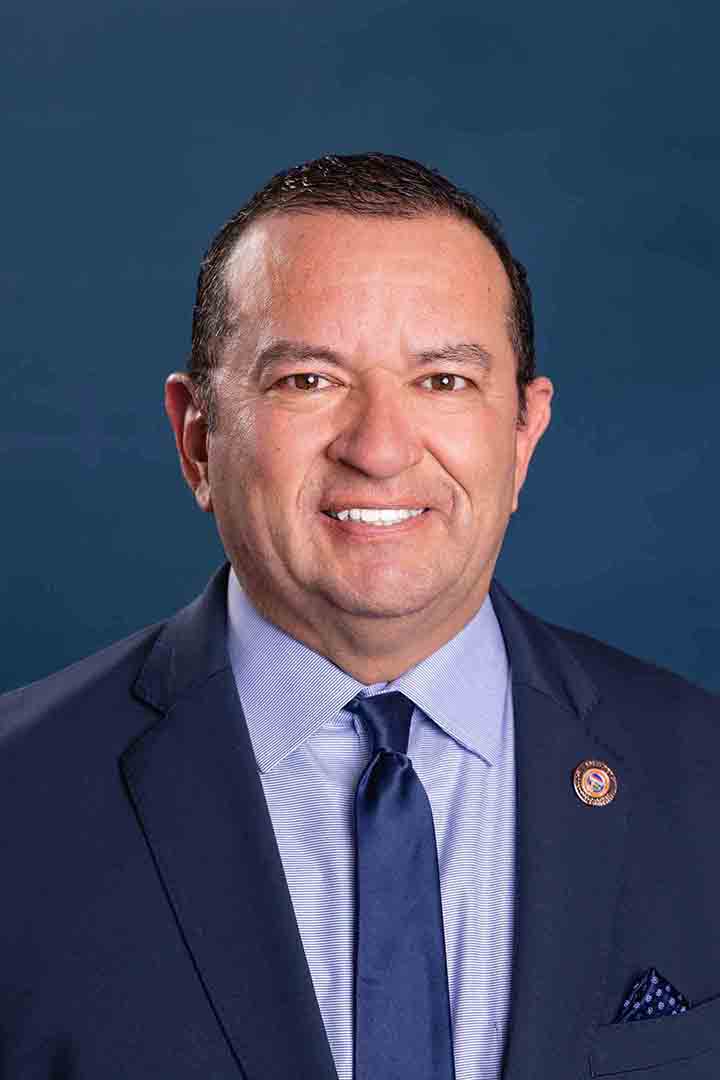
Lydia Hernandez
Lydia Hernandez House · District 24
D
Strong +
100% 11
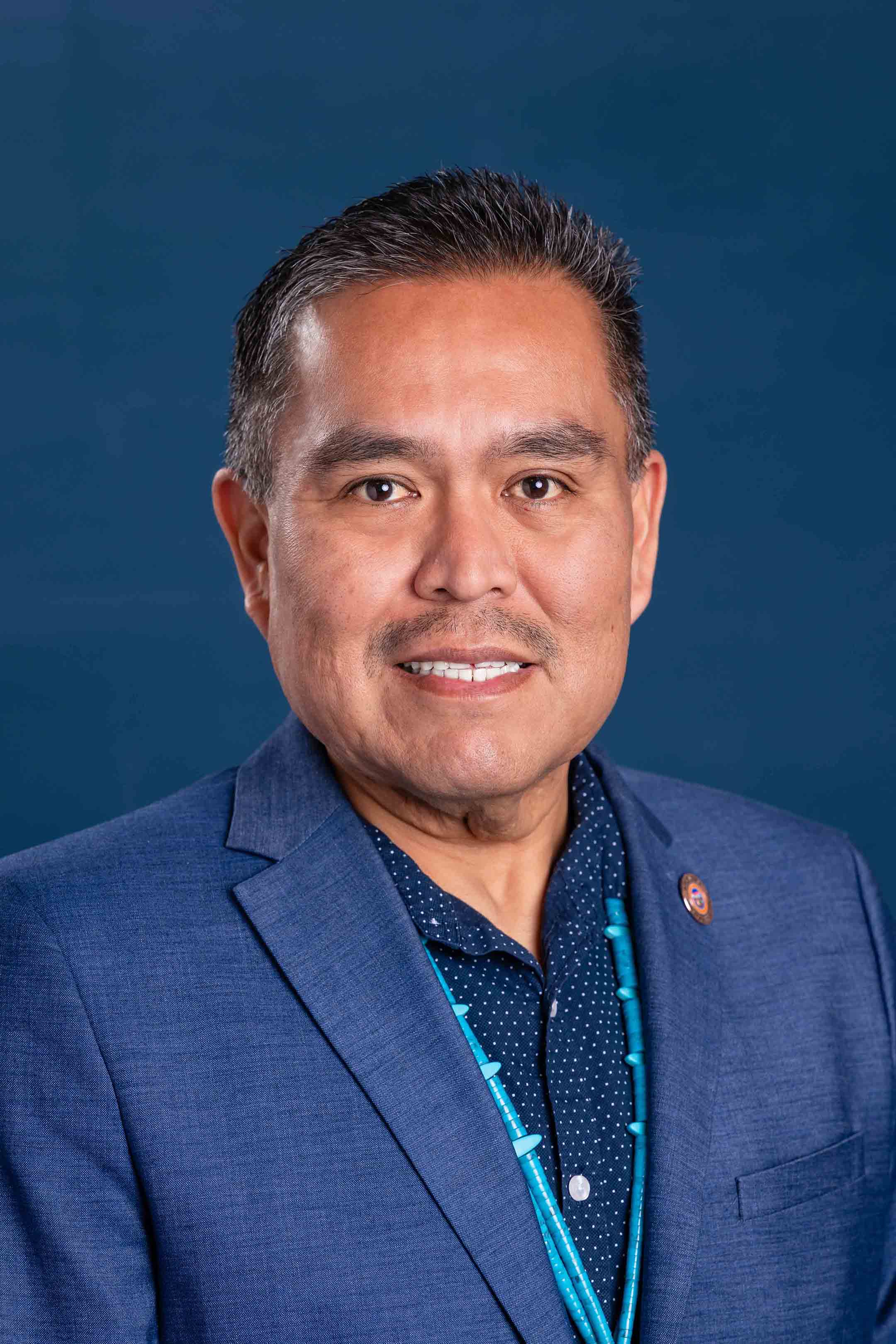
Myron Tsosie
Myron Tsosie House · District 6
D
Strong +
100% 8
Chris Lopez
Chris Lopez House · District 16
R
Strong +
92% 13
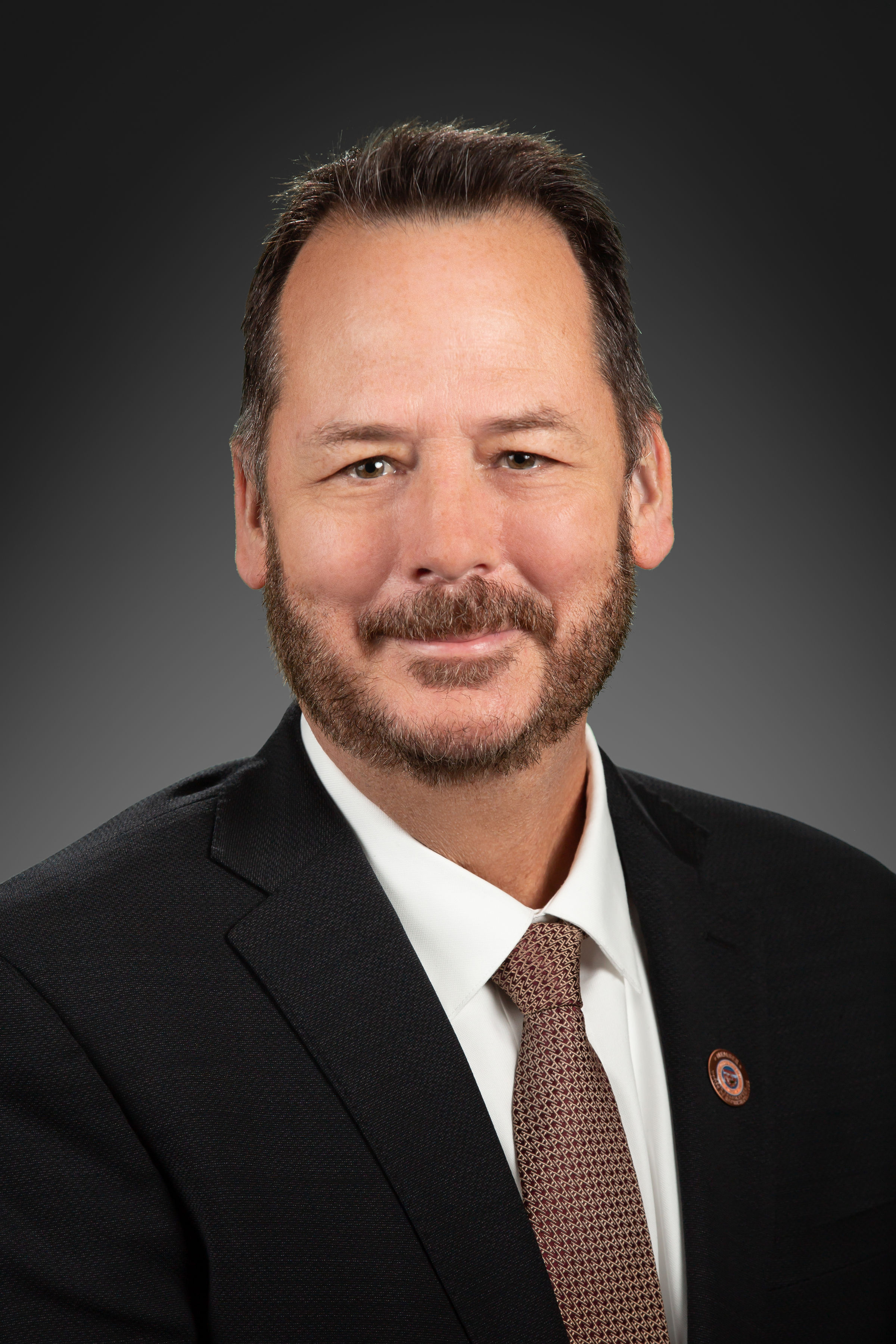
James Taylor
James Taylor House · District 29
R
Strong +
92% 13
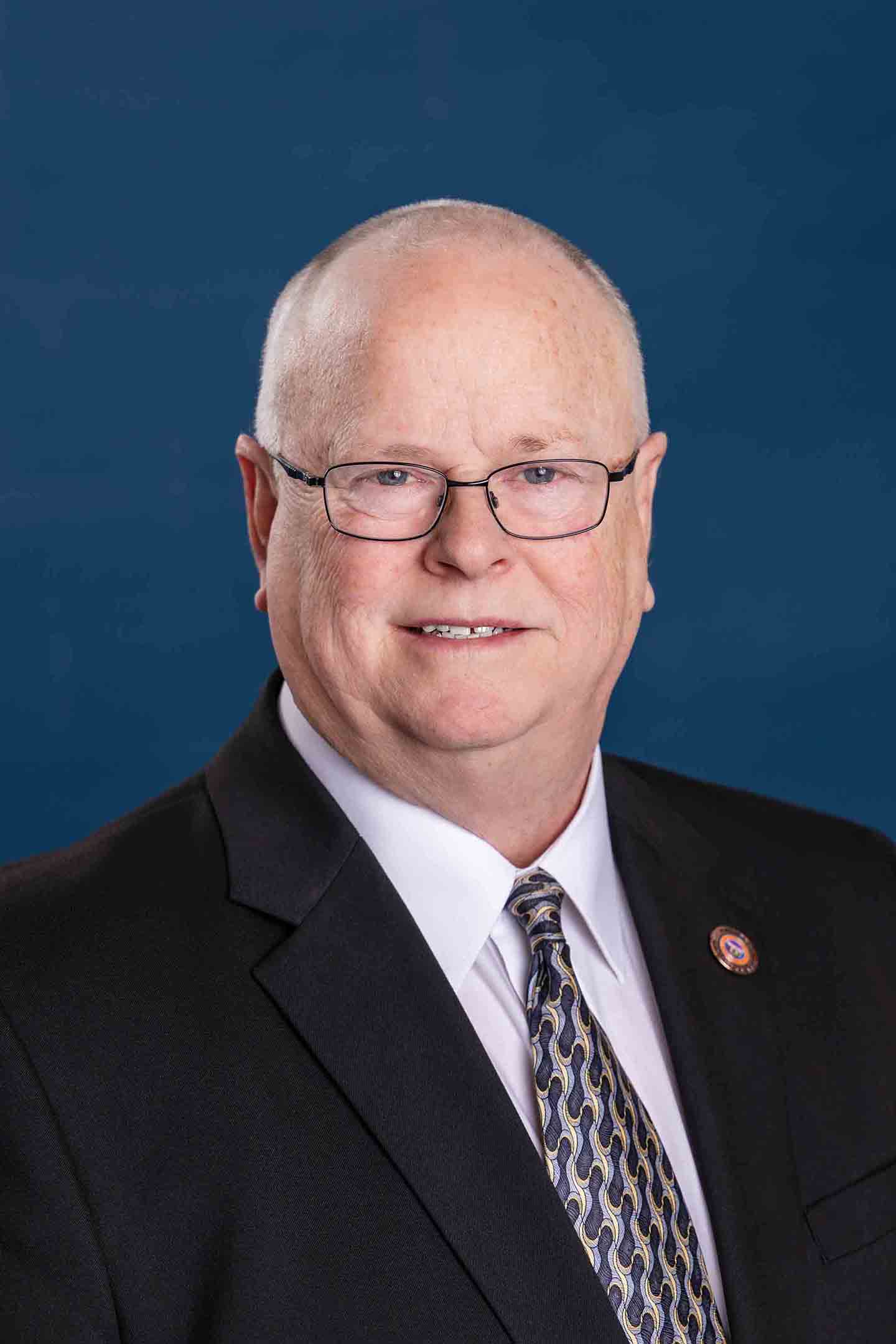
Jeff Weninger
Jeff Weninger House · District 13
R
Strong +
92% 13
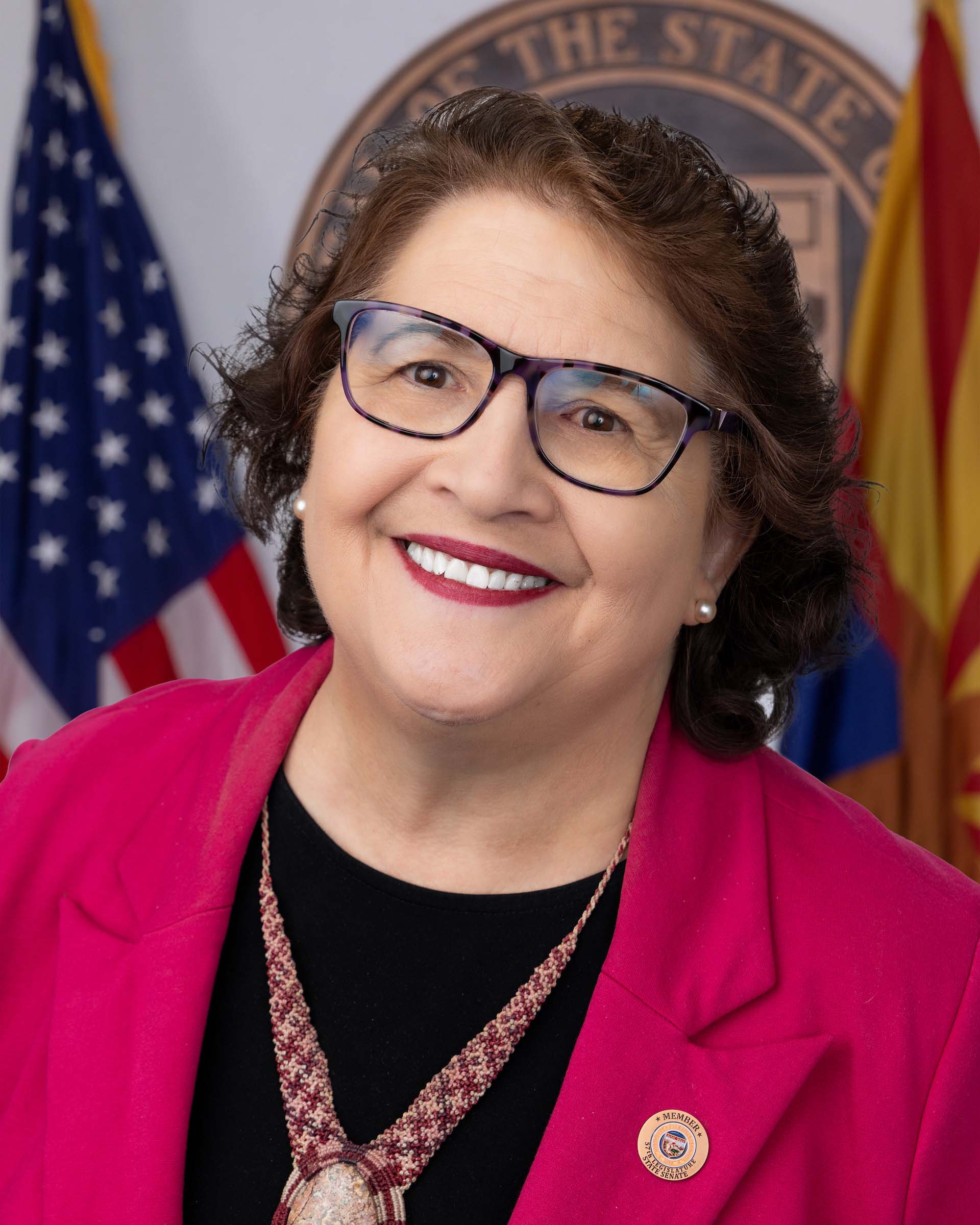
Mitzi Epstein
Mitzi Epstein Senate · District 12
D
Oppose
30% 20
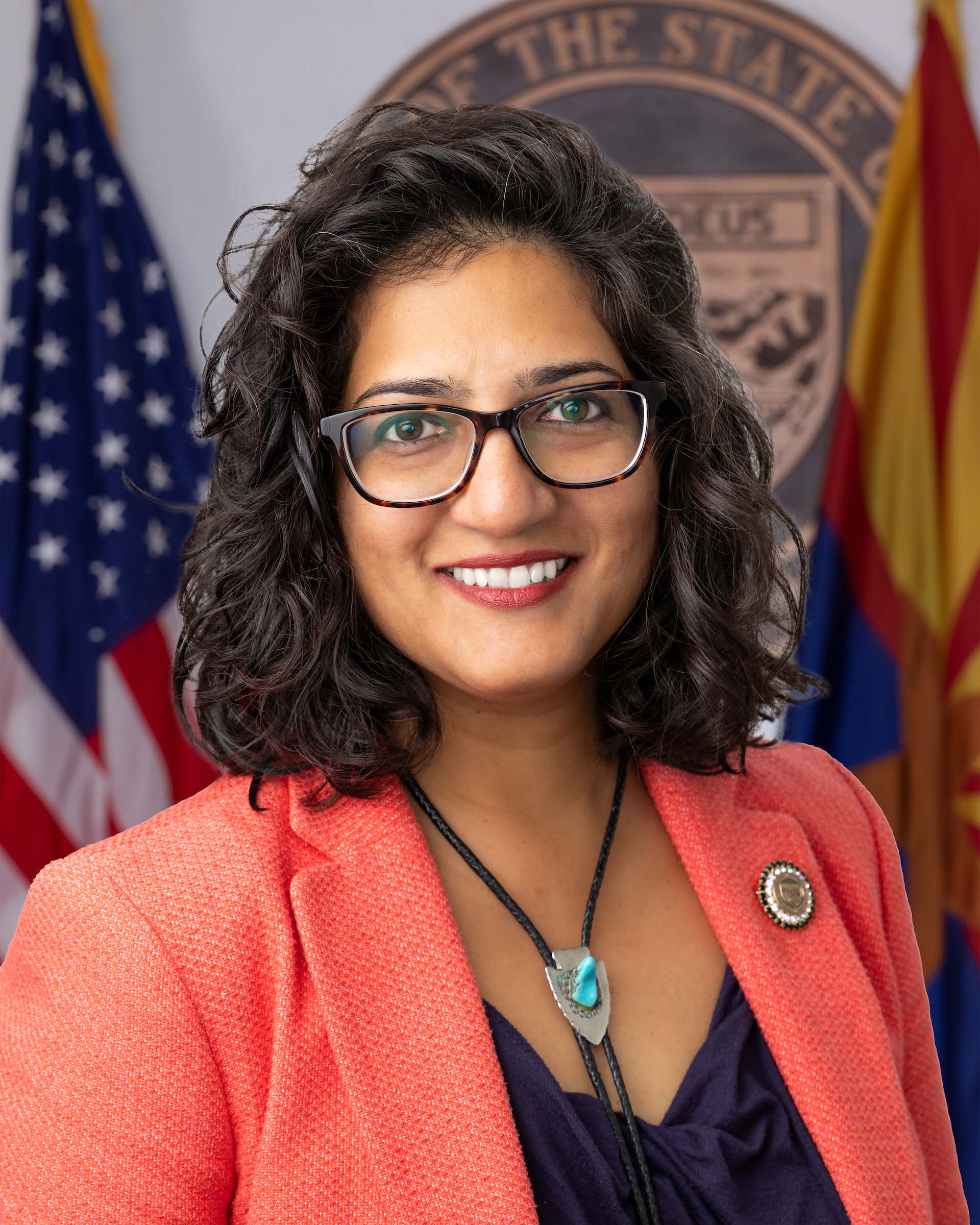
Priya Sundareshan
Priya Sundareshan Senate · District 18
D
Oppose
32% 19
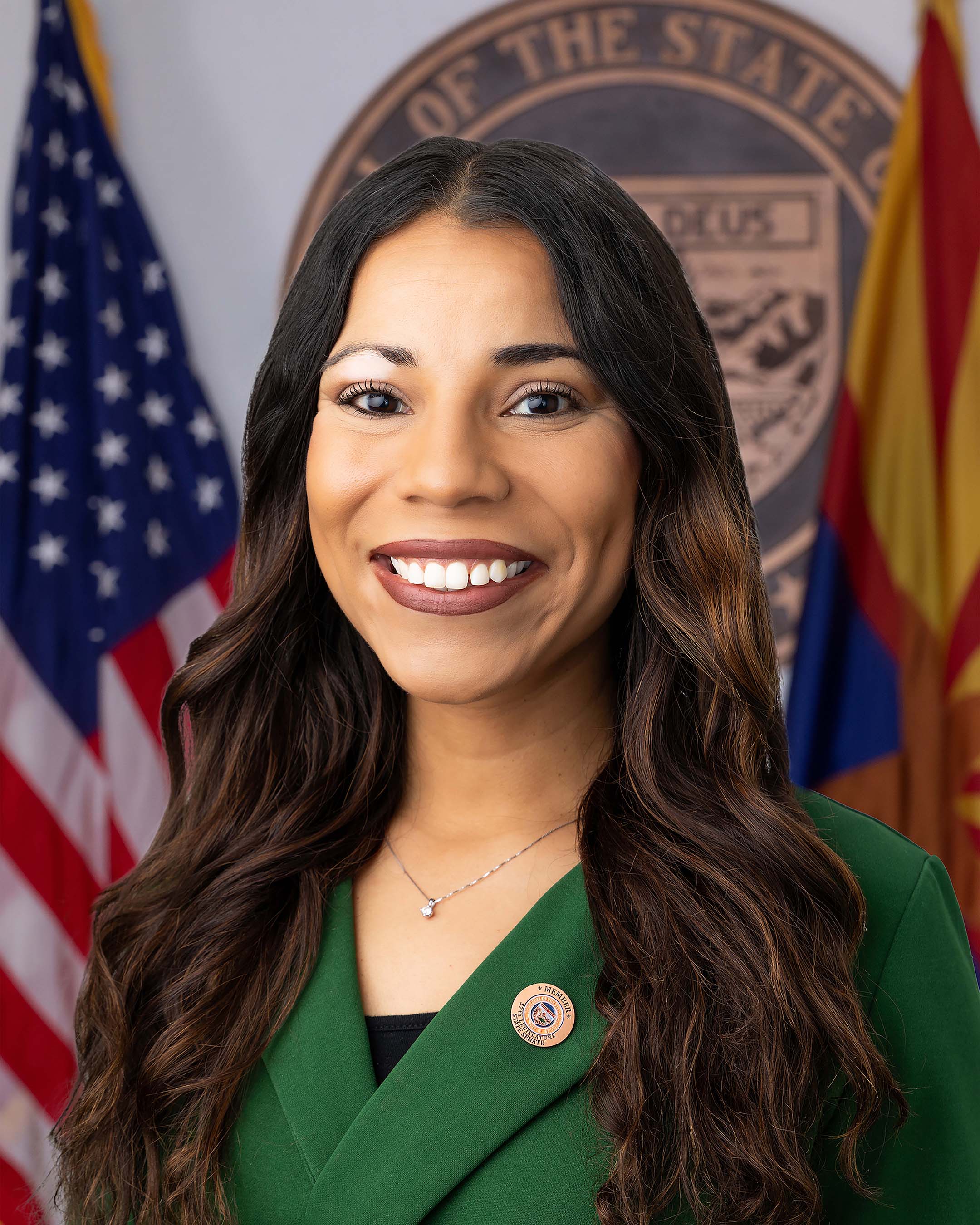
Analise Ortiz
Analise Ortiz Senate · District 24
D
Oppose
35% 20
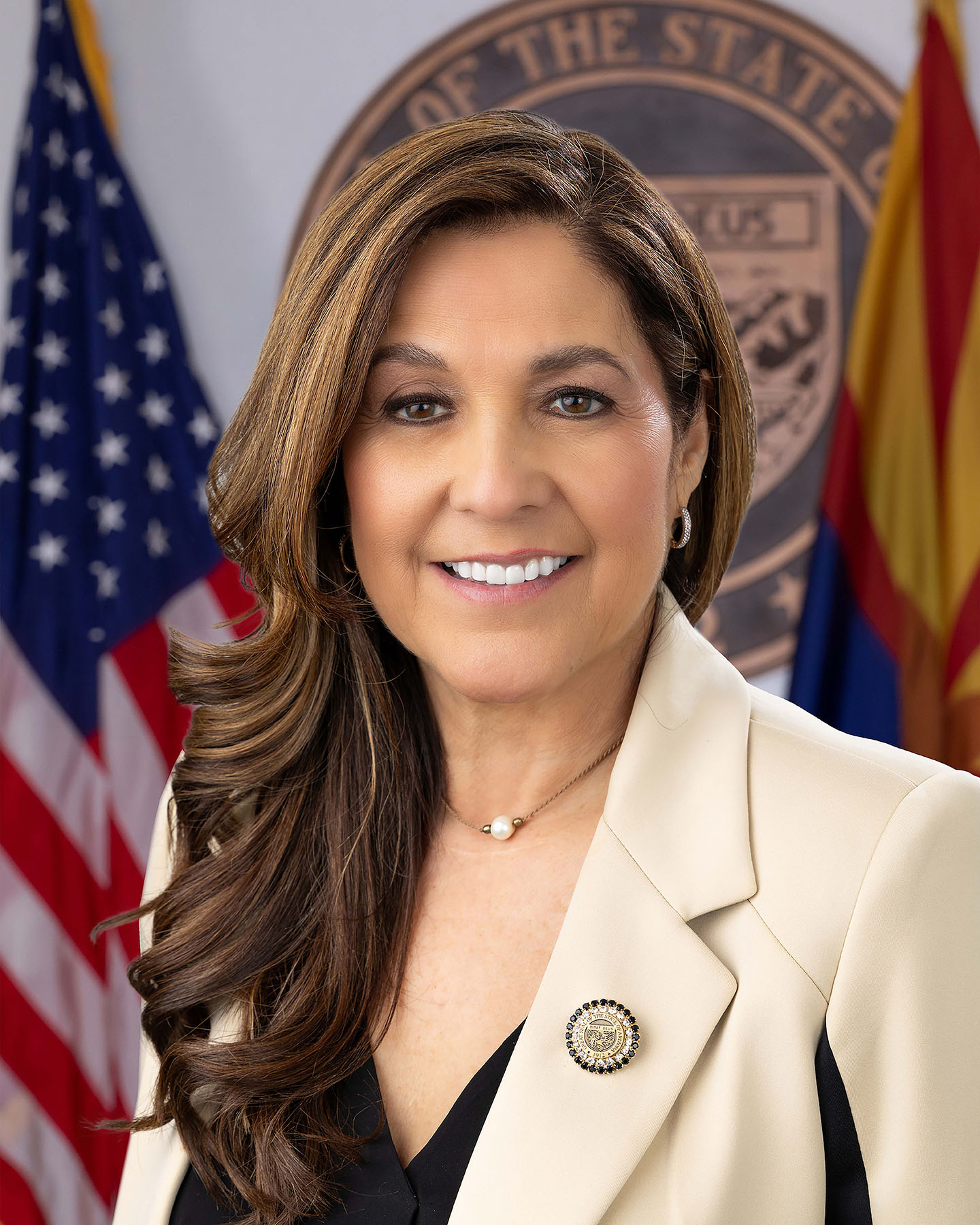
Catherine Miranda
Catherine Miranda Senate · District 11
D
Oppose
35% 20
Lauren Kuby
Lauren Kuby Senate · District 8
D
Oppose
35% 20
Showing 41–50 of 58 bills

All criminal justice bills

introduced · Arizona · Senate Jan 27, 2026

SB 1375: immigration; courts; hospitals; schools; daycares.

SB 1375 protects individuals attending court proceedings from civil arrest while traveling to, at, or leaving court. It covers parties, witnesses, potential witnesses, and specific court companions (like family members, advocates, or translators) at court locations and within 1,000 feet, with violations carrying $10,000 in damages. The bill also requires Arizona hospitals to adopt policies by January 2027 for handling law enforcement interactions, including verifying officer identity, designating waiting areas, and providing patients with privacy notices that allow redaction of immigration status or birthplace information. These provisions apply to all court proceedings and hospital facilities statewide, directly affecting court participants, hospitals, and law enforcement.
Sub-Topics Courts Law Enforcement
vetoed · Arizona · Senate Jun 19, 2026

SB 1326: victims' rights; attorney fees; costs

SB 1326 strengthens victims' rights in Arizona criminal cases by allowing victims to directly enforce their constitutional rights in court without paying filing fees. It gives victims the right to hire their own lawyers (at their expense), recover damages from government entities that violate their rights, and receive court-ordered attorney fees from parties who breach those rights - including fees for free legal aid or pro bono attorneys. The law applies to all pending or new criminal cases after its effective date. This clarifies victims' standing to challenge rights violations and ensures their legal representation is included in relevant court proceedings.
Sub-Topics Courts Victims' Rights
in committee · Arizona · House Jan 28, 2026

HB 2186: identity evidence; civil traffic violations

HB 2186 requires drivers and passengers to provide specific identity evidence during traffic stops when requested by police. Drivers must show a document containing their full name, date of birth, address, physical description (including height, weight, eye/hair color, and sex), and signature, or verbally provide name, DOB, and address if not driving. It amends Arizona law to classify failing to comply with this requirement as a class 2 misdemeanor, with a defense available if a valid driver license is later presented to court. The bill directly affects individuals stopped for traffic violations who cannot produce a driver license. It specifies concrete ID requirements to standardize enforcement during traffic stops.
Sub-Topics Courts Policing
introduced · Arizona · House Jan 21, 2026

HB 2595: appropriation; Coconino county; juvenile services

HB 2595 appropriates $45 million from Arizona's state general fund for fiscal year 2026-2027 to Coconino County through the Attorney General. The funds will directly support constructing a new juvenile court services facility and converting the county's existing juvenile detention center into a detox, sobriety, and crisis recovery center. This bill provides concrete financial resources for physical infrastructure changes within Coconino County's juvenile services system. It does not alter eligibility or service standards but focuses on facility development and repurposing. The bill is currently in early legislative stages, having passed its first two readings.
signed · Arizona · House Jun 19, 2026

HB 2226: processing arrestees; veteran status

HB 2226 requires courts to ask arrestees at their first court hearing if they are U.S. military veterans. If confirmed (via documents like a DD-214), prosecutors must inform veterans about veterans' services and refer them to veterans' courts or treatment programs - unless the person faces serious charges like violent crimes or crimes against children. The bill directly affects veterans arrested for non-serious offenses, creating a pathway to specialized support instead of standard criminal proceedings. It does not change existing criminal penalties but adds a procedural step for veterans' case processing.
signed · Arizona · House Jun 4, 2026

HB 2673: mental illness; prisoners; diagnosis; treatment.

HB 2673 requires Arizona county sheriffs and state correctional facilities to address mental health needs of incarcerated individuals. It mandates that prisoners showing symptoms of mental illness receive a licensed physician examination within 24 hours, ensures continuity of prescribed medications and treatments upon jail entry, and requires screening for prior mental illness diagnoses. For state facilities, it creates a process where prisoners displaying severe mental health symptoms may be transferred to specialized treatment facilities after a court hearing with appointed legal representation. The bill also requires quarterly condition reports from treatment facilities to correctional authorities and courts. This applies directly to prisoners in county jails (for misdemeanor cases) and state correctional facilities.
introduced · Arizona · Senate Feb 4, 2026

SB 1543: felony conviction; sentence completion; designation.

Arizona's SB 1543 allows courts to downgrade certain lower-level felony convictions to class 1 misdemeanors under strict conditions. It applies to individuals convicted of non-violent class 4, 5, or 6 felonies who have no prior felony convictions, no victim involved, completed all court terms (including payments), waited at least five years since conviction with no subsequent offenses, and where the court deems it in the interest of justice. The bill does not automatically change sentences but gives judges discretion to reclassify eligible cases. It directly affects offenders meeting all five specific criteria. The bill is currently in early legislative stages (Senate readings).
Sub-Topics Courts Sentencing
introduced · Arizona · House Jan 27, 2026

HB 2880: immigration; courts; hospitals; schools; daycares

HB 2880 creates protections for individuals attending court proceedings and sets requirements for hospitals regarding law enforcement interactions. Section 11-1052 grants a "privilege from civil arrest" to parties, witnesses, and court companions (including family members, advocates, or translators) while traveling to, at, or leaving court - covering courthouse premises and surrounding areas - but excludes criminal arrests. Section 11-1053 requires hospitals to adopt policies by January 1, 2027, including verifying law enforcement identity, designating waiting areas, and providing patients with privacy notices that allow redaction of immigration status, birthplace, or documents like passports. The bill directly affects court attendees, hospital staff, and law enforcement agencies interacting with patients. It does not address schools or daycares, despite the bill title.
introduced · Arizona · House Jan 26, 2026

HB 2865: prohibited possessor; definition

HB 2865, titled "Jordin's Law," clarifies Arizona's definition of a "prohibited possessor" under firearm laws by amending Section 13-3101 of the Arizona Revised Statutes. It specifies who is barred from possessing firearms, including individuals convicted of felonies (with rights not restored), undocumented immigrants (with exceptions for hunters, shooting event participants, or diplomats), people subject to certain court orders (like mental health holds or domestic violence protection orders), and those serving prison terms or probation for violent offenses. The bill also defines "prohibited weapons," such as short-barreled rifles or machine guns, but states these definitions do not override federal law compliance. This is a definitional update to existing law, not a new restriction on firearm access.
signed · Arizona · House Jun 4, 2026

HB 2749: felony conviction; sentence completion; designation

This Arizona bill (HB 2749) allows courts to reclassify certain non-violent felony convictions as misdemeanors under strict conditions. It applies to people convicted of Class 4, 5, or 6 felonies without a victim, who have no prior felony convictions, completed all sentence terms (including fines), waited five years since conviction, and have no subsequent offenses involving victims or felonies. The court must determine the reclassification serves the interest of justice. This change directly affects eligible individuals by potentially reducing their criminal record severity, but only if all five specified conditions are met.
Sub-Topics Courts
Showing 41 to 50 of 58 bills
Previous 1 4 5 6 Next