Issue · Criminal Justice

Criminal Justice

Every criminal justice bill, vote, and legislator stance in Arizona, automatically classified by Maddy, our AI policy reader.

Total bills
63
57th Legislature - Second Regular Session
Top supporter
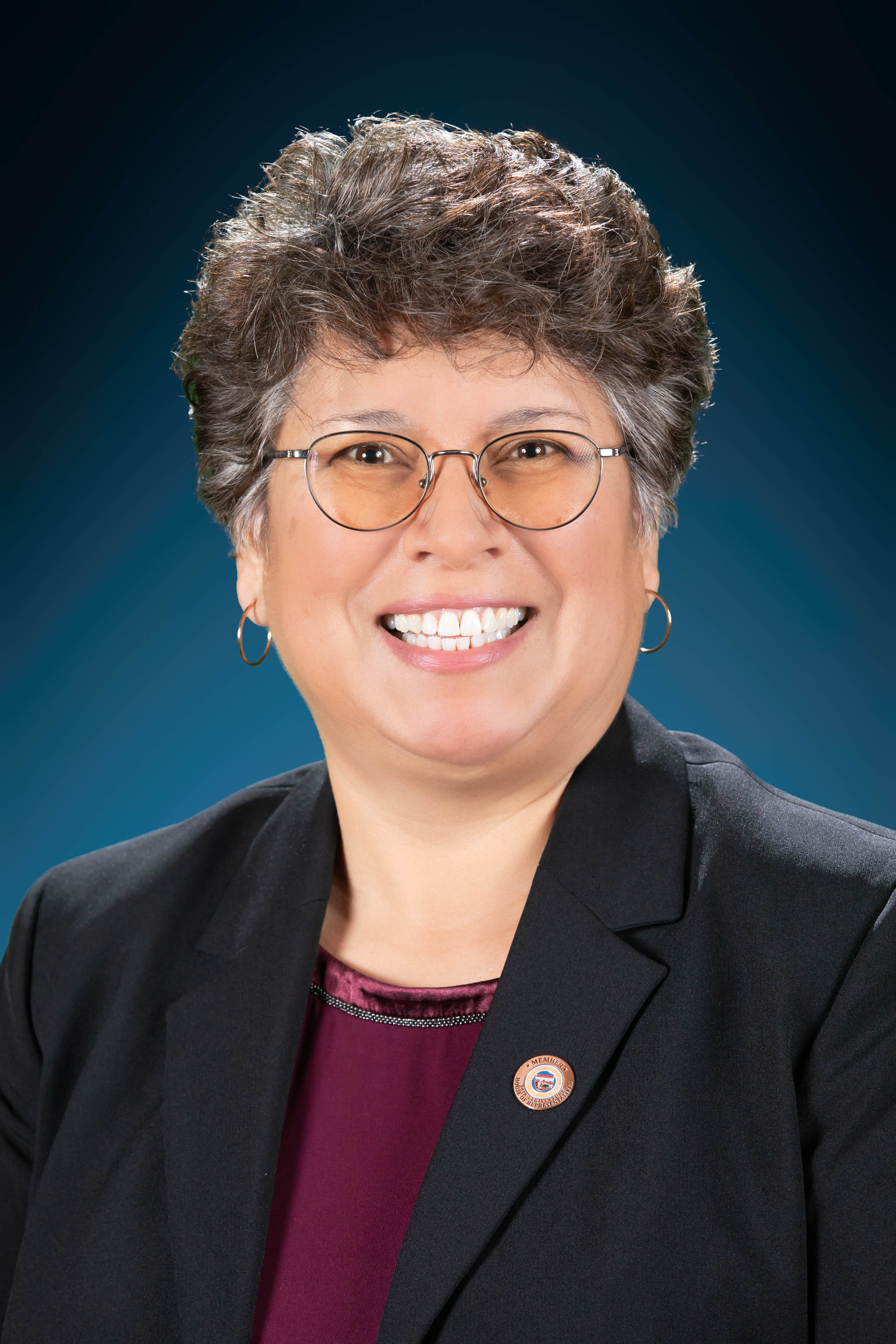
Stephanie Simacek
74% support rate
Top opponent
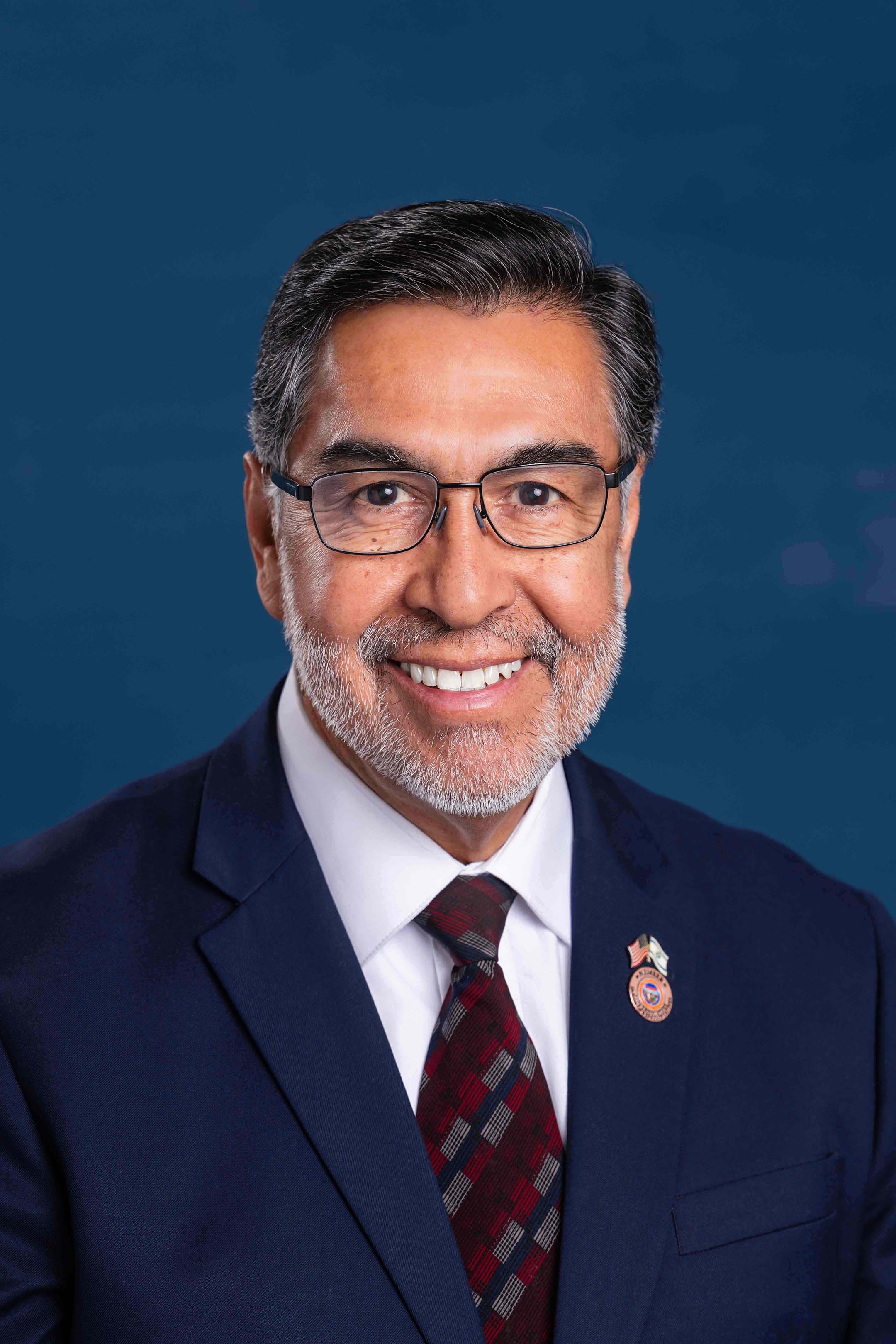
Lupe Diaz
40% support rate
Ranked legislators
10
5 support · 5 oppose
Key legislators

Who's moving criminal justice in Arizona

Legislators moving criminal justice in Arizona
Legislator Party Stance Support rate Votes
Stephanie Simacek
Stephanie Simacek House · District 2
D
Support
74% 166
Lydia Hernandez
Lydia Hernandez House · District 24
D
Support
73% 178
Seth Blattman
Seth Blattman House · District 9
D
Support
71% 47
Nancy Gutierrez
Nancy Gutierrez House · District 18
D
Support
71% 126
Patty Contreras
Patty Contreras House · District 12
D
Support
71% 182
Lupe Diaz
Lupe Diaz House · District 19
R
Oppose
40% 191
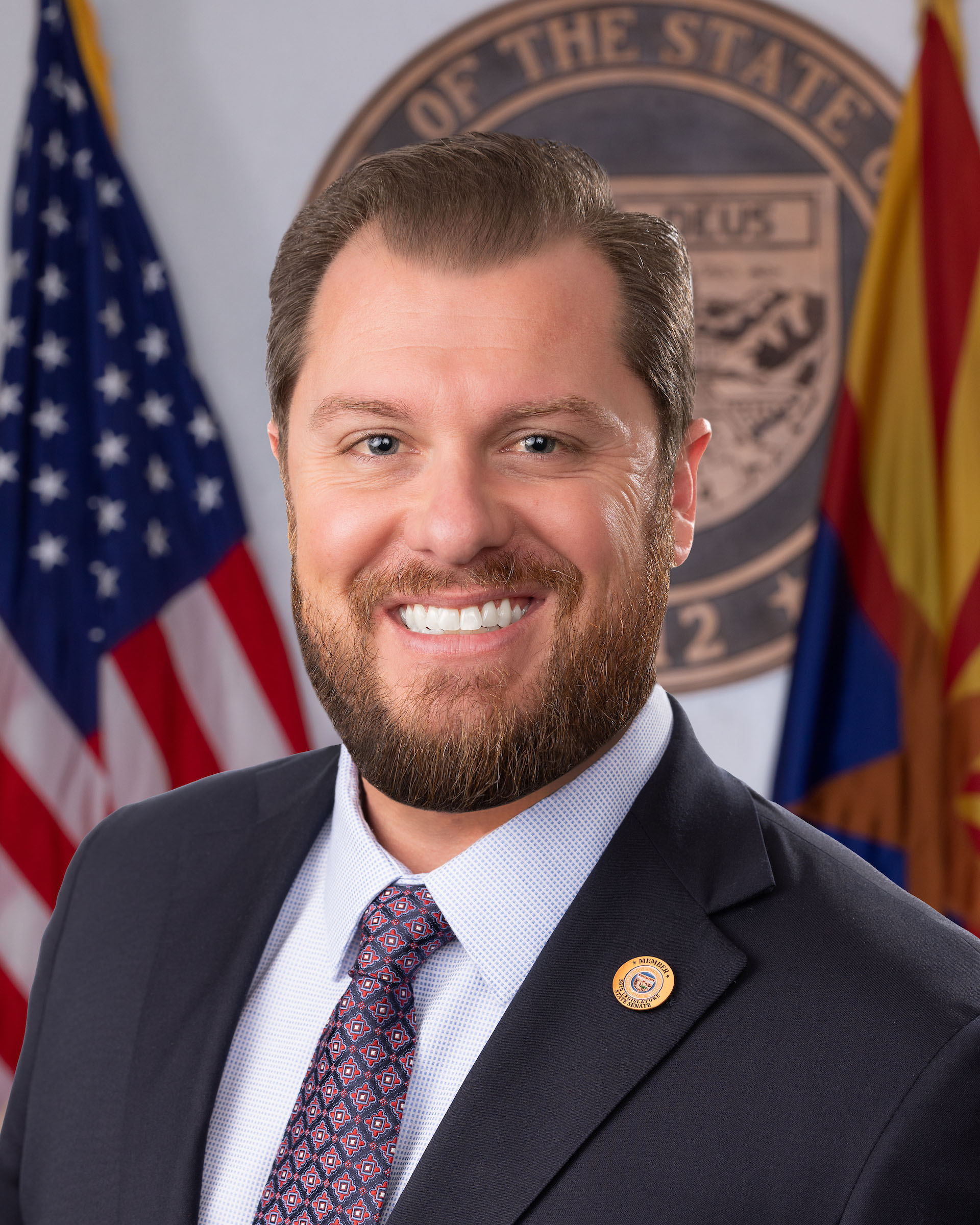
Jake Hoffman
Jake Hoffman Senate · District 15
R
Mixed −
41% 199
David Livingston
David Livingston House · District 28
R
Mixed −
42% 170
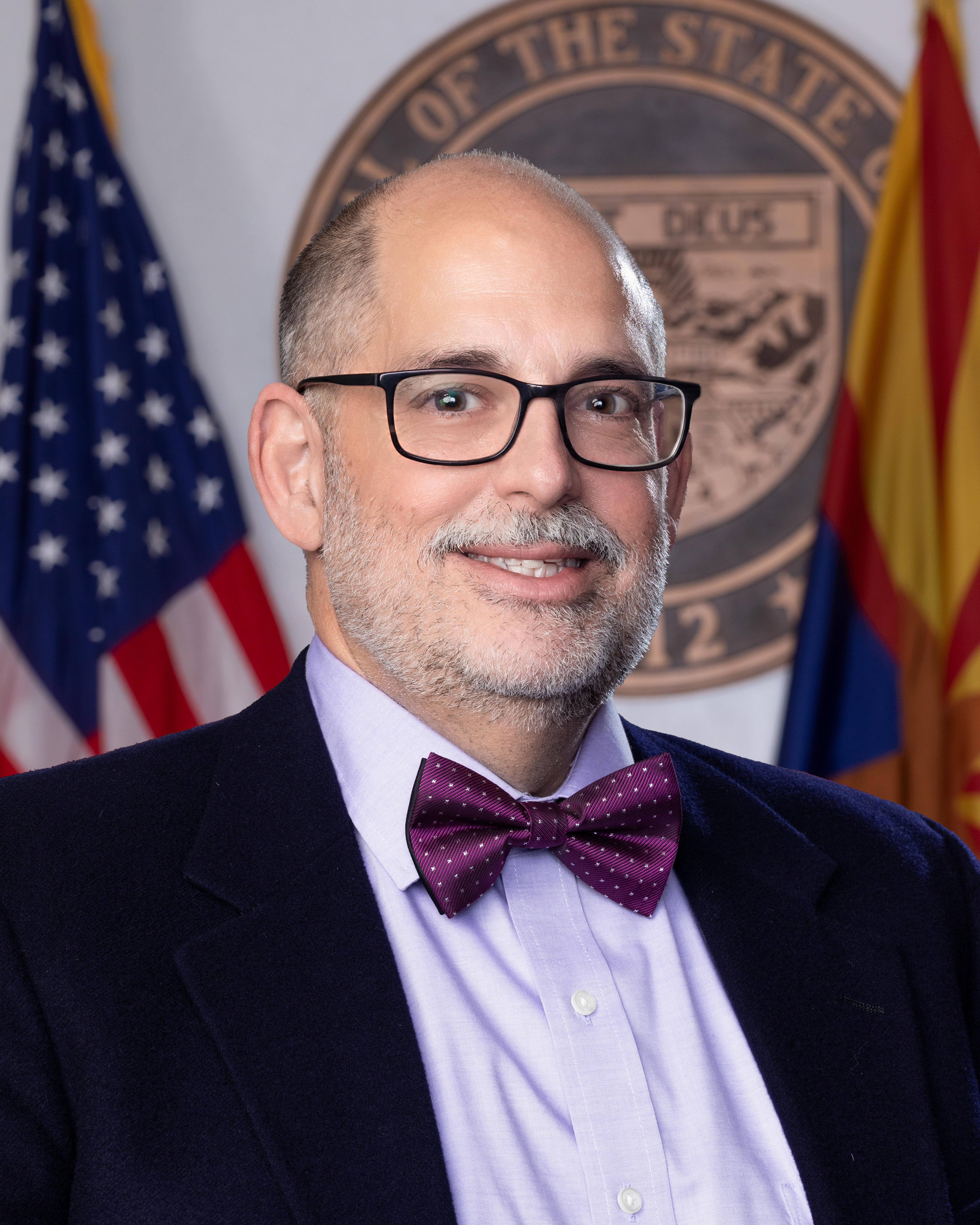
Sally Gonzales
Sally Gonzales Senate · District 20
D
Mixed −
43% 203
Eva Diaz
Eva Diaz Senate · District 22
D
Mixed −
43% 146
Showing 41–50 of 63 bills

All criminal justice bills

failed · Arizona · Senate Jun 12, 2026

SB 1502: unlawful flight; reckless endangerment; violation.

This bill changes Arizona's penalties for drivers who intentionally evade police vehicles. It creates three felony classifications: a Class 5 felony for fleeing marked police cars (or unmarked cars when the driver admits or knew it was police), a Class 4 felony for endangering others while fleeing, and a Class 2 felony for causing serious injury, transporting minors under 15, or having prior traffic violations. The law directly affects drivers who knowingly flee law enforcement, with penalties escalating based on the severity of the situation.
introduced · Arizona · Senate Jan 28, 2026

SB 1444: deportation task force; appropriation

SB 1444 creates a state-funded deportation task force led by sheriffs' associations to coordinate with U.S. Immigration and Customs Enforcement (ICE) on deporting individuals who entered the U.S. illegally and have: (1) a criminal conviction, (2) been alleged to have committed a crime, (3) been detained based on criminal suspicion, or (4) been detained related to a crime. It defines "law enforcement agency" to include municipal police departments and county sheriff's offices. The bill appropriates funds for the task force's establishment and operation in fiscal year 2026-2027, exempting the funding from standard budget lapse rules. This policy directly affects non-citizens with criminal connections who interact with Arizona law enforcement.
in committee · Arizona · House Jan 28, 2026

HB 2186: identity evidence; civil traffic violations

HB 2186 requires drivers and passengers to provide specific identity evidence during traffic stops when requested by police. Drivers must show a document containing their full name, date of birth, address, physical description (including height, weight, eye/hair color, and sex), and signature, or verbally provide name, DOB, and address if not driving. It amends Arizona law to classify failing to comply with this requirement as a class 2 misdemeanor, with a defense available if a valid driver license is later presented to court. The bill directly affects individuals stopped for traffic violations who cannot produce a driver license. It specifies concrete ID requirements to standardize enforcement during traffic stops.
Sub-Topics Courts Policing
introduced · Arizona · House Jan 21, 2026

HB 2498: aggravated driving; suspended; revoked; license

HB 2498 creates a new Class 5 felony for driving with a suspended, revoked, or canceled license when a person has five or more prior separate violations of this offense within 84 months (7 years). It directly affects individuals with repeated violations of Arizona's driving suspension laws, imposing a mandatory minimum 4-month prison sentence with no probation, suspension, or early release. The law applies only to offenses occurring on or after January 1, 2019, and counts multiple violations from the same incident as a single offense for the five-violation threshold. This bill does not change penalties for first-time or fewer violations, which remain misdemeanors under existing law.
passed · Arizona · House Mar 3, 2026

HB 2175: crimes; hostility towards victims; sentencing

Arizona's HB 2175 increases prison sentences for certain crimes committed "out of hostility toward a victim because of the victim's identity in a protected group" (as defined in state law). It applies to offenses like assault (Section 13-1203), criminal damage (Section 13-1602), and other felonies listed in the bill. If convicted under these circumstances, defendants face a 3- to 5-year sentence increase (depending on felony class) and cannot receive probation, suspended sentences, or early release until the full term is served. The law explicitly states it does not restrict constitutional free speech rights.
passed · Arizona · House Mar 16, 2026

HB 2205: criminal damage; trespassing; critical facilities

HB 2205 amends Arizona law to increase penalties for damaging specific protected locations, directly affecting property owners and individuals who damage these sites. It classifies aggravated criminal damage when property is defaced, damaged, or tampered with at places of worship, schools, cemeteries, or utility/infrastructure sites (e.g., for metal theft), with penalties escalating based on damage amount ($1,500-$10,000+) and location type. For instance, damaging a school with $10,000+ in damage becomes a class 4 felony, while similar damage to utility infrastructure is a class 3 felony. The bill defines "damage" to include repair costs, lost services, and abatement expenses, making it a criminal offense with felony classifications.
failed · Arizona · Senate Jun 11, 2026

SB 1093: riot; planning; participation; racketeering

SB 1093 amends Arizona's conspiracy statute (A.R.S. § 13-1003) and defines key terms for extortion and criminal activity (A.R.S. § 13-2301). It clarifies that conspiracy to commit a class 1 felony carries a life sentence without parole for 25 years, expands conspiracy liability when co-conspirators collaborate with others, and adds definitions like "extortionate extension of credit" (involving threats of violence for debt repayment) and "animal or ecological terrorism" (requiring property damage over $10,000 and three-person coordination). The bill directly affects individuals accused of conspiracy, extortion, or property crimes involving animal facilities. It is a procedural statute updating legal definitions and penalties, not a new policy on public order or riots.
Sub-Topics Probation & Parole
introduced · Arizona · House Jan 26, 2026

HB 2865: prohibited possessor; definition

HB 2865, titled "Jordin's Law," clarifies Arizona's definition of a "prohibited possessor" under firearm laws by amending Section 13-3101 of the Arizona Revised Statutes. It specifies who is barred from possessing firearms, including individuals convicted of felonies (with rights not restored), undocumented immigrants (with exceptions for hunters, shooting event participants, or diplomats), people subject to certain court orders (like mental health holds or domestic violence protection orders), and those serving prison terms or probation for violent offenses. The bill also defines "prohibited weapons," such as short-barreled rifles or machine guns, but states these definitions do not override federal law compliance. This is a definitional update to existing law, not a new restriction on firearm access.
introduced · Arizona · Senate Jan 21, 2026

SB 1109: transition program; eligibility; dangerous offenses

SB 1109 modifies Arizona's prison transition program by establishing strict eligibility requirements for inmates seeking community-based services after release. It bars individuals convicted of sexual offenses, certain dangerous or violent crimes (with limited exceptions for assault, aggravated assault, or robbery), or those with felony detainers, recent major rule violations, or unmet programming progress. The program must provide up to 90 days of community services - including counseling, job placement, and substance abuse treatment - and requires notifying victims of potential early release with a 20-day objection window. The state department must annually report recidivism rates, participant numbers, and service types to the governor and legislature by July 31.
passed · Arizona · House Mar 26, 2026

HB 2870: residence of sex offenders; regulation

Arizona's HB 2870 prohibits individuals convicted of "dangerous crimes against children" (classified as level 3 sex offenders under Arizona law) from living within 1,000 feet of schools (K-8 or 9-12), child care facilities, or their former victim's residence. Exceptions include those living there before a school opened, minors, people on probation, or those with written victim consent. Violations are punishable as a class 1 misdemeanor for first offenses and a class 6 felony for repeat offenses involving victims. The bill also prevents cities or counties from enacting stricter distance restrictions than the state law.
Sub-Topics Probation & Parole
Showing 41 to 50 of 63 bills
Previous 1 4 5 6 7 Next