Issue · Criminal Justice

Criminal Justice (Law Enforcement)

Every criminal justice bill, vote, and legislator stance in Arizona, automatically classified by Maddy, our AI policy reader.

Total bills
43
57th Legislature - Second Regular Session
Top supporter
Wendy Rogers
78% support rate
Top opponent
Analise Ortiz
30% support rate
Ranked legislators
10
5 support · 5 oppose
Key legislators

Who's moving law enforcement in Arizona

Legislators moving law enforcement in Arizona
Legislator Party Stance Support rate Decisive votes
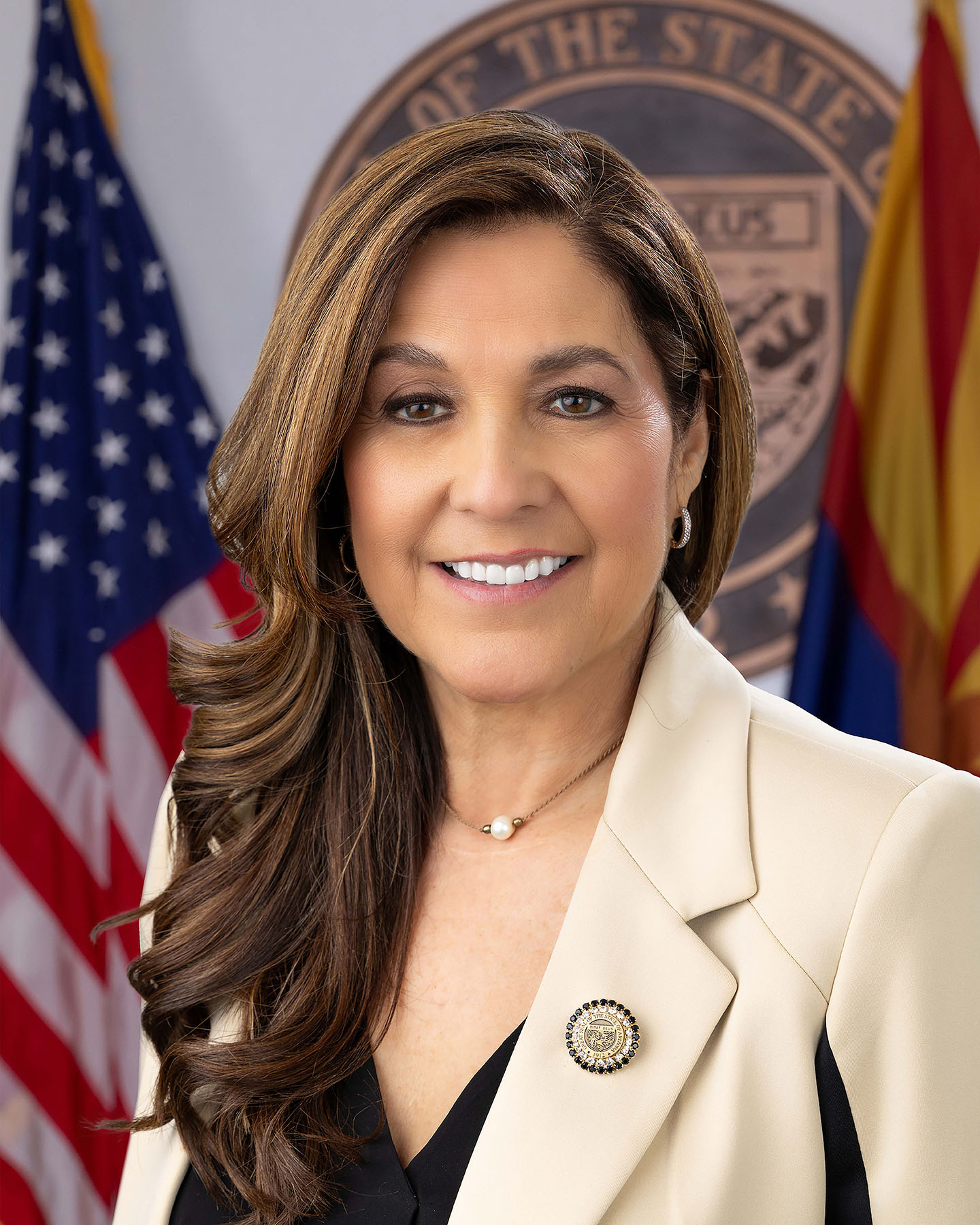
Wendy Rogers
Wendy Rogers Senate · District 7
R
Support
78% 9
Alex Kolodin
Alex Kolodin House · District 3
R
Support
75% 8
Justin Olson
Justin Olson House · District 10
R
Support
75% 8
Kevin Volk
Kevin Volk House · District 17
D
Support
75% 8
Lisa Fink
Lisa Fink House · District 27
R
Support
75% 8
Analise Ortiz
Analise Ortiz Senate · District 24
D
Oppose
30% 10
Catherine Miranda
Catherine Miranda Senate · District 11
D
Oppose
30% 10
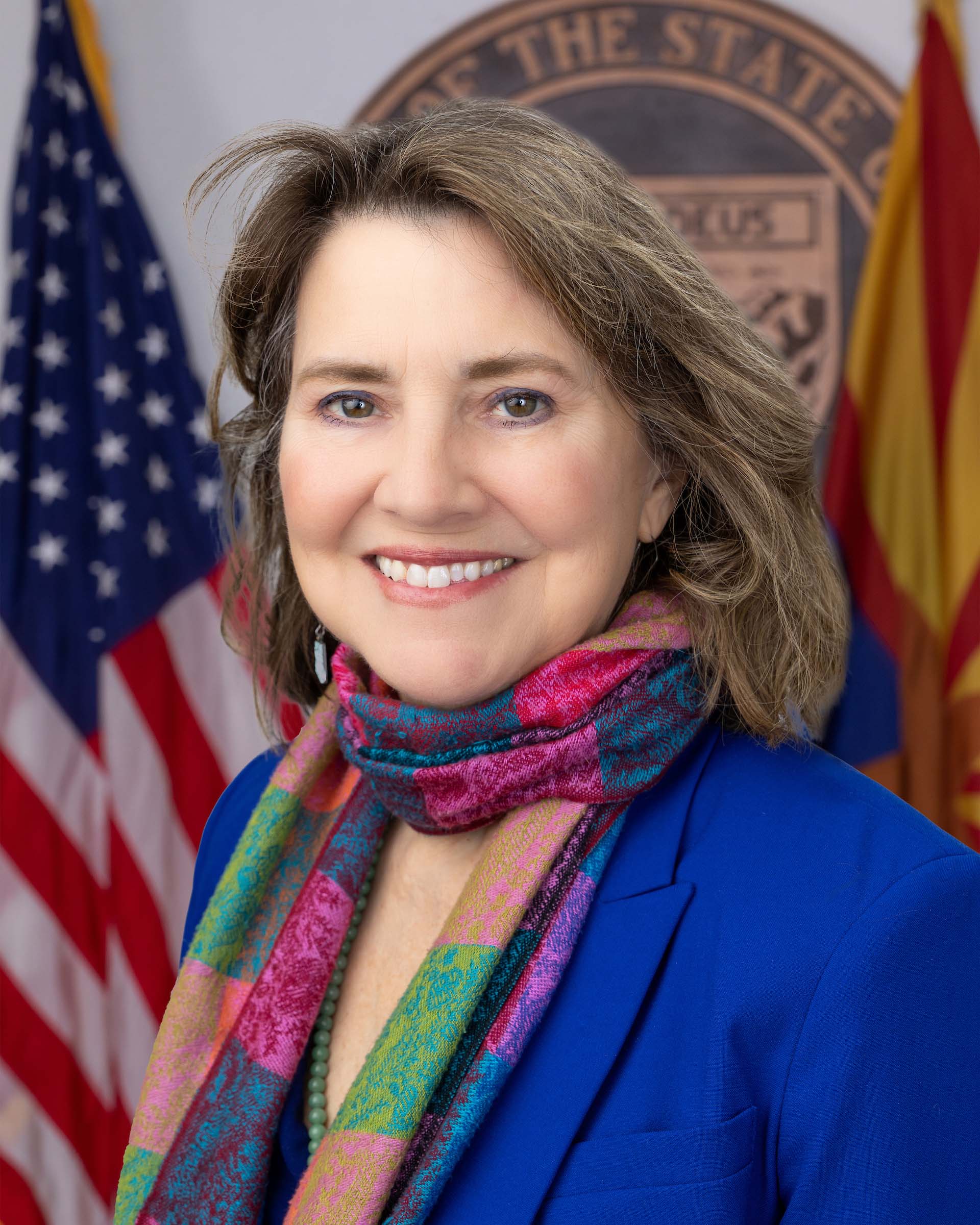
Lauren Kuby
Lauren Kuby Senate · District 8
D
Oppose
30% 10
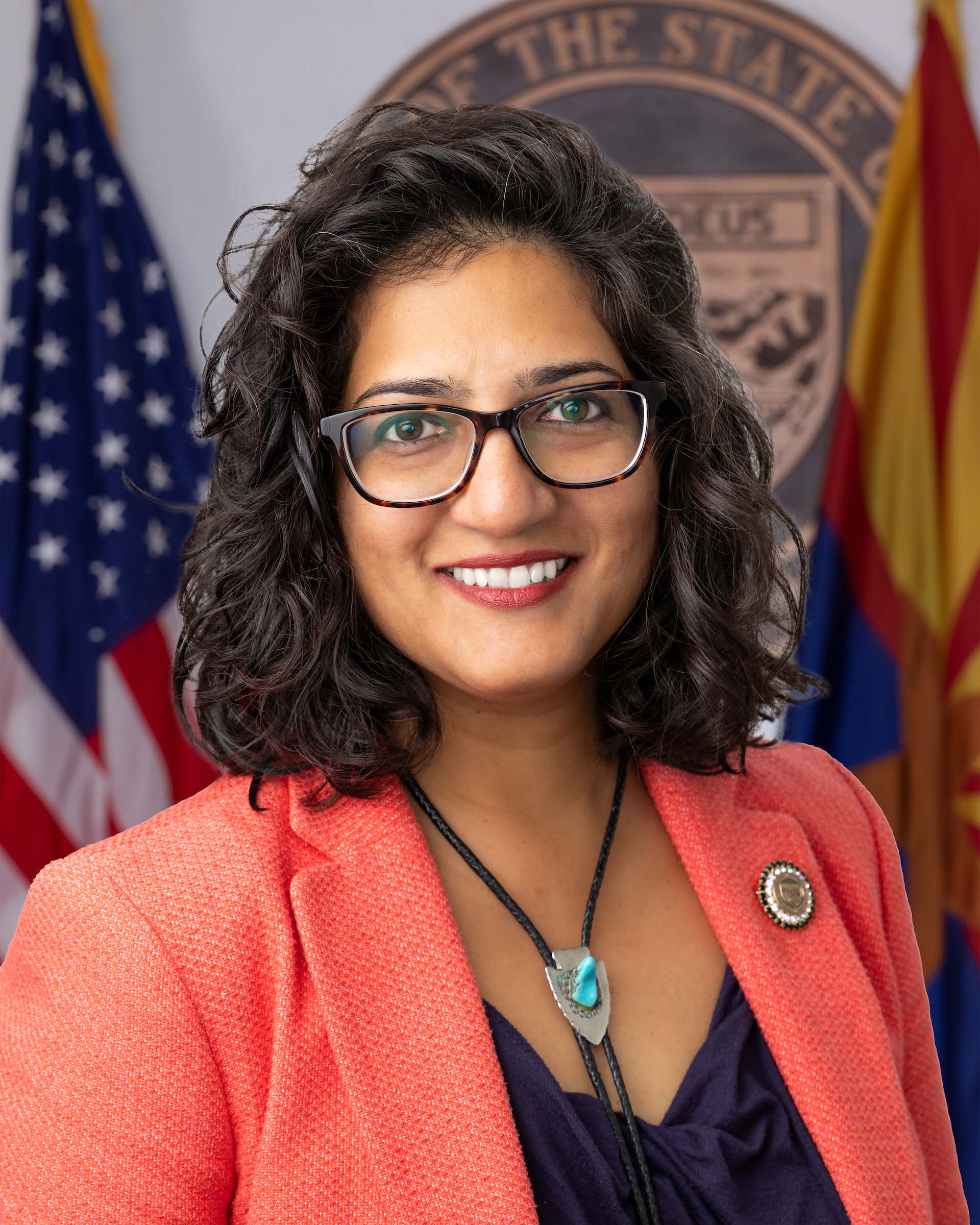
Priya Sundareshan
Priya Sundareshan Senate · District 18
D
Oppose
30% 10
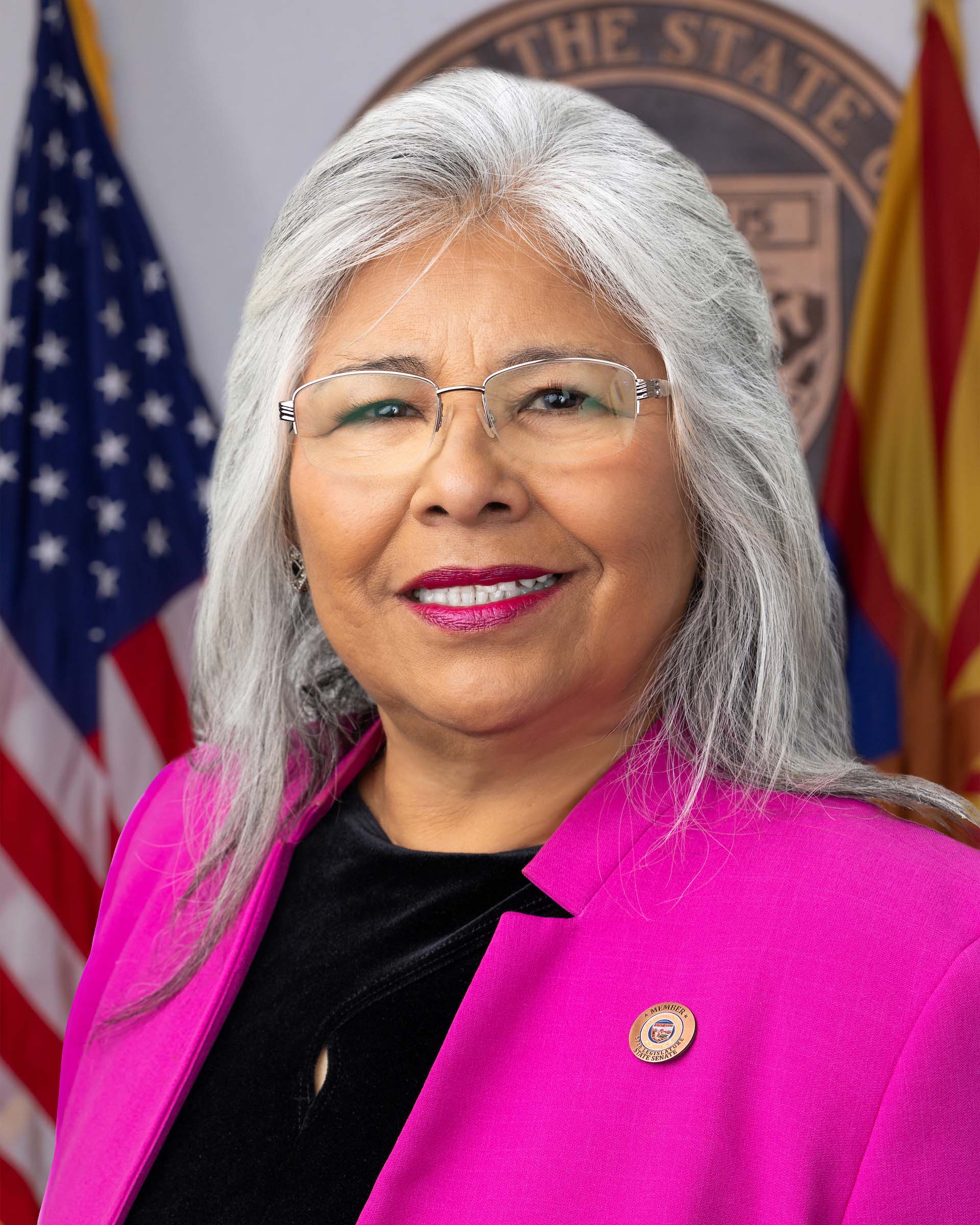
Sally Gonzales
Sally Gonzales Senate · District 20
D
Oppose
33% 9
Showing 31–40 of 43 bills

All criminal justice bills

passed · Arizona · Senate Mar 26, 2026

SB 1140: expungement of misdemeanor records

SB 1140 would allow eligible individuals to petition a court to remove certain misdemeanor arrest or conviction records from public access. This applies to people who were arrested without charges filed, had charges dismissed, received a not guilty verdict, or completed a misdemeanor conviction (after waiting three years, or five years for specific offenses like violations of Section 13-1805). To qualify, petitioners must have no pending legal cases or unpaid fines, and the court must approve the request after reviewing the petition. If approved, the court orders records sealed, making them inaccessible to the public but still available to the individual, their attorney, and law enforcement agencies.
Sub-Topics Courts Law Enforcement
passed · Arizona · House Mar 25, 2026

HB 2136: civil terrorism; disorderly conduct; subversion

HB 2136 is a definitional bill that amends Arizona law to clarify terms related to terrorism, extortion, and animal-related offenses. It explicitly defines "civil terrorism" as non-violent civil disobedience (e.g., protests) and excludes it from the legal definition of "terrorism," ensuring peaceful activities aren’t criminalized. Key provisions define "animal or ecological terrorism" as felony acts targeting animal facilities (like farms or research labs) involving property damage over $10,000, violence, or serious injury, and clarify terms like "extortionate credit" (threats of violence to collect debts). This bill directly affects operators of animal facilities, law enforcement, and legal proceedings involving these defined offenses, but does not create new crimes - only refines existing statutory language.
Sub-Topics Law Enforcement
introduced · Arizona · Senate Jan 27, 2026

SB 1323: peace officer violence victims' rights

SB 1323 establishes specific rights for victims of police violence and their families in Arizona. It mandates that victims and families receive unredacted bodycam footage and incident reports within 72 hours, free access to involved officers' disciplinary records, and the right to delay interviews for 24 hours after an incident. The bill requires municipalities to create independent victim advocates who connect families with support services and ensures victims are informed before public information releases. It also prohibits police from labeling victims as "suspects" and mandates permanent removal of officers involved in shootings or in-custody deaths, with withheld pensions. These provisions directly affect individuals injured or killed during police interactions and their families.
in committee · Arizona · House Jan 27, 2026

HB 2236: appropriation; northeast Arizona training center

HB 2236 appropriates $4.3 million from Arizona's general fund for capital improvements at the northeast Arizona training center operated by Northland Pioneer Community College in Navajo County. The funds must be used exclusively for public safety workforce training, including modernizing the driving track to meet state standards, expanding classroom space for law enforcement and emergency services programs, and upgrading related infrastructure. The college must report by December 2027 on how the money was spent, progress toward training standards, completed facility upgrades, and enrollment/outcomes data. This bill directly affects public safety training programs and their participants in northeast Arizona.
introduced · Arizona · House Jan 27, 2026

HB 2717: sexual assault survivors; rights

HB 2717 establishes new rights for sexual assault survivors in Arizona, directly affecting individuals reporting sexual assault and the medical/legal professionals who interact with them. The bill creates confidentiality for communications between survivors and sexual assault victim advocates (requiring advocates to complete 30 hours of training), prohibits charging survivors for medical exams, and guarantees survivors the right to consult an advocate during medical exams or police interviews. It also mandates that survivors be informed of their rights in writing before exams or interviews, restricts the use of sexual assault kits against survivors for unrelated offenses, and requires medical providers to notify law enforcement within 48 hours of collecting evidence. The law aims to protect survivors' privacy and ensure they receive support during sensitive medical and legal processes.
introduced · Arizona · Senate Jan 27, 2026

SB 1375: immigration; courts; hospitals; schools; daycares.

SB 1375 protects individuals attending court proceedings from civil arrest while traveling to, at, or leaving court. It covers parties, witnesses, potential witnesses, and specific court companions (like family members, advocates, or translators) at court locations and within 1,000 feet, with violations carrying $10,000 in damages. The bill also requires Arizona hospitals to adopt policies by January 2027 for handling law enforcement interactions, including verifying officer identity, designating waiting areas, and providing patients with privacy notices that allow redaction of immigration status or birthplace information. These provisions apply to all court proceedings and hospital facilities statewide, directly affecting court participants, hospitals, and law enforcement.
Sub-Topics Courts Law Enforcement
introduced · Arizona · House Jan 27, 2026

HB 2880: immigration; courts; hospitals; schools; daycares

HB 2880 creates protections for individuals attending court proceedings and sets requirements for hospitals regarding law enforcement interactions. Section 11-1052 grants a "privilege from civil arrest" to parties, witnesses, and court companions (including family members, advocates, or translators) while traveling to, at, or leaving court - covering courthouse premises and surrounding areas - but excludes criminal arrests. Section 11-1053 requires hospitals to adopt policies by January 1, 2027, including verifying law enforcement identity, designating waiting areas, and providing patients with privacy notices that allow redaction of immigration status, birthplace, or documents like passports. The bill directly affects court attendees, hospital staff, and law enforcement agencies interacting with patients. It does not address schools or daycares, despite the bill title.
introduced · Arizona · House Jan 20, 2026

HB 2420: firearm sales; transfers; background checks

HB 2420 requires private firearm sales or transfers between non-licensed individuals to occur through a licensed firearms dealer who conducts a background check. This directly affects private sellers and buyers who are not licensed dealers, mandating they use a dealer to complete the transaction and verify the buyer’s eligibility under federal and state law. Key provisions include the dealer performing a background check (via the National Instant Criminal Background Check System), charging a $20 fee for this service, and prohibiting transfers if the buyer is legally barred from owning firearms. Exceptions cover law enforcement, gunsmiths, temporary transfers for safety, family gifts, antique firearms, and specific recreational loans, but violations carry a class 5 felony penalty.
introduced · Arizona · Senate Jan 22, 2026

SB 1263: law enforcement; identification; masks; prohibitions.

SB 1263 requires Arizona law enforcement agencies to adopt written policies mandating that peace officers visibly display their name or badge number during most law enforcement duties, with limited exceptions for undercover operations, tactical gear, or imminent safety threats. It also prohibits officers from wearing facial coverings that conceal their identity while performing duties, except during undercover work or tactical operations requiring protective gear. The bill directly affects all state and local law enforcement agencies and their officers, imposing civil liability ($10,000 or actual damages) if an officer violates the policy and causes harm. These provisions aim to increase officer transparency and accountability during public interactions.
Sub-Topics Law Enforcement
passed · Arizona · Senate Mar 19, 2026

SB 1550: appropriation; Queen Creek; law enforcement

SB 1550 allocates $1.255 million from the state general fund to fund a three-year pilot program for Queen Creek's police department. The program directly affects youth in Queen Creek by focusing on preventing runaway incidents, protecting at-risk youth from exploitation, and enhancing police investigations through collaboration with care providers and state agencies. It aims to create a model framework for statewide replication of effective youth safety strategies. The funding is exempt from standard appropriation rules that would otherwise cause it to lapse.
Showing 31 to 40 of 43 bills
Previous 1 … 3 4 5 Next