Issue · Criminal Justice

Criminal Justice (Probation & Parole)

Every criminal justice bill, vote, and legislator stance in Arizona, automatically classified by Maddy, our AI policy reader.

Total bills
21
57th Legislature - Second Regular Session
Top supporter
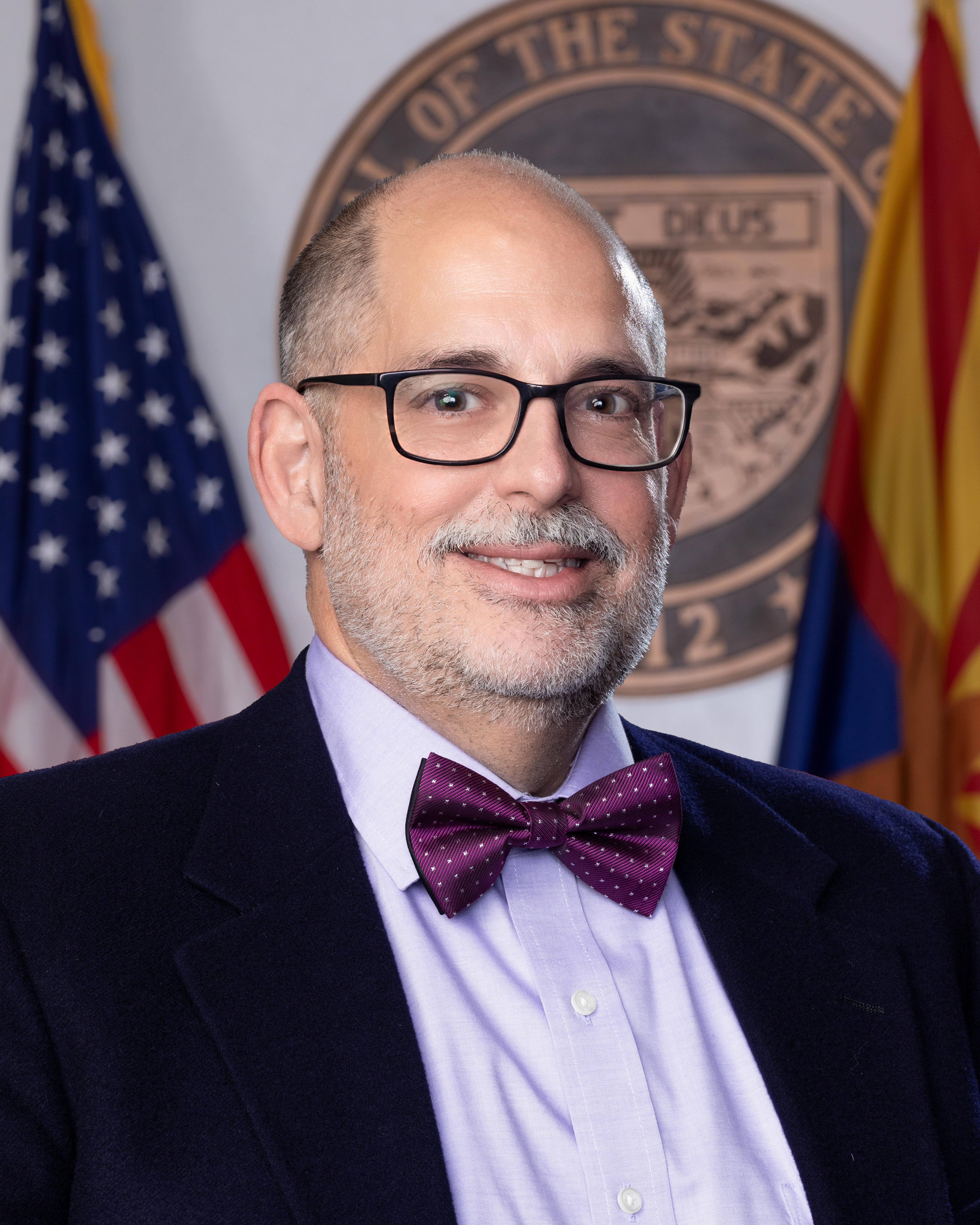
Brian Garcia
100% support rate
Top opponent
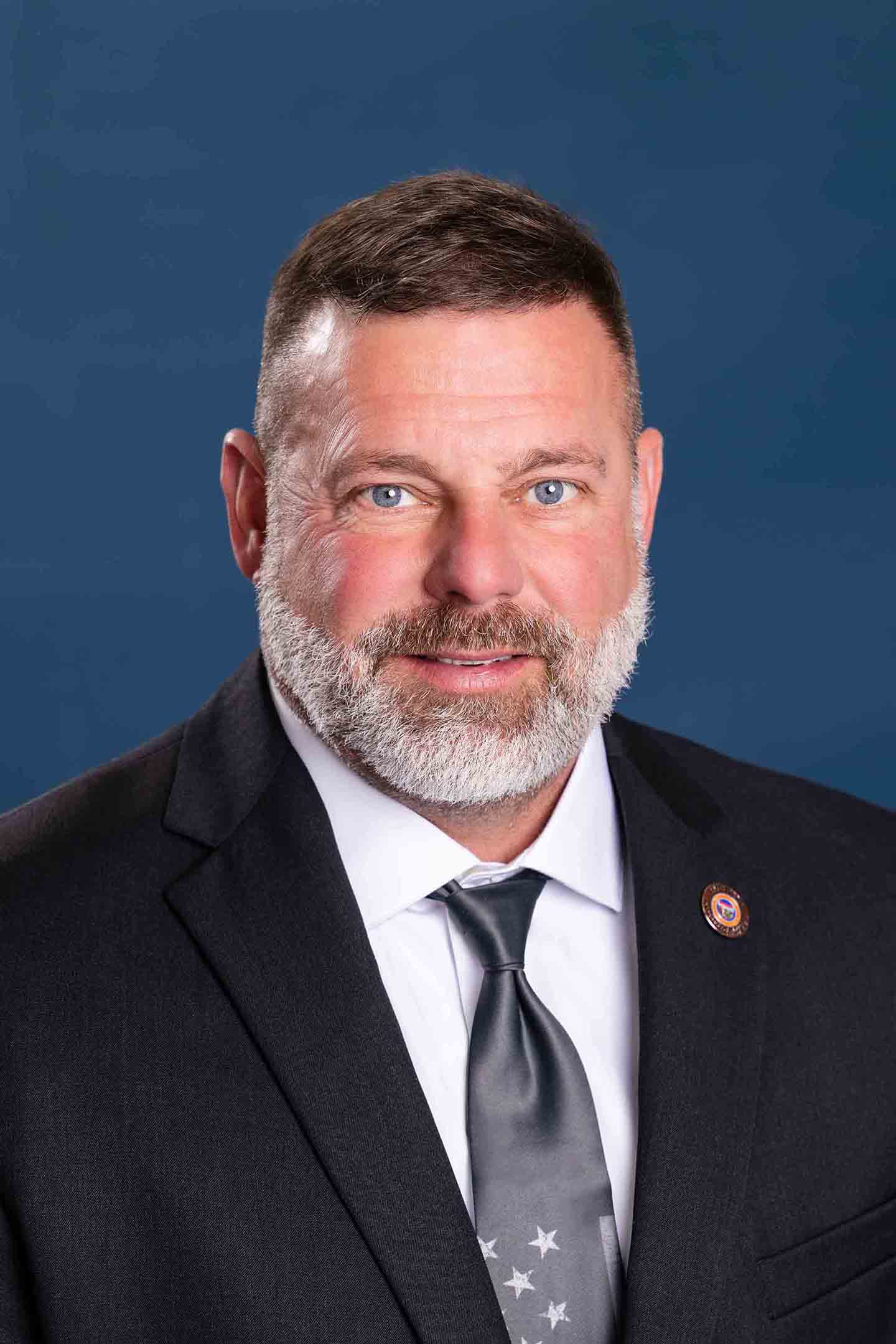
Chris Lopez
11% support rate
Ranked legislators
10
5 support · 5 oppose
Key legislators

Who's moving probation & parole in Arizona

Legislators moving probation & parole in Arizona
Legislator Party Stance Support rate Votes
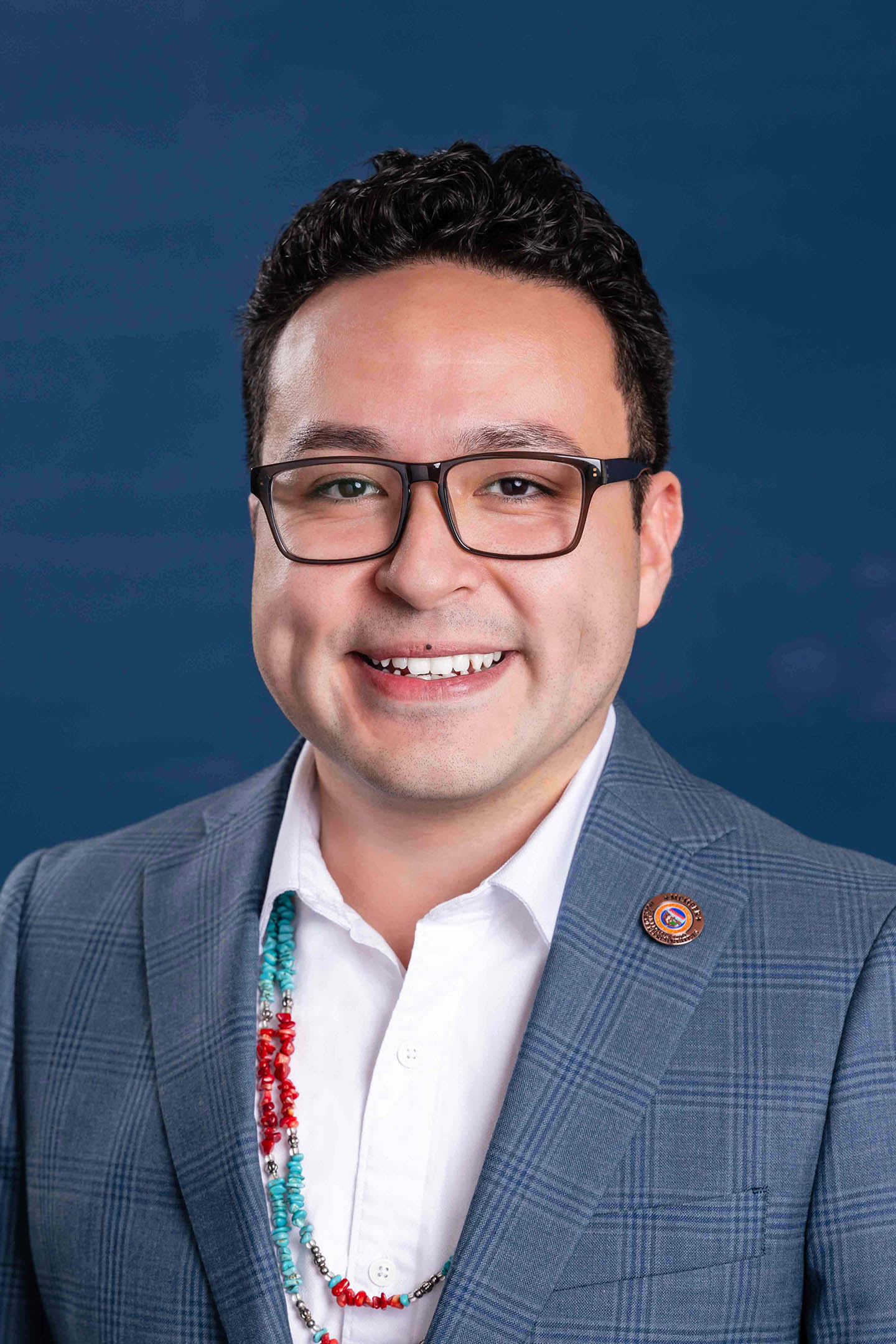
Brian Garcia
Brian Garcia House · District 8
D
Strong +
100% 9
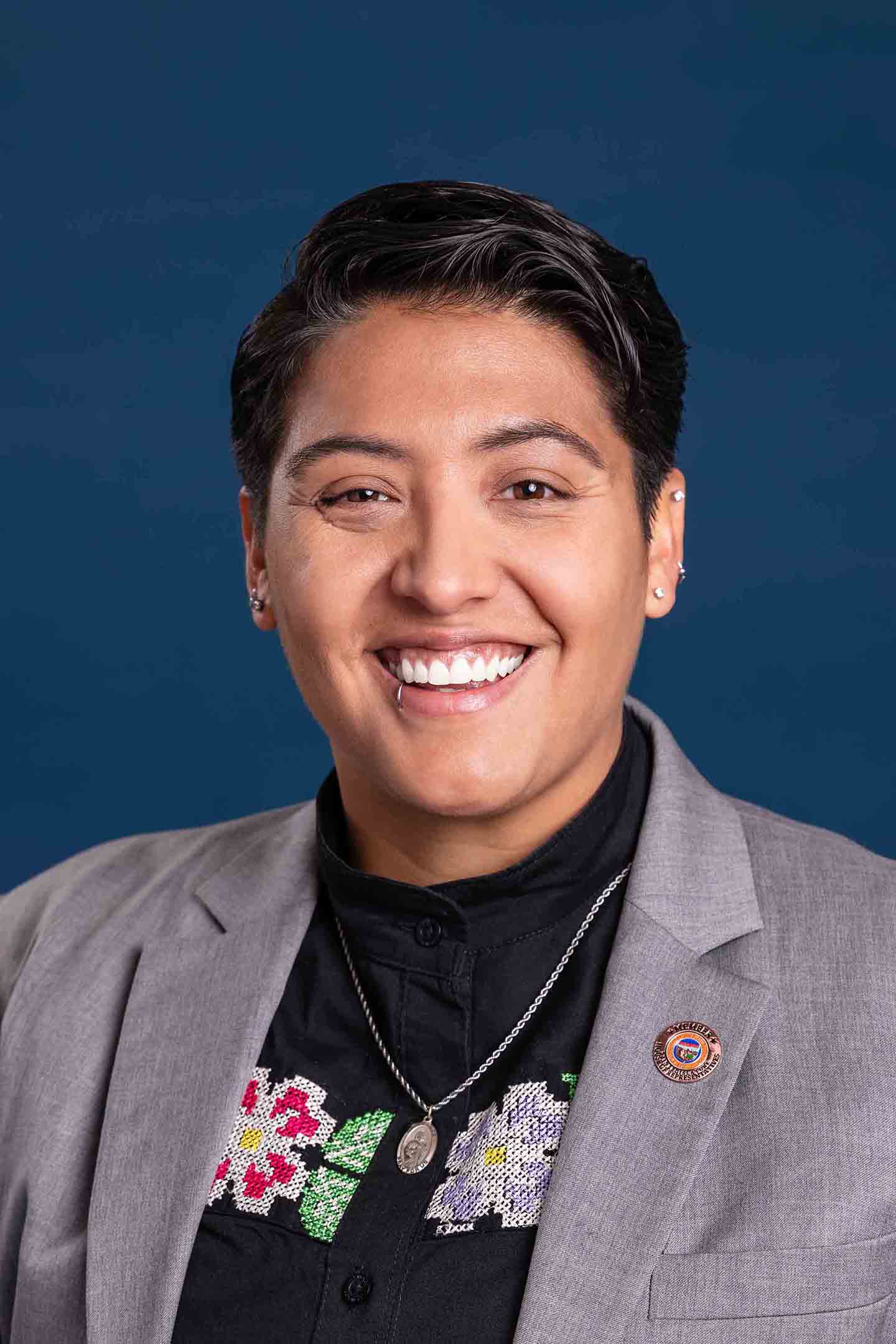
Lorena Austin
Lorena Austin House · District 9
D
Strong +
100% 9
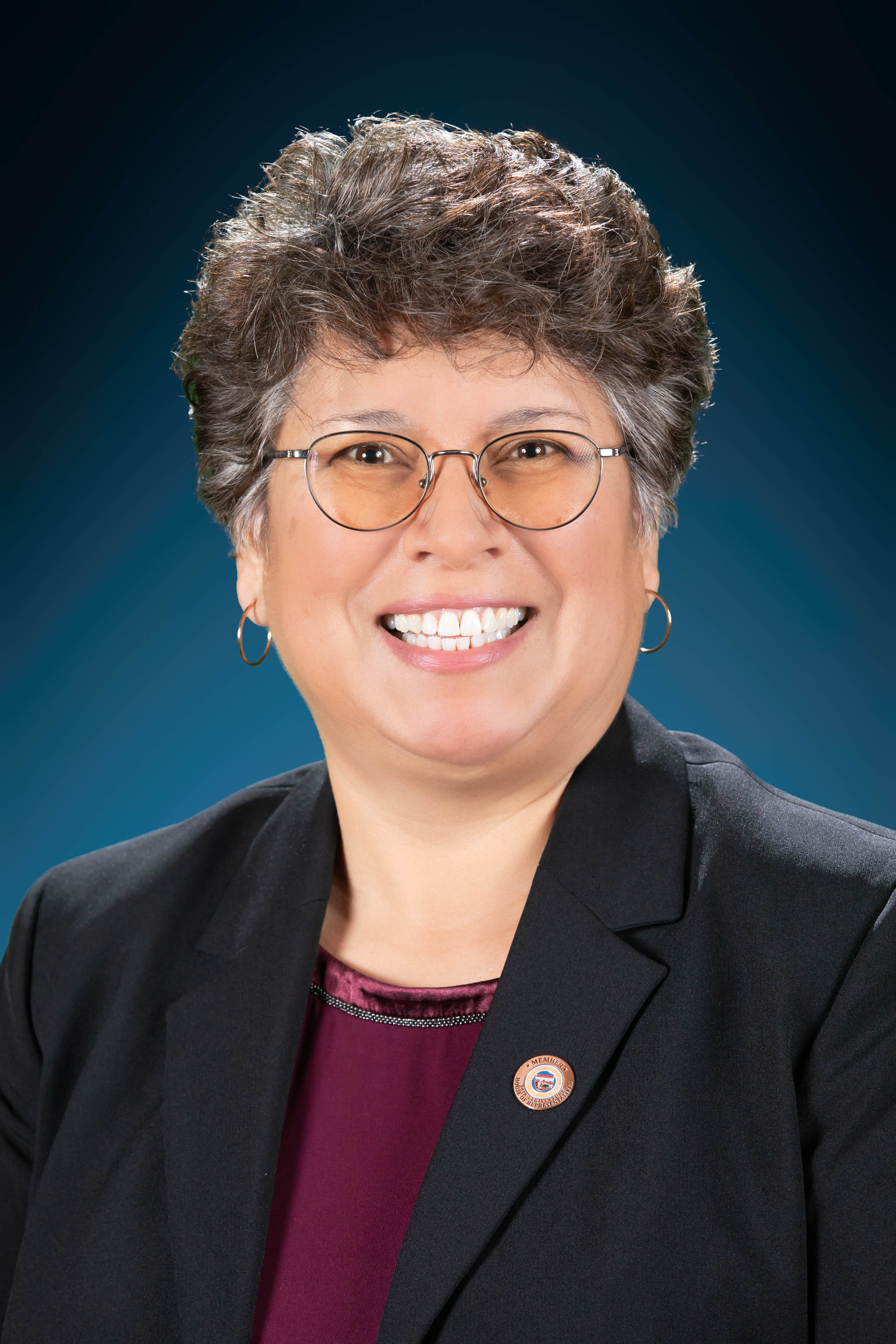
Patty Contreras
Patty Contreras House · District 12
D
Strong +
100% 9
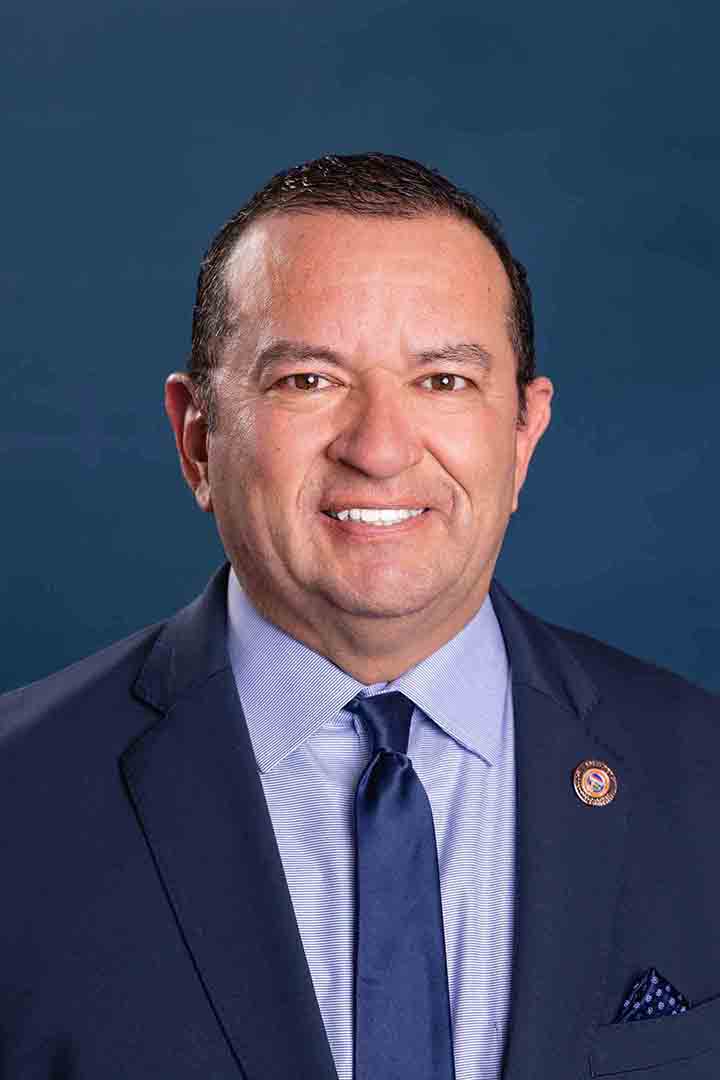
Stephanie Simacek
Stephanie Simacek House · District 2
D
Strong +
100% 9
QC
Quantá Crews House · District 26
D
Strong +
100% 8
Chris Lopez
Chris Lopez House · District 16
R
Strong −
11% 9
David Livingston
David Livingston House · District 28
R
Strong −
11% 9
Gail Griffin
Gail Griffin House · District 19
R
Strong −
11% 9
James Taylor
James Taylor House · District 29
R
Strong −
11% 9
John Gillette
John Gillette House · District 30
R
Strong −
11% 9
Showing 11–20 of 21 bills

All criminal justice bills

introduced · Arizona · Senate Feb 10, 2026

SB 1667: juvenile records; lifetime injunctions

SB 1667 (Arizona Senate Bill 1667) allows eligible individuals to petition for the destruction of their juvenile court and juvenile corrections records under specific conditions. It applies to people aged 18+ who have completed all court-ordered terms (including probation, restitution, and fines), have no pending charges or felony convictions, and are not subject to a lifetime injunction under Section 13-719. A separate pathway for those aged 25+ requires similar conditions plus proof that record destruction would aid rehabilitation. The bill explicitly excludes individuals under lifetime injunctions, and the court must verify all requirements before authorizing record destruction. This change aims to provide a clear, objective process for sealing juvenile records when eligibility criteria are met.
passed · Arizona · Senate Mar 19, 2026

SB 1544: probation records; disclosure; exemptions

SB 1544 makes most probation records in Arizona public under state disclosure laws, but exempts sensitive information like victim details, minors' identities, medical records, active investigations, and confidential informants. Requesters can access records unless specific exemptions apply, and probation departments must redact or withhold protected data with a written explanation within 10 business days. Those denied records may appeal to court within 20 days, where penalties or attorney fees could be imposed for noncompliance. The bill covers documents including violation reports, risk assessments, case summaries, and audit reports.
introduced · Arizona · Senate Jun 12, 2026

SB 1548: juvenile; natural life; parole eligibility

This Arizona bill (SB 1548) changes parole rules for juveniles (under 18 at crime) convicted of serious offenses like murder. It makes individuals sentenced to "natural life" imprisonment parole-eligible after serving the minimum term (regardless of offense date), and those with 25-year or 35-year sentences parole-eligible after completing those terms. The bill specifically affects juveniles convicted of murder, altering prior rules that barred parole for "natural life" sentences. It sets clear timeframes: 25 years for most life sentences, or 35 years if sentences were consecutive, with parole requiring lifelong supervision unless revoked.
introduced · Arizona · Senate Jan 27, 2026

SB 1321: misdemeanor expungement; requirements; procedure

SB 1321 allows Arizona residents convicted of qualifying misdemeanors (excluding certain offenses like violent crimes or drug offenses) to petition courts for expungement of their records starting January 1, 2027. To qualify, petitioners must wait at least three years after completing probation or sentence, have no pending cases or unpaid fines, and provide proof of sentence completion. If approved, courts will seal all conviction records, prohibit law enforcement from disclosing them without a court order, and allow petitioners to legally state the conviction never occurred. Victims of the offense receive notice and the right to be heard during the process. This bill directly affects individuals with eligible misdemeanor convictions seeking to move forward without criminal record barriers.
passed · Arizona · Senate Mar 23, 2026

SB 1240: probation success incentive payments; calculation

SB 1240 creates payments to Arizona counties based on reducing probation failures compared to historical rates. Counties earn funds equal to 50% of prison cost savings per probationer kept out of prison (excluding those convicted of dangerous crimes against children), while the state allocates 25% of savings for statewide recidivism programs. Funds must be used for evidence-based services like drug treatment, job training, and probation officer training - not to replace existing budgets. The state calculates annual probation success rates using 2007-2019 data to determine payments and requires reporting on program effectiveness.
signed · Arizona · House Jun 4, 2026

HB 2440: prisoners; transition program

HB 2440 establishes a 90-day community transition program for eligible Arizona inmates, requiring the Department of Corrections to partner with private or nonprofit entities to provide services like job placement, substance abuse treatment, and family reunification counseling. To qualify, inmates must meet specific criteria (e.g., no recent violent convictions or felony detainers) and agree to provide information for a department report, while victims must receive notice before release. The bill mandates annual reporting on recidivism rates, program participation, and service types, with special provisions allowing eligibility for some inmates convicted of certain drug offenses. It also allows a one-time 90-day extension for inmates needing additional support to address specific risk factors.
introduced · Arizona · House Jan 22, 2026

HB 2770: home confinement; eligibility; electronic monitoring

HB 2770 establishes a home confinement program for eligible Arizona inmates, allowing them to serve sentences at home under electronic monitoring instead of in prison. It applies to inmates who have served at least one year of their sentence, committed specific non-violent felonies (like certain class 4-6 offenses), and meet other criteria like no violent history or active warrants. Key provisions require electronic monitoring, victim notification and feedback before approval, a monthly supervision fee (with ability to waive based on inability to pay), and a 1:50 officer-to-participant ratio. The program phases in starting December 2026 based on remaining sentence time, directly affecting qualifying inmates, victims, and corrections staff managing the program.
introduced · Arizona · House Jan 22, 2026

HCR 2026: controlled substances; paraphernalia; probation eligibility

HCR 2026 would allow individuals convicted of personal possession or use of controlled substances or drug paraphernalia to receive probation instead of immediate jail time, requiring participation in drug treatment or education programs. It mandates that courts place offenders on probation with treatment as a condition, and they must pay for programs based on their ability to pay. Exceptions include those convicted of violent crimes, three or more prior drug possession offenses, refusal to participate in treatment, or offenses involving methamphetamine or fentanyl (without a valid medical prescription). This proposal must be approved by Arizona voters to become law, as it is structured as a referendum measure.
in committee · Arizona · Senate Feb 4, 2026

SB 1314: appropriations; criminal justice; salary increases

SB 1314 allocates state funds for salary increases for specific public safety and corrections employees in Arizona for fiscal year 2026-2027. It provides a 14% pay raise for correctional officers in the state Department of Corrections and the Department of Juvenile Corrections, a 10% raise for all Department of Public Safety employees, and a 15% raise for state-funded probation officers and staff at the Administrative Office of the Courts. The bill directs appropriations from the state general fund, though exact dollar amounts are unspecified in the text. This legislation directly affects over 10,000 state employees across these departments through mandated pay adjustments.
passed · Arizona · Senate Mar 26, 2026

SB 1317: appropriation; coordinated reentry program

SB 1317 appropriates $20 million from Arizona’s consumer restitution fund to the Attorney General for grants to counties. These grants fund coordinated reentry planning services programs designed to support individuals transitioning from incarceration back into communities. Counties receiving funds must establish coalitions, hire dedicated jail-based staff, implement a statewide recidivism tracking database, create data-sharing agreements, and use screening tools within a two-year grant cycle. The bill requires grantees to demonstrate these specific program elements and commit to local funding contributions before receiving funds.
Showing 11 to 20 of 21 bills