Issue · Criminal Justice

Criminal Justice (Courts)

Every criminal justice bill, vote, and legislator stance in Arizona, automatically classified by Maddy, our AI policy reader.

Total bills
50
57th Legislature - Second Regular Session
Top supporter
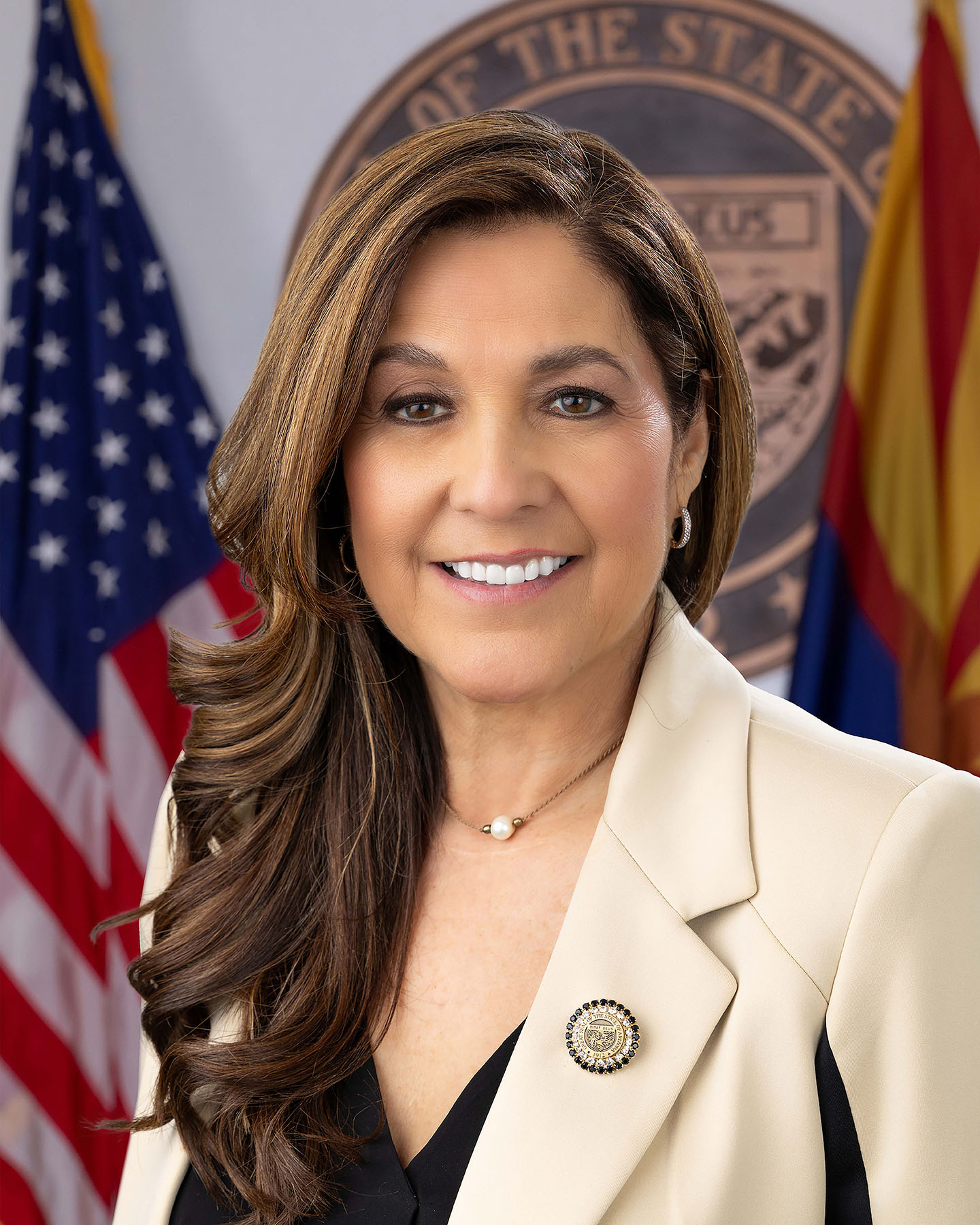
Lydia Hernandez
100% support rate
Top opponent
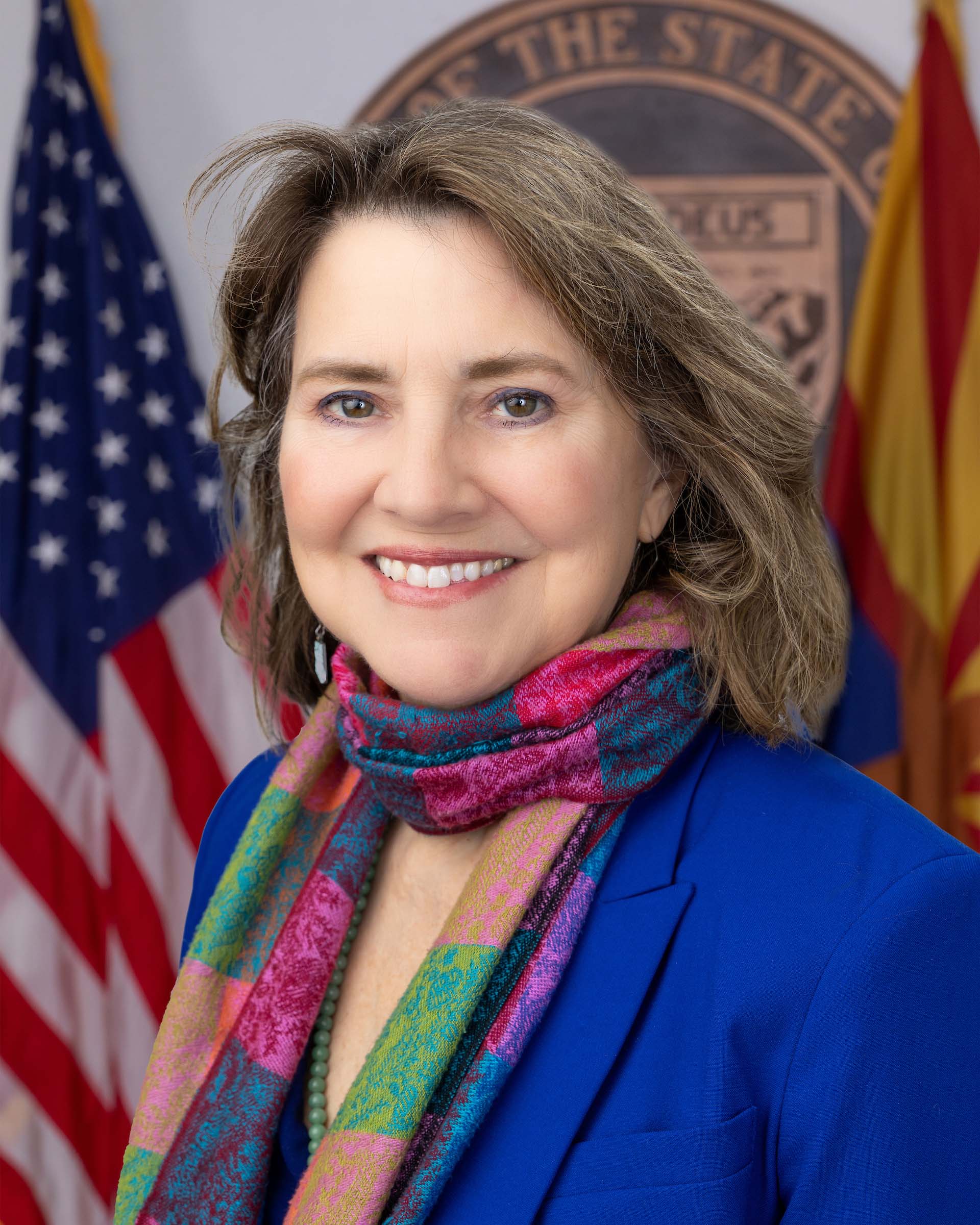
Mitzi Epstein
30% support rate
Ranked legislators
10
5 support · 5 oppose
Key legislators

Who's moving courts in Arizona

Legislators moving courts in Arizona
Legislator Party Stance Support rate Votes
Lydia Hernandez
Lydia Hernandez House · District 24
D
Strong +
100% 11
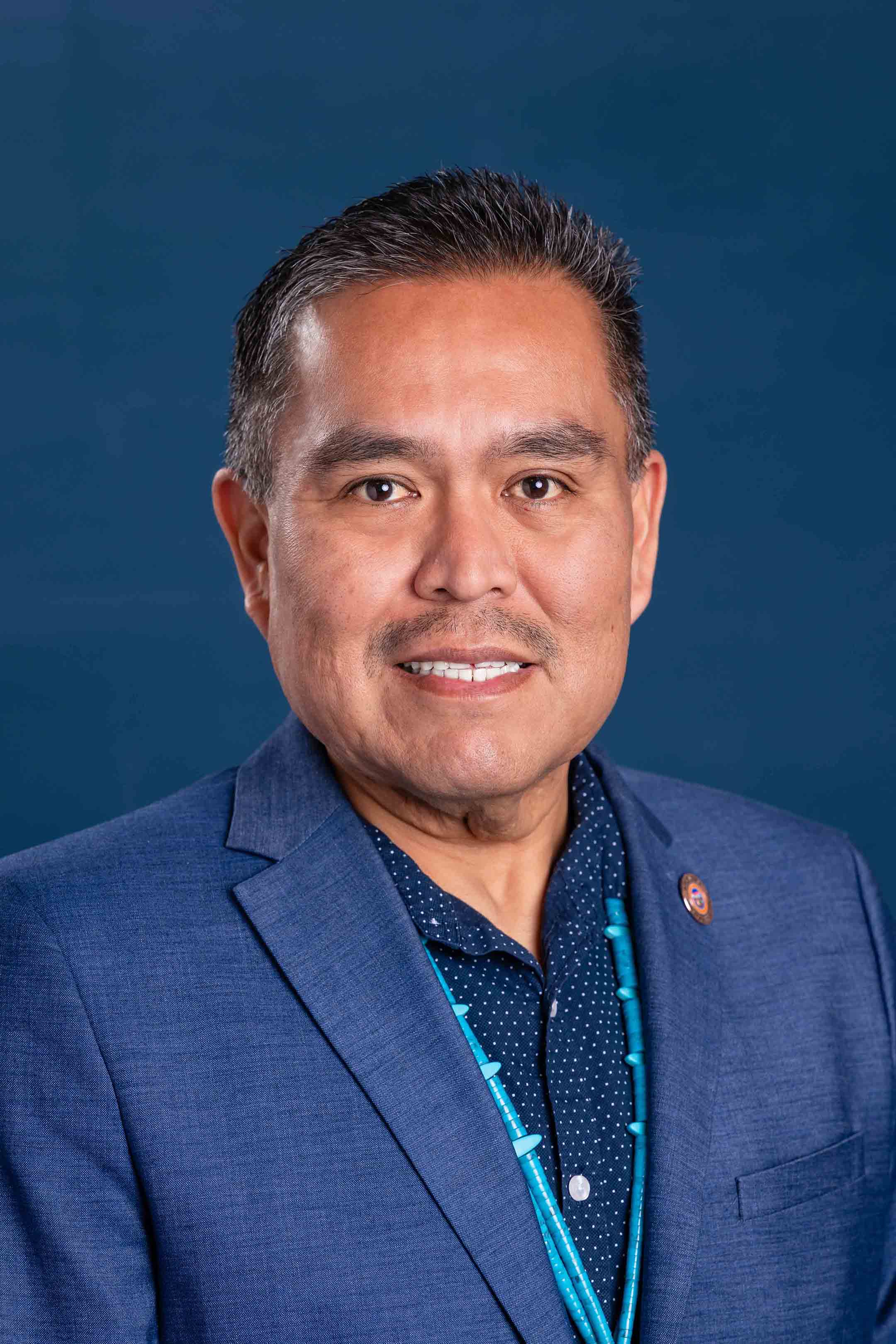
Myron Tsosie
Myron Tsosie House · District 6
D
Strong +
100% 8
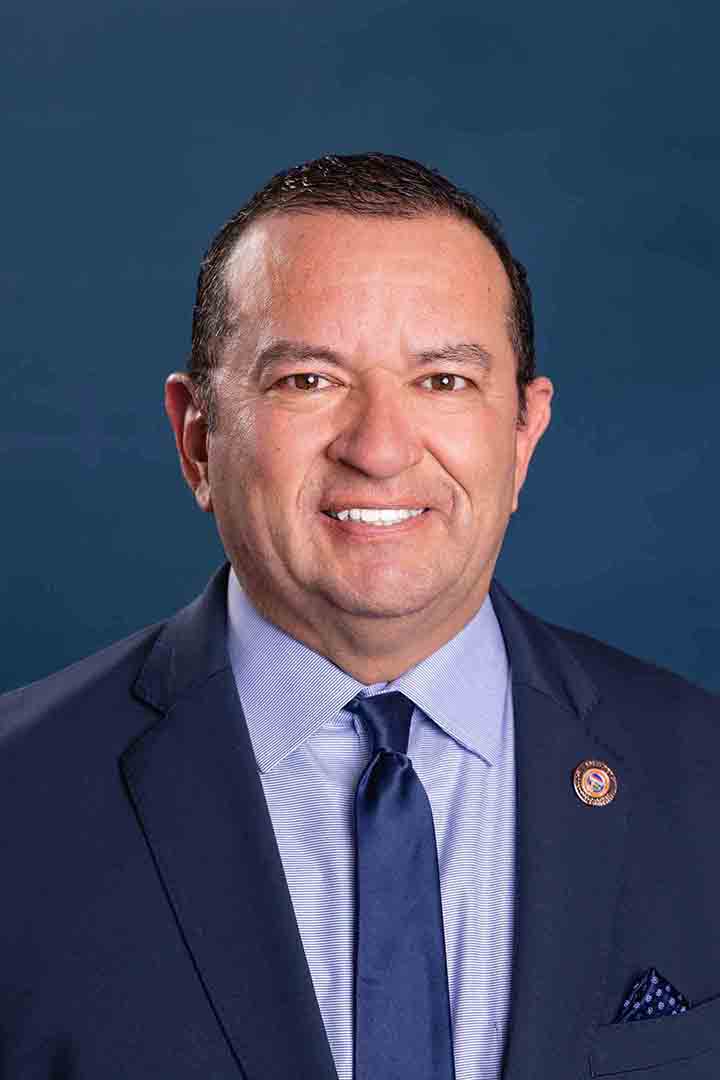
Chris Lopez
Chris Lopez House · District 16
R
Strong +
92% 13
James Taylor
James Taylor House · District 29
R
Strong +
92% 13
Jeff Weninger
Jeff Weninger House · District 13
R
Strong +
92% 13
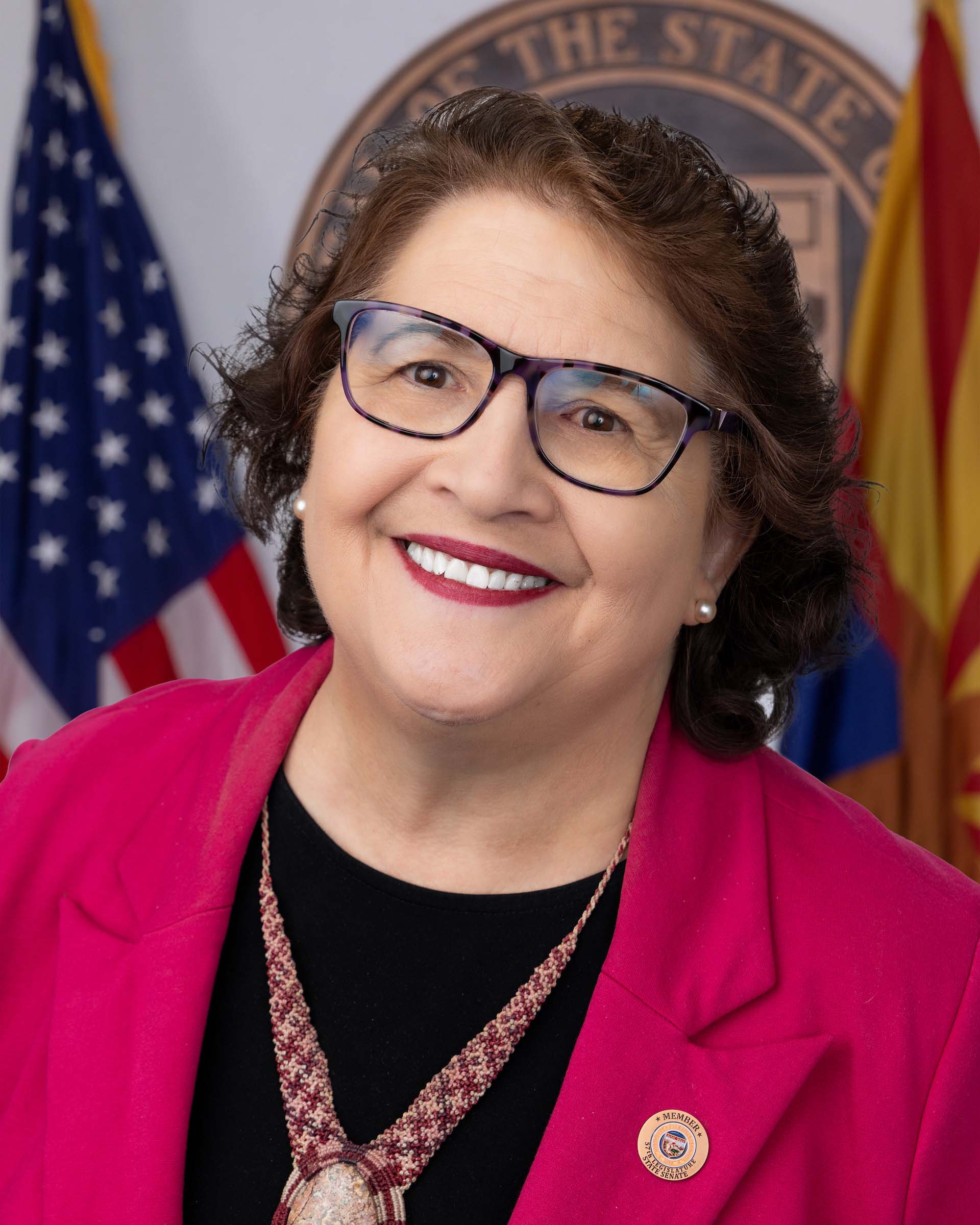
Mitzi Epstein
Mitzi Epstein Senate · District 12
D
Oppose
30% 20
Priya Sundareshan
Priya Sundareshan Senate · District 18
D
Oppose
32% 19
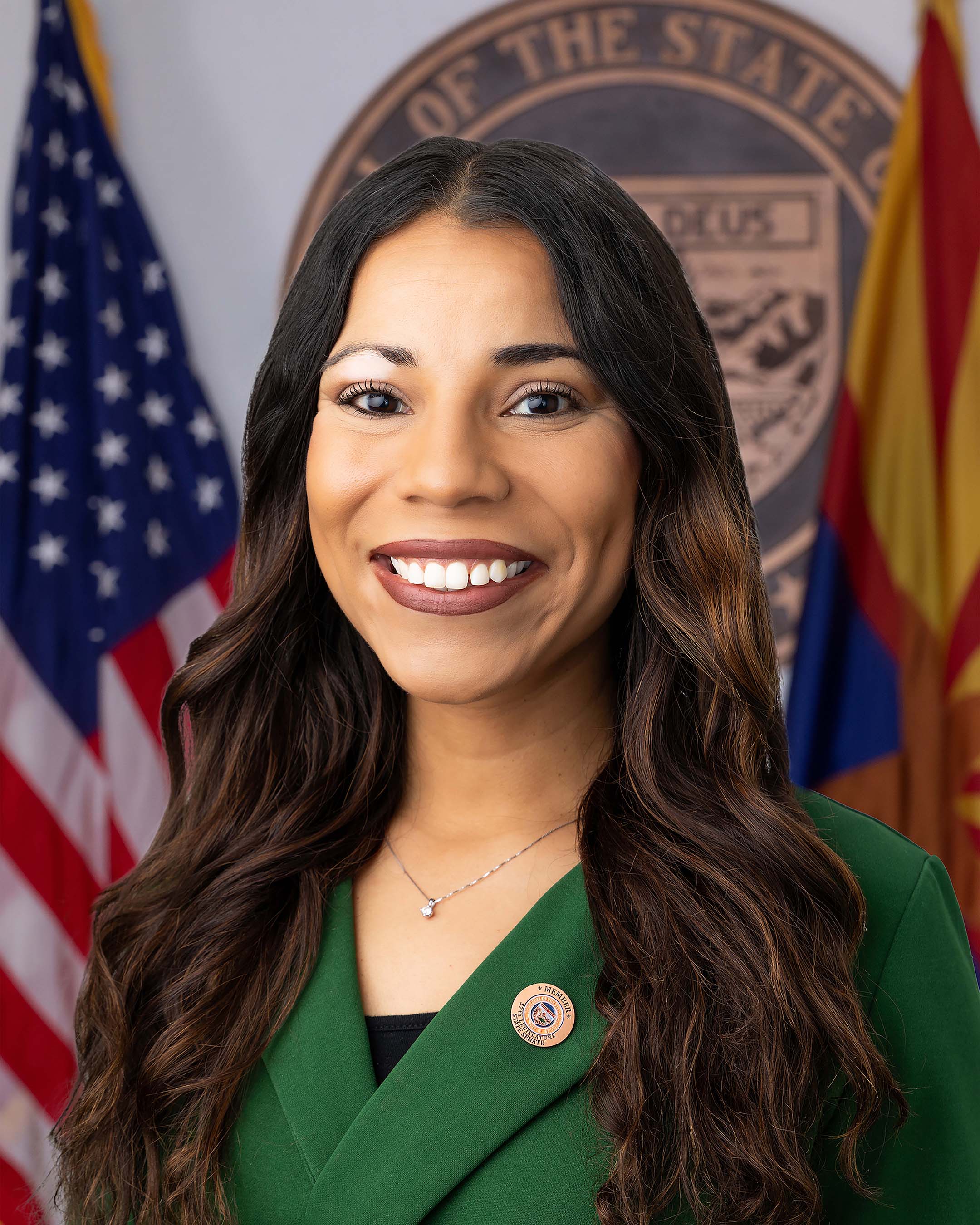
Analise Ortiz
Analise Ortiz Senate · District 24
D
Oppose
35% 20
Catherine Miranda
Catherine Miranda Senate · District 11
D
Oppose
35% 20
Lauren Kuby
Lauren Kuby Senate · District 8
D
Oppose
35% 20
Showing 11–20 of 50 bills

All criminal justice bills

introduced · Arizona · Senate Feb 9, 2026

SB 1676: definition; defenses; sexual offenses

SB 1676 amends Arizona law to clarify definitions and defenses in sexual offense cases involving children and vulnerable adults. It removes a legal defense that claimed defendants weren't sexually motivated in child abuse/molestation cases and clarifies that normal caretaking touches (like changing diapers) don’t count as sexual contact if reasonable under the circumstances. These changes apply retroactively to cases dating from 1990. The bill directly affects court proceedings for such offenses, ensuring consistent legal standards for these specific scenarios.
Sub-Topics Courts
introduced · Arizona · Senate Feb 9, 2026

SB 1766: inmate labor; wages

SB 1766 sets minimum wage standards for prisoners working in Arizona state prisons or contracted private prisons under the prison industries program. It requires at least $1.50 per hour for most prison labor and $2 per hour for private prison contracts, with compensation based on work quality and skill. The bill mandates deductions from prisoner earnings for court fees, dependent care, a transition program, and room and board, with remaining funds placed in a retention account accessible upon release. Prisoners are explicitly not considered employees and do not qualify for workers' compensation benefits. This law directly affects incarcerated individuals participating in Arizona's prison work programs.
introduced · Arizona · Senate Feb 10, 2026

SB 1796: DNA match tracking system; DPS

SB 1796 creates a statewide electronic DNA match tracking system in Arizona, requiring all law enforcement agencies (including municipal police, county sheriffs, and the Department of Public Safety) and prosecutors that submit DNA evidence to accredited crime labs to use it. The system automatically routes DNA match notifications from crime labs to relevant agencies, mandates reviews within five business days, and requires case updates - including whether matches relate to active investigations, investigative actions, or case closures - within 60 days of review. All data must comply with privacy laws, and information stored in the system cannot be used as evidence in court. Starting December 31, 2027, the Department of Public Safety must submit annual reports detailing system performance, including match counts, response times, and recommendations for improvement.
introduced · Arizona · Senate Feb 10, 2026

SB 1667: juvenile records; lifetime injunctions

SB 1667 (Arizona Senate Bill 1667) allows eligible individuals to petition for the destruction of their juvenile court and juvenile corrections records under specific conditions. It applies to people aged 18+ who have completed all court-ordered terms (including probation, restitution, and fines), have no pending charges or felony convictions, and are not subject to a lifetime injunction under Section 13-719. A separate pathway for those aged 25+ requires similar conditions plus proof that record destruction would aid rehabilitation. The bill explicitly excludes individuals under lifetime injunctions, and the court must verify all requirements before authorizing record destruction. This change aims to provide a clear, objective process for sealing juvenile records when eligibility criteria are met.
signed · Arizona · House Jun 22, 2026

HB 2800: ignition interlock devices; violation; classification

HB 2800 requires individuals with limited or restricted driving privileges (due to prior DUI offenses) to operate vehicles equipped with a functioning certified ignition interlock device. It prohibits these individuals from allowing others to "breathe into" the device or tamper with it, and bans non-authorized people from tampering with the device for restricted drivers. Violations carry misdemeanor charges, with a felony penalty if a collision occurs while the vehicle is operated without the device. The bill directly affects drivers under court or department orders to use ignition interlocks, aiming to enforce compliance with safety requirements.
Sub-Topics Courts
passed · Arizona · Senate Mar 19, 2026

SB 1544: probation records; disclosure; exemptions

SB 1544 makes most probation records in Arizona public under state disclosure laws, but exempts sensitive information like victim details, minors' identities, medical records, active investigations, and confidential informants. Requesters can access records unless specific exemptions apply, and probation departments must redact or withhold protected data with a written explanation within 10 business days. Those denied records may appeal to court within 20 days, where penalties or attorney fees could be imposed for noncompliance. The bill covers documents including violation reports, risk assessments, case summaries, and audit reports.
passed · Arizona · Senate Mar 10, 2026

SB 1244: court-ordered treatment; continuation

Arizona Senate Bill 1244 amends mental health statutes to streamline court-ordered treatment continuity for individuals with serious mental health conditions. It requires mental health agencies to conduct annual reviews 90 days before treatment expiration to assess whether continued court-ordered treatment is appropriate (Section 36-543). The bill creates a new "conversion" process (Section 36-543.01) allowing patients to transition to ongoing court-ordered treatment without a full new petition, while strengthening notification requirements for guardians and patients about treatment renewals or discharges (Sections 36-504.01, 36-542). These changes directly affect patients under court-ordered mental health treatment, their guardians, and mental health treatment agencies.
Sub-Topics Courts Mental Health
introduced · Arizona · House Feb 5, 2026

HB 2967: custodial interference

HB 2967 amends Arizona's custodial interference law (ARS 13-1302) to clarify when parents or custodians may legally withhold a child without facing criminal penalties. It adds specific defenses for parents who act in good faith to protect children from immediate danger - such as abuse, domestic violence, or neglect - during court-ordered parenting time or after filing protection petitions. Violations are classified as misdemeanors or felonies (ranging from Class 1 to Class 6) based on the actor’s relationship to the child (e.g., parent vs. non-parent), intent, and whether the action was motivated by a reasonable safety concern. The law directly affects parents, custodians, and courts in custody disputes, emphasizing child safety while defining legal boundaries for withholding children.
signed · Arizona · House Jun 4, 2026

HB 2557: candidate petitions; felony disclosure

HB 2557 amends Arizona law to allow individuals convicted of certain offenses to petition courts to seal their criminal records after meeting specific requirements. It directly affects people with felony or misdemeanor convictions who have completed sentences, paid all fines/restitution, and waited set periods (e.g., 10 years for serious felonies, 5 years for less serious ones). Key mechanisms include mandatory victim notification, court review for public safety, and restrictions on how sealed records may be used (e.g., still admissible in future criminal cases). The bill does not change eligibility for voting or candidacy, despite its misleading title, and focuses solely on record sealing procedures.
Sub-Topics Courts Victims' Rights
signed · Arizona · House Apr 7, 2026

HB 2223: name change petition; sex offenders

HB 2223 modifies Arizona's name change law to specifically address individuals required to register as sex offenders. The bill requires applicants to disclose their sex offender registration status and mandates that if approved, they must register under their new name while using their old name as an alias. Applicants must also serve the prosecuting agency with their application, and victims or prosecutors can contest the change for up to one year after court approval. This directly affects sex offenders seeking name changes, ensuring their registration obligations remain active without interruption.
Sub-Topics Courts
Showing 11 to 20 of 50 bills
Previous 1 2 3 5 Next