Issue · Budget & Taxes

Budget & Taxes

Every budget & taxes bill, vote, and legislator stance in Arizona, automatically classified by Maddy, our AI policy reader.

Total bills
400
57th Legislature - Second Regular Session
Top supporter
Selina Bliss
92% support rate
Top opponent
Anna Abeytia
20% support rate
Ranked legislators
10
5 support · 5 oppose
Key legislators

Who's moving budget & taxes in Arizona

Legislators moving budget & taxes in Arizona
Legislator Party Stance Support rate Votes
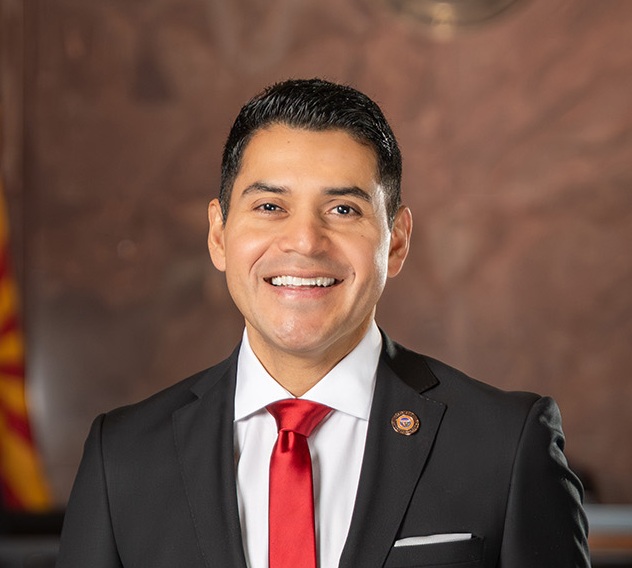
Selina Bliss
Selina Bliss House · District 1
R
Strong +
92% 224
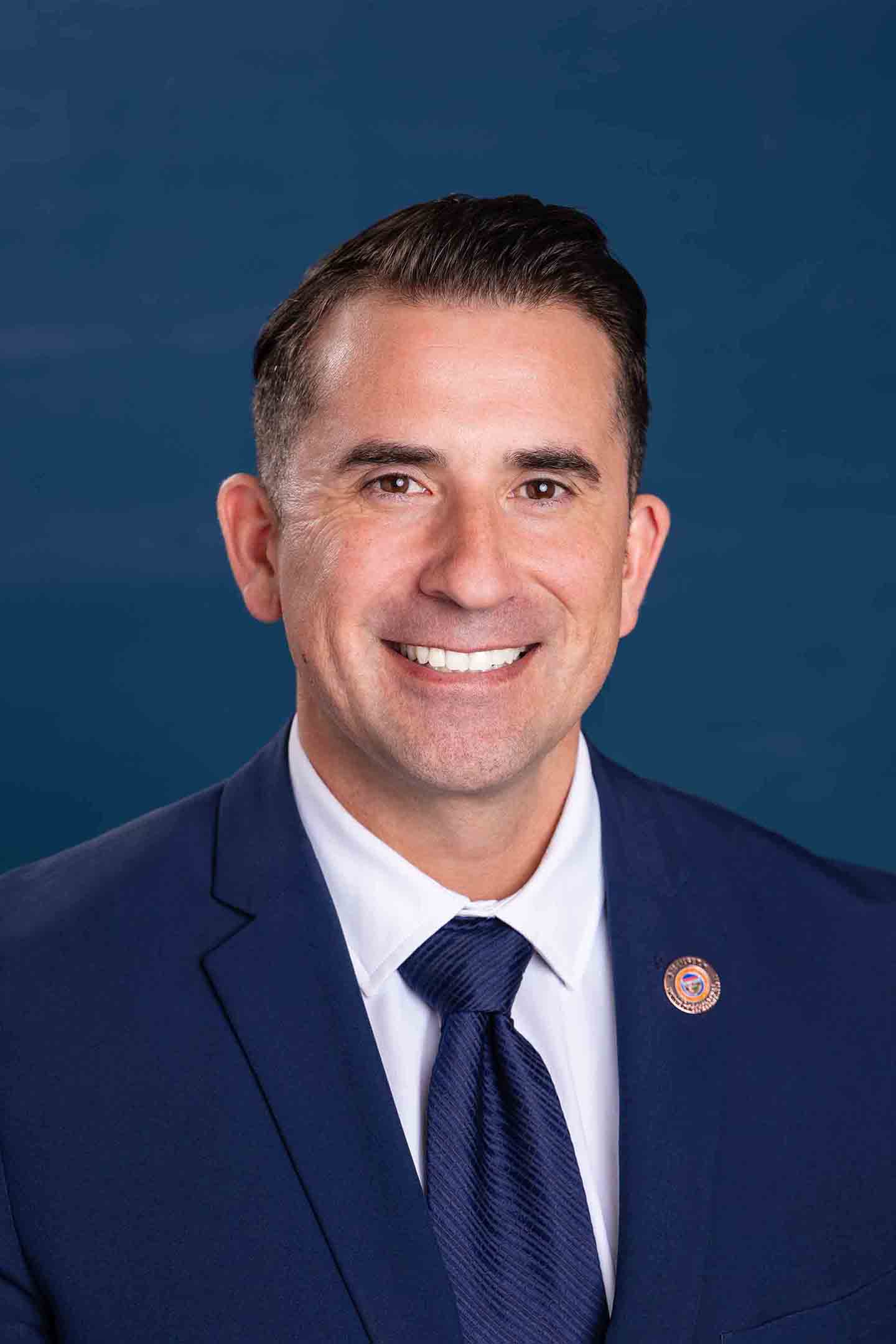
James Taylor
James Taylor House · District 29
R
Strong +
91% 220
David Livingston
David Livingston House · District 28
R
Strong +
91% 206
Tony Rivero
Tony Rivero House · District 27
R
Strong +
91% 220
Steve Montenegro
Steve Montenegro House · District 29
R
Strong +
90% 223
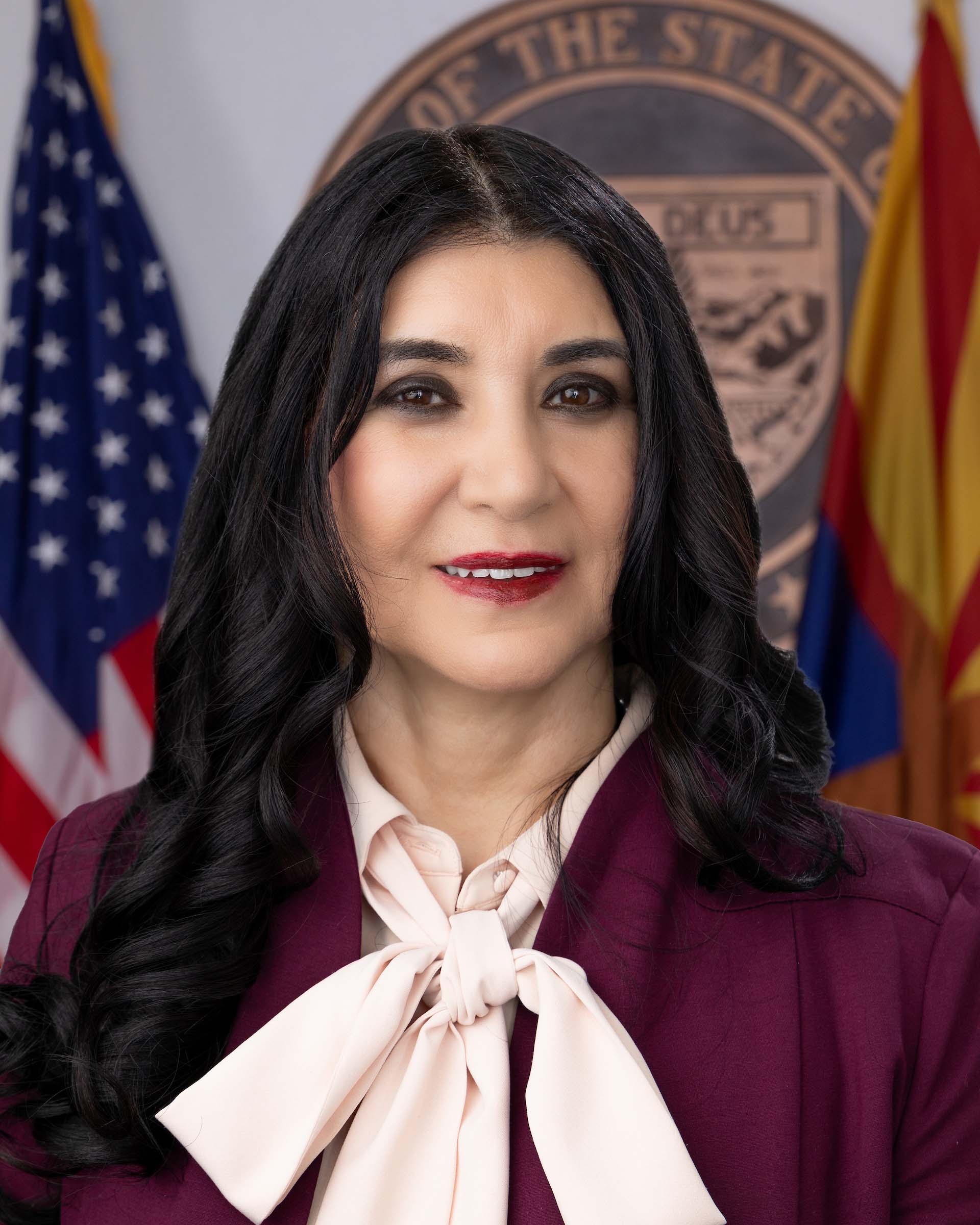
Anna Abeytia
Anna Abeytia House · District 24
D
Strong −
20% 167
Mariana Sandoval
Mariana Sandoval House · District 23
D
Oppose
21% 222
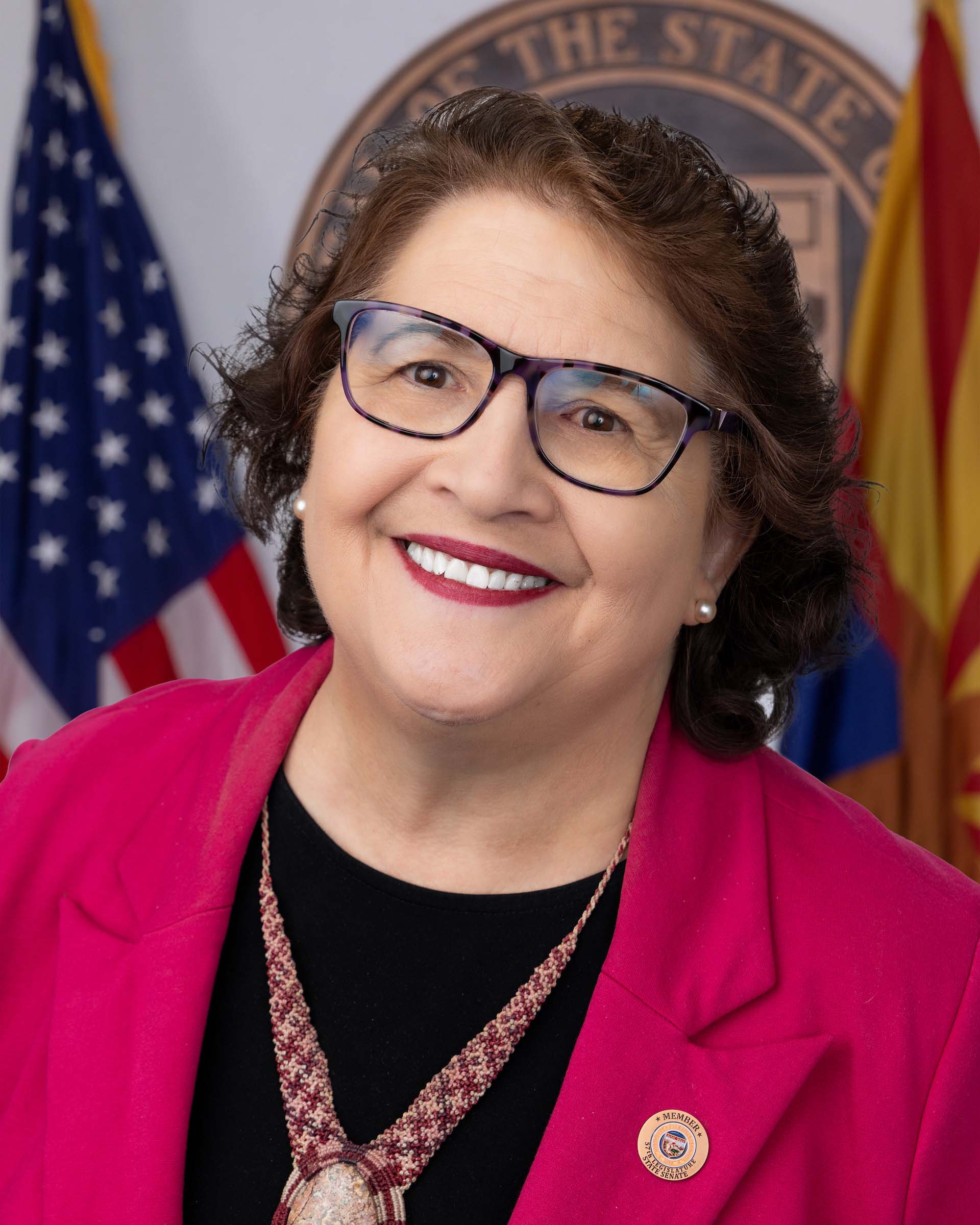
Eva Diaz
Eva Diaz Senate · District 22
D
Oppose
21% 148
Mitzi Epstein
Mitzi Epstein Senate · District 12
D
Oppose
23% 165
Aaron Marquez
Aaron Marquez House · District 5
D
Oppose
24% 217
Showing 31–40 of 400 bills

All budget & taxes bills

in committee · Arizona · Senate May 4, 2026

SB 1839: 2026-2027; higher education

This bill modifies how Arizona funds higher education for the 2026-2027 fiscal year by allowing the state to match less than two dollars for every dollar collected from student registration fee surcharges. It also adjusts the specific amounts of state aid provided to community college districts for STEM and workforce programs, as well as general operating funds. These changes direct the legislature to set the exact funding levels in the upcoming general appropriations act rather than following previous statutory requirements. The legislation directly affects the financial resources available to Arizona's community colleges and the students who rely on associated financial aid.
Sub-Topics Fees & Licensing
in committee · Arizona · Senate May 4, 2026

SB 1835: 2026-2027; commerce

SB 1835 updates Arizona's state lottery fund to ensure that money is first used to pay off lottery-related bond debts before funding other programs. The bill mandates specific annual allocations from the lottery fund to various state agencies, including the Arizona Game and Fish Commission, the Department of Child Safety, and the Department of Health Services, for designated initiatives like the Healthy Families Program and teenage pregnancy prevention. Additionally, it establishes a minimum deposit of $84.15 million into the state general fund before other distributions occur and directs remaining surplus funds to support homeless shelters, university capital improvements, and the state general fund. This legislation primarily affects state financial management and ensures that lottery revenue supports a defined set of public services and debt obligations.
Sub-Topics State Budget
vetoed · Arizona · House May 5, 2026

HB 4149: 2026-2027; local government.

This bill allows counties with fewer than 250,000 people to use up to $1.25 million from any revenue source to pay general county bills, even if that money was originally intended for a specific purpose. It applies only to fiscal year 2026-2027 and requires these counties to report to the state budget committee by October 1, 2026, detailing which funds were used for non-intended purposes and how much they plan to use next year. The legislation was passed by the legislature but was vetoed by the Governor.
Sub-Topics State Budget Tags Local Government
vetoed · Arizona · House May 5, 2026

HB 4152: 2026-2027; taxation; omnibus.

This bill updates Arizona's insurance premium tax rates and reporting requirements for the 2026-2027 period, directly affecting domestic and formerly authorized insurers operating in the state. It establishes specific tax rates for various insurance types, including a lower rate for fire insurance on properties in towns with private fire companies and a gradual reduction for other general insurance premiums. The legislation also mandates that a portion of the fire insurance tax be allocated to local municipalities and fire districts to support public safety personnel retirement systems. Additionally, the bill outlines procedures for insurers to file monthly tax reports, claim refunds for overpayments, and submit data electronically.
vetoed · Arizona · House May 5, 2026

HB 4139: 2026-2027; amusements.

This Arizona bill would require commercial horse racing operators to pay a 0.5 percent regulatory fee on all wagers placed during the 2026-2027 fiscal year. The fee would be collected from the money taken out of betting pools by the racing permits. Additionally, the bill allows first-time race starters to compete if they have official gate approval and have completed two timed workouts, with one workout occurring within 60 days of the race. These changes would apply to both live and simulcast horse racing events in the state for the specified years.
in committee · Arizona · Senate May 4, 2026

SB 1842: 2026-2027; local government

This bill allows Arizona counties with fewer than 250,000 residents to use general county funds to pay for specific financial obligations in the 2026-2027 fiscal year, provided they do not exceed $1.25 million for purposes unrelated to the original funding source. It applies to counties where the board of supervisors also manages any countywide special taxing jurisdictions. To ensure transparency, the legislation requires these smaller counties to submit a report by October 1, 2026, detailing whether they used such funds for alternative purposes and specifying the amounts involved.
Tags Local Government
in committee · Arizona · Senate May 4, 2026

SB 1832: 2026-2027; amusements

This bill directs the Arizona Department of Gaming to collect a new 0.5 percent regulatory fee from commercial horse racing operators in fiscal year 2026-2027, with the fee taken directly from the betting pools. It also temporarily changes eligibility rules for first-time race horses by allowing them to compete if they have gate approval and at least two timed workouts, including one conducted within sixty days of the race. These specific provisions regarding the fee and horse eligibility are set to expire on December 31, 2027.
vetoed · Arizona · House May 5, 2026

HB 4142: 2026-2027; commerce.

This bill amends Arizona state law to establish a specific order for how money from the state lottery fund is spent each year. It requires that funds first cover lottery operating costs and bond debt payments, followed by fixed annual allocations to various programs such as the Arizona Game and Fish Commission, child safety, health education, and disease control. The legislation also mandates that a minimum amount be deposited into the state general fund before other specific grants, like those for homeless shelters or university capital improvements, can be distributed. Ultimately, any remaining lottery money after these required payments and allocations must be sent to the state general fund.
Sub-Topics State Budget
vetoed · Arizona · House May 5, 2026

HB 4151: 2026-2027; revenue.

This bill establishes fees for Arizona counties, cities, towns, councils of governments, and regional transportation authorities to fund the state Department of Revenue's integrated tax system modernization project. The fees, which apply from June 2022 through June 2029, are calculated based on the amount of state shared revenue each local entity receives and are collected by the department. If a local government fails to pay the fee by December 31, the state treasurer will withhold future state revenue distributions until the debt is settled. All collected funds are placed in a dedicated project fund and can only be used to cover the actual administrative and operating costs of the tax system upgrade.
Sub-Topics Revenue
in committee · Arizona · Senate May 4, 2026

SB 1844: 2026-2027; revenue

This bill establishes a fee collection system for Arizona counties, cities, towns, councils of governments, and regional transportation authorities to fund the state's integrated tax system modernization project. The Department of Revenue will assess these fees annually based on the amount of state shared revenue each local entity receives, with a total annual cap of $6,286,300 for the 2026-2027 fiscal year. If a local government fails to pay the assessed fee by December 31, the state will withhold future state revenue distributions until the debt is cleared. All collected fees and related transfers will be placed into a dedicated fund used solely to cover the administrative and operational costs of updating the tax system.
Sub-Topics Revenue
Showing 31 to 40 of 400 bills
Previous 1 3 4 5 40 Next