

Issue · Budget & Taxes
Budget & Taxes
Every budget & taxes bill, vote, and legislator stance in Arizona, automatically classified by Maddy, our AI policy reader.
Total bills
315
119th Congress
Top supporter
Elijah Crane
76% support rate
Top opponent
Adelita S. Grijalva
18% support rate
Ranked legislators
8
5 support · 3 oppose
Key legislators
Who's moving budget & taxes in Arizona
| Legislator | Party | Stance | Support rate | Votes |
|---|---|---|---|---|
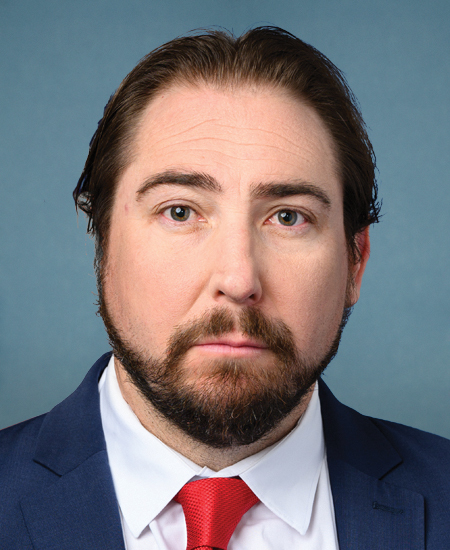
Elijah Crane
House · District 2
|
R |
Support
|
76% | 185 |
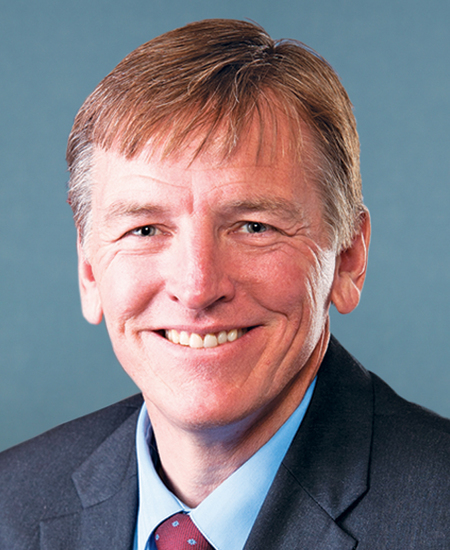
Paul A. Gosar
House · District 9
|
R |
Support
|
73% | 167 |
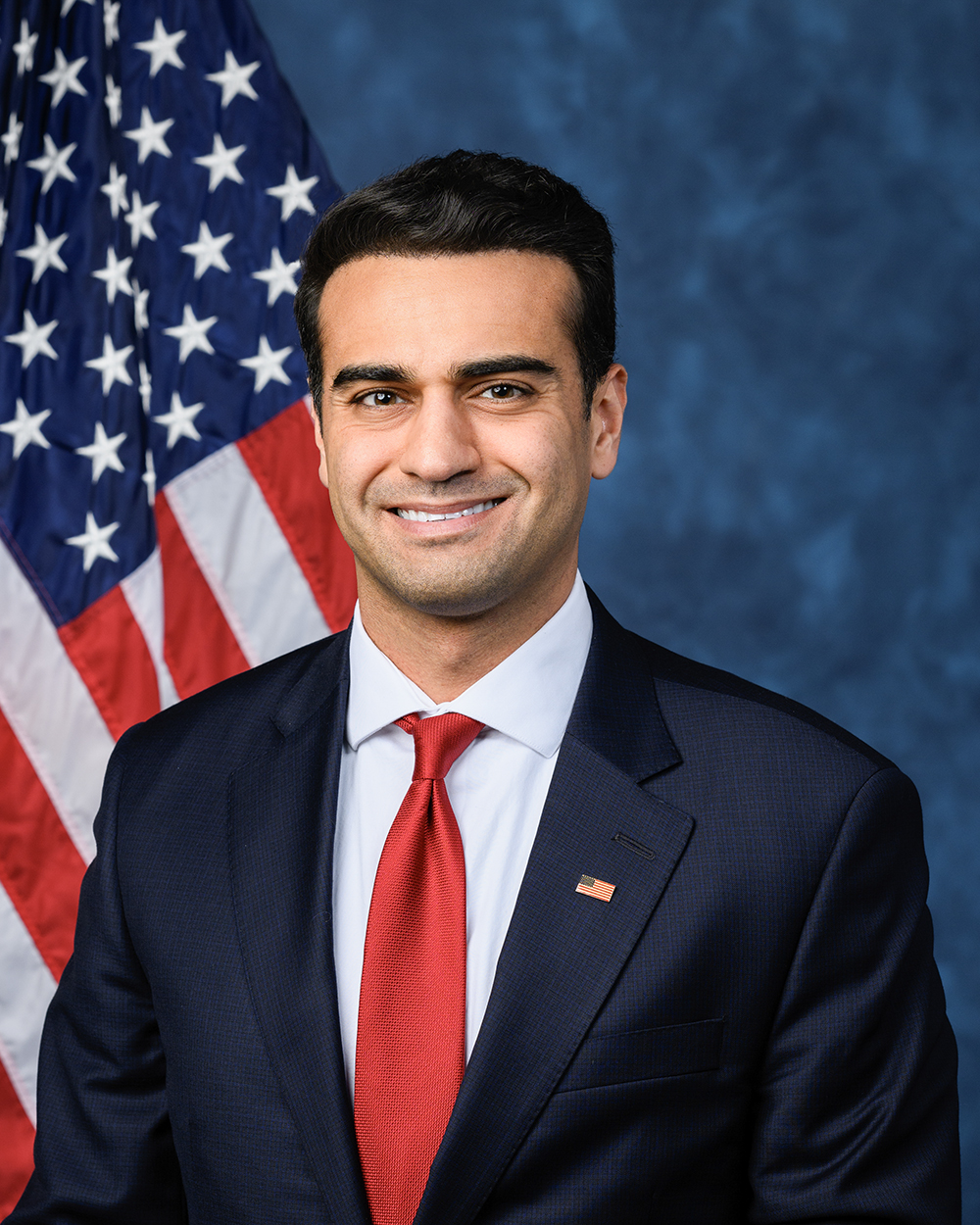
Abraham J. Hamadeh
House · District 8
|
R |
Support
|
73% | 185 |

Andy Biggs
House · District 5
|
R |
Support
|
72% | 162 |
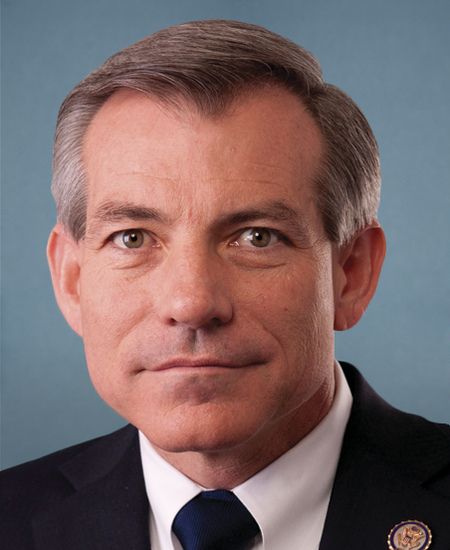
David Schweikert
House · District 1
|
R |
Support
|
70% | 180 |
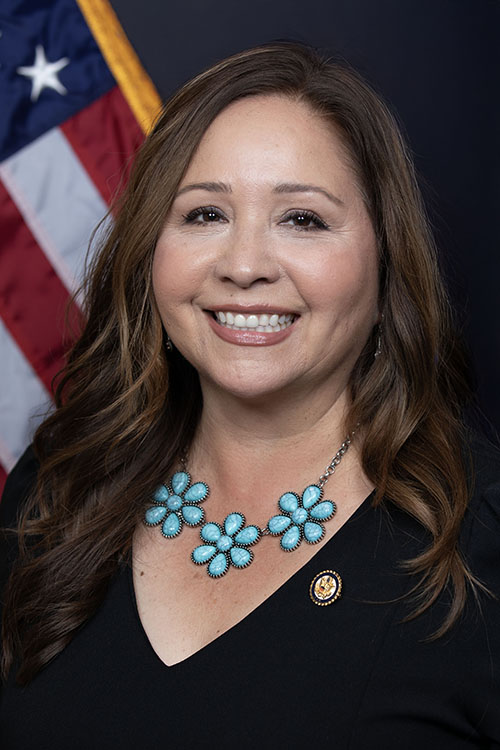
Adelita S. Grijalva
House · District 7
|
D |
Strong −
|
18% | 108 |
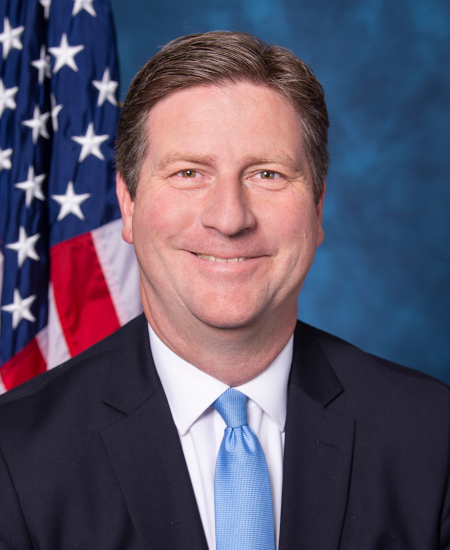
Greg Stanton
House · District 4
|
D |
Strong −
|
18% | 183 |
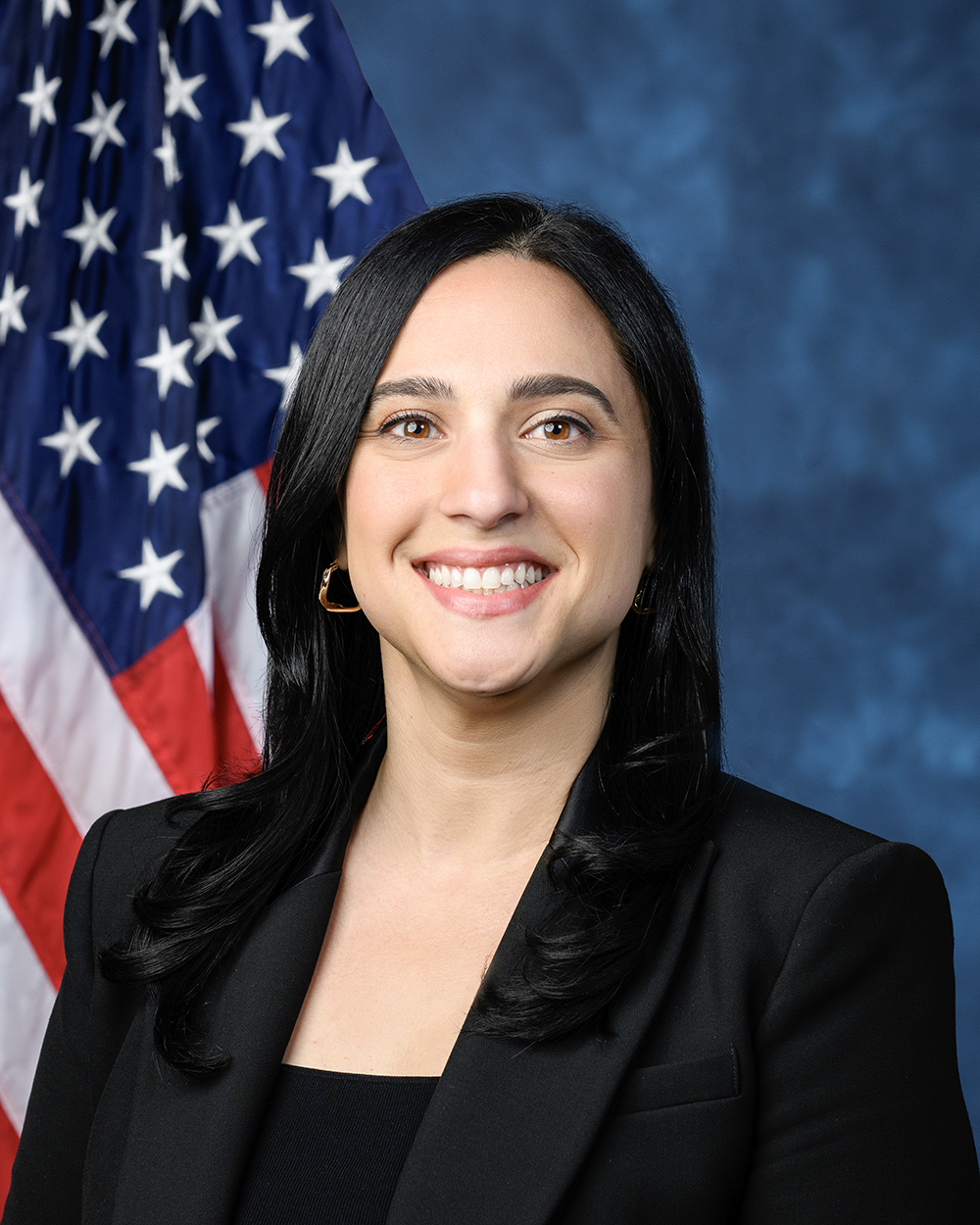
Yassamin Ansari
House · District 3
|
D |
Strong −
|
18% | 186 |
Showing 1–10 of 315
bills
All budget & taxes bills
HR 9958: Head Start Expansion and Improvement Act of 2026
Topics
✓ Budget & TaxesSupports Budget & TaxesBill authorizes $36 billion annually and creates a separate grant program to fund expanded early childhood education services.
✓ EducationSupports EducationBill expands Head Start eligibility and allocates $36B annually for early childhood education services and facility upgrades.
S 5114: PATH Act
Topics
✓ Budget & TaxesSupports Budget & TaxesBill increases federal funding availability for transit projects in high-growth communities, strengthening fiscal support for public infrastructure.
✓ TransportationSupports TransportationBill modifies funding rules to better support high-growth communities and expand fixed guideway transit projects.
S 5185: Audit the Pentagon Act
Sub-Topics
Audits & Accountability
HR 9824: Daycare Not Detentions Act of 2026
Topics
✓ Budget & TaxesSupports Budget & TaxesBill provides additional funding for child care programs and rescinds funds for border enforcement, indicating support for social services spending.
✓ EducationSupports EducationBill increases funding for child care and preschool programs, which supports early childhood education and expands access to educational services.
✗ ImmigrationOpposes ImmigrationBill rescinds $70B in funding for Customs and Border Protection and Immigration, directly weakening immigration enforcement capabilities.
HR 9945: Lowering Energy Costs through Grid Modernization Act
Topics
✓ Budget & TaxesSupports Budget & TaxesBill expands a federal tax credit to fund grid modernization, directly supporting fiscal management through tax incentives for infrastructure.
✓ EnergySupports EnergyBill promotes grid modernization, increases energy efficiency, and expands tax credits for transmission upgrades.
HR 9736: Stop CHEATERS Act
Topics
✓ Budget & TaxesSupports Budget & TaxesBill allocates billions for IRS enforcement and modernization to combat tax fraud and noncompliance, strengthening fiscal management.
✓ TechnologySupports TechnologyBill allocates funding to modernize IRS technology and systems to improve fraud detection capabilities.
S 4887: Hazardous Fuels Transportation Assistance Act of 2026
Topics
✓ Budget & TaxesSupports Budget & TaxesBill establishes a competitive grant program to fund hazardous fuels transportation, directly increasing government spending for wildfire risk reduction.
✓ EnvironmentSupports EnvironmentBill funds wildfire risk reduction projects and biomass transport, directly aiding forest conservation and reducing environmental hazards.
✓ TransportationSupports TransportationBill creates a grant program to fund hazardous materials transportation for wildfire risk reduction, directly supporting transportation infrastructure and logistics.
Sub-Topics
Forestry
HR 7086: Equitable Access to School Facilities Act
Topics
✓ Budget & TaxesSupports Budget & TaxesBill creates a federal grant program to fund school facility access, directly increasing government spending on education infrastructure.
✓ EducationSupports EducationProvides federal grants to improve charter school facility access in underserved communities, directly expanding educational infrastructure and access for K-12 schools.
Sub-Topics
School Choice
S 4605: Geothermal Cost-Recovery Authority Act of 2026
Topics
✓ Budget & TaxesSupports Budget & TaxesBill authorizes the Department of the Interior to recover administrative costs from geothermal applicants, promoting fiscal responsibility by ensuring government expenses are covered rather than burdened by general funds.
✓ EnergySupports EnergyBill enables cost recovery for geothermal lease processing, supporting renewable energy infrastructure development and reducing barriers to entry for geothermal projects.
Sub-Topics
Oil & Gas