

Maddy summaryThis resolution commemorates the fifth anniversary of the January 6, 2021, Capitol attack and honors the U.S. Capitol Police, Metropolitan Police Department, and Capitol staff (including custodial, janitorial, and maintenance personnel) who protected the building during the assault. It recognizes their bravery in defending Congress during the attack, which injured over 100 officers and contributed to five officer deaths, and acknowledges their ongoing essential work in maintaining Capitol operations. The resolution expresses Senate gratitude for their service and reaffirms commitment to protecting democratic processes. As a commemorative resolution, it does not create new laws or funding.
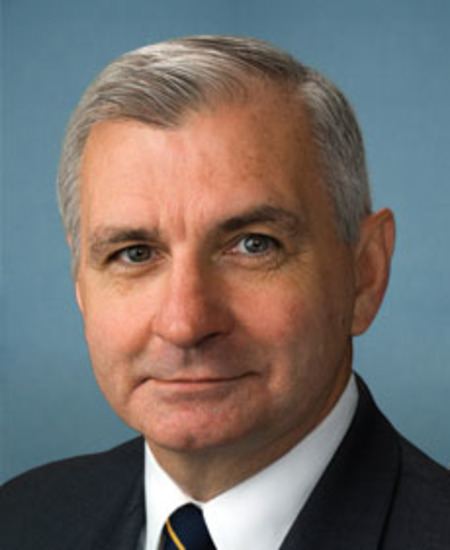
Sen. Jack Reed
Sponsored bills
Maddy summaryThis bill prohibits the use of federal funds to compensate individuals prosecuted for the January 6 Capitol attack, including those later pardoned. It bans using funds from the Judgment Fund, victim compensation programs, or creating new compensation funds for these individuals. Additionally, it prevents refunds of court-ordered restitution, fines, or special assessments paid by convicted rioters, directing any such funds to the Architect of the Capitol instead. The law directly affects people convicted (or pardoned) for involvement in the January 6 attack.
Maddy summaryS 3581, the "No Settlements for January 6 Law Enforcement Assaulters Act," prohibits using federal funds (including the Judgment Fund) to settle claims by individuals convicted of assaulting law enforcement during the January 6, 2021, Capitol breach. It directly affects those convicted under federal or D.C. law for assaulting officers during the Capitol events, banning settlements for claims related to harm suffered during the events or prosecution for those acts. The bill's key mechanism blocks all federal financial obligations for such settlements, regardless of the claim's basis. This is a substantive policy change affecting legal settlements for specific convicted individuals, not a procedural measure.
Maddy summarySJRES 82 is a joint resolution seeking to block a rule issued by the Department of Health and Human Services (HHS) regarding how the agency should follow the text of the Administrative Procedure Act (APA), a federal law governing how agencies create regulations. The rule, published in March 2025, was identified by the Government Accountability Office as a "rule" subject to the Congressional Review Act. If enacted, this resolution would void the HHS policy, preventing it from taking effect and requiring HHS to disregard this specific internal guideline. The bill directly affects HHS's rulemaking procedures by invalidating the policy statement on APA adherence.
Maddy summaryThis bill defines "buy now, pay later" (BNPL) loans under federal law as short-term payment plans for retail purchases repaid in four or fewer interest-free installments with no fees. It extends existing consumer protections from the Truth in Lending Act to BNPL loans, requiring lenders to follow the same rules as credit card issuers regarding dispute resolution, account protections, and customer rights. The bill directly affects BNPL lenders (who must now comply with these rules) and consumers using BNPL services for retail purchases. The Consumer Financial Protection Bureau must issue implementing rules within one year of the law’s enactment.
Maddy summaryThe Shadow Docket Sunlight Act of 2025 would require the U.S. Supreme Court to publish written explanations and disclose each justice's vote when issuing emergency orders about temporary court orders that block government actions (preliminary injunctions) or stays of such orders. The written explanation must address specific factors, such as whether the applicant is likely to succeed on the merits and whether the order serves the public interest. This rule does not apply to routine administrative decisions or requests to hear full cases. The bill also mandates biennial reports to Congress on how well the Court follows these transparency requirements.
Maddy summaryThe Schedules That Work Act would require employers in retail, food service, cleaning, hospitality, and warehouse sectors to provide workers with at least 14 days' advance notice of their schedules and pay predictability pay for last-minute changes. It gives employees the right to request schedule changes for reasons including health conditions, caregiving responsibilities, or enrollment in career training programs. Employers must engage in a good-faith process to address these requests unless they have a legitimate business reason to deny them. The bill aims to address widespread problems with unpredictable schedules that make it difficult for low-wage workers to manage family responsibilities, access healthcare, and secure stable housing and child care.
Essential Caregivers Act of 2025 This bill prohibits certain health care facilities from limiting the access of essential caregivers to residents of those facilities, including during designated emergency periods. Specifically, the bill generally prohibits Medicare skilled nursing facilities, Medicaid nursing facilities, Medicaid intermediate care facilities, and associated inpatient rehabilitation facilities from restricting the access of essential caregivers to residents of the facilities, including during emergency periods in which visitation rights are otherwise restricted. During emergency periods, facilities may restrict access for an initial period of up to seven days and for one additional maximum seven-day period (if the additional period is approved by the state health department). Facilities may restrict access for a total of 7 days (or 14 days with the approval of the state health department) during an emergency period. Essential caregivers must agree to comply with any safety protocols set by the facility, which may be no more stringent for caregivers compared to those for staff. Caregivers who fail to comply with these requirements may be denied access, subject to an appeals process.
Maddy summaryThis bill amends federal law to remove a specific deadline for completing background checks on firearm purchases. It deletes the requirement that background checks must be completed within 10 business days, as previously established under the Brady Handgun Violence Prevention Act. The change directly affects firearm sellers (such as licensed dealers) who conduct these checks, removing a strict timeline for completing the process. The bill focuses on technical adjustments to existing background check procedures without altering the underlying requirements for the checks themselves.
Maddy summaryThis bill increases federal funding for disaster resilience projects. It requires the federal government to cover at least 90% of costs for small hazard prevention projects under $1 million and potentially more than 90% for critical facilities like hospitals, schools, and emergency centers. The bill also makes hazard mitigation planning mandatory for states and local governments (changing "may" to "shall") and ensures Indian Tribes can directly access funds or apply through states for resilience projects. These changes apply to all eligible communities and tribes receiving federal disaster relief under the Stafford Act.