

Maddy summaryThis Senate resolution formally recognizes May as Asian American, Native Hawaiian, and Pacific Islander Heritage Month to honor the contributions of these communities to United States history. The document highlights the diversity of the population, cites historical milestones such as the completion of the transcontinental railroad and the passage of immigration laws, and acknowledges specific achievements of individuals like Daniel K. Inouye and Patsy Mink. It also notes the ongoing challenges faced by these groups, including a rise in hate crimes, while celebrating their growing presence in government and society. Ultimately, the bill serves as a symbolic statement of appreciation rather than establishing new legal requirements or funding.
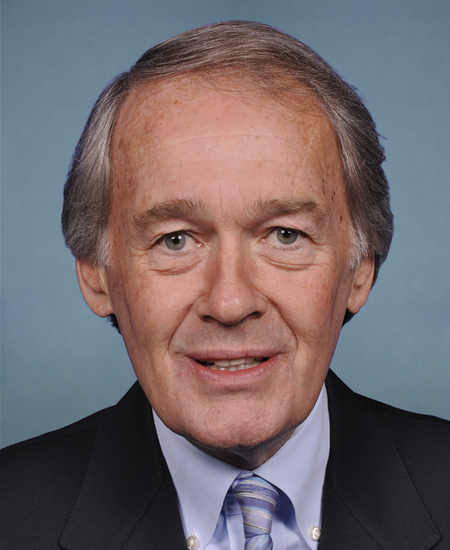
Sen. Edward J. Markey
Sponsored bills
Maddy summaryThis resolution designates May 10, 2026, as National Asian American, Native Hawaiian, and Pacific Islander Mental Health Day to highlight the unique mental health challenges faced by these communities. It aims to raise awareness about issues such as high healthcare costs, low service utilization rates, and the impact of historical trauma on mental well-being. The measure encourages federal, state, and local health agencies to develop policies that improve access to culturally and linguistically appropriate care. By linking this observance with National Mental Health Awareness Month, the bill seeks to reduce stigma and promote better health outcomes through increased support and resources.
Maddy summaryThis Senate resolution formally supports the goals and ideals of National Nurses Week, which is observed annually from May 6 to May 12, 2026. The measure recognizes the vital contributions of nurses to the healthcare system and encourages the public to acknowledge their role through ceremonies and activities during the designated week. While the bill does not create new laws or funding, it serves to honor the profession and highlight the importance of nursing in patient care and public health.
Maddy summaryThis Senate resolution formally recognizes the week of May 3 through May 9, 2026, as National Small Business Week to honor the contributions of small business owners and entrepreneurs across the United States. The measure expresses appreciation for the economic role these businesses play and acknowledges the resilience of their owners and employees. By adopting this designation, the Senate aims to celebrate the entrepreneurial spirit within every community without imposing any new laws or regulations.
Maddy summaryThis Senate resolution expresses support for designating April 2026 as "Fair Chance Jobs Month" to raise awareness about employment barriers faced by formerly incarcerated individuals. While the bill itself does not change laws, it encourages the removal of obstacles like licensing restrictions and promotes fair-chance hiring practices. The resolution also calls for expanded workforce development programs, better access to housing and healthcare, and increased collaboration between government agencies and community groups to help returning citizens secure stable employment.
Maddy summaryThe Promoting Access to Broadband Act of 2026 directs the Federal Communications Commission to create two grant programs for states to improve access to the Lifeline broadband subsidy. The first program provides funding to help states inform low-income residents who qualify for the Lifeline benefit but are not yet enrolled about how to apply and what the program offers. The second program funds states to connect their local benefit databases with the National Lifeline Eligibility Verifier, ensuring that receipt of other government assistance is properly recorded for eligibility checks. To receive these grants, states must submit detailed plans outlining their outreach strategies and expected reach, with the FCC prioritizing areas with more eligible individuals and diverse geographic regions. The bill also requires the FCC to report on the programs' effectiveness to Congress within three years and authorizes funding for the first five fiscal years.
Maddy summaryThis bill, known as the Protecting Human Rights and Public Health in Foreign Assistance Act, directs federal agencies to ignore three specific final rules issued by the Department of State. It explicitly prohibits any government department from implementing, enforcing, or creating new policies similar to these existing rules, effectively treating them as if they never existed. The targeted regulations concern protecting life, combating discriminatory equity ideology, and addressing gender ideology within foreign aid programs. By nullifying these rules, the legislation removes the current administrative requirements related to these topics from U.S. foreign assistance activities.
Maddy summaryThis bill, titled the No Immunity for Glyphosate Act, allows individuals who have suffered physical injury, illness, or death due to exposure to glyphosate-based herbicides or elemental phosphorus to sue manufacturers and distributors in federal court. It removes legal protections that previously shielded these companies from liability, ensuring they cannot use federal orders or contracts as a defense against lawsuits. The legislation permits victims to seek compensation for medical costs, lost income, and other damages while explicitly preserving the ability to file similar claims under state laws.
Maddy summaryThe Protecting America's Workers Act expands workplace safety protections by including public employees and voluntary emergency responders under federal safety laws, while also strengthening whistleblower safeguards against retaliation. Key provisions require employers to report serious work-related injuries and deaths, mandate the posting of employee rights, and establish a process for victims and families to participate in enforcement proceedings. The bill also increases civil and criminal penalties for safety violations, improves oversight of state safety plans, and authorizes additional funding for training and hazard evaluations.
Maddy summaryThe Investing in the American Dream Act expands eligibility for Small Business Administration loans to include businesses owned by certain immigrants, such as refugees, asylees, and individuals with deferred action. To qualify, these businesses must be located in the United States and at least 51 percent owned and controlled by U.S. citizens or nationals of the United States. The law explicitly states that businesses meeting these ownership and location requirements cannot be denied loans solely because they are owned by eligible immigrants. Additionally, the bill clarifies that it does not grant the SBA authority to increase the 51 percent ownership threshold for any type of loan.