

Maddy summaryThis bill adds Medicare coverage for multi-cancer early detection screening tests (blood or biological tests analyzing cell-free DNA) starting January 1, 2028. It directly affects Medicare beneficiaries aged 68 and older (starting in 2028, with the age limit increasing by 1 year annually), requiring tests to be FDA-cleared and deemed reasonable/necessary by the Secretary for early cancer detection across multiple organ sites. Payment will initially match current stool DNA test rates before 2031, then shift to a lower rate or new payment system after 2031, with limits preventing more than one test per year. The bill explicitly states it does not alter coverage for existing cancer screenings like breast, colorectal, or prostate cancer tests.
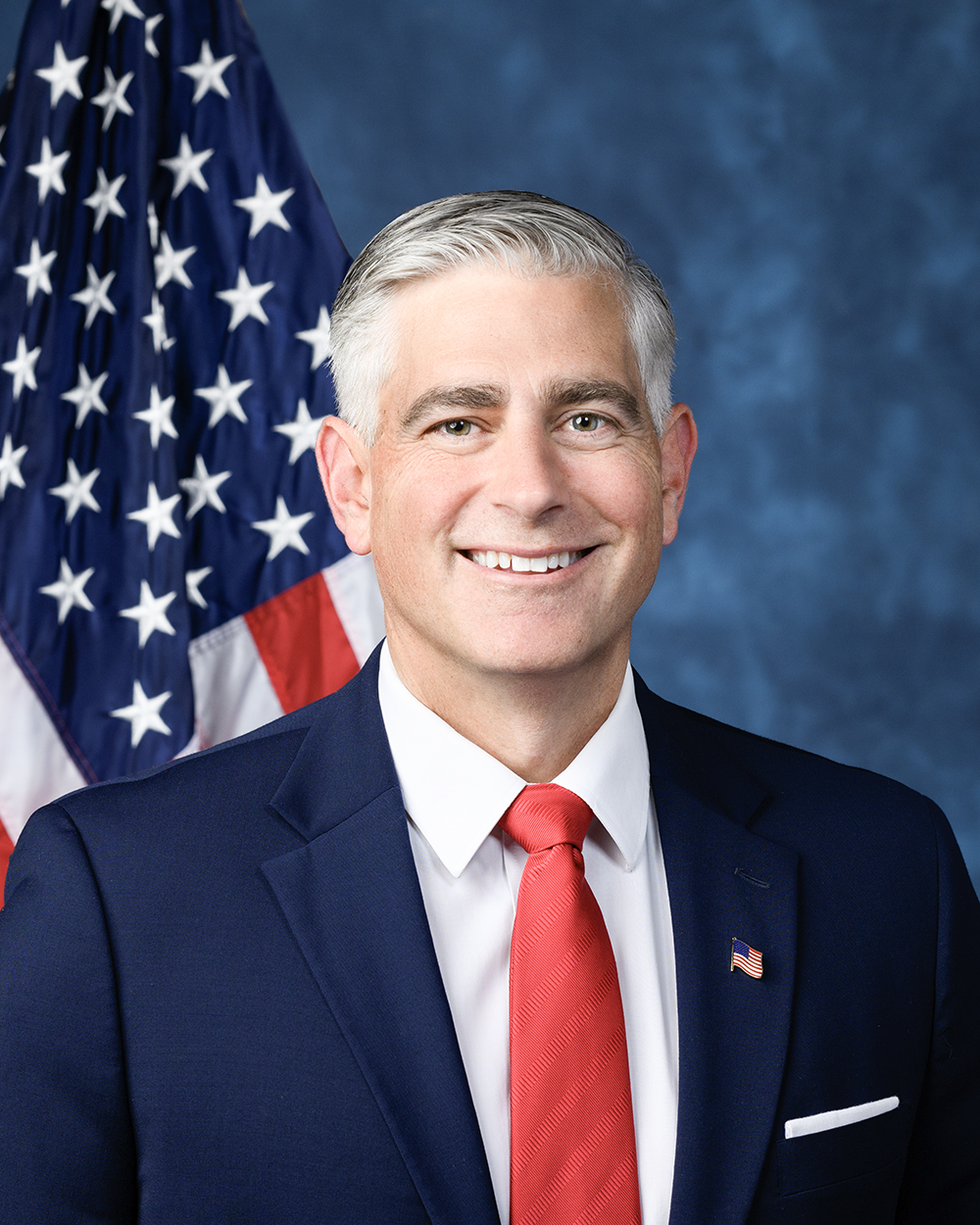
Rep. Michael Baumgartner
Sponsored bills
Maddy summaryThis bill would require all states to recognize valid concealed carry permits issued by other states, allowing permit holders to carry concealed handguns (excluding machine guns) in any state that either issues such permits or doesn't prohibit concealed carry. It directly affects law-abiding gun owners with valid permits from their home state, ensuring they can carry in states with similar permit systems or no prohibitions. Key provisions include treating valid permit documents as proof of legal carry (reducing officer stops), shifting the burden of proof to prosecutors if challenged, and allowing civil lawsuits for violations with attorney's fee awards. The bill does not override state laws restricting firearms on private property or government land, nor does it affect federal gun restrictions like those in section 922(q).
Maddy summaryThis bill requires NASA and NOAA to establish civilian space cooperation with Taiwan within 90 days of enactment, focusing on satellite programs, weather technology, and personnel exchanges. It mandates that these efforts comply with the Taiwan Relations Act and U.S. export rules while protecting U.S. intellectual property and economic interests. The agencies must submit annual reports to Congress detailing cooperation activities, challenges, and progress for five years after enactment. The bill directly affects U.S. space agencies and Taiwan’s space agency, facilitating non-military space collaboration. It does not alter existing U.S. policy toward Taiwan but creates a formal mechanism for expanded technical engagement.
Maddy summaryHR 5510, the United States-Mexican War Memorial Act of 2025, would co-designate Arlington Memorial Bridge in Washington, D.C., as the "United States-Mexican War Memorial" without altering the bridge's name, function, or physical structure. The bill authorizes minimal interpretive elements like signage or plaques to honor the 1846-1848 war and the Treaty of Guadalupe Hidalgo, consistent with historic preservation laws. It prohibits federal funding for these elements, relying instead on donations, and ensures no interference with the bridge’s transportation role or existing commemorative works. The measure affects only the bridge’s designation, not its operation or the broader historical narrative.
Maddy summaryThis bill prohibits U.S. courts from enforcing judgments based on Shari'a or any foreign law if they conflict with constitutional rights, particularly in family law cases like divorce, child custody, or inheritance. It requires courts to apply only U.S. law when foreign legal systems would violate fundamental rights such as due process, equal protection, or freedom from coercion. Contracts may still reference foreign law, but enforcement is blocked if it infringes constitutional protections. The law aims to ensure all court decisions comply with U.S. constitutional standards nationwide.
Maddy summaryThis bill permanently bans nitazenes and all structurally related synthetic opioids under federal law, creating a broad definition that covers numerous chemical variations designed to evade current restrictions. It directly affects anyone manufacturing, distributing, or possessing these substances without authorization, including illicit drug producers and users. The key mechanism is a class-wide Schedule I classification that includes specific structural features (like modified benzimidazole rings) and excludes new analogs from legal loopholes. This approach aims to prevent new nitazene variants from entering the illegal market and addresses their role in overdose deaths. Substances previously temporarily banned under similar rules will now be permanently prohibited as of the bill's enactment.
Maddy summaryHR 5401, the Pay Our Troops Act of 2026, ensures military personnel, civilian Defense workers, and supporting contractors receive pay during government funding gaps in fiscal year 2026. It appropriates emergency funds for active-duty service members, reserves, and their supporting personnel (including Coast Guard staff under DHS) if regular appropriations aren't enacted by the end of the fiscal year. The bill provides necessary pay and allowances during any period when full-year funding is unavailable, covering both active service and support roles. Funding expires when regular appropriations are passed, a funding resolution is enacted, or January 1, 2027, whichever comes first. This is a procedural measure to prevent pay delays for military and support staff during fiscal year 2026 funding lapses.
Maddy summaryHR 5272, the *Protect Elections from Deceptive AI Act*, prohibits the intentional distribution of AI-generated audio or video that falsely represents a federal candidate’s appearance, speech, or conduct in a way that would mislead voters during an election. It directly affects candidates for federal office, political committees, and entities distributing such content with the intent to influence elections or solicit funds. The bill includes key exceptions for news organizations (with clear authenticity disclosures), publications (with explicit statements), and satire. Victims can seek court injunctions or damages for violations, with the burden of proof requiring "clear and convincing evidence." This law aims to prevent AI-generated disinformation from distorting election outcomes.
Maddy summaryHR 3592, the Protect LNG Act of 2025, prevents court challenges from halting LNG export permits during litigation. It requires courts to send environmental review disputes back to federal agencies (like the Department of Energy or FERC) instead of canceling permits, and mandates that agencies continue processing all LNG facility applications. The bill also sets a strict 90-day deadline for filing legal challenges after a permit is finalized. This directly affects LNG companies seeking export approvals and federal agencies overseeing these projects.
Maddy summaryThe Pacific Northwest Gray Wolves Relief Act of 2025 requires the Secretary of the Interior to reissue a 2020 federal rule that removed gray wolves from the endangered species list. This reissued rule would apply exclusively to gray wolf populations in Oregon and Washington, ending federal protections for wolves in those states. The bill mandates this reissuance within 60 days of enactment, directly affecting gray wolf management in Oregon and Washington. As a result, gray wolves in these states would no longer be classified as federally endangered under the Endangered Species Act.