

Maddy summaryThe Military Next-Gen Collision Avoidance Act of 2026 requires the Secretary of Defense to create and submit an action plan for deploying advanced airborne collision avoidance technology to military aircraft. This plan must outline a strategy for widespread adoption, detail necessary funding and research steps, and assess how the technology improves safety for various aircraft operators. Additionally, the bill mandates a briefing to congressional committees within 30 days of submitting the plan to discuss its contents and next steps. The legislation focuses on integrating new systems that help planes detect and avoid other aircraft using existing data broadcast equipment.
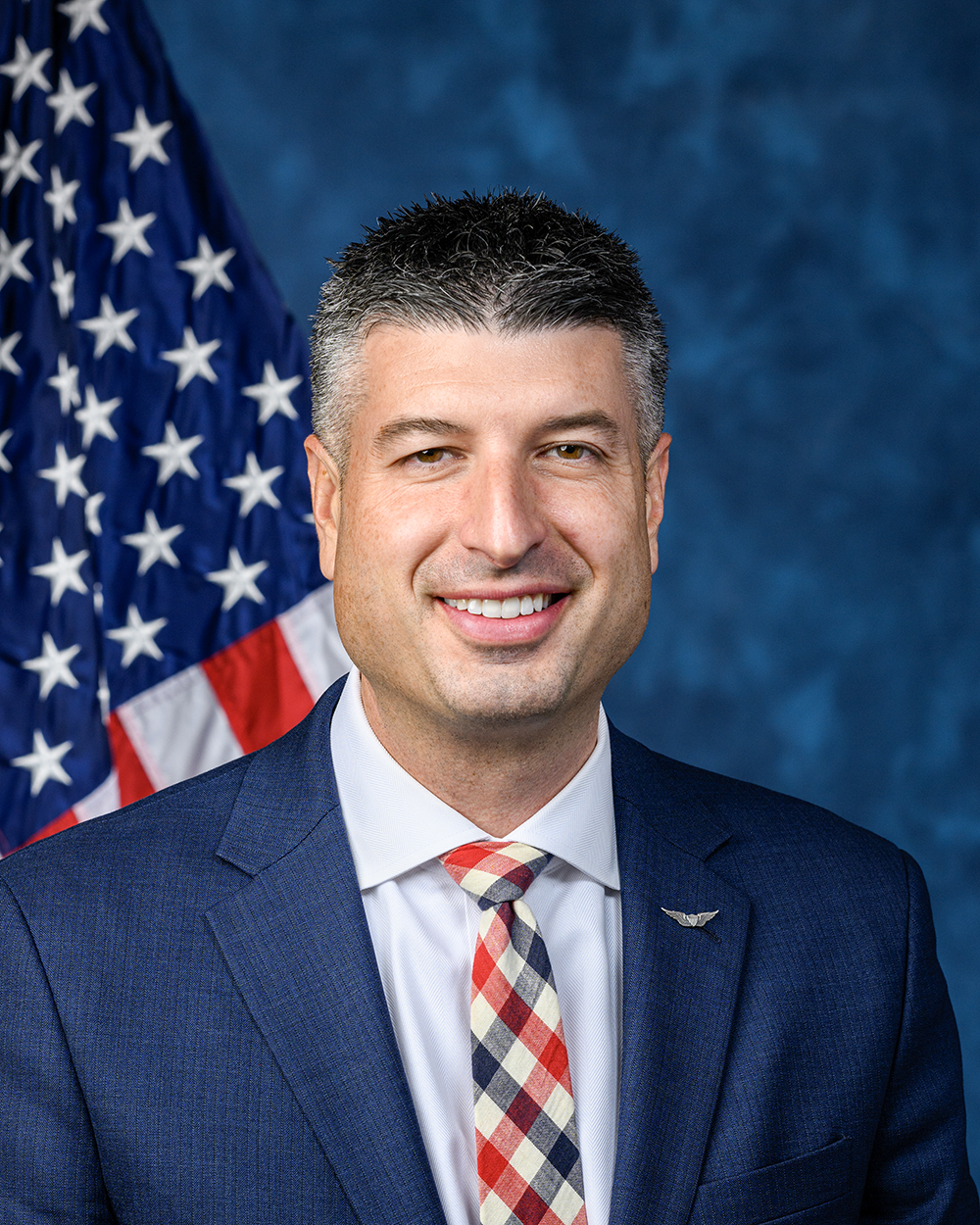
Rep. Tom Barrett
Sponsored bills
Maddy summaryThe Jewish American Security Act aims to combat antisemitism by strengthening protections for Jewish students, securing Jewish communities, and increasing transparency regarding online hate speech. For educational institutions receiving federal funds, the bill mandates the creation of specific coordinators to handle discrimination complaints, requires annual training on handling antisemitism, and establishes a new federal clearinghouse to share best practices for campus safety. To support physical security, the legislation expands grant funding for nonprofit organizations and directs the Attorney General to provide resources for law enforcement agencies protecting houses of worship. Additionally, the act requires major online platforms with over 50 million monthly users to submit detailed reports to the Federal Trade Commission on how they detect, remove, and moderate antisemitic content.
Maddy summaryThis resolution formally acknowledges Michigan's contributions to the United States as the nation celebrates the 250th anniversary of the Declaration of Independence. It recognizes that Michigan became the 26th state in 1837 and highlights the lasting impact its residents have had on the country's success. The measure encourages all citizens to reflect on the ideals of the Founding Fathers and the fight for independence. As a commemorative action, the bill does not create new laws or change existing policies but serves to honor historical events and state achievements.
Maddy summaryHR 4398, the Veteran Burial Timeliness and Death Certificate Accountability Act, requires Veterans Affairs (VA) physicians or nurse practitioners to certify the death of a veteran who dies of natural causes within 48 hours of learning of the death. This directly affects veterans' families, who previously faced delays of up to eight weeks in burial and access to survivor benefits due to slow death certifications. The bill mandates annual reports to Congress on VA compliance with the 48-hour rule, including statistics on delays and their causes. The key change is establishing a strict timeline for death certification to prevent unnecessary delays in honoring veterans' final arrangements.
Maddy summaryThe American Drone Manufacturing Dominance Act of 2026 requires law enforcement agencies receiving federal grants to certify that they will stop buying drones from designated foreign countries by 2027 and phase out existing foreign-made drones by 2031. To support this transition, the bill establishes a buyback program that pays agencies to surrender foreign drones and offers grants to help them purchase secure, domestically produced alternatives. Additionally, the legislation provides funding to private companies to build or expand drone manufacturing facilities in the United States, with a requirement that these systems be adaptable for defense use. Non-compliant agencies face penalties including the loss of future funding and the requirement to repay previous grants, while the bill also authorizes $1.5 billion in funds derived from trade duties to finance these initiatives.
Maddy summaryThis bill redesignates the existing National Parks and Public Land Legacy Restoration Fund as the America's Legacy Restoration Fund to address deferred maintenance on federal lands. It directs revenue from recreation fees and a portion of energy development income into the fund, which must be used primarily for repairing critical infrastructure like roads, trails, and buildings managed by agencies such as the National Park Service and the Forest Service. The legislation establishes strict rules requiring that most funds go toward non-transportation projects, mandates transparency through public dashboards tracking project status, and sets aside a small percentage for matching private donations. Additionally, the bill increases entrance fees for foreign visitors to ensure they contribute to the fund, while prohibiting the use of these specific funds for land acquisition or employee bonuses.
Repealing Big Brother Overreach Act This bill repeals the Corporate Transparency Act. The act requires existing companies and newly created companies to report beneficial ownership information to the Department of the Treasury’s Financial Crimes Enforcement Network for purposes of addressing the financing of terrorism and money laundering.
Maddy summaryThis bill proposes a constitutional amendment to explicitly allow Congress and state governments to regulate campaign contributions and spending for public office elections and ballot initiatives. The key provision grants authorities the power to distinguish between individual voters and artificial entities like corporations or unions, specifically permitting restrictions on the latter's ability to raise and spend money in these campaigns. By adding this authority to the Constitution, the bill aims to override previous legal interpretations that limited such regulations, ensuring that laws restricting corporate political spending are constitutionally valid.
Maddy summaryThis resolution expresses the House of Representatives' support for keeping the words 'one Nation under God' in the Pledge of Allegiance. It highlights historical events, such as the 1954 amendment and recent 250th anniversary celebrations, to emphasize the phrase's role in American civic tradition. The bill does not change any laws or alter the Pledge itself; instead, it serves as a formal statement of the House's position on the matter.
Maddy summaryThis bill requires states to report annually to the federal government on waste, fraud, and abuse detected in home and community-based services funded by Medicaid. Starting in 2026, state agencies must submit details on any such issues they find, along with descriptions of the steps they have taken to prevent them. The law directly affects state Medicaid programs that provide care in community settings rather than institutions. By mandating these reports, the legislation aims to increase transparency and accountability in how these services are managed.