

Maddy summaryHR 2423, the Unfair Tax Prevention Act, amends the U.S. tax code to modify how the base erosion tax applies to certain foreign-owned businesses. It directly affects foreign-controlled entities operating under specific foreign tax systems that impose taxes based on ownership chains, such as those linked to foreign corporations. Key provisions include treating these entities as "applicable taxpayers" for tax purposes, changing a deadline from December 31, 2025, to the bill's enactment date, and counting 50% of their cost of goods sold as a tax benefit while excluding certain other tax rules. The changes apply to taxable years beginning after the bill becomes law.
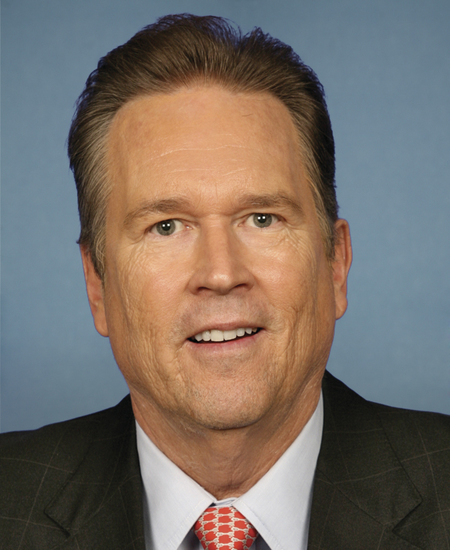
Rep. Vern Buchanan
Sponsored bills
Ensuring Continuity in Veterans Health Act This bill requires the consideration of continuity of care when determining whether care through the Veterans Community Care Program is in the best medical interest of a veteran.
Maddy summaryThe Air America Act of 2025 authorizes one-time payments of $40,000 to individuals who worked for Air America or its affiliated companies for at least five years during 1950-1976, or to their surviving spouses, children, or dependents. Additional payments of $8,000 per full year beyond five years are allowed. The program is capped at $60 million total funding, with claims required within two years of final regulations. Payments are a single lump sum with no ongoing benefits, and the bill explicitly states it does not create new entitlements beyond this one-time award.
Maddy summaryThis bill changes a tax rule for Real Estate Investment Trusts (REITs) that use taxable subsidiaries. It increases the percentage limit for assets held in these subsidiaries from 20% to 25% of a REIT's total assets, directly affecting REIT companies that operate through such subsidiaries. The key provision amends the Internal Revenue Code to restore this higher asset threshold, which had been reduced earlier. The change applies to taxable years starting after December 31, 2025.
Maddy summaryHR 2204 requires U.S. universities to immediately report international students on F-1 or J-1 visas who support designated foreign terrorist organizations to the government's Student and Exchange Visitor Information System (SEVIS). If verified, the State Department would revoke the student's visa, and Homeland Security would begin removal proceedings. This bill directly affects international students holding F-1 or J-1 visas who endorse or support groups designated as foreign terrorist organizations under U.S. law. The key mechanism is a mandatory reporting requirement for universities, triggering visa revocation and potential deportation for affected students.
Maddy summaryThis bill amends the tax code to permanently establish a 7-year depreciation period for motorsports entertainment complexes, replacing a temporary provision. It directly affects businesses operating these facilities by allowing them to deduct the cost of qualifying assets over seven years instead of a shorter period. The key change is removing a temporary rule (subparagraph D) from the tax code, making the longer recovery period permanent for these specific properties. The bill focuses solely on clarifying and extending this tax treatment without additional policy changes.
Preserving Patient Access to Home Infusion Act This bill specifically includes pharmacy services and home infusion drugs that are administered without a pump as part of covered home infusion therapy under Medicare. The bill also allows nurses and physician assistants to establish and review the plan of care for home infusion therapy, and it specifies that payment may be made regardless of whether a practitioner is physically present in the home at the time the drug is administered.
Maddy summaryThe FOCA Act of 2025 prohibits federal agencies from requiring or banning contractors from using union agreements in construction project bids or contracts. It directly affects federal agencies, contractors, and subcontractors working on federally funded or assisted construction projects (like buildings or infrastructure). The law requires bid documents to not favor or penalize contractors based on whether they have union agreements, aiming to promote open competition and prevent discrimination. This changes how agencies structure bids but does not affect union agreements themselves. The bill applies to all new contracts and subcontracts after enactment, with limited exemptions only for public health/safety emergencies or national security.
Maddy summaryHR 1290, the Veterans Mental Health Crisis Referral Enhancement Act of 2025, requires the VA to create a three-year pilot program connecting veterans in mental health crises with approved non-VA providers. The program, testing in at least three locations, mandates referrals within one week, develops provider approval criteria, and trains VA staff. It includes annual reports tracking referrals, wait times, and veteran satisfaction, plus a final evaluation after the pilot. The bill authorizes $3 million annually (2025-2027) for this referral system, directly affecting veterans seeking urgent mental health care outside VA facilities.
Maddy summaryHR 1289, the Veterans Nutrition and Wellness Act of 2025, creates a 3-year pilot program (the "Food is Medicine" program) within the Department of Veterans Affairs. It provides medically-tailored meals and groceries, along with nutrition education and cooking classes, to veterans enrolled in VA care who have specific chronic conditions (like diabetes, cancer, or heart failure) or maternal health needs (including prenatal/postpartum care with risks like preeclampsia). The program requires VA to partner with community organizations for food sourcing, train VA health providers on integrating the program, and report annually on participant health outcomes, healthcare utilization, and cost savings. The pilot is limited to veterans meeting the defined eligibility criteria and will terminate after three years.