

Maddy summaryHR 3904, the U.S. Bicycle Production and Assembly Act, exempts specific bicycle parts from import duties when used for assembling or manufacturing complete bicycles in the United States. It directly affects U.S. bicycle manufacturers and importers who must certify parts will be used domestically and provide documentation to customs. The bill creates a new tariff code (9903.87.11) covering 30 specific part categories (e.g., frames, electrical components, tires) and requires importers to confirm parts are for U.S. assembly. It sets concrete goals: 2 million bicycles assembled annually within 5 years and 5 million within 10 years, with a mandatory report to Congress evaluating progress.
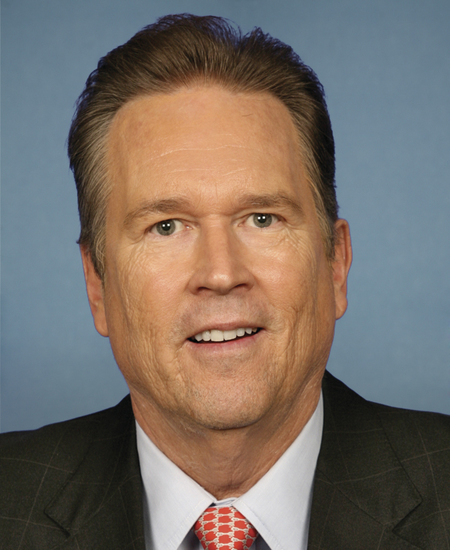
Rep. Vern Buchanan
Sponsored bills
Maddy summaryThis bill would make non-citizens deportable if they incite or participate in riots during civil unrest involving assaults on law enforcement or military personnel, or destruction of public property, and who were unlawfully present, had DACA, or were lawful permanent residents at the time of the offense. It permanently bars such individuals from reentering the U.S. or accessing any relief from deportation, including asylum, cancellation of removal, or future DACA benefits. During declared emergencies (such as national disasters or state emergencies), the law mandates expedited removal and mandatory detention for those covered, with no discretion for enforcement.
Maddy summaryThe FORCE-FIT Act (HR 3750) establishes a 5-year pilot program under TRICARE to provide continuous glucose monitoring technology to active-duty service members with specific health conditions, including prediabetes, non-insulin-dependent type 2 diabetes, gestational diabetes history, or being overweight/obese. It requires participation for members categorized as "Partially Medically Ready" or "Not Medically Ready" under the Individual Medical Readiness program, aiming to improve health outcomes and force readiness through real-time metabolic tracking. The bill strictly prohibits using collected health data for military discharges or allowing private companies to retain or misuse this information, ensuring data is used solely for program evaluation, preventative care, and readiness assessments. Mandatory reports to Congress after three years and at program end will assess participation rates, health impacts, and effectiveness before determining whether to extend the pilot.
Maddy summaryHRES 472 is a symbolic House resolution condemning an antisemitic terrorist attack in Boulder, Colorado, on June 1, 2025, which targeted Jewish individuals. The resolution explicitly condemns the attack - where the perpetrator used Molotov cocktails against victims aged 52-88, including a Holocaust survivor - and calls for prosecuting the perpetrator. It also expresses concern about rising antisemitism on campuses and online, while urging Congress to secure borders and deport visa overstayers (though this is a symbolic call, not a new law). The resolution directly affects the Boulder Jewish community and victims of the attack, with no new policy changes enacted.
Maddy summaryThe DEFIANCE Act of 2025 creates a new civil legal remedy for victims of non-consensual intimate digital forgeries (synthetic images or videos manipulating real people into sexual contexts without consent). It allows affected individuals to sue perpetrators in federal court for damages up to $250,000, injunctions to remove content, and privacy protections like pseudonyms. The bill specifically covers cases where forgeries are created or shared with intent to disclose, including scenarios involving sexual assault or harassment. It expands existing federal protections under 15 U.S.C. 6851 to address digital forgeries while ensuring state laws remain in effect.
Maddy summaryHR 3512, the Tackling Predatory Litigation Funding Act, imposes a new annual tax on funds received by third-party investors who finance lawsuits through litigation financing agreements. It directly affects investors (including foreign entities) who provide funding to plaintiffs or law firms in exchange for a share of settlement or judgment proceeds, excluding small agreements under $10,000 or standard loans. The tax equals the top individual income tax rate plus 3.8 percentage points, with 50% withheld from settlement payments by parties involved in the lawsuit. The law also clarifies that such funds cannot offset losses and excludes certain typical legal fee reimbursements from taxation. The provisions take effect for taxable years beginning after December 31, 2025.
Maddy summaryThis resolution (HRES 420) supports designating May 16, 2025, as "Endangered Species Day" to recognize conservation efforts under the Endangered Species Act of 1973. It highlights the Act's success in preventing extinction for species like the bald eagle and loggerhead sea turtle, and acknowledges the cultural and economic value of protecting wildlife. The resolution has no legal effect or policy changes - it is a symbolic gesture to celebrate biodiversity conservation and the Act's role in addressing the global biodiversity crisis. It does not impose new requirements or directly affect any individuals, communities, or agencies.
Maddy summaryThis bill changes the governance structure of the Consumer Financial Protection Bureau (CFPB) from a single Director to a 5-member commission. The commission would require at least 2 members with private sector financial experience and at least 1 member with State bank supervision experience, all appointed by the President with Senate confirmation. The bill updates references to "Director" throughout various laws to "Commission" or "Chair" to reflect this new structure. These changes aim to create a more balanced leadership model for the Bureau while maintaining its regulatory authority over consumer financial products and services.
Maddy summaryHR 3389, the Alzheimer’s Law Enforcement Education Act of 2025, requires the Justice Department to create an online training course for law enforcement officers within one year of the bill’s enactment. The course will teach officers how to interact with people experiencing Alzheimer’s or dementia, including recognizing symptoms, communicating effectively, avoiding physical restraints, and identifying abuse. It mandates that states count completion of this course toward required training hours for law enforcement officers, correctional officers, and probation officers. The bill directly affects state and local law enforcement agencies by establishing standardized training on dementia care for their personnel.
Maddy summaryThis bill establishes a program to identify and protect "American wildlife corridors" - connected habitats that allow wildlife to move freely across landscapes. The Secretary of Agriculture, working with wildlife agencies, must identify these areas within one year, create maps, and submit reports to Congress. Landowners enrolled in USDA conservation programs can receive priority enrollment or contract modifications if they help maintain these corridors through practices like habitat restoration and wildlife monitoring. The law directly affects farmers and ranchers participating in USDA conservation programs by offering new incentives to support wildlife movement and habitat connectivity.