

Maddy summaryHR 6088, the *Restoring Food Security for American Families and Farmers Act of 2025*, repeals specific sections (10101-10108) from a prior reconciliation law. This action revives previous provisions related to food security programs that were modified by those repealed sections. The bill directly affects federal food assistance and agricultural support programs by restoring their prior legal framework. It does not create new policies but reverses recent changes to existing food security measures.
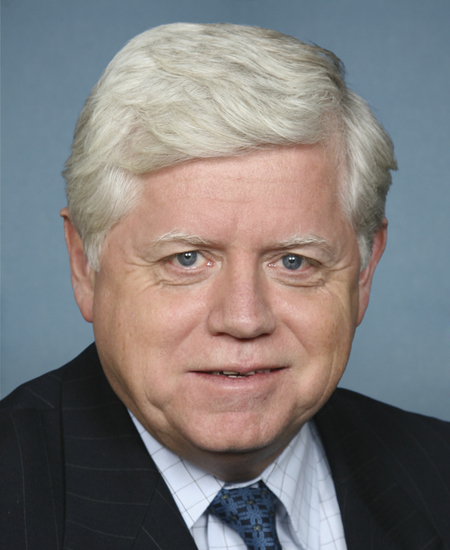
Rep. John B. Larson
Sponsored bills
Maddy summaryThis bill updates federal nutrition law to include Puerto Rico in the Supplemental Nutrition Assistance Program (SNAP), allowing it to transition from its current funding method to the same SNAP benefits available to U.S. states. Puerto Rico must submit a 180-day plan to the USDA detailing its transition to SNAP, with approval required within another 180 days. The transition period lasts up to 5 years from the bill's effective date, during which Puerto Rico would continue receiving block grants while preparing for full SNAP participation. This change directly affects Puerto Rico's 1.4 million residents who currently receive nutrition assistance under a separate funding structure.
Maddy summaryHR 4782, the Local Farmers Feeding our Communities Act, establishes a USDA program to connect local farmers with food distribution networks. It requires eligible entities (like state agriculture agencies) to use funds to purchase unprocessed or minimally processed local foods from covered producers - including at least 25% from small-size, mid-size, beginning, or veteran farmers - while providing technical assistance for food safety and supply chains. The bill allocates $200 million annually (2026-2030) from the Commodity Credit Corporation, mandating 10% for Tribal governments and 1% per state before distributing remaining funds. This directly supports regional food security by boosting economic opportunities for local farmers and improving access to fresh, nutritious food through established distribution channels.
Maddy summaryHR 909, the Crime Victims Fund Stabilization Act of 2025, modifies how funds from the False Claims Act are deposited into the Crime Victims Fund. It specifies that from 2025 through 2029, certain False Claims Act proceeds (specifically those for qui tam plaintiff payments and government damage reimbursements) cannot be deposited into the fund. This change directly affects the composition of the Crime Victims Fund by excluding these specific revenue streams during the specified period. The bill does not create new benefits or alter victim services; it only adjusts fund allocation rules for existing False Claims Act revenues.
Maddy summaryHR 7016, the "No Funds for NATO Invasion Act," blocks federal funding for any U.S. military invasion of a North Atlantic Treaty Organization (NATO) member country or territory covered by NATO's Article 5 mutual defense clause. The bill prohibits using any federal funds for such invasions and bans U.S. officials from executing these actions. It directly affects U.S. military operations and funding decisions involving NATO members. The law applies to all federal spending, preventing the use of existing budgets for this specific purpose.
Maddy summaryThis concurrent resolution (HCONRES 69) commemorates the 15th anniversary of the January 8, 2011, Tucson shooting that killed six people and injured 13, including former Congresswoman Gabby Giffords. It honors the victims, survivors, and Giffords - now a prominent advocate for gun violence prevention - and recognizes her leadership in promoting civility and reducing gun violence. The resolution also commends Tucson residents and first responders for their resilience and reaffirms Congress’s commitment to respectful dialogue and opposing political violence. As a ceremonial resolution, it does not create new laws or policies.
Maddy summaryHR 6983, the PRICE Act, requires large U.S. data centers (those consuming at least 50 megawatts daily) to generate all the electricity they use annually. Starting in 2035, at least 75% of that electricity must come from clean sources like solar, wind, or hydropower, increasing to 100% by 2040. Data centers failing to comply face daily civil penalties of up to $100,000 until corrected. The bill directly affects major data center operators, aiming to shift their energy use toward renewable sources through enforceable deadlines.
Maddy summaryThe Data Center Transparency Act requires the Environmental Protection Agency (EPA) and Energy Information Administration (EIA) to regularly report on data centers' environmental impacts. Specifically, the EPA must publish quarterly reports detailing data centers' water consumption, reuse practices, effects on local water systems (including pollution and service disruptions), and greenhouse gas emissions. The EIA must publish semi-annual reports on nationwide electricity consumption by data centers, broken down by state, including changes in energy use, new facility openings, and potential impacts on household energy costs. These reports will be made publicly available online, directly affecting federal agencies (EPA and EIA) and providing transparency for Congress and the public about data centers' resource use and environmental effects.
Maddy summaryThe Veteran Families Health Services Act of 2025 expands reproductive health services for military members and veterans. It requires the Department of Defense to provide fertility preservation services, including cryopreservation of reproductive genetic material before deployment or hazardous assignments for active duty service members. The bill also mandates the Department of Veterans Affairs to provide fertility treatment, counseling, and adoption assistance to veterans and their partners without regard to sex, gender identity, or sexual orientation. The law establishes coordination between military and VA health services to ensure continuity of care during the transition from active duty to veteran status. It includes provisions allowing veterans to maintain control over stored genetic material and make decisions about its use.
Maddy summaryHR 4611 (EACH Act of 2025) requires all federally funded health programs - including Medicaid, Medicare, military health plans, and the Indian Health Service - to cover abortion services without restrictions, repealing the Hyde Amendment's long-standing ban on federal funding for most abortions. This directly affects millions of people enrolled in these programs, particularly low-income women, women of color (including 25% of Black women and 22% of Hispanic women on Medicaid), and young people. The bill mandates coverage in all federally administered health plans and prohibits state or private insurers from restricting abortion coverage in health insurance. It aims to eliminate current federal and state barriers that deny abortion access to people who rely on government health programs.