

Maddy summaryThis bill redesignates the existing National Parks and Public Land Legacy Restoration Fund as the America's Legacy Restoration Fund to address deferred maintenance on federal lands. It directs revenue from recreation fees and a portion of energy development income into the fund, which must be used primarily for repairing critical infrastructure like roads, trails, and buildings managed by agencies such as the National Park Service and the Forest Service. The legislation establishes strict rules requiring that most funds go toward non-transportation projects, mandates transparency through public dashboards tracking project status, and sets aside a small percentage for matching private donations. Additionally, the bill increases entrance fees for foreign visitors to ensure they contribute to the fund, while prohibiting the use of these specific funds for land acquisition or employee bonuses.
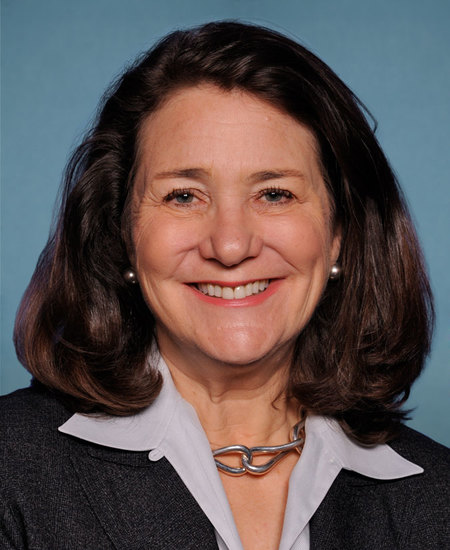
Rep. Diana DeGette
Sponsored bills
Maddy summaryThis House resolution reaffirms the United States' commitment to protecting refugees and displaced persons by calling for the restoration of the Refugee Admissions Program and asylum protections. It urges federal officials to lift current bans on refugee entry, resume vetting for approved applicants, and increase humanitarian aid to host countries. The measure highlights the economic contributions of refugees and emphasizes the need for fair, humane policies that align with international obligations and domestic law.
Maddy summaryThe Keep Public Funds in Public Schools Act of 2026 eliminates a federal tax credit that allowed parents to deduct contributions to scholarship granting organizations from their income. By removing these specific tax breaks, the bill prevents the use of public tax dollars to support private school vouchers and scholarship programs. This change directly affects families who currently rely on these tax incentives to fund education outside the public school system. The provisions take effect for taxable years beginning after December 31, 2026.
Maddy summaryThe Fair Day in Court for Kids Act of 2026 aims to improve the immigration court process for unaccompanied children by guaranteeing them government-funded legal representation. Under this bill, the Department of Health and Human Services would appoint lawyers for these children as soon as they enter federal custody, ensuring they have an attorney for every stage of their case, even if they turn 18 or are reunited with family while proceedings are pending. The law also requires that children receive copies of their immigration files at least seven days before a hearing and allows them to have a lawyer present during interviews and detention facility visits. Additionally, the bill mandates annual reports on how many children received counsel and establishes rules for pro bono legal services to support these efforts.
Maddy summaryThe KIDS Act restricts U.S. immigration authorities from detaining children, individuals with cognitive disabilities, and their primary caregivers, with limited exceptions for criminal warrants. It also prohibits law enforcement from conducting immigration actions within 1,000 feet of sensitive locations such as schools, hospitals, places of worship, and disaster relief sites. If a violation occurs, the bill mandates the immediate release of wrongfully detained individuals and bars the use of information gathered during illegal enforcement actions in future court cases. Additionally, the law requires that any necessary detentions be reported to Congress within 24 hours and prioritizes placing children with parents or designated guardians.
Maddy summaryThis bill, known as the Arlington National Cemetery Viewshed Protection Act, restricts the construction of large triumphal arches in the Washington, D.C. area to preserve visual sightlines. It specifically bans the building of any such arches within Lady Bird Johnson Park and prohibits the use of federal funds for these structures there. Additionally, the law prevents the erection of triumphal arches taller than 50 feet on any land managed by the National Park Service unless Congress explicitly approves them. These measures aim to limit new monumental structures that could obstruct views of the Arlington National Cemetery from the capital region.
Maddy summaryThe Stay Cool Act establishes a comprehensive framework to help communities prepare for and respond to extreme heat events by creating cooling centers, improving housing conditions, and enhancing urban infrastructure. It directs federal funding to states and local governments to build and equip cooling facilities, install air conditioning in public housing, and develop green spaces and water features to lower temperatures. The bill also creates a national system to track heat-related health risks, mandates checks on vulnerable seniors during heatwaves, and allows tax credits for businesses that keep their doors open during heat emergencies. Additionally, it requires updates to utility assistance programs to account for cooling costs and calls for studies on heat-related mortality and safe residential temperature standards.
Maddy summaryThe SCREEN for Type 1 Diabetes Act of 2026 directs the Centers for Disease Control and Prevention to launch a national public awareness campaign focused on type 1 diabetes detection, screening, and management. This initiative will provide written materials and public service announcements across various media platforms, including social media and television, while consulting with health organizations, schools, and community groups to ensure the content is culturally and linguistically appropriate. The bill authorizes $5 million annually from 2027 to 2031 to fund grants for nonprofit entities and state or local health departments to distribute these resources and increase screening access in communities with high incidence rates. Additionally, the law requires the Secretary of Health and Human Services to submit a report to Congress within one year detailing the campaign's activities and its impact on diabetes detection and management.
Maddy summaryThis bill, titled the No Presidential Self-Serving Lawsuits Act of 2026, prevents the current or former President of the United States from filing civil lawsuits against the federal government. It specifically invalidates an existing settlement agreement between a former President and the Internal Revenue Service and bars the use of federal funds to create compensation for such lawsuits. Additionally, the legislation authorizes the Treasury Secretary to recover any money already spent in violation of these new restrictions. The primary goal is to stop a President from using taxpayer money to settle legal disputes with the government they lead.
Maddy summaryThis bill authorizes the U.S. Mint to produce commemorative $5 gold and $1 silver coins marking the 25th anniversary of the September 11, 2001, terrorist attacks. The coins must feature designs honoring victims and first responders (including the inscription "Never Forget") and will be sold only during 2027-2028. All surcharges ($35 per gold coin, $10 per silver coin) collected from sales will fund the National September 11 Memorial and Museum at the World Trade Center, with no net cost to the federal government. The coins are legal tender but primarily intended for collectors, not circulation.