

Maddy summarySB 261 allows unhoused young adults in Alaska to obtain certified birth certificates and identification cards without standard photo ID requirements. It amends existing law to accept alternative documents (like expired IDs or school/medical records) as proof of identity for fee waivers when requesting birth certificates. This directly affects unhoused youth aged 18-25 who lack traditional identification, removing a key barrier to accessing essential services. The bill creates a clear process for state bureaus to issue these documents under specific verification conditions, focusing on practical access rather than new requirements.
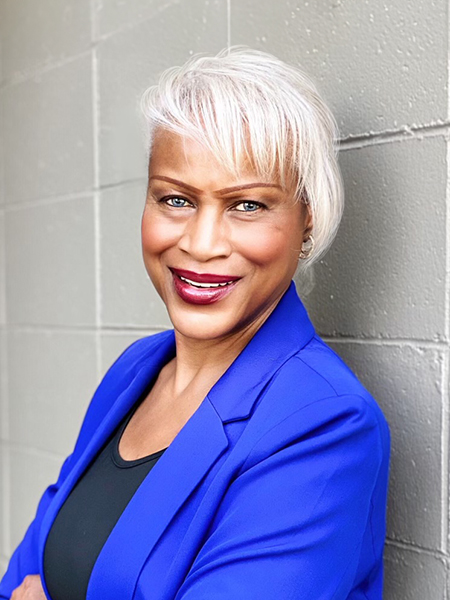
Sen. Elvi Gray-Jackson
Sponsored bills
Maddy summarySB 148 regulates autonomous vehicles in Alaska by requiring them to meet federal safety standards for public roads. It prohibits autonomous vehicles from transporting goods or passengers for commercial purposes unless used for personal noncommercial travel or with a human safety operator physically present and able to intervene. The bill establishes that the human safety operator is presumed liable for accidents involving autonomous vehicles, unless software, hardware, or vehicle modifications caused the incident, with liability progressing to modifiers, programmers, and manufacturers only after the operator. This directly affects owners, operators, and manufacturers of autonomous vehicles operating in Alaska, particularly those seeking to use such vehicles for commercial transport.
Maddy summarySB 20 requires Alaska public schools to include hands-only CPR education in health classes for students in grades determined by the Department of Education. The bill mandates that the Department adopt age-appropriate curricula based on national emergency care guidelines, including hands-on practice and instruction on using automated external defibrillators (AEDs), which may use video demonstrations if in-person training isn't feasible. Schools must offer this instruction, and it can be taught by certified CPR instructors, EMTs, or teachers with a current teaching certificate. The law takes effect on August 25, 2025.
Maddy summarySB 210 requires Alaska public schools to incorporate Alaska Native and American Indian cultural heritage into education. It mandates schools to collaborate with local tribes when developing curriculum, policies, or educational goals, and to provide staff training through tribal consultations. The bill directly affects all public school districts and tribal entities across Alaska. Key provisions include requiring cooperative tribal engagement and staff cultural awareness training to ensure education is culturally responsive.
Maddy summarySB 121 establishes rules for how health insurance companies in Alaska set reimbursement rates for healthcare providers when no specific contract exists. It requires the state insurance director to set standards based on the 75th percentile of actual provider charges in the state (or higher), with primary care rates also needing to be at least 450% of Medicare's rates. Insurers must use statistically valid methods, apply rates uniformly, and undergo regular audits to ensure compliance. This directly affects health insurers and healthcare providers by standardizing payment calculations and preventing inconsistent or unfairly low reimbursements. The law takes effect January 1, 2026.
Maddy summaryHB 47 creates two new criminal offenses related to AI-generated or manipulated child sexual abuse material in Alaska. It makes distributing such material a class B felony (or class A felony with prior convictions), and possessing 100 or more items is presumed to indicate intent to distribute. The bill defines "generated obscene child sexual abuse material" as content depicting manipulated images of children engaged in sexual acts, lacking serious value, and appealing to prurient interest under community standards. It specifically excludes tech employees acting in their job duties to prevent or report such material. The law does not address the other topics listed in the bill's title (teaching certificates, school bus licensing).
Maddy summaryHB 101 lowers the age threshold for minors to file civil claims against sexual abusers from 18 to 16 years old. It also amends Alaska's murder statutes to specify that killing a child under 16 during certain crimes - such as sexual offenses, kidnapping, or assault - elevates the murder charge. These changes update legal standards to better protect child victims and clarify penalties for crimes involving minors. The bill focuses on concrete policy adjustments to strengthen legal remedies and accountability.
Maddy summarySB 154 establishes a Home Care Employment Standards Advisory Board within Alaska's Department of Health to address payment and working conditions for personal care services. The board, composed of 8 appointed members representing home care providers, direct care workers, enrollees, rate reviewers, seniors, and disability groups, will advise the department on payment rates for covered services and investigate workforce issues like wages and benefits. It requires the board to meet at least three times yearly, hold public hearings, and report on payment adequacy to comply with federal requirements. This bill directly affects home care workers and agencies providing personal care services by creating a formal process for reviewing compensation and service standards.
Maddy summarySB 62 amends Alaska's parole board structure to require seven members with specific expertise: a healthcare professional, a crime victim advocate, an addiction recovery specialist, and a tribal representative. It mandates an annual public report detailing parole hearing outcomes, including demographic data, reasons for denials, and individual board members' voting records. The report must be submitted to the legislature, shared with the Alaska Criminal Justice Data Analysis Commission, and published online. This bill directly affects parole board operations and increases transparency in parole decision-making for inmates. The changes apply to all parole hearings conducted under Alaska law.
Maddy summarySB 219 requires Alaska's Department of Environmental Conservation to annually test all public water systems for PFAS (perfluoroalkyl and polyfluoroalkyl substances) and test immediately if contamination occurs. If PFAS levels exceed specified limits - such as 4 parts per trillion for PFOA or PFOS - the department must provide free alternative drinking water to affected residents. The bill establishes liability: entities that negligently release PFAS must cover testing and water replacement costs, while manufacturers may be liable if users followed all regulations. It sets clear, science-based contamination thresholds (e.g., 10 parts per trillion for certain chemicals) and defines a "hazard index" for mixed contaminants. This directly affects public water systems, residents in contaminated areas, and entities handling PFAS-containing products.