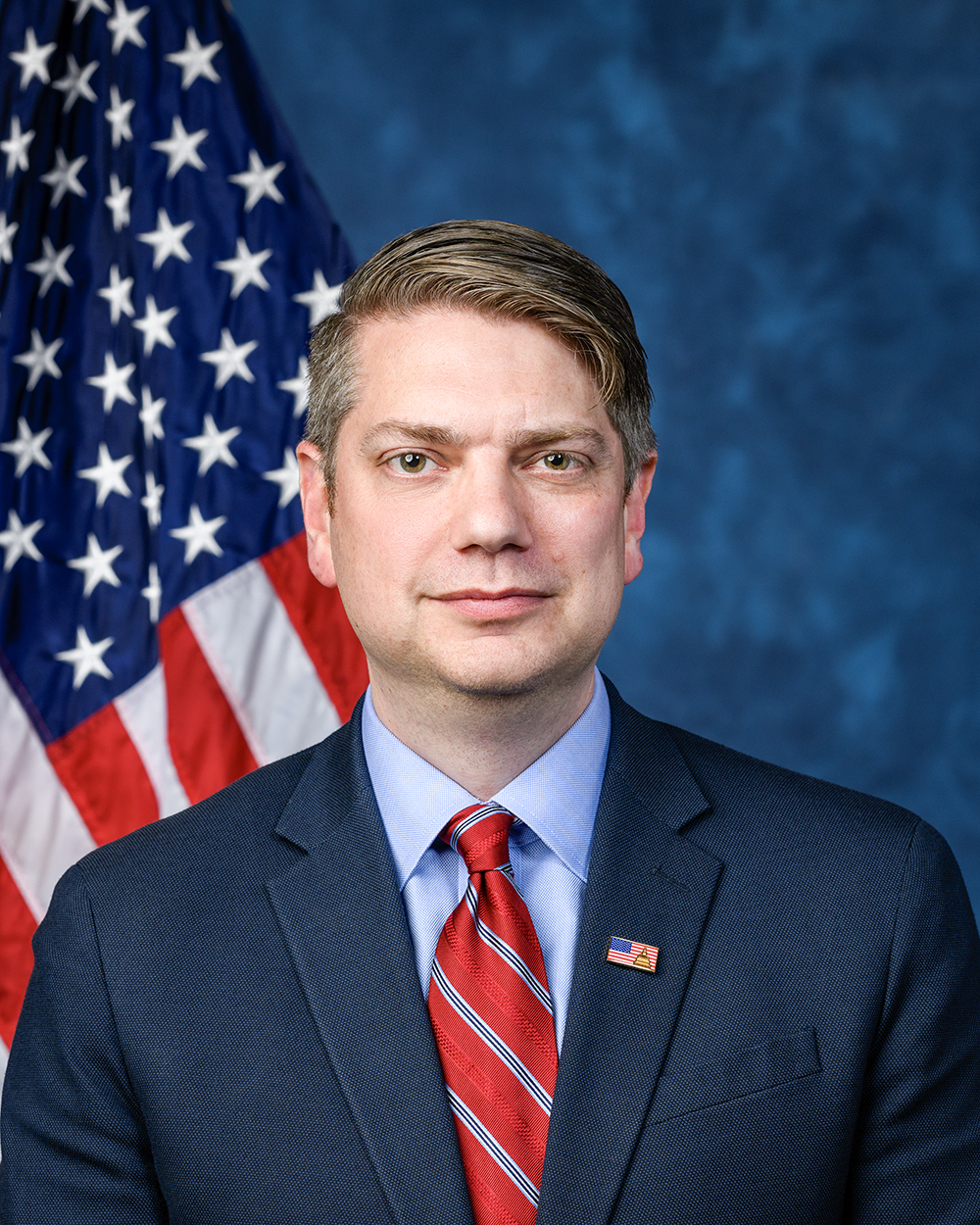
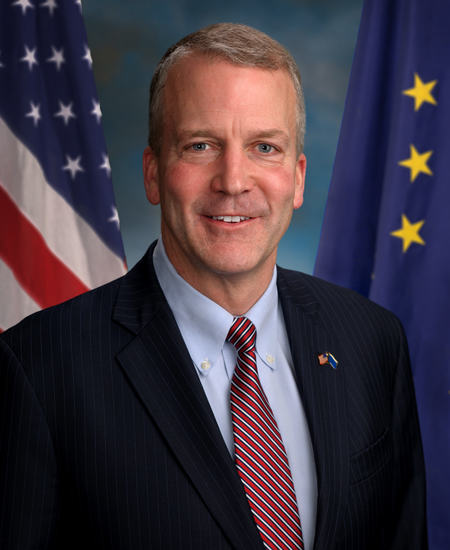
This bill establishes the Native Children's Commission Implementation Act of 2026 to improve health, education, and safety outcomes for Native American, Alaska Native, and Native Hawaiian children and families. It creates several new advisory committees within federal agencies to provide ongoing guidance on issues such as juvenile justice, maternal health, substance abuse, and environmental protection. The legislation also authorizes grants and pilot programs to expand access to mental health services, increase the perinatal workforce, support Native language schools, and provide housing assistance for homeless youth and families. Additionally, it modifies existing laws to allow Tribes greater flexibility in administering nutrition and child care programs while ensuring they receive adequate funding for administrative costs.
The PRIVACY Act restricts Federal law enforcement agencies from accessing surveillance data collected by State or local agencies without a warrant issued by a Federal judge. It establishes a "Jurisdictional Wall List" maintained by the Attorney General that includes technologies like automated license plate readers and long-range microphones, prohibiting the use of Federal funds to purchase these specific devices. While the bill allows for limited exceptions in emergencies or with consent, it mandates strict rules on data retention, requiring agencies to delete most collected information within 30 days unless it becomes evidence in an active prosecution. Additionally, the legislation bans the use of this data to monitor individuals exercising First Amendment rights and requires regular reporting to Congress on how these surveillance tools are utilized.
This joint resolution expresses the U.S. Congress's disapproval of a specific law passed by the District of Columbia Council. The D.C. law, known as the Body-Worn Camera Transparency for Use of Force Temporary Amendment Act of 2026, was designed to increase transparency regarding how police officers use force. By submitting this resolution, Congress formally objects to the local legislation but does not change any laws or policies. The measure serves as a symbolic statement of disagreement rather than a functional change to federal or local governance.
The Protecting Kids from Creeps Act prohibits surrogacy agencies, their employees, and sex offenders from participating in surrogacy agreements, directly affecting fertility clinics, staff, and individuals required to register as sex offenders. The bill mandates severe criminal penalties, including fines and prison sentences of at least 10 to 20 years, for knowingly or recklessly facilitating such agreements, while also stripping convicted agencies of their tax-exempt status and eligibility for federal grants. Any surrogacy agreement formed in violation of these rules is declared legally void and unenforceable, meaning it cannot be used to establish parental rights. In cases where a child is born from an illegal agreement, custody decisions will be made solely based on the best interests of the child under the laws of the state where the surrogate lives, ignoring any prior contracts. Additionally, the Attorney General can pursue civil penalties equal to the compensation received or offered for prohibited conduct.
This Senate resolution expresses support for designating May 5, 2026, as the National Day of Awareness for Missing and Murdered Indigenous Women and Girls. The bill calls on the public and organizations to commemorate the victims and show solidarity with their families. It also recommends that the Department of Justice commission a new study to update statistics on the crisis, noting that the previous data is over a decade old.
Tags
Tribal Nations
This bill, known as the TIME for Overdose Justice Act, removes the standard statute of limitations for federal drug trafficking cases that result in death or serious bodily injury. It directly affects prosecutors and defendants by allowing the government to file charges at any time, even years after the alleged crime occurred. The key provision amends the Controlled Substances Act to eliminate the usual time limits for prosecuting violations where overdose deaths or severe injuries are involved. This change aims to ensure accountability in cases where drug distribution leads to fatal outcomes, regardless of how much time has passed since the incident.
The FISH Act of 2025 establishes a public "IUU vessel list" of foreign fishing vessels, fleets, and their beneficial owners engaged in illegal, unreported, or unregulated fishing or fishing involving forced labor. It prohibits listed vessels from accessing U.S. ports, using U.S. port services, or having their seafood imported into the United States. The bill requires the Secretary of Commerce to develop procedures for adding vessels to the list based on clear evidence, including information from international organizations or U.S. authorities. It also authorizes sanctions against entities involved in IUU fishing or forced labor practices in the fishing industry, aiming to prevent seafood from illegal fishing operations from entering U.S. commerce.
This resolution designates January 2026 as "National Mentoring Month" to raise public awareness about mentoring programs. It recognizes the benefits of mentoring for youth - including improved academic performance, mental health, career development, and reduced risk of delinquency - and highlights that 40% of U.S. youth lack a mentor. The Senate encourages community, school, and workplace efforts to expand existing mentoring programs and recruit volunteers to support young people. It does not create new laws or funding but aims to promote existing mentoring initiatives across the country.
HR 7678, the Gun Owner Registration Information Protection Act, prohibits federal funding for state or local databases that track lawfully owned firearms or their owners. The bill allows federal funding for databases recording lost or stolen firearms but bans it for databases listing legal gun ownership. This means states cannot use federal money to create or maintain systems that compile information about legally owned guns. The bill directly affects state and local governments that rely on federal funds for firearm ownership databases.
This bill requires the President to review whether specific Hong Kong judicial and government officials meet criteria for existing U.S. sanctions within 180 days of enactment. It directly affects 45 named individuals, including Hong Kong Chief Justice Andrew Cheung Kui-nung, judges, prosecutors, and officials like Chief Executive John Lee, who were previously sanctioned or hold current roles. The review will determine if sanctions under the Global Magnitsky Act, Hong Kong Human Rights Act, or other existing legal authorities apply to these individuals. The bill does not impose new sanctions but mandates a formal assessment process using current U.S. legal frameworks.