Issue · Healthcare

Healthcare

Every healthcare bill, vote, and legislator stance in Alabama, automatically classified by Maddy, our AI policy reader.

Total bills
353
119th Congress
Top supporter
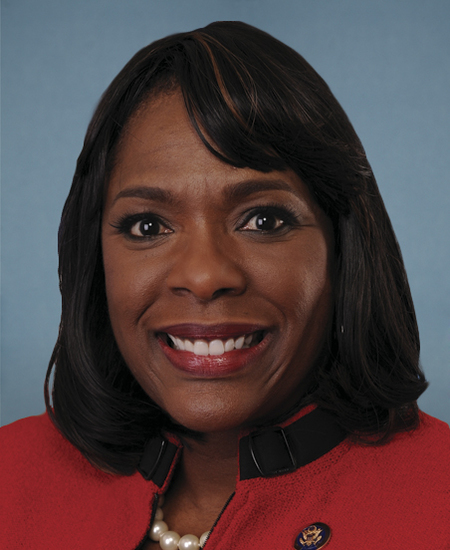
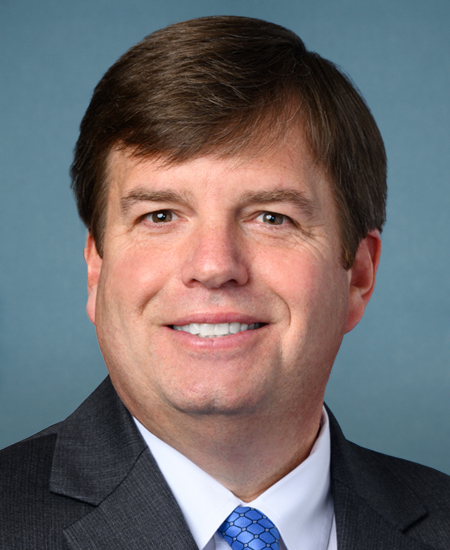
Terri A. Sewell
56% support rate
Top opponent
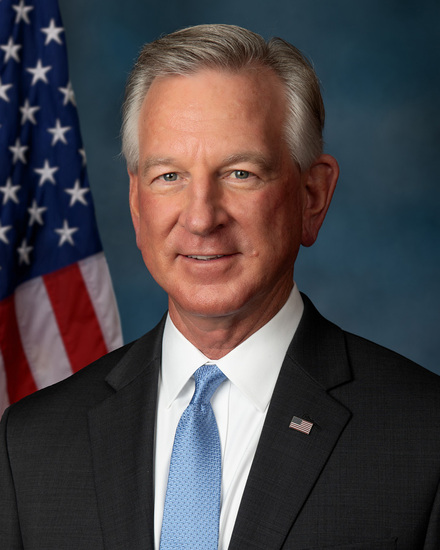
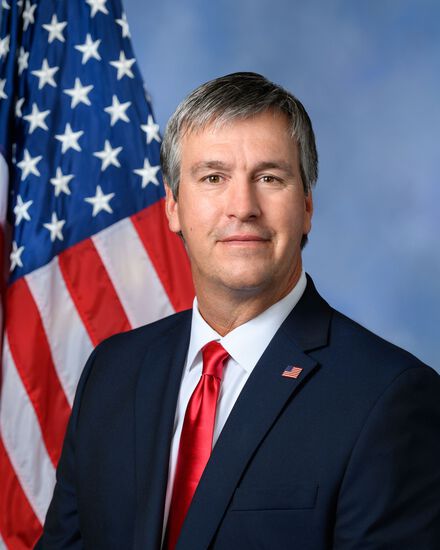
Tommy Tuberville
24% support rate
Ranked legislators
7
2 support · 5 oppose
Key legislators

Who's moving healthcare in Alabama

Legislators moving healthcare in Alabama
Legislator Party Stance Support rate Votes
Terri A. Sewell
Terri A. Sewell House · District 7
D
Mixed
56% 209
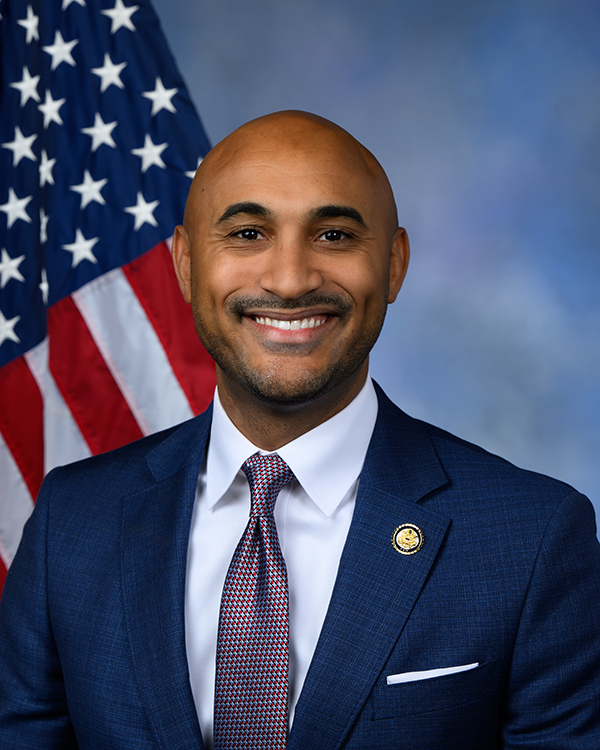
Shomari Figures
Shomari Figures House · District 2
D
Mixed
56% 210
Tommy Tuberville
Tommy Tuberville Senate
R
Oppose
24% 219
Katie Boyd Britt
Katie Boyd Britt Senate
R
Oppose
24% 221
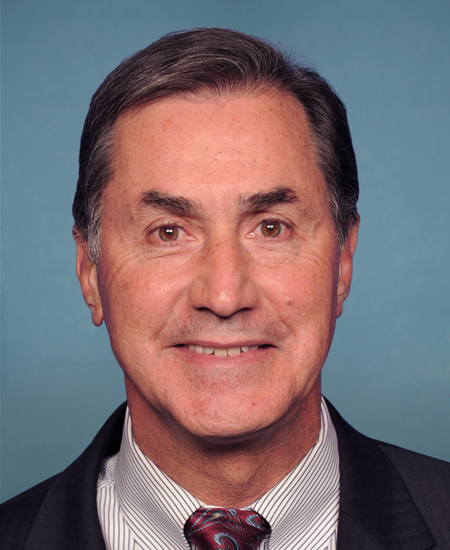
Gary J. Palmer
Gary J. Palmer House · District 6
R
Oppose
35% 209
Barry Moore
Barry Moore House · District 1
R
Oppose
38% 204
Dale W. Strong
Dale W. Strong House · District 5
R
Oppose
39% 209
Showing 1–10 of 353 bills

All healthcare bills

in committee · United States · House Sep 10, 2026

HRES 1528: Recognizing suicide as a serious public health problem and expressing support for the designation of September, 2026, as "National Suicide Prevention Month" as well as September 10, 2026, as "World Suicide Prevention Day".

This House resolution formally recognizes suicide as a serious public health problem in the United States and expresses support for designating September 2026 as National Suicide Prevention Month and September 10, 2026, as World Suicide Prevention Day. The bill cites data from the CDC, SAMHSA, and the VA to highlight that suicide is a leading cause of death among young people, veterans, and during the postpartum period, while also noting the significant economic costs associated with it. It declares suicide prevention a national priority and emphasizes that mental health is as important as physical health. The resolution supports the development of strategies to improve access to quality mental health, substance abuse, and suicide prevention services for all communities.
in committee · United States · House Aug 24, 2026

HR 10147: To amend the Harmonized Tariff Schedule for the United States to establish a new subheading in chapter 39 for silicone prosthetics for women who are breast cancer survivors and a new subheading in chapter 90 for mastectomy bras.

This bill amends the U.S. Harmonized Tariff Schedule to create specific categories for silicone prosthetic breast forms and mastectomy bras intended for women who are breast cancer survivors. By establishing these new subheadings, the legislation sets a zero percent general duty rate for both items, effectively eliminating import tariffs on these medical supplies. The changes apply to goods entering the country or being withdrawn from warehouses for consumption starting January 1, 2027.
in committee · United States · Senate Aug 6, 2026

S 5287: Colorectal Cancer Early Detection Act

The Colorectal Cancer Early Detection Act authorizes the Centers for Disease Control and Prevention to provide competitive five-year grants to states, the District of Columbia, and U.S. territories to improve awareness and early detection of colorectal cancer in individuals under age 45. These funds are intended to support outreach and education campaigns that target young people with specific risk factors, such as a family history of the disease or inflammatory bowel conditions, as well as underserved populations including rural residents and certain racial and ethnic groups. Grant recipients must partner with healthcare providers and community organizations to facilitate diagnostic testing, offer patient navigation services, and train medical professionals on recognizing symptoms in younger patients. States receiving these grants are required to submit reports detailing their use of funds and the effectiveness of their implemented programs after five years.
in committee · United States · Senate Jul 29, 2026

S 5164: Rural Emergency Hospital Designation Improvement Act

The Rural Emergency Hospital Designation Improvement Act expands eligibility for facilities to convert into rural emergency hospitals by relaxing certain operational requirements and clarifying rules for units providing psychiatric, rehabilitation, or obstetric care. It establishes a new payment structure that increases reimbursement by 5 percent for diagnostic laboratory tests starting in 2027 and allows these hospitals to use swing beds for extended care services. The legislation also ensures that rural emergency hospitals are recognized as health professional shortage areas to attract medical staff and includes their services in Medicaid coverage plans. Additionally, the bill permits facilities that revert to critical access hospital status to regain their previous necessary provider designation and makes them eligible for specific improvement grants.
in committee · United States · House Jul 21, 2026

HR 9817: Justice for Incarcerated Moms Act

The Justice for Incarcerated Moms Act aims to improve maternal health outcomes for pregnant and postpartum individuals in the criminal justice system by restricting financial incentives for states that use restraints on pregnant inmates. Under the bill, states receiving federal justice grants would face a 25 percent funding penalty if they fail to implement laws limiting the use of shackles on pregnant individuals, with those withheld funds redirected to compliant states. The legislation also directs the Bureau of Prisons and the Department of Justice to create and fund programs in at least six federal facilities and across various state and local prisons that provide specialized prenatal care, mental health support, and reentry assistance. These programs are designed to address specific health disparities, particularly for racial and ethnic minority groups, by offering culturally competent care, nutrition counseling, and opportunities to maintain contact with newborn children. Additionally, the act requires an independent oversight organization to monitor program implementation and mandates a Government Accountability Office report to analyze maternal and infant health data within the correctional system.
in committee · United States · House Jul 27, 2026

HR 9970: RESCUE Act of 2026

The RESCUE Act of 2026 updates how the federal government reimburses ground and air ambulance services by changing the payment schedule and data collection rules. Starting in 2028, the Secretary of Health and Human Services will adjust payment rates every three years based on new data regarding costs, labor, and uncompensated care, while years in between will see payments increase only by the standard inflation rate. The bill also requires air ambulance providers to submit cost information to the government at least once every three years, aligning this process with existing rules for ground ambulance services. Additionally, the law mandates a review by 2029 to gather expert recommendations on whether further changes are needed to ensure ambulance providers are paid appropriately. These changes directly affect ambulance companies and the federal programs that fund emergency medical transport.
Sub-Topics Hospitals
in committee · United States · House Jul 15, 2026

HR 9693: Patients First Act of 2026

The Patients First Act of 2026 modifies how Medicare reimburses physicians and primary care providers to improve access and stabilize payments. It establishes a new hybrid payment model for primary care services from 2027 to 2031, which pays a monthly fee per patient to eligible independent practices while covering specific services like care management and telehealth without cost-sharing for patients. The bill also updates the formula for calculating reimbursement rates to account for high inflation years and requires more frequent updates to the costs used in calculating payments. Additionally, the legislation reforms the performance-based payment system by adding care efficiency measures, creating a task force to recommend new quality metrics, and adjusting penalties for providers who fail to report on certain data.
in committee · United States · House Jul 15, 2026

HR 9642: Medicare Access to Rural Anesthesiology Act

The Medicare Access to Rural Anesthesiology Act changes how Medicare pays for anesthesia services at specific small rural hospitals and critical access hospitals. To qualify for these changes, a hospital must be located in a rural area, have fewer than 800 surgeries requiring anesthesia, and employ or contract with no more than one full-time anesthesiologist who agrees not to bill Medicare separately for those services. Once a hospital meets these criteria, anesthesia care provided by an anesthesiologist there will be paid based on the hospital's actual costs rather than a fixed fee, and it will be classified as part of the hospital's inpatient services instead of a separate billable service. The law also requires the Department of Health and Human Services to update its regulations to reflect these new payment rules.
Sub-Topics Hospitals Medicare
in committee · United States · House May 21, 2026

HR 9000: SCREEN for Type 1 Diabetes Act of 2026

The SCREEN for Type 1 Diabetes Act of 2026 directs the Centers for Disease Control and Prevention to launch a national public awareness campaign focused on type 1 diabetes detection, screening, and management. This initiative will provide written materials and public service announcements across various media platforms, including social media and television, while consulting with health organizations, schools, and community groups to ensure the content is culturally and linguistically appropriate. The bill authorizes $5 million annually from 2027 to 2031 to fund grants for nonprofit entities and state or local health departments to distribute these resources and increase screening access in communities with high incidence rates. Additionally, the law requires the Secretary of Health and Human Services to submit a report to Congress within one year detailing the campaign's activities and its impact on diabetes detection and management.
in committee · United States · House Jun 30, 2026

HR 9432: LIFT the BAR Act

The LIFT the BAR Act aims to restore access to federal benefits for lawfully present noncitizens by repealing several restrictions imposed by the 1996 welfare reform law and a 2024 reconciliation bill. Specifically, it would allow eligible noncitizens to receive SNAP food assistance, Medicaid, CHIP, and child nutrition programs, while also updating legal terminology to refer to "noncitizens" rather than "aliens" in relevant statutes. The legislation includes provisions to ensure these individuals can qualify for premium tax credits and would require federal agencies to issue implementation guidance within 180 days of enactment.
Showing 1 to 10 of 353 bills
1 2 3 36 Next