Issue · Criminal Justice

Criminal Justice (Law Enforcement)

Every criminal justice bill, vote, and legislator stance in Wyoming, automatically classified by Maddy, our AI policy reader.

Total bills
5
2026 Regular Session
Top supporter
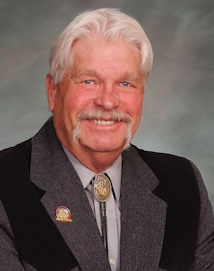
Bob Davis
100% support rate
Top opponent
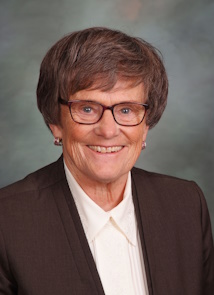
Ann Lucas
33% support rate
Ranked legislators
10
5 support · 5 oppose
Key legislators

Who's moving law enforcement in Wyoming

Legislators moving law enforcement in Wyoming
Legislator Party Stance Support rate Votes
Bob Davis
Bob Davis House · District 47
R
Strong +
100% 3
Marilyn Connolly
Marilyn Connolly House · District 40
R
Strong +
100% 3
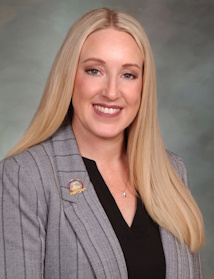
Abby Angelos
Abby Angelos House · District 3
R
Support
67% 3
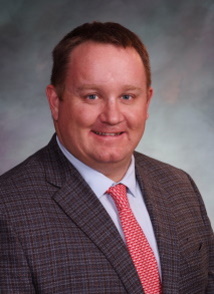
Andrew Byron
Andrew Byron House · District 22
R
Support
67% 3
Bob Nicholas
Bob Nicholas House · District 7
R
Support
67% 3
Ann Lucas
Ann Lucas House · District 43
R
Oppose
33% 3
Art Washut
Art Washut House · District 36
R
Oppose
33% 3
Bill Allemand
Bill Allemand House · District 58
R
Oppose
33% 3
Bob Wharff
Bob Wharff House · District 49
R
Oppose
33% 3
Chip Neiman
Chip Neiman House · District 1
R
Oppose
33% 3
Showing 5 of 5 bills

All criminal justice bills

introduced · Wyoming · House Feb 14, 2026

HB 185: Kratom-prohibition.

HB 185 prohibits the manufacture, sale, distribution, and possession of kratom products in Wyoming. It directly affects businesses and individuals handling these products, with exemptions for research institutions and law enforcement labs conducting testing. Violations carry misdemeanor penalties of up to $1,000 fines or one year in jail for repeat offenses. The bill also requires the Department of Agriculture to hire staff and purchase testing equipment, effective July 1, 2026.
signed · Wyoming · House Mar 6, 2026

SF 88: Sex offenders-residence near child care facilities.

SF 88 prohibits registered sex offenders (18+ years old) from residing within 1,000 feet of child care facilities, measured from the exterior wall of their home to the facility's property line. The bill defines "child care facility" to include government-administered programs (excluding schools), licensed facilities caring for three or more unrelated children, and facilities under existing state definitions. It includes an exception for residences established before July 1, 2026, or before the facility opened, and takes effect on that date. This law directly affects registered sex offenders seeking housing near child care services, creating a new residency restriction under Wyoming law.
Sub-Topics Law Enforcement
failed · Wyoming · House Feb 9, 2026

SF 3: Protection of nuclear facilities.

This Wyoming bill (SF 3) makes trespassing at commercial nuclear facilities a felony punishable by up to five years in prison or a $1,000 fine. It creates legal protections for security guards at these facilities, allowing them to use defensive force - including deadly force - to prevent specific crimes like burglary, radiological sabotage, or assaults within protected areas. Guards may also detain suspected violators for law enforcement. The law applies to licensed nuclear facilities (like power plants) and their security personnel, defining "protected areas" as zones within physical barriers posted as restricted. The bill takes effect July 1, 2026.
signed · Wyoming · House Feb 27, 2026

SF 8: Absconding for criminal purposes-criminal offense.

This Wyoming bill (SF 8) creates a new criminal offense for "absconding for criminal purposes," targeting individuals who travel between counties within Wyoming or to another jurisdiction *after* committing a crime. It directly affects people who flee to commit additional crimes, hide stolen property, or further a felony. The law specifies that penalties for this offense will match the penalty for the most serious underlying crime (e.g., the original offense or the intended one). The bill is pending and would take effect July 1, 2026, if passed.
Sub-Topics Law Enforcement
signed · Wyoming · House Mar 6, 2026

HB 9: Grooming of children-offenses and amendments.

HB 9 creates a new criminal offense in Wyoming for "grooming" a minor for sexual abuse or exploitation. It directly affects adults (17+ years old, at least 4 years older than the minor) who engage in behavior to manipulate, build trust with, or prepare a minor for sexual conduct - whether online or in person, including sharing explicit material or exploiting authority. Key provisions define "grooming" broadly, specify penalties (up to 10 years in prison for general cases, 25+ years if the victim is under 12), and require offenders to complete treatment programs and face probation. The bill also updates registration requirements for offenders convicted under this law, mandating annual in-person verification with law enforcement.