

Maddy summaryAJR 11 is a ceremonial resolution honoring the late Wisconsin State Assembly Representative Jim Soletski (2006-2010). It recognizes his career in the energy industry, service as chair of the Assembly Energy and Utilities Committee, advocacy for Native American relations, and community involvement with groups like JOSHUA. The resolution expresses the legislature's condolences to his family and extends recognition of his public service. Passed by both chambers in October 2025, it was deposited with the Secretary of State as a formal commemoration, with no policy or financial impact.

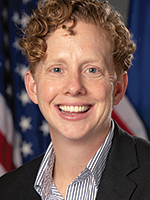
Rep. Angela Stroud
Sponsored bills
Maddy summaryThis bill authorizes the creation of emergency services districts in Wisconsin and grants these districts the authority to levy property taxes and impose special charges to fund their operations. It also allows emergency services districts to issue debt to finance capital projects. The legislation amends state statutes to clarify how emergency services district board members are elected, specifying ballot procedures and candidate limits for these districts. Additionally, the bill outlines how election costs for emergency services districts are shared between the districts and local governments when voting occurs.
Maddy summaryThis bill would update Wisconsin election laws to implement ranked-choice voting for certain offices and establish procedures for resolving election ties. It directly affects state and local election officials, candidates, and voters by changing how votes are counted and how ties are handled. The bill creates new provisions allowing candidates to be ranked on ballots, grants rule-making authority to the Department of Justice for implementing ranked-choice voting systems, and provides funding to counties and municipalities to update equipment and software needed for administering the new voting method. Additionally, it establishes specific procedures for resolving ties when candidates receive equal numbers of votes, including the option for candidates to draw lots if present. The legislation also allows municipalities to combine voting wards to facilitate the use of common polling places.
Maddy summaryThis bill establishes a longevity bonus program for teachers in Wisconsin school districts, providing a $7,000 payment to educators who have been continuously licensed and employed by the same school board for five consecutive school years starting in the 2031-32 academic year. The program allows teachers to receive additional bonuses for each subsequent five-year period of continuous service, with school boards required to annually report eligible teacher names to the Department of Public Instruction. The legislation creates new statutory sections to authorize funding for these payments and defines eligibility requirements based on continuous licensure and employment history.
Maddy summaryThis bill amends Wisconsin's Special Needs Scholarship Program to require private schools to implement individualized education programs or services plans for students with disabilities, as modified by agreement between the school and the parent. It mandates that private schools provide all records related to these program implementations within five days of receiving a request from the resident school board. The changes take effect starting with the 2026-27 school year, ensuring greater transparency and accountability in how private schools serving students with disabilities manage their educational plans.
Maddy summaryAB 943 creates a new law (Section 941.236) prohibiting people from carrying firearms within 100 feet of polling places during voting hours (one hour before opening to one hour after closing). It directly affects voters, election workers, and anyone near polling locations during elections. The law applies to all individuals except law enforcement officers, qualified out-of-state officers, former officers, property owners on their own land, and security personnel acting in their official duties. Violating this provision is a serious misdemeanor charge.
Maddy summaryThis bill would create a tuition exemption for nonresident students attending University of Wisconsin System schools if they meet specific residency and immigration status requirements. To qualify, a student must have lived in Wisconsin for 12 consecutive months before registering for classes and must have approved deferred action status under the federal Deferred Action for Childhood Arrivals program. The exemption applies to students enrolling in the semester or session following the bill's effective date. This legislation is designed to provide financial relief to certain immigrant students by allowing them to pay in-state tuition rates despite not being Wisconsin residents. The bill was introduced in March 2026 and referred to the Committee on Colleges and Universities for review.
Maddy summaryAB 847 creates a state grant program providing $1.6 million annually to counties and tribes for mental health diversion programs. These programs offer alternatives to prosecution and incarceration for low-to-medium risk individuals with mental illness who interact with the criminal justice system, including deferred prosecution and restorative justice services. Eligible programs must provide holistic treatment (mental health care, housing, employment support), avoid including violent offenders, and collaborate with courts, prosecutors, and mental health providers. Counties receiving grants must submit annual reports on program impact, including effects on jail populations and participant outcomes, and comply with state audits. The bill aims to reduce incarceration costs, improve public safety, and address mental health needs through evidence-based approaches.
Maddy summaryAB 790 creates a dedicated "Water Fund for Our Future" with an initial $250 million transfer from the general fund. The fund establishes a rapid response account to cover clean water-related costs during natural disasters or public health emergencies, including remediation and assistance for affected individuals. A new joint committee oversees fund spending, reviewing requests for funding (excluding non-clean-water uses) and recommending approvals to the finance committee. All funds must be used exclusively for clean water activities, with specific rules for disbursement and oversight.
Maddy summaryThis bill proposes changing the fee for the inland waters trout stamp from $9.75 to $15.75. It directly affects anglers who purchase this stamp to fish for trout in inland waters. The change is made by amending the relevant section of the state statutes. The bill was introduced in 2026 but failed to pass during the legislative session.