Issue · Technology

Technology

Every technology bill, vote, and legislator stance in Wisconsin, automatically classified by Maddy, our AI policy reader.

Total bills
17
2025-2026 Regular Session
Top supporter
Rob Swearingen
83% support rate
Top opponent
Jodi Habush Sinykin
17% support rate
Ranked legislators
10
5 support · 5 oppose
Key legislators

Who's moving technology in Wisconsin

Legislators moving technology in Wisconsin
Legislator Party Stance Support rate Votes
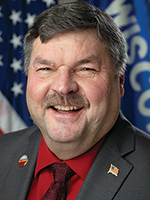
Rob Swearingen
Rob Swearingen House · District 34
R
Strong +
83% 65
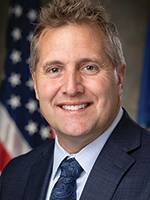
Shannon Zimmerman
Shannon Zimmerman House · District 30
R
Strong +
82% 54
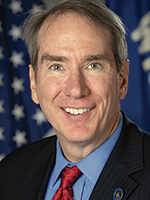
Dave Maxey
Dave Maxey House · District 83
R
Strong +
82% 63
Will Penterman
Will Penterman House · District 38
R
Strong +
82% 61
Scott Allen
Scott Allen House · District 82
R
Strong +
82% 59
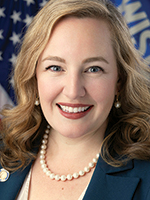
Jodi Habush Sinykin
Jodi Habush Sinykin Senate · District 8
D
Strong −
17% 42
Tim Carpenter
Tim Carpenter Senate · District 3
D
Strong −
17% 42
Kelda Roys
Kelda Roys Senate · District 26
D
Strong −
17% 40
Jamie Wall
Jamie Wall Senate · District 30
D
Strong −
17% 42
Chris Larson
Chris Larson Senate · District 7
D
Strong −
17% 42
Showing 11–17 of 17 bills

All technology bills

failed · Wisconsin · Senate Mar 23, 2026

SB 519: Relating to: the operation of drones over school property and providing a penalty.

SB 519 prohibits unauthorized drone operation over school property, including public, private, and tribal schools, as defined in the bill. Exceptions allow drone use with school board authorization or for specific law enforcement purposes like search/rescue operations, locating escaped prisoners, or preventing imminent danger. Violations carry a $5,000 penalty, and law enforcement must seize drone footage related to violations for transfer to the appropriate agency. The bill directly affects drone operators near schools and clarifies enforcement procedures for such incidents.
Sub-Topics Emerging Technology
failed · Wisconsin · Assembly Mar 23, 2026

AB 142: Relating to: algorithmic software for residential housing, and providing a penalty.

AB 142 prohibits landlords and software providers from using algorithmic software to set rents or occupancy rates based on private competitor data (like unpublicized rent or occupancy details). It directly affects residential landlords, property management companies, and software vendors selling such tools. The bill bans both selling/licensing the software and using it for rent decisions, with penalties of up to $1,000 per violation per rental unit. Tenants may also sue for damages or injunctive relief, while exemptions cover aggregated rental data publications and affordable housing tools.
failed · Wisconsin · Senate Mar 23, 2026

SB 400: Relating to: use restrictions on state and local government electronic devices.

SB 400 restricts state and local government employees from using official electronic devices to access social media, apps, or AI tools owned by entities based in designated "foreign countries of concern" (as defined by federal regulations). It directly affects state agencies and local governmental units (like cities, school districts, and special districts) by prohibiting non-law enforcement personnel from downloading or using these foreign-owned technologies on government-owned devices. The bill allows for limited exceptions through written waivers granted by the secretary of administration for specific work purposes. This is a policy change focused on limiting government use of foreign-owned digital tools, not a procedural or commemorative measure.
signed · Wisconsin · Assembly Oct 31, 2025

AB 2: Relating to: requiring school boards to adopt policies to prohibit the use of wireless communication devices during instructional time.

AB 2 requires Wisconsin school boards to adopt policies banning student use of wireless communication devices (like cell phones, tablets, laptops, and gaming devices) during instructional time, effective July 1, 2026. The policy must define "wireless communication device," include specific exceptions for emergencies, health needs, individualized education programs, and teacher-approved educational use, and allow boards to add other learning-focused exceptions. It directly affects school boards, which must create and implement these policies, while students are the primary group subject to the restrictions. The bill does not mandate device confiscation but permits it as a consequence for violations.
vetoed · Wisconsin · Assembly May 13, 2026

AB 415: Relating to: use restrictions on state and local government electronic devices.

AB 415 restricts state and local government employees from using electronic devices owned by their agencies to access social media, apps, or AI tools owned by entities located in "foreign countries of concern" (as defined by federal regulations). The bill directly affects government employees and contractors who use official devices for non-law enforcement work, banning access to specific foreign-owned technology. Exceptions allow written waivers from the secretary of administration for limited job-related purposes. This policy change aims to limit government use of technology linked to designated foreign adversaries, with no impact on law enforcement activities. The bill does not create new funding or require agency budget changes.
failed · Wisconsin · Assembly Mar 23, 2026

AB 575: Relating to: prohibiting state agencies and local governmental units from using facial recognition technology or data generated from it.

AB 575 prohibits all state agencies and local governmental units (like cities, counties, or school districts) from using facial recognition technology or its data, except to identify their own employees for employment-related purposes. The bill defines facial recognition technology as an automated system that compares camera footage of faces against databases to find matches. It directly affects government entities that currently use or plan to use this technology for public services, law enforcement, or other operations. The law creates a clear ban on its use for public identification, with only the narrow exception for internal employee verification.
failed · Wisconsin · Senate Mar 23, 2026

SB 386: Relating to: virtual currency kiosks.

SB 386 regulates virtual currency kiosks in the state, requiring operators to obtain a license and directly affecting both kiosk businesses and customers using these services. Key provisions include mandatory fraud warnings displayed physically and electronically before every transaction, strict identity verification (requiring government ID copies, photos, and personal details for each customer), and daily transaction limits of $1,000 in traditional money. The bill also caps fees at $5 or 3% of the transaction amount and mandates refunds for customers fraudulently induced into transactions within 30 days. These rules aim to enhance consumer protection while establishing clear operational standards for kiosk operators.
Showing 11 to 17 of 17 bills