





Issue · Immigration

Immigration

Every immigration bill, vote, and legislator stance in Wisconsin, automatically classified by Maddy, our AI policy reader.

Total bills
2
2025-2026 Regular Session
Top supporter
André Jacque
60% support rate
Top opponent
Brad Pfaff
20% support rate
Ranked legislators
10
5 support · 5 oppose
Key legislators

Who's moving immigration in Wisconsin

Legislators moving immigration in Wisconsin
Legislator Party Stance Support rate Decisive votes
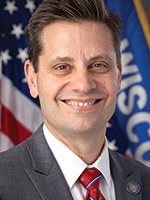
André Jacque
André Jacque Senate · District 1
R
Support
60% 5
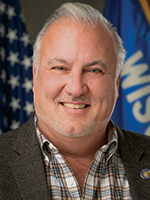
Chris Kapenga
Chris Kapenga Senate · District 33
R
Support
60% 5
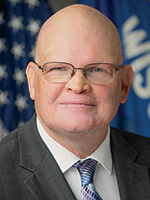
Cory Tomczyk
Cory Tomczyk Senate · District 29
R
Support
60% 5
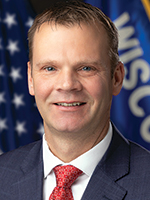
Dan Feyen
Dan Feyen Senate · District 20
R
Support
60% 5
Devin LeMahieu
Devin LeMahieu Senate · District 9
R
Support
60% 5
Brad Pfaff
Brad Pfaff Senate · District 32
D
Strong −
20% 5
Jamie Wall
Jamie Wall Senate · District 30
D
Strong −
20% 5
Sarah Keyeski
Sarah Keyeski Senate · District 14
D
Strong −
20% 5
Bob Wirch
Bob Wirch Senate · District 22
D
Oppose
40% 5
Chris Larson
Chris Larson Senate · District 7
D
Oppose
40% 5
Showing 2 of 2 bills

All immigration bills

vetoed · Wisconsin · Assembly May 13, 2026

AB 308: Relating to: prohibiting funding for health services for unlawfully present individuals. (FE)

AB 308 prohibits Wisconsin state and local government funds from being used to pay for health services for individuals without legal immigration status. The bill directly affects undocumented residents by blocking state/local funding for their healthcare. Key provisions ban state/local funds for such services (except where federal law requires payment or where applying the ban would cause loss of federal funds). The law does not restrict federal healthcare programs or funding. This is a policy change affecting state budget allocations, not a procedural measure.
passed · Wisconsin · Senate Mar 23, 2026

SB 287: Relating to: the employment eligibility verification program and granting rule-making authority. (FE)

SB 287 requires state agencies, local governments, and contractors working with government to verify employees' work eligibility through the federal E-Verify program before hiring. It prohibits contracts with employers not enrolled in E-Verify or knowingly employing individuals flagged as ineligible by the program. The bill mandates written verification statements in all contracts and allows termination of violating agreements. This applies to all state procurement, construction contracts, and local government hiring starting from the effective date, with an exception if the federal E-Verify program ends.