Issue · Healthcare

Healthcare (Insurance)

Every healthcare bill, vote, and legislator stance in Wisconsin, automatically classified by Maddy, our AI policy reader.

Total bills
73
2025-2026 Regular Session
Top supporter
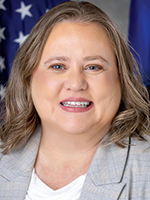
Adam Neylon
67% support rate
Top opponent
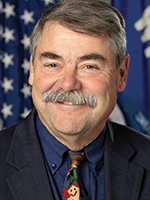
Christine Sinicki
0% support rate
Ranked legislators
10
5 support · 5 oppose
Key legislators

Who's moving insurance in Wisconsin

Legislators moving insurance in Wisconsin
Legislator Party Stance Support rate Votes
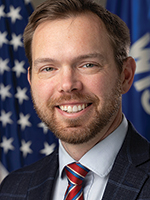
Adam Neylon
Adam Neylon House · District 15
R
Support
67% 3
Alex Dallman
Alex Dallman House · District 39
R
Support
67% 3
Amanda Nedweski
Amanda Nedweski House · District 32
R
Support
67% 3
Barbara Dittrich
Barbara Dittrich House · District 99
R
Support
67% 3
Ben Franklin
Ben Franklin House · District 88
R
Support
67% 3
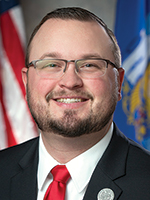
Christine Sinicki
Christine Sinicki House · District 20
D
Strong −
0% 3
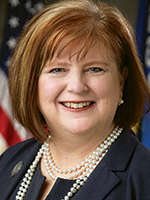
Deb Andraca
Deb Andraca House · District 23
D
Strong −
0% 3
Jenna Jacobson
Jenna Jacobson House · District 50
D
Strong −
0% 3
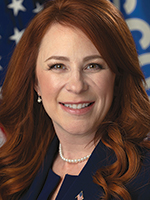
Jodi Emerson
Jodi Emerson House · District 91
D
Strong −
0% 3
Joe Sheehan
Joe Sheehan House · District 26
D
Strong −
0% 3
Showing 61–70 of 73 bills

All healthcare bills

failed · Wisconsin · Assembly Mar 23, 2026

AB 368: Relating to: prior authorization for coverage of physical therapy, occupational therapy, speech therapy, chiropractic services, and other services under health plans.

AB 368 prevents health insurance plans from requiring prior authorization for the first 12 visits of physical therapy, occupational therapy, speech therapy, or chiropractic care per treatment episode. It also eliminates prior authorization for non-drug pain management (like therapy) for chronic pain patients during the first 90 days of treatment (up to twice weekly). Health plans must explain coverage denials in plain language, apply similar copays for these therapies as for primary care, and decide on reauthorization requests within 3 business days. This bill directly affects patients seeking these services, healthcare providers, and all health benefit plans or self-insured employer health plans in the state.
Sub-Topics Insurance Primary Care
failed · Wisconsin · Senate Mar 23, 2026

SB 566: Relating to: coverage of infertility services under health policies and plans and granting rule-making authority. (FE)

SB 566 requires most health insurance plans to cover infertility treatment and fertility preservation services, directly affecting individuals seeking these services and their insurers. It mandates coverage for diagnosis and treatment of infertility (defined as failure to conceive after specified timeframes) and standard fertility preservation (like egg freezing before cancer treatment), including at least four egg retrievals and unlimited embryo transfers per medical guidelines. Insurers cannot impose stricter cost-sharing or exclusions for infertility care compared to other pregnancy-related benefits. The bill applies to group health plans and self-insured plans, excluding certain disability policies and state/local self-insured plans.
Sub-Topics Insurance
failed · Wisconsin · Assembly Mar 23, 2026

AB 246: Relating to: cost-sharing caps on prescription drugs and medical supplies to treat asthma under health insurance policies and plans. (FE)

AB 246 requires certain health insurance plans - including those covering government employees (state, county, city, town, village, or school district) and disability insurance - to cover asthma medications and related supplies like inhalers. It limits out-of-pocket costs to $25 per month for each asthma medication and $50 total for all related supplies, with no deductibles applied. The law applies specifically to these government-backed plans and self-insured employer plans, not all health insurance. It ensures asthma treatment remains affordable without requiring patients to meet deductibles first.
Sub-Topics Insurance
failed · Wisconsin · Senate Mar 23, 2026

SB 342: Relating to: coverage of treatment for mental health or substance use disorders under health insurance policies and plans.

SB 342 requires certain health insurance plans - including preferred provider plans, limited service health organizations, and government health plans (like those for state/local employees) - to cover at least 28 mental health or substance use treatment visits per year, or as many as needed to meet a patient’s treatment goals. It prohibits insurers from requiring pre-approval (prior authorization) for this coverage. If an actuarial analysis shows the policy changes would raise costs for insurers by more than 10%, the requirement may be delayed. The bill applies to policies starting in the first policy year after its effective date, with specific timelines for government plans affected by collective bargaining agreements.
failed · Wisconsin · Assembly Mar 23, 2026

AB 355: Relating to: right to bodily autonomy, elimination of certain abortion-related regulations, and coverage of abortion under certain health care coverage plans. (FE)

AB 355 removes specific restrictions on abortion access and requires certain health insurance plans to cover abortion care without cost-sharing. It directly affects patients seeking abortion services and health insurers offering coverage under specified plans. Key provisions eliminate mandatory waiting periods and counseling requirements, while mandating coverage for abortion services in state-regulated health insurance plans. This policy change aims to improve access by removing regulatory barriers and ensuring insurance coverage.
failed · Wisconsin · Senate Mar 23, 2026

SB 672: Relating to: prohibiting knowingly covering organ transplantation and related care under health insurance policies and the Medical Assistance program if the organ is transplanted in or originates from a country known to have participated in forced organ harvesting. (FE)

SB 672 prohibits health insurance plans (including Medical Assistance) from covering organ transplants or related care if the organ was transplanted in, originates from, or was procured in a country designated by the department as participating in forced organ harvesting. The bill defines forced organ harvesting as the removal of organs through coercion, deception, or abuse of power. It exempts life-saving post-transplant care for individuals who already received a prohibited transplant. The department will designate qualifying countries, and the law applies to all disability insurance, self-insured health plans, and Medical Assistance programs. (SB 672, Section 1)
Sub-Topics Insurance
failed · Wisconsin · Assembly Mar 23, 2026

AB 568: Relating to: coverage of infertility services under health policies and plans and granting rule-making authority. (FE)

AB 568 requires most health insurance plans and self-insured employer health coverage to cover infertility diagnosis, treatment, and standard fertility preservation services (like egg freezing before cancer treatment). It mandates coverage for at least four egg retrieval procedures and unlimited embryo transfers per American Society for Reproductive Medicine guidelines, with no extra costs or restrictions compared to other medical treatments. The bill directly affects health insurers, self-insured employers (including government entities), and people seeking infertility care or fertility preservation. It prohibits plans from imposing unique cost-sharing, waiting periods, or exclusions specifically for infertility services. The law applies to disability insurance policies and self-insured plans, excluding certain health benefit plans under existing statutes.
Sub-Topics Insurance
failed · Wisconsin · Assembly Mar 23, 2026

AB 263: Relating to: coverage of breast cancer screenings by the Medical Assistance program and health insurance policies and plans. (FE)

AB 263 requires disability insurance policies and self-insured health plans to cover diagnostic breast examinations and supplemental screenings for individuals at increased breast cancer risk, as defined by National Comprehensive Cancer Network guidelines or breast density (per American College of Radiology standards). It mandates coverage without copays or deductibles for these specific screenings, including diagnostic exams for abnormalities and supplemental screenings for high-risk patients. The bill applies to all affected plans, ensuring coverage regardless of symptoms and prohibiting cost-sharing for these services. This directly impacts patients with dense breast tissue, family history, or other risk factors, as well as the insurers and employers offering these health plans.
Sub-Topics Insurance
failed · Wisconsin · Assembly Mar 23, 2026

AB 97: Relating to: extension of eligibility under the Medical Assistance program for postpartum women. (FE)

AB 97 extends health coverage under Wisconsin's Medicaid program (Medical Assistance) for postpartum women from 60 days to 365 days after pregnancy, directly affecting pregnant and postpartum women who qualify for the program. The bill changes eligibility rules to ensure coverage continues without regard to income changes during this extended period. It also adds a provision allowing women with family incomes above 300% of the poverty line to qualify if their income is spent on medical care or health insurance premiums. This policy update aims to provide longer-term health coverage for new mothers during a critical postpartum period.
Sub-Topics Insurance Medicaid
failed · Wisconsin · Assembly Mar 23, 2026

AB 338: Relating to: coverage of treatment for mental health or substance use disorders under health insurance policies and plans.

AB 338 requires most health insurance plans (including those offered by state/local governments) to cover at least 28 annual therapy visits for mental health or substance use disorders without prior authorization. It mandates that insurers provide this minimum coverage per policy year, based on the insured's treatment goals. The law includes a cost-check mechanism: if insurers' actuarial analysis shows coverage would increase plan costs by over 10%, enforcement may be paused. This directly affects health insurers, self-insured public employer plans, and individuals seeking mental health/substance use treatment. The bill takes effect for new policy years starting after its publication date.
Showing 61 to 70 of 73 bills
Previous 1 6 7 8 Next