

Banking and Financial Services Provider Protections for Eligible Adults from Financial Exploitation
This bill protects vulnerable adults from financial exploitation by giving banks new tools to intervene. It applies to adults 65+ or 18+ with significant mental/functional impairments that interfere with financial decisions, as known to their bank. Banks may delay or block suspicious transactions (like large withdrawals to another account), must report suspected exploitation to state agencies (like the Department of Human Services), and are exempt from certain privacy laws when acting in good faith. The law explicitly states banks aren't required to override a customer's valid instructions.
Bill status
signed
all 5 stages cleared
Introduction
Jan 2026
Committee Review
Mar 2026
Senate Passage
Mar 2026
House of Delegates Passage
Mar 2026
Signed into Law
Jun 2026
Introduced Jan 27, 2026
Signed Jun 25, 2026
Maddy AI version diff · 4 comparisons
What changed between versions
Committee Substitute for the Committee Substitute
→
sb617 h fin am _1 adopted.htm
·
2 edits
MINOR
The bill text was updated to reflect a formal amendment by the Finance Committee. The primary substantive change is the insertion of the phrase 'and/or refuse' into the authority section, clarifying that banks can not only delay transactions but also outright refuse them when financial exploitation is suspected. This strengthens the bank's ability to stop potential harm immediately rather than just pausing the activity.
Scope change
The scope of the bank's intervention authority was expanded to explicitly include refusing transactions, in addition to delaying them.
REQUIREMENT
Amended Section 5 to clarify that depository institutions have the authority to both delay and refuse transactions or fund withdrawals when financial exploitation is suspected, removing ambiguity about whether refusal was permitted.
TECHNICAL
Added a committee amendment record indicating the specific text changes made on pages 4 and 5 of the bill.
Floor votes · Senate Feb 27, 2026 · House of Delegates Mar 13, 2026
How they voted
32–0
Passed · 1 other
Total votes 33
Feb 27, 2026
D
Democratic2
100% Yea
R
Republican31
96% Yea
Vote distribution
All Yea
All Nay
Mixed
No data
Full legislative history
Actions timeline
Total actions
40
Key actions
8
Committee
8
Amendments
1
Mar 27, 2026
Signed into law
Approved by Governor 3/27/2026
upper
Mar 14, 2026
Signed into law
Approved by Governor 3/27/2026 - Senate Journal
upper
Mar 14, 2026
Signed into law
Approved by Governor 3/27/2026 - House Journal
lower
Mar 14, 2026
Upper · Passed
Senate concurred in House amendments and passed bill (Roll No. 642)
upper
Mar 13, 2026
Lower · Passed
Passed House (Roll No. 542)
lower
Mar 12, 2026
Lower · Passed
Committee amendment adopted (Voice vote)
lower
Mar 12, 2026
Introduced
Amendment reported by the Clerk
lower
Mar 10, 2026
Lower · Passed
With amendment, do pass
lower
Mar 2, 2026
Committee
To House Finance
lower
Mar 2, 2026
Committee
To Finance
lower
Mar 2, 2026
Introduced
Introduced in House
lower
Feb 27, 2026
Upper · Passed
Passed Senate (Roll No. 256)
upper
Feb 2, 2026
Committee
To Finance
upper
Feb 2, 2026
Committee
Committee substitute reported, but first to Finance
upper
Jan 27, 2026
Committee
To Judiciary
upper
Jan 27, 2026
Introduced
Introduced in Senate
upper
Jan 26, 2026
Committee
To Judiciary then Finance
upper
1 primary · 4 co-sponsors
Sponsors
Role
Legislator
Party
State
District
P

Tom Willis
RRepublican
Co
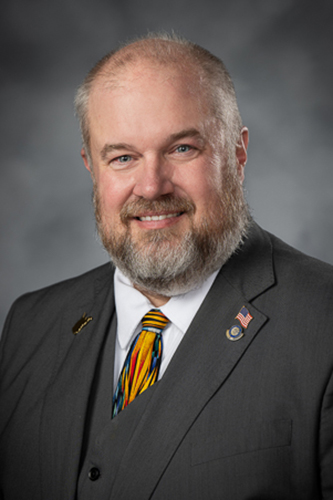
Jay Taylor
RRepublican
Co

Mike Oliverio
RRepublican
Co

Patricia Rucker
RRepublican
Co
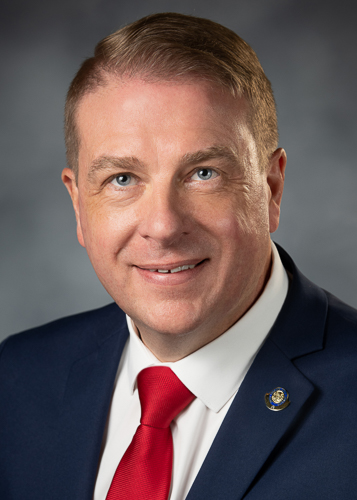
Vince Deeds
RRepublican
Ask Maddy
·
AI policy assistant
Ask Maddy about SB 617
Scope: WV
Hi! I can help you understand SB 617. What would you like to know?
Try one of these
i
Maddy answers using official bill text and legislative records. Always verify before sharing.
Sources cited inline