

WV Short Line Railroad Modernization Act
SB 592 creates a tax credit program for West Virginia short line railroads and related infrastructure. It provides a 50% tax credit on qualified maintenance costs (capped at $5,000 per mile of track) and new infrastructure investments (capped at $2 million per project, with a $5 million annual limit). Eligible taxpayers include Class II/III railroads operating in West Virginia and owners/lessees of rail sidings or industrial spurs. Credits can be carried forward for up to five years or transferred to other taxpayers via written agreement. The bill directly supports rail infrastructure modernization by reducing costs for qualifying rail operators.
Bill status
signed
all 5 stages cleared
Introduction
Jan 2026
Committee Review
Mar 2026
Senate Passage
Feb 2026
House of Delegates Passage
Mar 2026
Signed into Law
Jun 2026
Introduced Jan 23, 2026
Signed Jun 25, 2026
Maddy AI version diff · 2 comparisons
What changed between versions
Committee Substitute
→
Enrolled Committee Substitute
·
3 edits
·
Apr 1, 2026
MINOR
The bill transitioned from a committee draft to its final enrolled version, officially certifying it as passed by the legislature and ready for the governor's signature. The primary substantive change is the addition of a specific effective date (January 1, 2027) and a 90-day waiting period before the law takes effect, replacing the previous report date. Minor formatting corrections were made to ensure consistent capitalization of 'State' and 'West Virginia' throughout the text.
Scope change
The scope of the bill remains unchanged regarding the tax credit for railroad modernization; however, the timeline for implementation has been clarified with a specific start date.
TIMELINE
The report date was removed and replaced with a specific effective date of January 1, 2027, and a provision stating the law is in effect 90 days after passage.
TECHNICAL
Standard enrolled bill certification language, including signatures for the Clerk of the Senate, Clerk of the House, President of the Senate, Speaker of the House, and the Governor, was added.
Capitalization was corrected for 'State' and 'West Virginia' in the eligibility definitions to match standard legal formatting.
Floor votes · Senate Feb 9, 2026 · House of Delegates Mar 9, 2026
How they voted
32–1
Passed
Total votes 33
Feb 9, 2026
D
Democratic2
100% Yea
R
Republican31
96% Yea
Vote distribution
All Yea
All Nay
Mixed
No data
Full legislative history
Actions timeline
Total actions
32
Key actions
7
Committee
5
Apr 1, 2026
Signed into law
Approved by Governor 4/1/2026
upper
Mar 14, 2026
Signed into law
Approved by Governor 4/1/2026 - Senate Journal
upper
Mar 14, 2026
Signed into law
Approved by Governor 4/1/2026 - House Journal
lower
Mar 9, 2026
Lower · Passed
Passed House (Roll No. 364)
lower
Mar 4, 2026
Lower · Passed
Do pass
lower
Feb 10, 2026
Committee
To House Finance
lower
Feb 10, 2026
Committee
To Finance
lower
Feb 10, 2026
Introduced
Introduced in House
lower
Feb 9, 2026
Upper · Passed
Passed Senate (Roll No. 54)
upper
Feb 4, 2026
Upper · Passed
Committee substitute reported
upper
Jan 23, 2026
Introduced
Introduced in Senate
upper
Jan 23, 2026
Committee
To Finance
upper
1 primary · 11 co-sponsors
Sponsors
Role
Legislator
Party
State
District
P

Darren Thorne
RRepublican
Co

Amy Grady
RRepublican
Co

Anne Charnock
RRepublican
Co

Ben Queen
RRepublican
Co
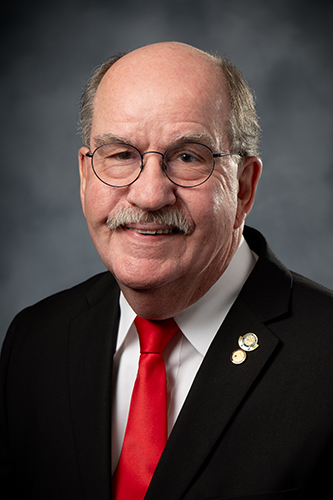
Bill Hamilton
RRepublican
Co
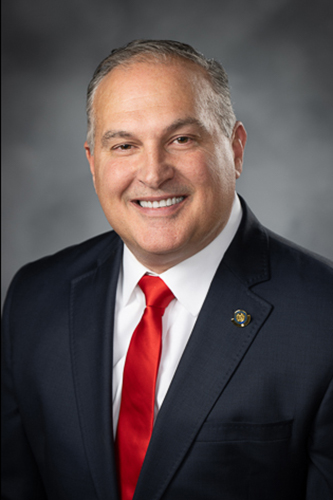
Brian Helton
RRepublican
Co

Charles Clements
RRepublican
Co

Chris Rose
RRepublican
Co

Glenn Jeffries
RRepublican
Co

Jack Woodrum
RRepublican
Co

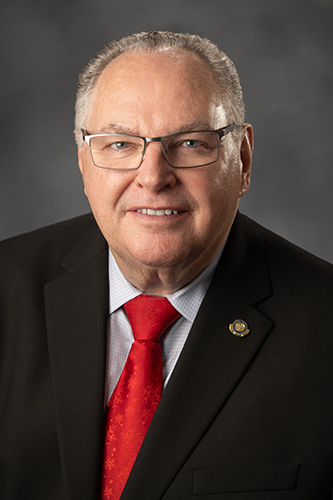
Robbie Morris
RRepublican
Ask Maddy
·
AI policy assistant
Ask Maddy about SB 592
Scope: WV
Hi! I can help you understand SB 592. What would you like to know?
Try one of these
i
Maddy answers using official bill text and legislative records. Always verify before sharing.
Sources cited inline