Issue · Labor & Employment

Labor & Employment

Every labor & employment bill, vote, and legislator stance in Washington, automatically classified by Maddy, our AI policy reader.

Total bills
308
2025-2026 Regular Session
Top supporter
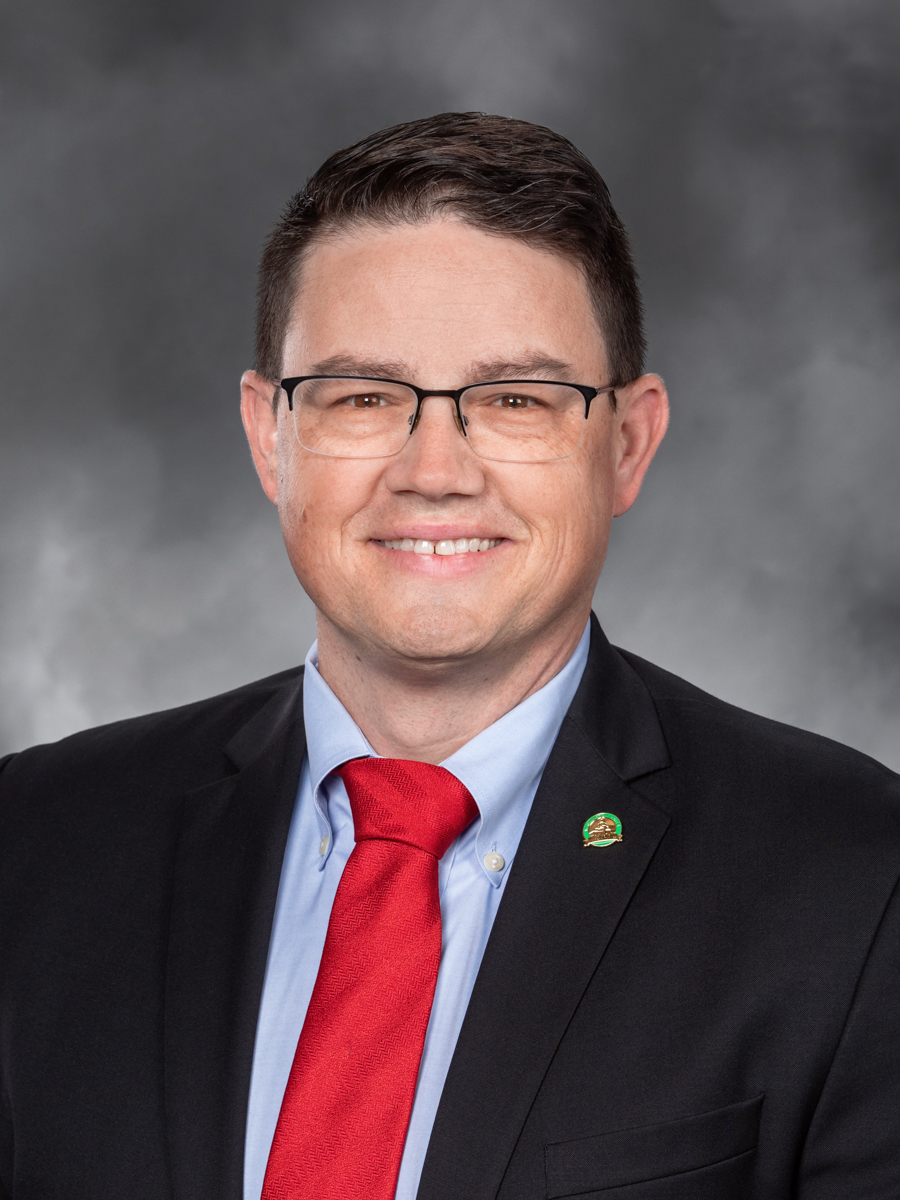
Tina Orwall
95% support rate
Top opponent
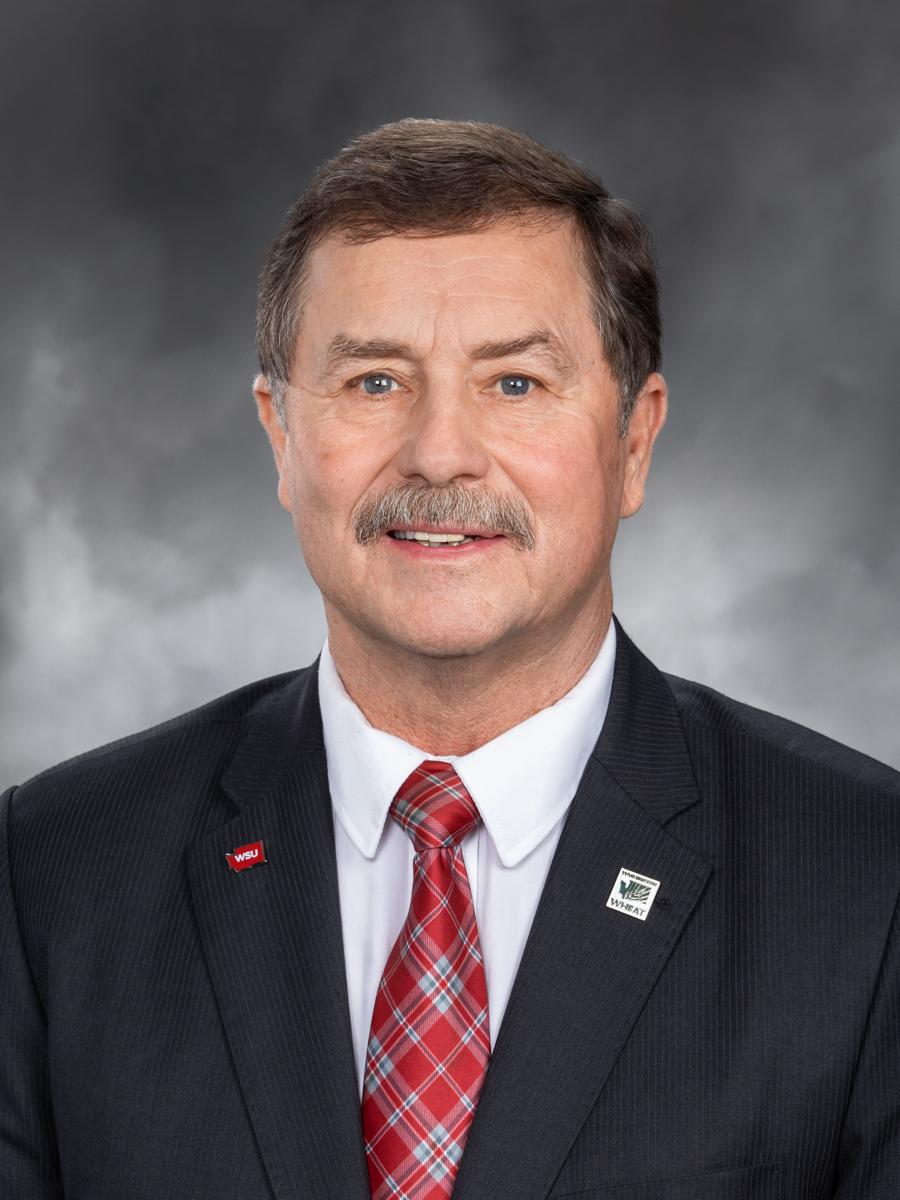
Shelly Short
9% support rate
Ranked legislators
10
5 support · 5 oppose
Key legislators

Who's moving labor & employment in Washington

Legislators moving labor & employment in Washington
Legislator Party Stance Support rate Votes
Tina Orwall
Tina Orwall Senate · District 33
D
Strong +
95% 154
Annette Cleveland
Annette Cleveland Senate · District 49
D
Strong +
93% 159
T'wina Nobles
T'wina Nobles Senate · District 28
D
Strong +
93% 155
June Robinson
June Robinson Senate · District 38
D
Strong +
93% 159
Jamie Pedersen
Jamie Pedersen Senate · District 43
D
Strong +
93% 159
Shelly Short
Shelly Short Senate · District 7
R
Strong −
9% 159
Chris Corry
Chris Corry House · District 15
R
Strong −
10% 180
Leonard Christian
Leonard Christian Senate · District 4
R
Strong −
10% 159
Jim McCune
Jim McCune Senate · District 2
R
Strong −
10% 159
Mark Schoesler
Mark Schoesler Senate · District 9
R
Strong −
12% 159
Showing 51–60 of 308 bills

All labor & employment bills

in committee · Washington · Senate Feb 2, 2026

SB 6128: Facilitating the use of a department of labor and industries-approved, application-based, third-party recording platform to record independent medical exams.

SB 6128 requires Washington workers' compensation claims to use a state-approved, secure third-party recording platform for documenting independent medical exams. Injured workers can record these exams (audio/video) using this platform instead of personal devices, must notify the examiner 7 days in advance, and recordings must be stored exclusively on the vendor's secure server. The bill prohibits local storage, sharing, or public posting of recordings and imposes a $1,000 penalty for violations. It directly affects injured workers, their representatives, and medical examiners involved in workers' compensation claims. The law takes effect July 1, 2027.
passed · Washington · Senate Mar 12, 2026

SB 5972: Expanding the definition of law enforcement personnel regarding correctional officers for purposes of interest arbitration.

SB 5972 amends Washington state law to include correctional officers as "uniformed personnel" for interest arbitration. This change specifically covers correctional employees working in jails, correctional facilities, or detention facilities located in counties with populations over 700,000 (for jails) or 1.5 million (for correctional facilities). The bill directly affects these correctional officers by granting them eligibility to negotiate wages, hours, and working conditions through interest arbitration - a process previously unavailable to them. The policy change updates the legal definition to align correctional officers with other public safety personnel like law enforcement and firefighters.
in committee · Washington · House Jan 20, 2026

HB 2409: Placing agricultural employees under the jurisdiction of the public employment relations commission for the purpose of collective bargaining.

HB 2409 extends collective bargaining rights to agricultural employees in Washington State, including farmworkers and those in food processing, packing, and distribution. It places these workers under the jurisdiction of the Public Employment Relations Commission (PERC), allowing them to negotiate wages, hours, and working conditions through elected representatives. The bill defines key terms (like "agricultural employee" and "bargaining representative") and requires PERC to handle disputes while addressing barriers like language differences and seasonal work patterns. This policy change directly affects agricultural employers and workers, shifting their labor relations under state law rather than federal oversight.
in committee · Washington · House Jan 22, 2026

HB 2630: Concerning collective bargaining for state employee job classifications.

HB 2630 requires state agencies to negotiate with employee organizations over job classifications and salary surveys for state employees, beginning January 1, 2028. The bill sets standards for classification plans, including simplicity, support for workplace diversity, and ensuring college degrees aren't required unless legally mandated for a role. It also changes collective bargaining rules to include negotiations over job classifications, promotional preferences, and health care spending per employee, using a coalition of all relevant employee organizations. This directly affects state employees in classified positions and their unions, as well as the state's financial management director.
in committee · Washington · House Jan 27, 2026

HB 2611: Reducing the standard workweek from 40 hours to 32 hours.

This bill would change Washington state law to reduce the standard workweek from 40 to 32 hours for most private-sector employees. It amends overtime rules to require 1.5x pay for hours worked beyond 32 per week, replacing the current 40-hour threshold. Specific exemptions apply to certain industries, including agriculture, transportation (like truck drivers), seamen, and public safety roles, as detailed in the bill text. The change directly affects most non-exempt workers in Washington’s private sector, excluding those covered under the listed exemptions.
in committee · Washington · House Jan 20, 2026

HB 2582: Concerning civil service positions in city and town fire departments.

HB 2582 modifies civil service rules for city and town fire departments in Washington State based on department size. For departments with fewer than six firefighters (including the chief), all full-time employees must be covered by civil service rules. For larger departments (six or more firefighters), cities/towns may exempt the fire chief from civil service, and may also exempt up to 2-10 additional positions (like assistant chief or administrative roles) based on department size, as specified in a table. All exemptions require approval from the fire chief, mayor/city administrator, and the civil service commission, with safeguards for current employees in affected roles. The bill directly affects local fire departments and their hiring/promotion processes.
Sub-Topics Public Employees
signed · Washington · Senate Mar 18, 2026

SB 6302: Concerning misclassification in the finishing trades on public works projects.

SB 6302 prevents contractors on public works projects from misclassifying workers by limiting them to hiring no more than two independent contractors for the same type of finishing work (drywall, flooring, tiling, painting, or glazing) at once. If a contractor violates this limit, all workers performing that specific finishing trade become classified as employees under state law, entitling them to benefits and protections. The bill directly affects workers in these trades on public construction projects, ensuring they receive proper labor rights when contractors improperly use independent contractor arrangements. It amends Washington’s public works and labor laws to clarify worker classification standards for these specific trades.
in committee · Washington · Senate Jan 12, 2026

SB 6038: Reducing barriers to state employment by eliminating postgraduate degree requirements that are unnecessary.

SB 6038 eliminates unnecessary postgraduate degree requirements for state jobs in Washington, directly affecting applicants and current employees in positions where such degrees aren't legally required to perform essential duties. The bill amends state law to require that job classifications not mandate advanced degrees unless required by law for the role's core functions. It updates the state's classification plan to prioritize simplicity, diversity, and market-based pay while ensuring eligibility for legally authorized workers. This policy change aims to broaden the state workforce pool by removing barriers for qualified candidates without advanced degrees.
Sub-Topics Public Employees
signed · Washington · House Apr 1, 2026

HB 2689: Concerning the working connections child care program.

HB 2689 expands Washington State's Working Connections Child Care program to help more working families afford quality child care. It gradually increases income eligibility thresholds: from 60% to 75% of state median income by 2029, and to 85% by 2031, while maintaining current rules for children under 13 or with special needs. The bill also raises subsidy rates to cover 75% of the market rate for licensed child care providers starting July 2026, and caps program enrollment at 33,000 households with prioritized access for families receiving temporary assistance or with special needs. These changes aim to increase access to affordable child care for low- and middle-income working families across the state.
Tags Children
in committee · Washington · House Jan 13, 2026

HB 2414: Concerning membership of wildland or aviation firefighters in the law enforcement officers' and firefighters' retirement system.

HB 2414 would expand Washington's law enforcement and firefighters' retirement system to include wildland and aviation firefighters employed by the Department of Natural Resources (DNR). The bill explicitly adds DNR as an eligible employer for these firefighters, clarifying that those meeting National Wildfire Coordinating Group qualifications can join the system. This directly affects DNR wildland and aviation firefighters who were previously excluded from the retirement plan. The bill amends existing law (RCW 41.26.030) to define eligibility, without changing benefit calculations or funding mechanisms.
Sub-Topics Retirement Benefits
Showing 51 to 60 of 308 bills
Previous 1 5 6 7 31 Next