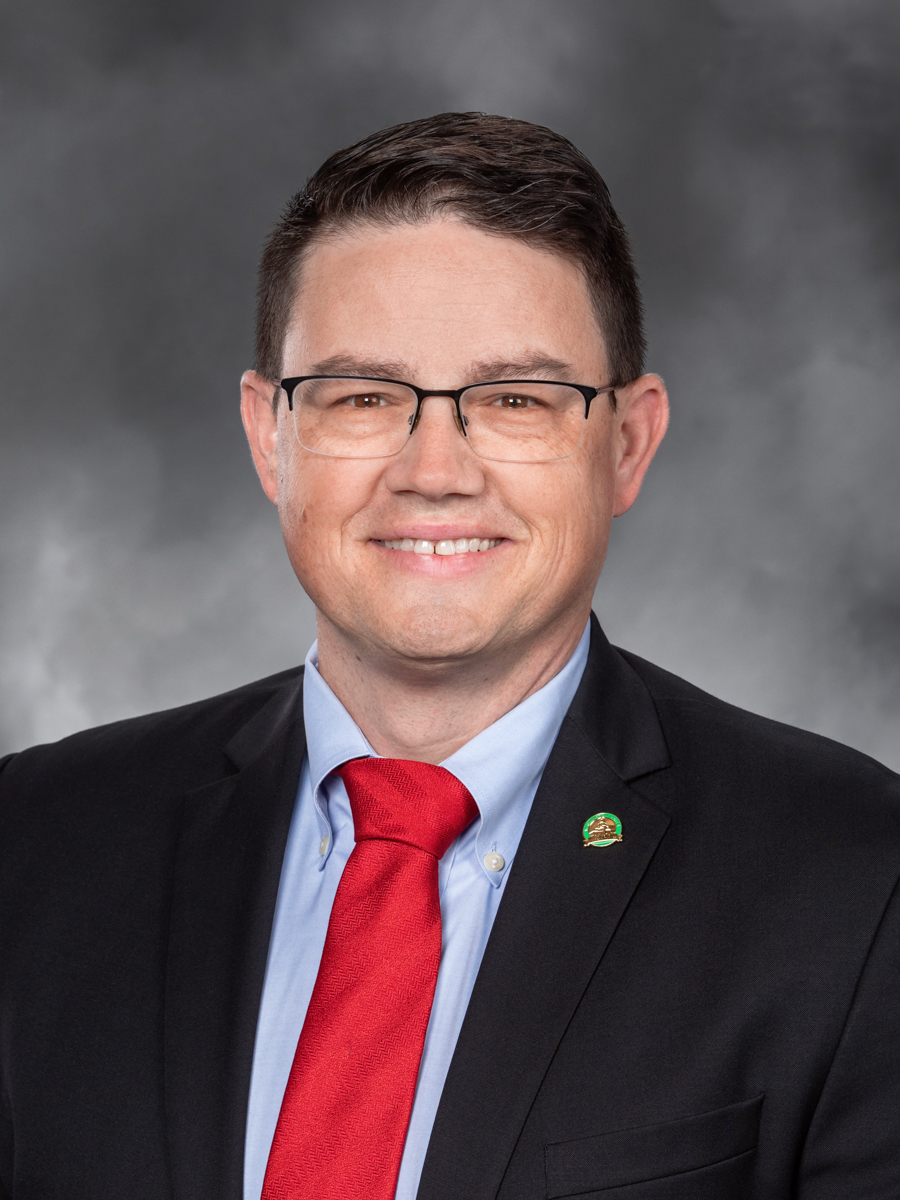
SB 5835 raises the threshold for receiving a lump sum retirement payment (instead of monthly benefits) from $50 to $250 annually adjusted. It applies to Washington state public employees and beneficiaries whose calculated monthly retirement benefit would be below this new threshold. The bill requires the lump sum to be the greater of the actuarial equivalent of future monthly payments or the member's accumulated contributions plus interest. It also includes specific rules for converting from monthly to lump sum payments and for reinstating retirement service if a member returns to work. This change affects retirees and beneficiaries under Washington's public retirement systems (41.40, 41.32, 41.35, and 41.37).
SB 5865 standardizes the forms employers must use when responding to wage garnishment orders in Washington State. It requires employers to provide specific details about the defendant's employment status, earnings, existing garnishments, and calculate disposable earnings using a uniform form developed by the Washington pattern forms committee. This change aims to reduce errors in wage garnishment calculations and clarify employer obligations, directly affecting employers who handle garnishment orders.
SB 5905 amends Washington state law to ensure port workers who participate in federal railroad retirement plans, union-sponsored defined benefit plans, or private employer-funded pension plans are not excluded from the state's public employees' retirement system. The bill specifically modifies RCW 41.40.023 to clarify that such port workers retain eligibility for membership in the state retirement system, removing a previous barrier based on their existing retirement plan participation. This change directly affects port workers employed in Washington who already have alternative retirement coverage. The policy adjustment ensures port workers can access the state retirement system without being denied membership solely due to their prior enrollment in other qualified retirement plans.
SB 5931 amends Washington's workforce education oversight board structure to improve accountability. It specifies the board's 18-member composition (including legislative chairs, business representatives, labor groups, higher education leaders, students, and other stakeholders) and extends cochair terms from one to two years. The bill requires the board to report annual recommendations to the legislature by December 31st, using data from education and workforce agencies to assess if funding boosts student success metrics like completion and job placement. This procedural change directly affects the oversight board and its coordination with the Student Achievement Council and workforce agencies. It does not create new funding but refines how existing workforce education investments are reviewed and reported.
SB 5936 holds businesses accountable for human trafficking by allowing prosecution if they knowingly engage in trafficking or fail to stop it when aware of a pattern benefiting the business. Businesses found liable face penalties including fines up to $1 million per offense, disgorgement of profits, and debarment from government contracts. The bill strengthens victim confidentiality in trafficking cases, requiring law enforcement to keep victim identities, images, and family information private unless disclosure is necessary for investigation, court orders, or victim services. It also updates existing laws to expand exemptions for victim information in public records, particularly protecting children in sexual exploitation cases.
Senate Bill 5061 changes how wages are determined for laborers, workers, and mechanics on public works projects in Washington state. It requires that the hourly minimum wage paid on these contracts must be adjusted to the prevailing rate of wage in effect at the time the work is performed. This means wages will no longer be frozen at the rate from when project bids were submitted, but will update according to current prevailing wage adjustments published by the Department of Labor and Industries. The bill aims to ensure fair labor standards for workers throughout the duration of public construction projects.
SB 5500 modernizes Washington's child care subsidy rates for the Working Connections program by requiring the state to use a "cost of quality" rate model that covers the full cost of high-quality care. This model includes living wages for staff, benefits, educational materials, professional development, and other operational costs, replacing the previous 85th percentile market rate as the baseline. The bill mandates that future reimbursement rates must reflect these actual costs while maintaining the current minimum rate, and requires triennial reviews of rates for infants, nonstandard hours, and special needs populations. This directly affects licensed child care providers receiving state subsidies and the working families relying on subsidized care.
HB 2303 prohibits employers in Washington state from requiring, requesting, or coercing employees to have microchips implanted. It directly affects all employers (including state agencies) and employees, excluding medical devices used for health monitoring. The bill creates a legal remedy allowing affected employees to sue for damages, attorney fees, and injunctions if violated. It defines "microchip" as subcutaneous devices storing personal data, but clarifies medical implants for health treatment are exempt.
HB 2345 modifies Washington's state paid family and medical leave program by establishing fixed contribution rates: 52% for medical leave premiums and 48% for family leave premiums, replacing a prior method based on claim data. This affects employers and employees who contribute to the program through payroll deductions, requiring employers to collect these specific percentages from wages. Small employers (under 50 workers) remain exempt from paying the employer portion of premiums, while larger employers must deduct employee shares within defined limits. The bill ensures the total premium rate calculation remains tied to program expenses and reserve requirements, but does not alter the overall contribution burden between employers and employees.
HB 2472 requires all contractors and certified fitters working on fire sprinkler systems in Washington to hold state-issued licenses and certificates. Fire code officials can demand to see these credentials during inspections, and failure to provide them results in an immediate stop-work order until compliance is verified. The law also empowers officials to order removal and replacement of improperly installed systems if public safety is at risk. These requirements apply directly to contractors and fitters performing fire sprinkler work across the state.