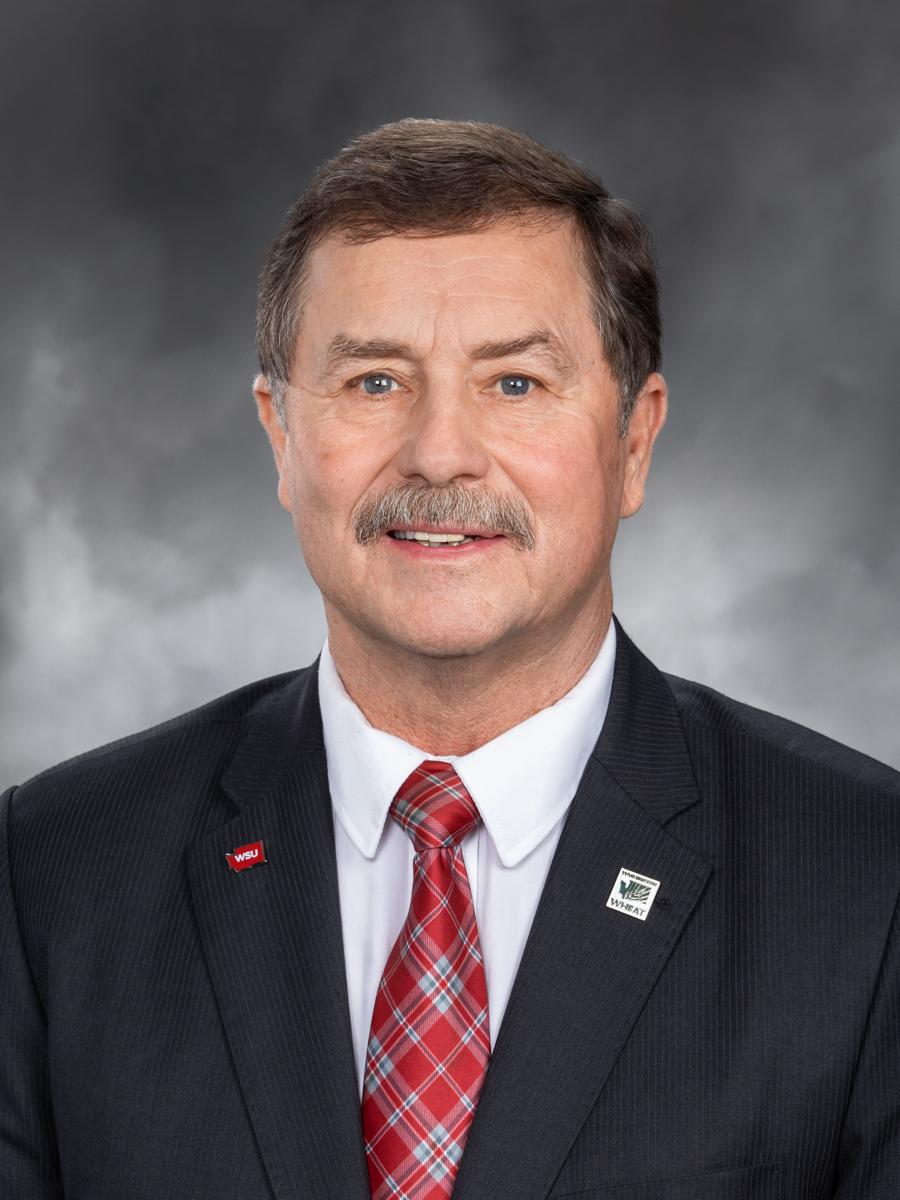
HB 1397 requires Washington counties to levy a local property tax of 2.5 cents per $1,000 of assessed value (deducted from the county's state tax obligation) to fund community services for veterans and individuals with developmental disabilities or mental health needs. It also authorizes counties to levy an additional 1.8 to 27 cents per $1,000 for a dedicated veterans' assistance fund, which similarly reduces the county's state tax burden. These levies directly support existing state programs under RCW 71.24 (disability/mental health services) and RCW 73.08 (veterans' programs). The bill ensures counties do not pay extra costs for these levies, as they offset state tax collections, and specifies how levy amounts adjust based on county property tax changes.
HB 1897 creates legal liability protection for community-based public safety programs in Washington State. It shields these programs, their volunteers, and staff from lawsuits when providing core services - like outreach, case management, shelter, housing, or transportation - to individuals experiencing behavioral health crises, complex needs, or past legal system involvement, as long as actions are taken in good faith. The protection specifically covers activities directly tied to the program's purpose of addressing public safety issues as an alternative to jail or prosecution. However, it does not apply to cases of gross negligence or willful misconduct. This bill directly affects organizations responding to unmanaged substance use, mental health challenges, or poverty-related public order issues.
HB 1870 allows Washington counties to levy an additional property tax of up to five cents per $1,000 of assessed value specifically for public health clinics. This tax can only fund the operation, maintenance, and capital expenses of clinics providing services like primary care, dental care, disease prevention, reproductive health, and behavioral health. The bill amends existing tax laws to exempt this new levy from standard county tax limits (like the $1.80 cap), ensuring it doesn’t count toward other spending restrictions. It directly affects counties and public health clinics, which would use the funds for low-barrier health services to underserved communities.
HB 1432 aims to improve access to mental health and substance use disorder services for individuals in Washington state. The bill updates mental health parity laws, requiring health insurance carriers to base medical necessity determinations on generally accepted standards of care and recommendations from nonprofit health care provider associations. It defines "medically necessary" to align with these standards, ensuring services address patient needs and are clinically appropriate. The legislation also expands the definition of covered mental health services over time, including prescription drugs and updated diagnostic categories for health plans issued or renewed on or after January 1, 2027.
SB 5477 updates Washington's mental health parity law to improve access to mental health and substance use disorder services by requiring health insurers to cover medically necessary care based on established clinical standards. The bill defines "medically necessary" care as services aligned with evidence-based guidelines from recognized medical associations and eliminates previous exclusions for substance use disorder treatments (effective 2026) and certain diagnostic codes. It mandates consistent coverage rules for both mental health and substance use disorders, removes administrative barriers for providers joining insurance networks, and repeals outdated provisions that limited coverage. This directly affects health insurers, healthcare providers, and patients seeking covered mental health and substance use treatment services in Washington.
SB 5126 creates a statewide network to coordinate school-based mental and behavioral health services for Washington K-12 students. It directs the Office of the Superintendent of Public Instruction (OSPI) to lead strategic planning, streamline access to resources, and establish regional programs through Educational Service Districts. The bill requires schools to implement evidence-based screening, prevention, and intervention services - including substance use education - and coordinate with community partners. This directly affects all public schools, students, and local education agencies by standardizing support systems currently fragmented across multiple state agencies.
HB 1124 creates a new prescribing psychologist certification in Washington state, allowing licensed psychologists to prescribe psychotropic medications after meeting specific training requirements. It directly affects psychologists who complete an additional master's degree in clinical psychopharmacology, 500 hours of supervised prescribing fellowship, and pass a national exam. Key provisions require applicants to hold a doctorate in psychology, complete biomedical coursework, and gain supervised clinical experience in physical assessments and medication management. The bill aims to expand mental health access by addressing provider shortages, as noted in the legislature's findings that over half of Washington residents with mental health conditions did not receive treatment last year.
HB 1905 requires courts to appoint legal counsel for individuals detained under Washington's involuntary treatment laws. This bill directly affects people facing involuntary mental health or substance use disorder detention, ensuring they have representation during court proceedings. Key provisions amend statutes to mandate appointed counsel during involuntary commitment hearings and related legal processes. The law updates procedures to provide due process for detained individuals under the Involuntary Treatment Act, without specifying funding or eligibility details. This change aims to strengthen legal protections for those in involuntary detention.
HB 1035 requires Washington's public community colleges, technical colleges, and regional universities to adopt policies addressing secondary traumatic stress among faculty and staff. It mandates developing model policies with specific elements, including mental health support, diversity-focused workplace climates, campus mental health committees, and annual reporting. Institutions must post these policies publicly by September 2025 and incorporate all required elements into their own policies by the start of the 2025-26 academic year. The bill also requires colleges to publish online links to mental health resources, self-assessment tools, and best practices for their workforce.
SB 5112 would create a new certification allowing psychologists in Washington to prescribe medications for mental health conditions. To qualify, psychologists must hold a doctorate in psychology, complete a specialized master's program in clinical psychopharmacology (including 400+ hours of biomedical coursework), gain 80 hours of supervised physical assessment training, and complete a 500-hour prescribing fellowship. The certification requires passing a national exam and meeting specific education standards, building on existing psychology licensure. This aims to increase mental health access by expanding prescribing authority, addressing a shortage of psychiatric providers as noted in the bill's findings.