Issue · Healthcare

Healthcare (Substance Abuse)

Every healthcare bill, vote, and legislator stance in Washington, automatically classified by Maddy, our AI policy reader.

Total bills
32
2025-2026 Regular Session
Top supporter
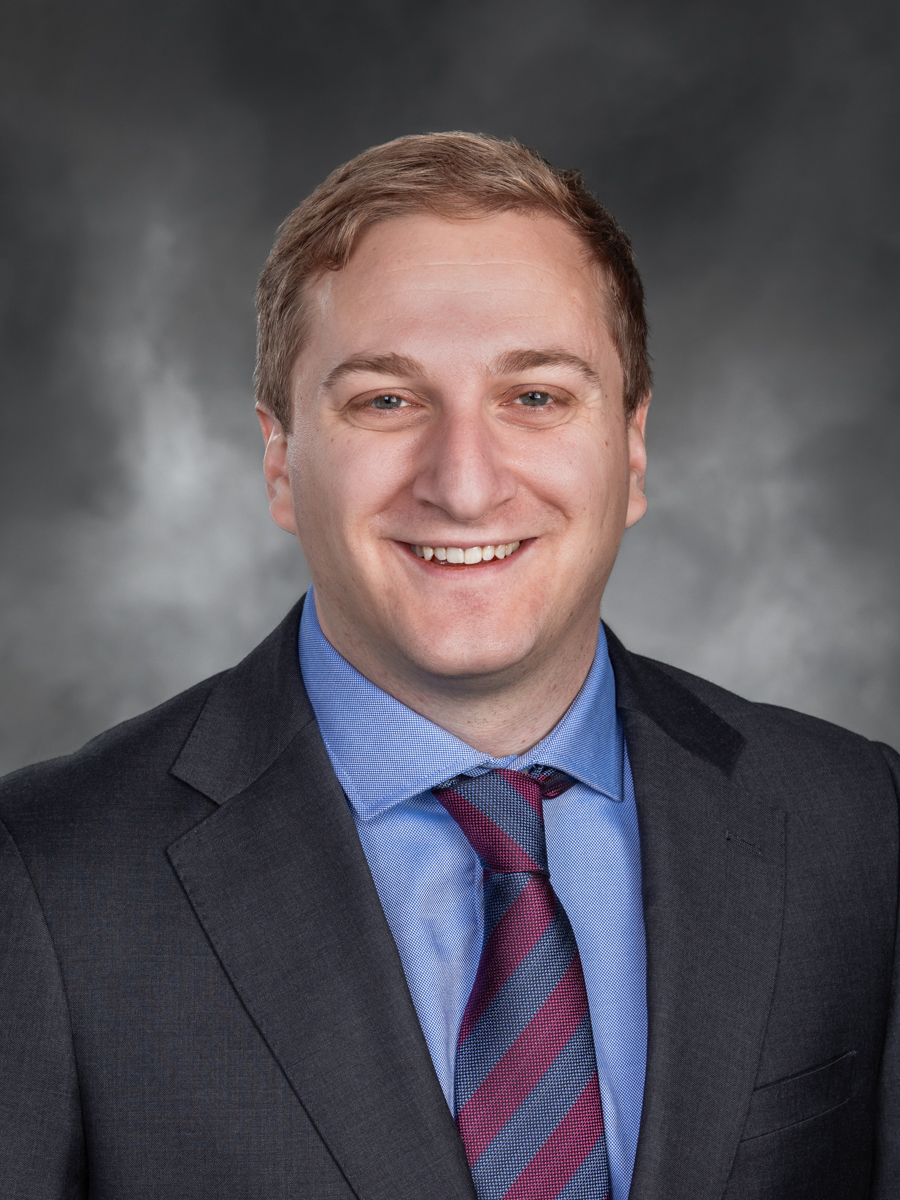
Adam Bernbaum
100% support rate
Top opponent
Cyndy Jacobsen
14% support rate
Ranked legislators
10
5 support · 5 oppose
Key legislators

Who's moving substance abuse in Washington

Legislators moving substance abuse in Washington
Legislator Party Stance Support rate Votes
Adam Bernbaum
Adam Bernbaum House · District 24
D
Strong +
100% 7
Alex Ramel
Alex Ramel House · District 40
D
Strong +
100% 7
Amy Walen
Amy Walen House · District 48
D
Strong +
100% 7
April Berg
April Berg House · District 44
D
Strong +
100% 7
Beth Doglio
Beth Doglio House · District 22
D
Strong +
100% 7
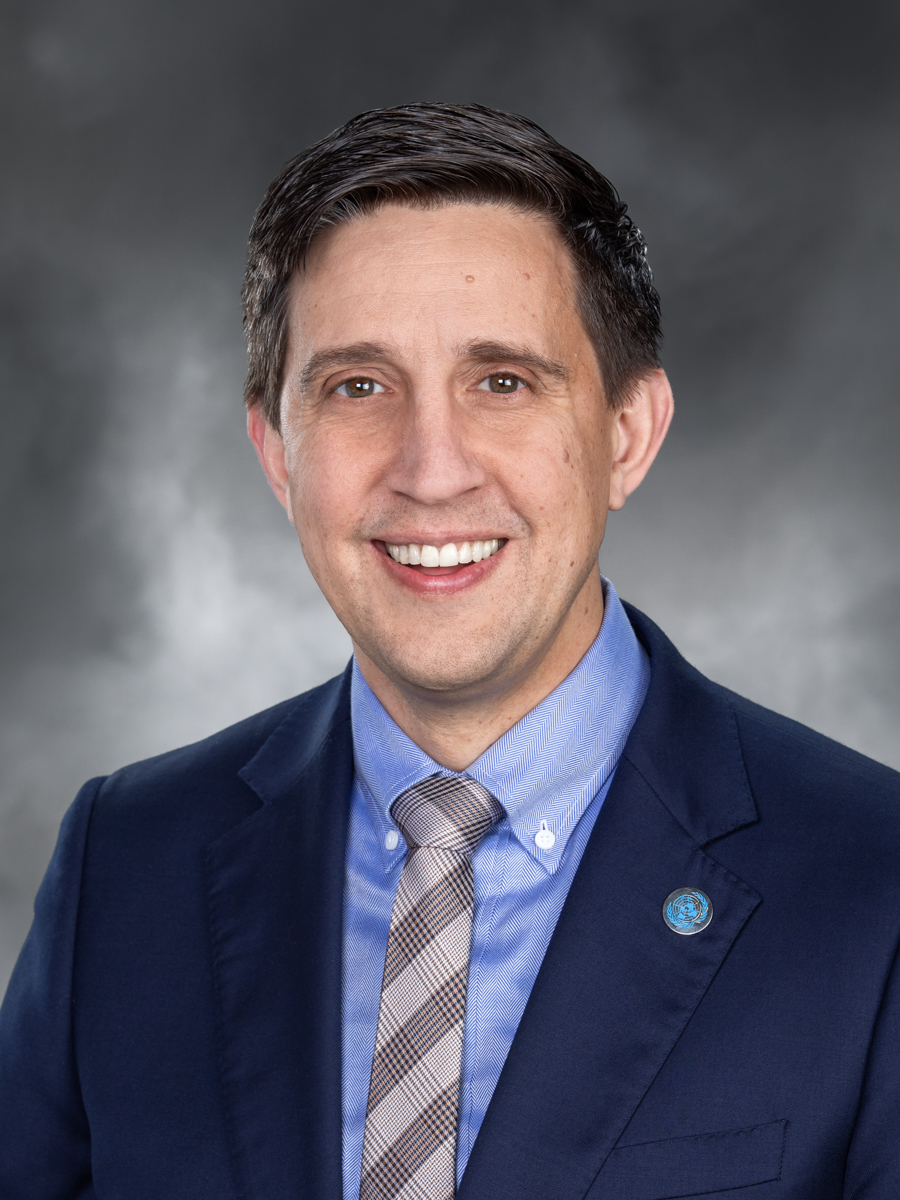
Cyndy Jacobsen
Cyndy Jacobsen House · District 25
R
Strong −
14% 7
Jim Walsh
Jim Walsh House · District 19
R
Strong −
14% 7
Joel McEntire
Joel McEntire House · District 19
R
Strong −
17% 6
Andrew Barkis
Andrew Barkis House · District 2
R
Oppose
29% 7
Andrew Engell
Andrew Engell House · District 7
R
Oppose
29% 7
Showing 31–32 of 32 bills

All healthcare bills

in committee · Washington · House Jan 12, 2026

HB 1933: Providing universal access to overdose information to law enforcement and emergency services providers.

HB 1933 requires the Washington Department of Health to create an interface connecting the state's emergency medical services system with an overdose detection mapping tool. This would provide law enforcement and emergency services agencies with universal access to aggregated overdose data (both fatal and nonfatal), organized by zip code to comply with privacy laws. The bill does not share individual patient information but enables agencies to view broader geographic trends in overdose incidents. It directly affects emergency response coordination by giving agencies data to inform resource allocation and community safety planning.
Sub-Topics Substance Abuse
in committee · Washington · House Jan 12, 2026

HB 1502: Establishing a behavioral health teaching clinic designation and enhancement rate.

HB 1502 establishes a new "behavioral health teaching clinic" designation for licensed or certified behavioral health agencies that train interns and new graduates in mental health and substance use care. To qualify, agencies must meet specific standards, including providing clinical supervision, equitable access to services, and formal partnerships with educational institutions. Designated clinics will receive an enhanced reimbursement rate to offset the costs of training (currently unpaid), helping them retain staff and address workforce shortages. This policy directly affects community behavioral health agencies serving Medicaid patients, which face high turnover due to low reimbursement rates and competition from other healthcare settings.
Showing 31 to 32 of 32 bills
Previous 1 2 3 4