Issue · Healthcare

Healthcare

Every healthcare bill, vote, and legislator stance in Washington, automatically classified by Maddy, our AI policy reader.

Total bills
19
119th Congress
Top supporter
Pramila Jayapal
67% support rate
Top opponent
Michael Baumgartner
39% support rate
Ranked legislators
7
5 support · 2 oppose
Key legislators

Who's moving healthcare in Washington

Legislators moving healthcare in Washington
Legislator Party Stance Support rate Votes
Pramila Jayapal
Pramila Jayapal House · District 7
D
Support
67% 190
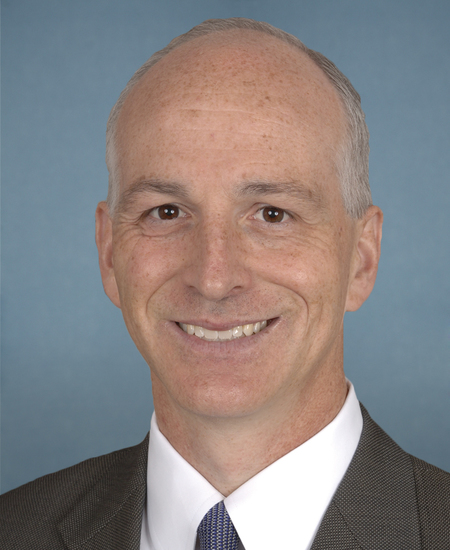
Adam Smith
Adam Smith House · District 9
D
Support
61% 206
Maria Cantwell
Maria Cantwell Senate
D
Mixed
59% 223
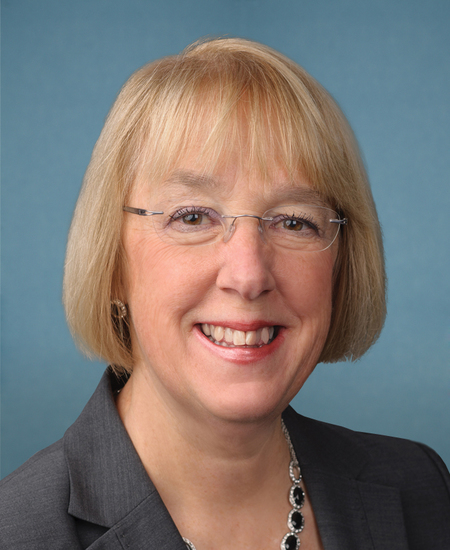
Patty Murray
Patty Murray Senate
D
Mixed
59% 202
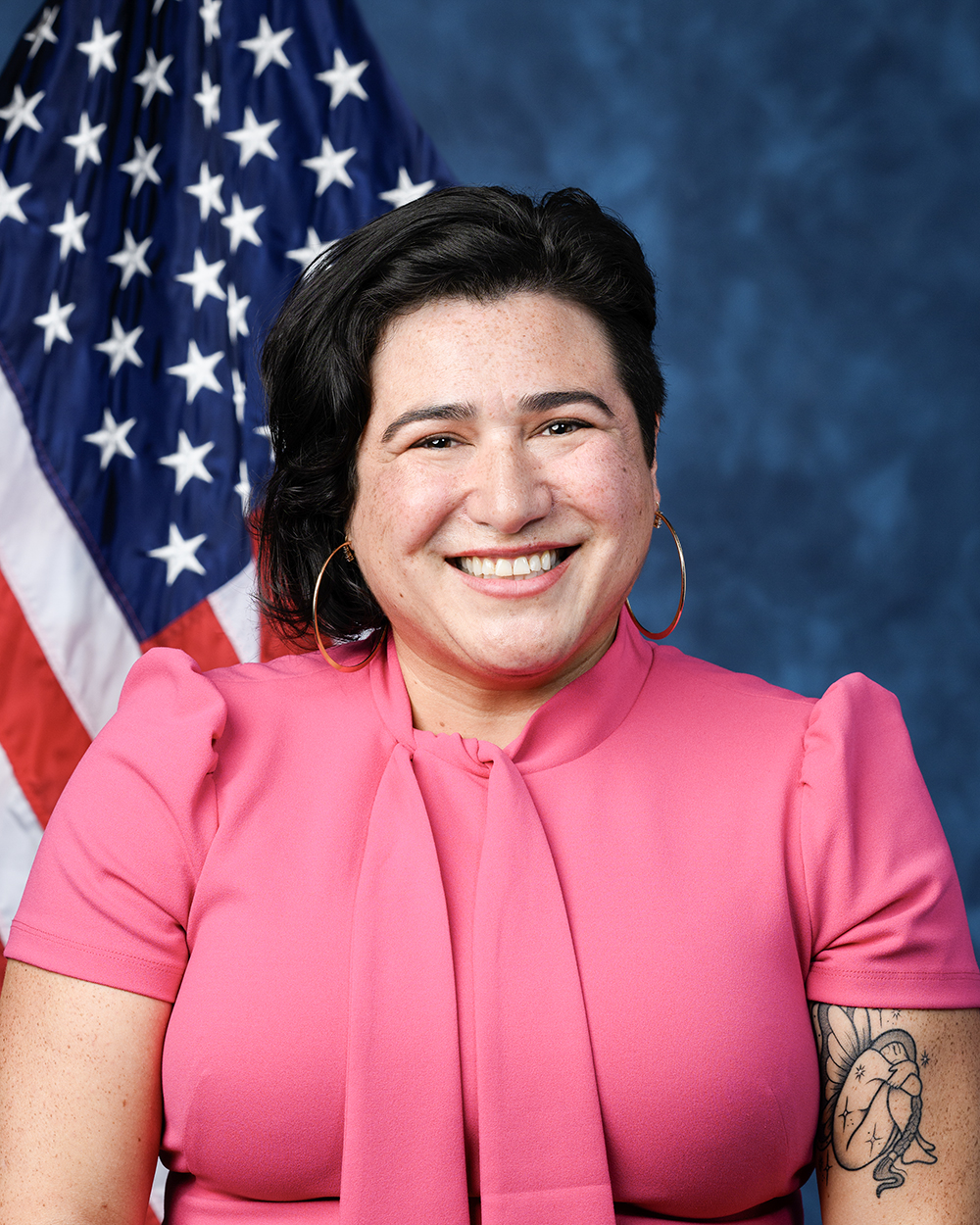
Emily Randall
Emily Randall House · District 6
D
Mixed
59% 206
Michael Baumgartner
Michael Baumgartner House · District 5
R
Oppose
39% 203
Dan Newhouse
Dan Newhouse House · District 4
R
Mixed −
44% 206
Showing 1–10 of 19 bills

All healthcare bills

in committee · United States · Senate Jul 16, 2026

SJRES 198: A joint resolution providing for congressional disapproval under chapter 8 of title 5, United States Code, of the rule submitted by the Centers for Medicare & Medicaid Services of the Department of Health and Human Services relating to "Medicare Program; Implementation of Prior Authorization for Select Services for the Wasteful and Inappropriate Services Reduction (WISeR) Model".

This joint resolution seeks to officially disapprove a specific rule issued by the Centers for Medicare & Medicaid Services regarding the implementation of prior authorization for certain Medicare services. The proposed action would prevent the rule, known as the WISeR Model, from taking effect, thereby stopping the new requirements from being enforced. If passed, the resolution would nullify the regulation and maintain the status quo for the affected healthcare services.
Sub-Topics Medicaid Medicare
in committee · United States · Senate Jul 14, 2026

SJRES 197: A joint resolution providing for congressional disapproval under chapter 8 of title 5, United States Code, of the rule submitted by the Centers for Medicare & Medicaid Services of the Department of Health and Human Services relating to "Patient Protection and Affordable Care Act, HHS Notice of Benefit and Payment Parameters for 2027; and Basic Health Program".

This joint resolution seeks to formally disapprove a specific rule issued by the Centers for Medicare & Medicaid Services regarding the Affordable Care Act and the Basic Health Program for 2027. If passed, the measure would nullify the rule, preventing it from taking legal effect. The bill directly impacts the administration of healthcare benefits and payment parameters for the upcoming year. It is sponsored by a group of Democratic senators and is intended to halt the implementation of the agency's proposed changes.
Sub-Topics Medicaid Medicare
in committee · United States · Senate Jun 9, 2026

SJRES 192: A joint resolution providing for congressional disapproval under chapter 8 of title 5, United States Code, of the rule submitted by the Centers for Medicare & Medicaid Services of the Department of Health and Human Services relating to "Medicare Program; Implementation of Prior Authorization for Select Services for the Wasteful and Inappropriate Services Reduction (WISeR) Model".

This joint resolution seeks to reject a specific federal rule issued by the Centers for Medicare & Medicaid Services regarding the WISeR Model, which was designed to reduce wasteful spending by requiring prior authorization for select Medicare services. If passed, the measure would legally nullify the rule, preventing the Centers for Medicare & Medicaid Services from enforcing the new prior authorization requirements on healthcare providers. The bill directly affects Medicare beneficiaries and medical facilities that would otherwise have to comply with these administrative changes. By invoking the Congressional Review Act, the legislation aims to stop the implementation of the policy without altering the underlying statute governing Medicare.
Sub-Topics Medicaid Medicare
in committee · United States · House May 19, 2026

HJRES 187: Providing for congressional disapproval under chapter 8 of title 5, United States Code, of the rule submitted by the Centers for Medicare & Medicaid Services of the Department of Health and Human Services relating to "Medicare Program; Implementation of Prior Authorization for Select Services for the Wasteful and Inappropriate Services Reduction (WISeR) Model".

This joint resolution expresses Congress's disapproval of a Centers for Medicare & Medicaid Services rule that requires doctors to obtain prior authorization for certain medical services under the WISeR Model. The bill directly affects healthcare providers and patients by seeking to cancel the rule, which would otherwise mandate that specific services be approved before they are delivered. If passed, the provision would render the rule ineffective, preventing the new prior authorization requirements from taking effect. This action is part of a standard legislative process used to reject federal regulations without needing to pass a new law.
Sub-Topics Medicaid Medicare
in committee · United States · House Mar 12, 2026

HR 7920: Take Back Our Hospitals Act of 2026

This bill, titled the Take Back Our Hospitals Act of 2026, would prohibit Medicare from paying hospitals or skilled nursing facilities owned or controlled by private equity funds, real estate investment trusts, or corporations owned by those funds. The law defines control as owning 10 percent or more of voting securities or having the power to direct management and policies through contracts or other means. Facilities currently owned by these firms would have a three-year transition period before the prohibition takes full effect. The bill also establishes joint and several liability, meaning the owning firm would be responsible for any penalties if the facility violates the rule, and provides for notice, hearings, and judicial review for affected facilities.
in committee · United States · House Jun 5, 2025

HR 3708: No Place for LGBTQ+ Hate Act

HR 3708, the "No Place for LGBTQ+ Hate Act," repeals five specific executive orders targeting LGBTQ+ rights and blocks federal funding for their implementation. It directly affects transgender, nonbinary, intersex, and gender-nonconforming individuals by reversing policies that: mandated discrimination in employment/healthcare (EO 14168), reinstated a military ban (EO 14183), restricted transgender youth healthcare (EO 14187), barred transgender female students from sports (EO 14201), and required schools to deny transgender existence (EO 14190). The bill’s key mechanism prohibits federal funds from being used to enforce these orders, effectively nullifying them. This is a procedural repeal bill focused on reversing specific executive actions, not creating new laws.
in committee · United States · House Jul 21, 2026

HR 7970: STOP Nitazenes Act

This bill, known as the STOP Nitazenes Act, directs the federal government to permanently classify nitazenes and related synthetic opioids as Schedule I controlled substances, placing them in the same legal category as heroin and fentanyl. The legislation specifically targets a broad range of chemical compounds, including etonitazene and other variants, by defining them as 2-benzylbenzimidazole opioids and requiring the Attorney General to publish a list of qualifying substances. Under the bill, any nitazene substance temporarily scheduled under emergency provisions would be made permanently scheduled upon enactment, ensuring long-term federal control. The law also mandates that the Attorney General issue implementing rules within one year, allowing for immediate interim enforcement while providing opportunities for public comment before final regulations are established.
in committee · United States · House Jan 13, 2025

HR 343: Title X Abortion Provider Prohibition Act

This bill prohibits federal funding under Title X (which supports family planning services) for clinics or organizations that perform or fund abortions, except in cases of rape, incest, or when a physician certifies a life-threatening condition. It requires grantees to certify compliance annually and mandates detailed annual reports to Congress on exceptions, including abortion counts by circumstance. The law directly affects Title X-funded providers who currently offer abortion services, potentially forcing them to stop providing abortions or lose federal funding. Key mechanisms include the certification requirement, exception criteria, and the new reporting obligations for the Secretary of Health and Human Services.
in committee · United States · House Feb 24, 2025

HR 1525: Protecting Life from Chemical Abortions Act

Protecting Life from Chemical Abortions Act This bill nullifies certain changes made by the Food and Drug Administration (FDA) to dispensing requirements for mifepristone. (Mifepristone is a drug that is approved to end pregnancies through 10 weeks gestation when used in conjunction with the drug misoprostol. The procedure is often referred to as medication abortion or the abortion pill.) The FDA regulates mifepristone through the Mifepristone Risk Evaluation and Mitigation Strategy (REMS) program. The program requires health care providers to comply with certain requirements in order to prescribe or dispense mifepristone to end a pregnancy; the program previously included an in-person dispensing requirement that required mifepristone to be directly dispensed to patients in clinics, medical offices, or hospitals. During the COVID-19 public health emergency, the FDA stopped enforcing the in-person dispensing requirement, which allowed mail-order pharmacies to fill and dispense mifepristone prescriptions. In January 2023, the FDA modified program requirements so as to (1) remove the in-person dispensing requirement, and (2) require pharmacies to be program-certified in order to dispense mifepristone. The modifications allow certified retail pharmacies to dispense mifepristone pursuant to prescriptions that are written by certified prescribers. The bill nullifies the January 2023 changes and prohibits the FDA from (1) exercising any enforcement discretion with respect to program requirements, or (2) reducing program protections until every state submits certain data regarding abortions to the Centers for Disease Control and Prevention. The bill also generally prohibits the declaration of a public health emergency with respect to abortions.
in committee · United States · Senate Mar 25, 2026

SJRES 103: A joint resolution providing for congressional disapproval under chapter 8 of title 5, United States Code, of the rule submitted by the Department of Veterans Affairs relating to "Reproductive Health Services".

SJRES 103 is a congressional disapproval resolution targeting a Department of Veterans Affairs (VA) rule on reproductive health services for veterans. The resolution, if passed, would block the VA rule from taking effect by invoking the Congressional Review Act (Chapter 8 of Title 5, U.S. Code), meaning the rule published in the Federal Register (December 31, 2025) would have no legal force. This directly affects the VA’s ability to implement new guidelines for reproductive health services at its facilities, preserving existing policies instead. The resolution does not create new policy but halts a specific administrative rule.
Sub-Topics Women's Health
Showing 1 to 10 of 19 bills
1 2 Next