Issue · Environment

Environment (Recycling)

Every environment bill, vote, and legislator stance in Washington, automatically classified by Maddy, our AI policy reader.

Total bills
31
2025-2026 Regular Session
Top supporter
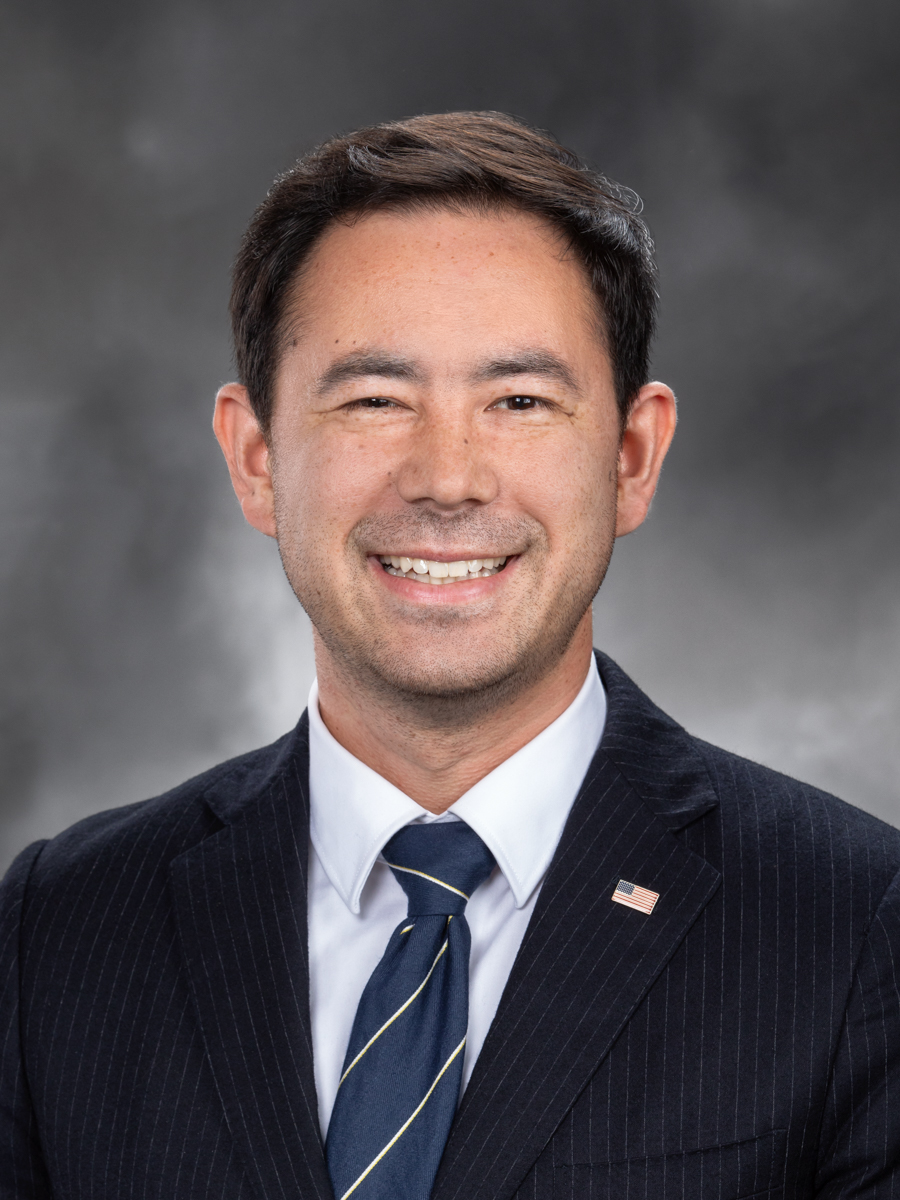
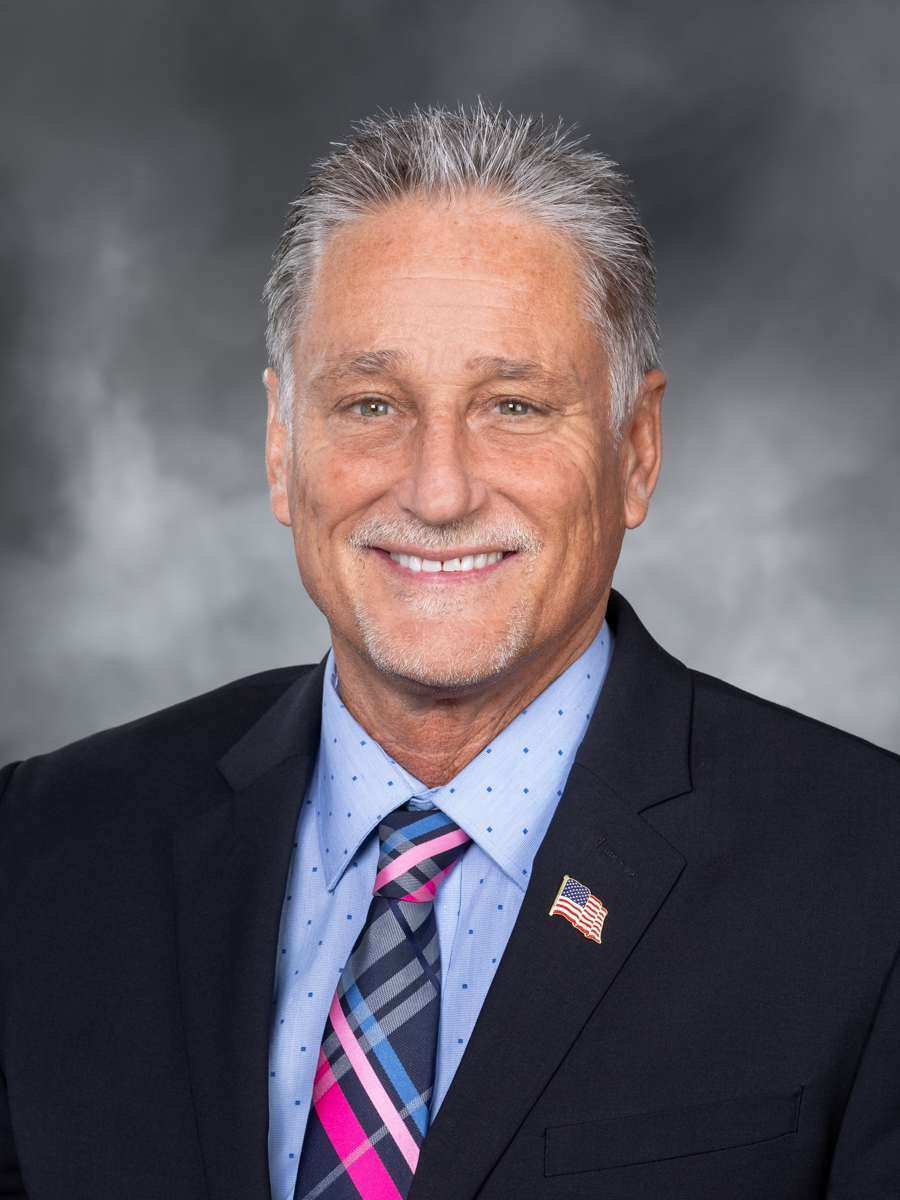
Clyde Shavers
100% support rate
Top opponent
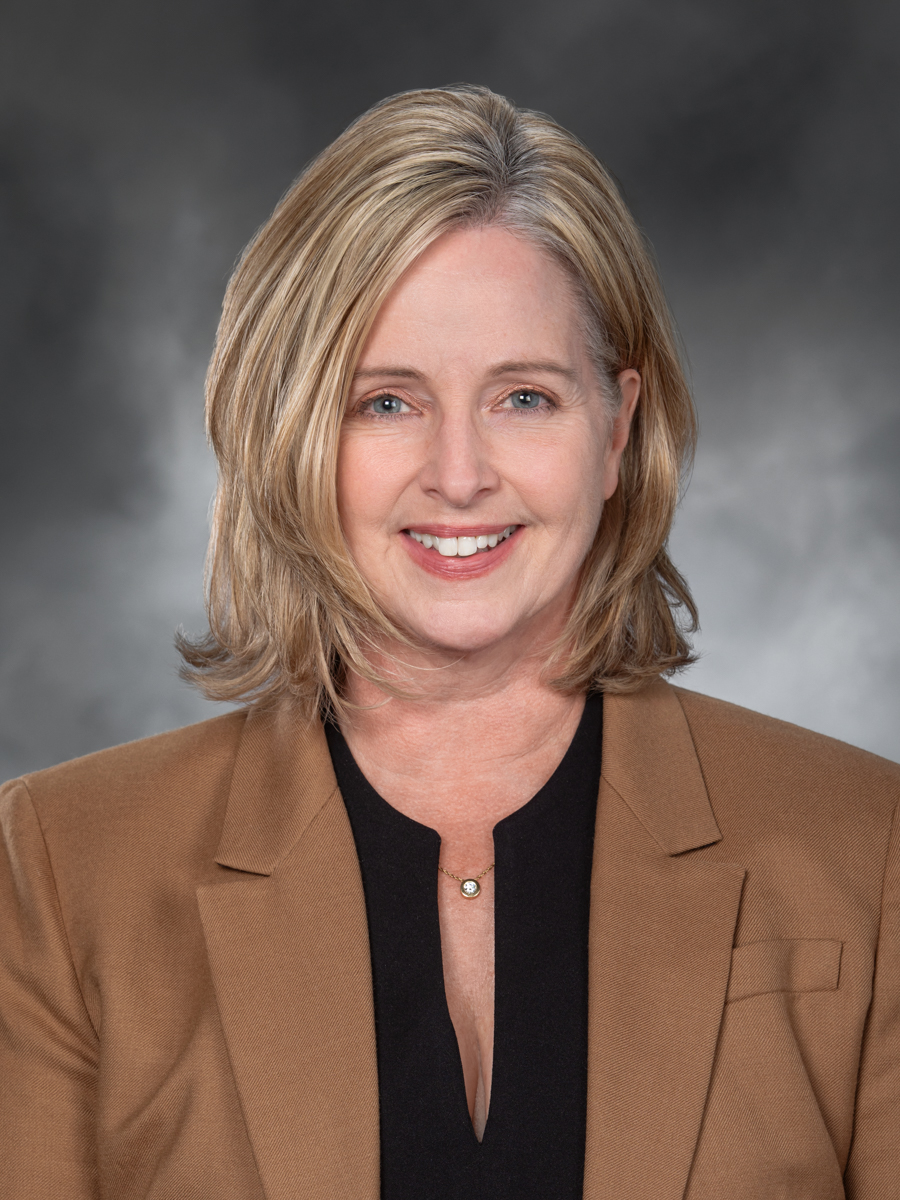
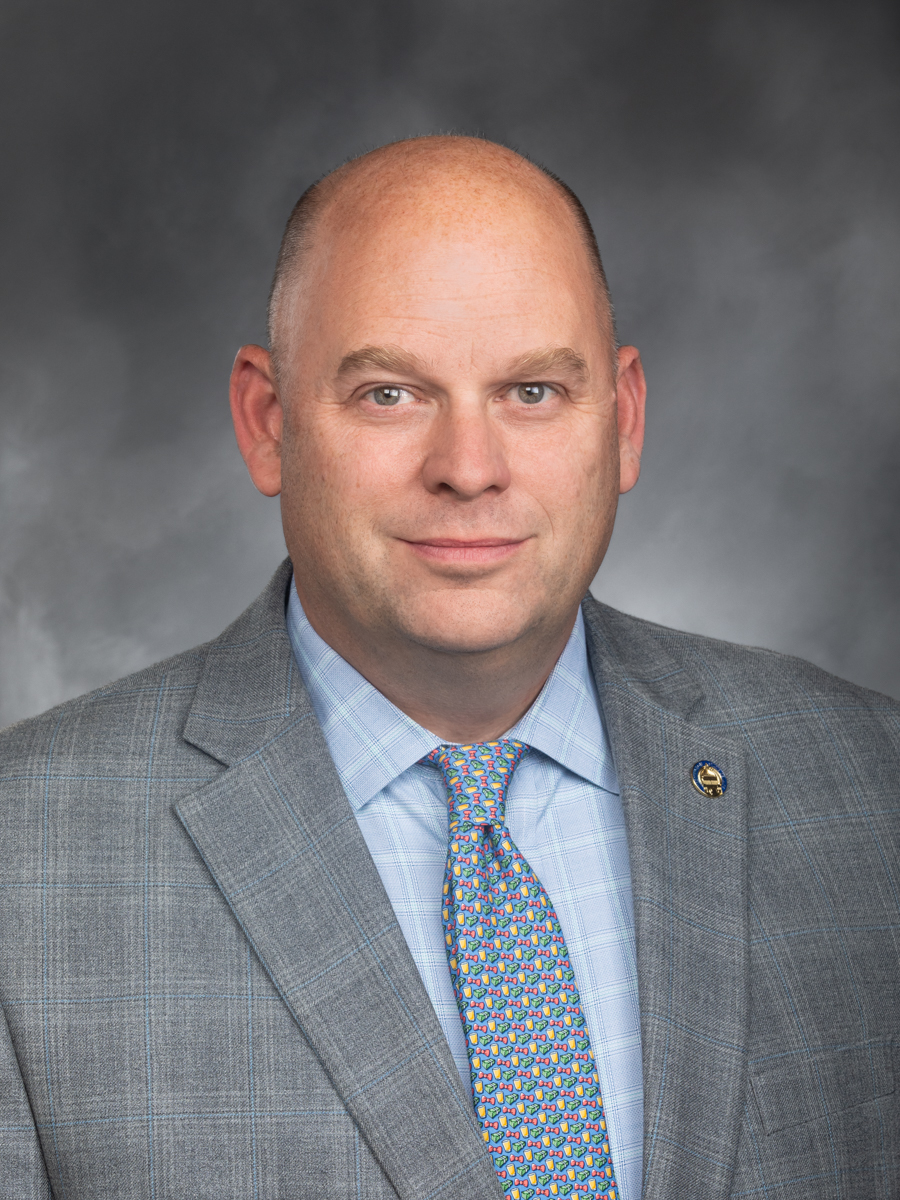
Curtis King
0% support rate
Ranked legislators
10
5 support · 5 oppose
Key legislators

Who's moving recycling in Washington

Legislators moving recycling in Washington
Legislator Party Stance Support rate Votes
Clyde Shavers
Clyde Shavers House · District 10
D
Strong +
100% 23
Annette Cleveland
Annette Cleveland Senate · District 49
D
Strong +
100% 4
Bob Hasegawa
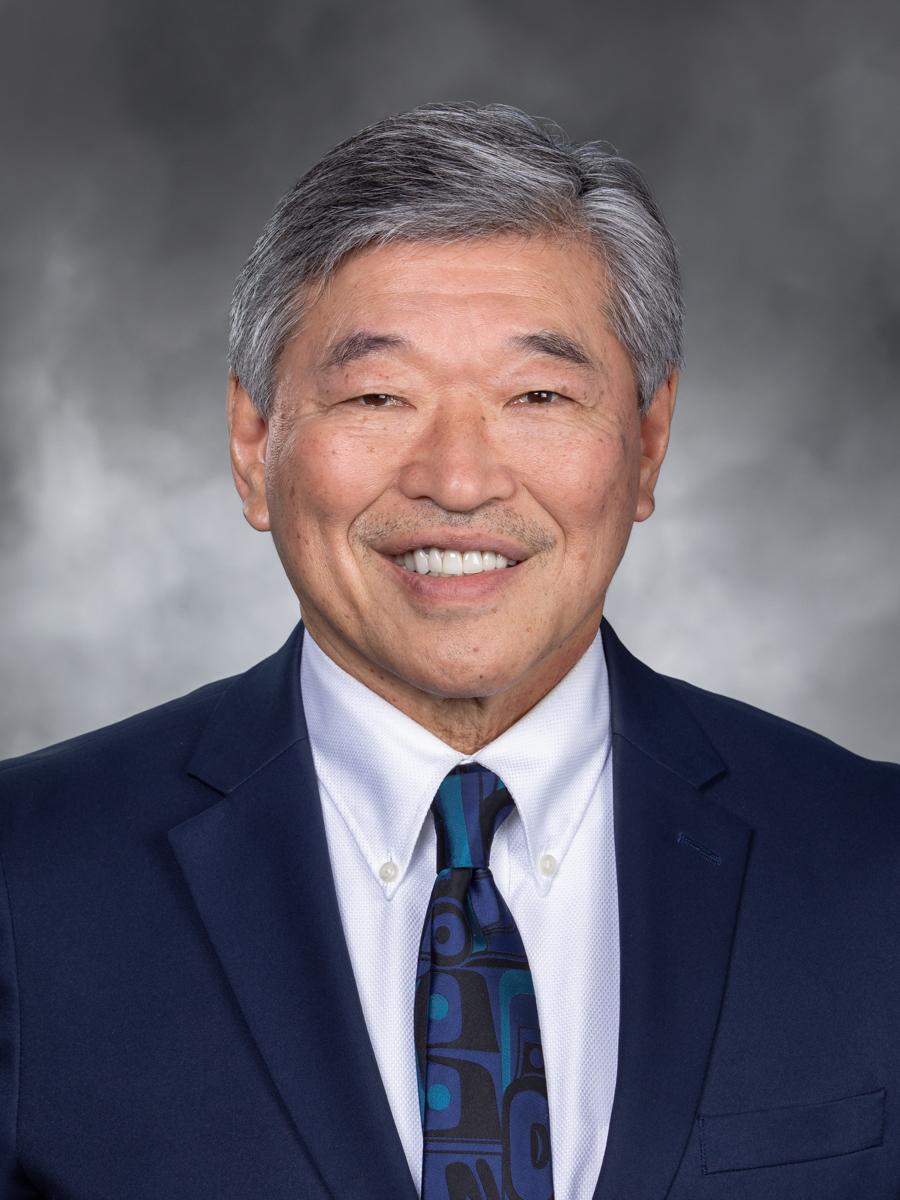
Bob Hasegawa Senate · District 11
D
Strong +
100% 4
Claire Wilson
Claire Wilson Senate · District 30
D
Strong +
100% 4
Derek Stanford
Derek Stanford Senate · District 1
D
Strong +
100% 4
Curtis King
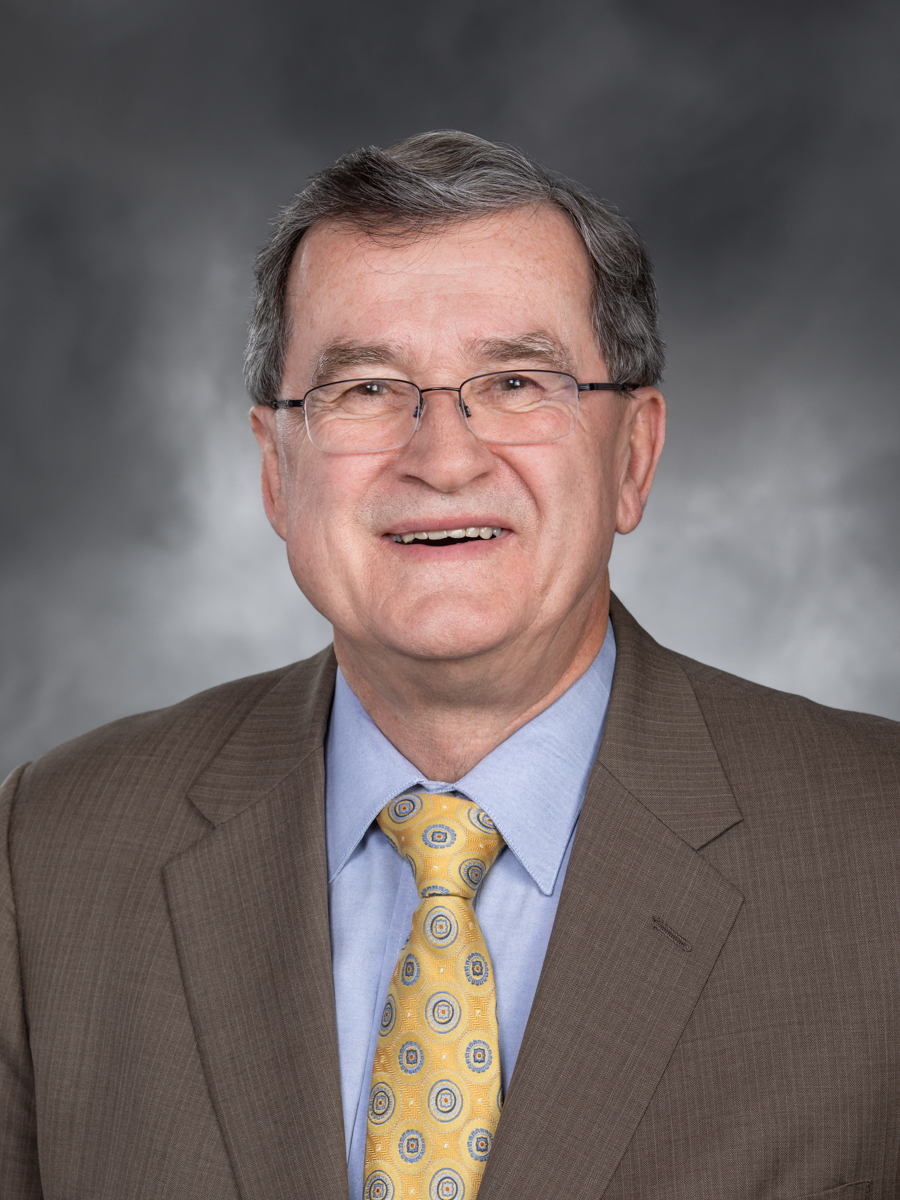
Curtis King Senate · District 14
R
Strong −
0% 4
Drew MacEwen
Drew MacEwen Senate · District 35
R
Strong −
0% 4
Jeff Holy
Jeff Holy Senate · District 6
R
Strong −
0% 4
Jeff Wilson
Jeff Wilson Senate · District 19
R
Strong −
0% 4
Jim McCune
Jim McCune Senate · District 2
R
Strong −
0% 4
Showing 11–20 of 31 bills

All environment bills

in committee · Washington · House Feb 2, 2026

HB 2212: Reducing microplastic pollution from washing machines.

HB 2212 requires new commercial and industrial washing machines sold in Washington to include microfiber filters that capture tiny plastic fibers (under 5mm) starting July 1, 2028, with existing machines needing filters by July 1, 2034. It mandates clear labeling on machines and regular filter maintenance to prevent microplastics - released in high numbers per laundry load - from entering waterways. The bill also allows for future residential machine requirements if other states adopt similar rules and costs stay below $70 per unit. Violations face civil penalties up to $10,000 per offense, enforced by the Department of Ecology. This targets a major pollution source linked to health and marine ecosystem risks.
Sub-Topics Recycling
in committee · Washington · House Jan 12, 2026

HB 1901: Concerning mattress producer responsibility organizations.

HB 1901 requires mattress manufacturers and importers to fund recycling programs to reduce landfill waste. It creates a system where producers pay for collection, recycling, and proper disposal of mattresses, directly affecting companies selling mattresses in Washington. The bill mandates "environmentally sound" recycling practices, prioritizing reuse and recycling over landfill disposal, and establishes producer responsibility organizations to manage these programs. This aims to cut illegal dumping, create recycling jobs, and capture materials like metal and foam for reuse, reducing landfill costs and emissions.
in committee · Washington · Senate Feb 26, 2026

SB 5502: Concerning recycling and waste reduction.

SB 5502 establishes a refund program for glass, plastic, and metal beverage containers (40ml to 1 gallon) in Washington, requiring brands to fund the system. Consumers receive refunds when returning covered containers to designated redemption sites or alternative return options like reverse vending machines. The law aims to increase recycling rates, reduce litter (noting Washington's annual 11.6 million pounds of park litter), and support a circular economy by making brands responsible for end-of-life container management. It directly affects beverage brands, redemption site operators, and consumers who return containers.
signed · Washington · House Mar 23, 2026

HB 1302: Concerning utility connection charge waivers.

HB 1302 allows local governments that operate municipal utilities to waive connection charges for public or private organizations utilizing industrial symbiosis. Industrial symbiosis involves collaboration among businesses to exchange materials, energy, and byproducts to optimize resource use and enhance environmental and economic outcomes. This bill aims to encourage the development and use of sustainable technologies and promote resiliency. It specifies that waived charges must be funded through general funds, grants, or other revenue streams, and maintains existing provisions for waiving charges for affordable housing providers.
Sub-Topics Recycling
signed · Washington · Senate Apr 22, 2025

SB 5175: Concerning the photovoltaic module stewardship and takeback program.

Senate Bill 5175 establishes a photovoltaic module stewardship and takeback program in Washington state. It requires manufacturers of photovoltaic modules to finance and implement a system for the convenient, safe, and environmentally sound recycling of these modules. Manufacturers, individually or through a stewardship organization, must submit a plan to the Department of Ecology detailing how they will cover the costs of collection, management, and recycling, ensuring no charge to the last owner. The program aims to minimize hazardous substances and maximize the recovery of valuable materials, including rare earth elements, from used solar panels.
Sub-Topics Solar Recycling
in committee · Washington · House Jan 12, 2026

HB 1134: Promoting resource conservation practices in public schools.

HB 1134 establishes a voluntary "Washington state green schools program" within the Office of the Superintendent of Public Instruction to promote student-led resource conservation in public schools. The program provides limited stipend funding ($600 max per school annually) for school-based advisors to support student education and leadership in waste reduction, energy conservation, water efficiency, and urban forestry initiatives. Schools with over 50% of students eligible for free/reduced-price meals receive priority for funding, and the program aligns with state science curriculum standards on climate and sustainability. It is funded using revenues from the Climate Commitment Act and complements existing district conservation efforts.
signed · Washington · Senate May 17, 2025

SB 5284: Improving Washington's solid waste management outcomes.

Senate Bill 5284 aims to improve Washington's solid waste management and increase recycling rates, which have remained static. It establishes an extended producer responsibility program for consumer packaging and paper products. Under this program, producers are required to fund and manage the lifecycle of these materials, from design to end-of-life. The goal is to make convenient and affordable curbside recycling more widely available to residents, particularly those in rural and multifamily areas, by building upon existing waste and recycling infrastructure.
in committee · Washington · House Jan 30, 2026

HB 2018: Concerning solid waste and establishing the local government solid waste assistance account.

HB 2018 gradually increases a tax on solid waste services from 3.6% to 6.1% over five years (starting in 2026), with the additional revenue (above 3.6%) directed into a new Local Government Solid Waste Assistance Account. This account funds eligible counties and cities to implement their solid waste management plans, as required by state law. Funds are distributed equally to all counties (50%) and proportionally based on population to cities (50%). The bill directly affects residents paying solid waste fees and local governments receiving funding for waste management programs.
in committee · Washington · Senate Jan 12, 2026

SB 5058: Implementing strategies to achieve higher recycling rates within Washington's existing solid waste management system.

SB 5058 aims to increase Washington's recycling rate for packaging to 65% by implementing specific strategies within the state's current waste management system. It requires a statewide list of accepted recyclable materials to reduce confusion and contamination, mandates a needs assessment to identify necessary investments, and expands requirements for manufacturers to use postconsumer recycled content in packaging and paper products. The bill directly affects residents (through standardized curbside recycling services), manufacturers (via new recycled content rules), and local governments (which retain authority over collection systems). It maintains existing public-private partnerships and does not alter local government roles in managing recycling services.
in committee · Washington · House Jan 12, 2026

HB 1236: Increasing penalties for littering.

HB 1236 increases penalties for littering in Washington State by creating tiered fines: a class 2 civil infraction for ≤1 cubic foot, a misdemeanor for 1-10 cubic yards, and a gross misdemeanor for >10 cubic yards. Offenders must pay restitution equal to 4x cleanup costs for misdemeanors or 2x for gross misdemeanors, with funds distributed to landowners and law enforcement. The bill also establishes a littering solutions task force under the Department of Ecology, requiring input from state agencies, counties, and industry groups (like waste management, retail, and tourism) to develop recommendations by November 2026. The task force must address specific issues like cigarette butts, road cleanup costs, and reducing litter at public sites such as parks and roadways.
Showing 11 to 20 of 31 bills
Previous 1 2 3 4 Next