Issue · Education

Education (K-12 Education)

Every education bill, vote, and legislator stance in Washington, automatically classified by Maddy, our AI policy reader.

Total bills
87
2025-2026 Regular Session
Top supporter
Mike Steele
90% support rate
Top opponent
Zach Hall
6% support rate
Ranked legislators
10
5 support · 5 oppose
Key legislators

Who's moving k-12 education in Washington

Legislators moving k-12 education in Washington
Legislator Party Stance Support rate Votes
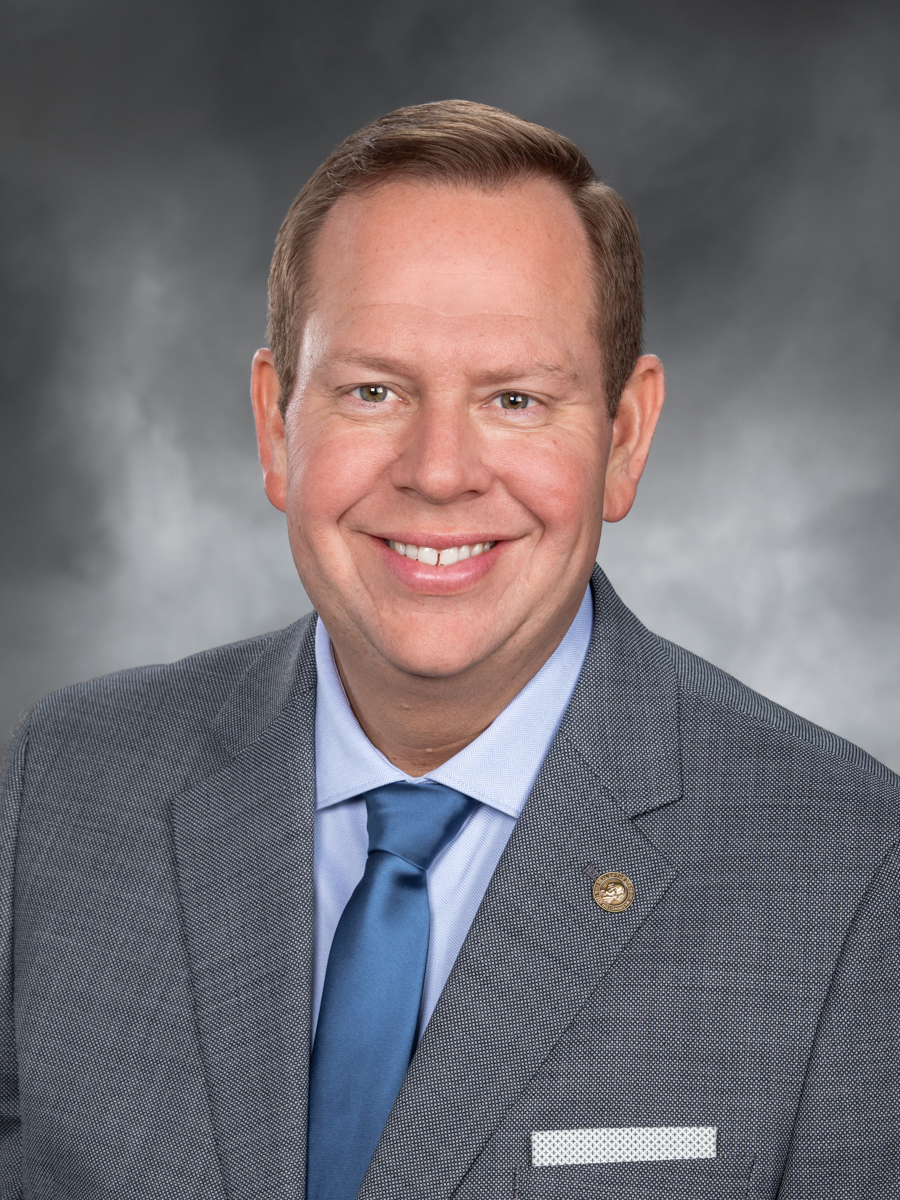
Mike Steele
Mike Steele House · District 12
R
Strong +
90% 84
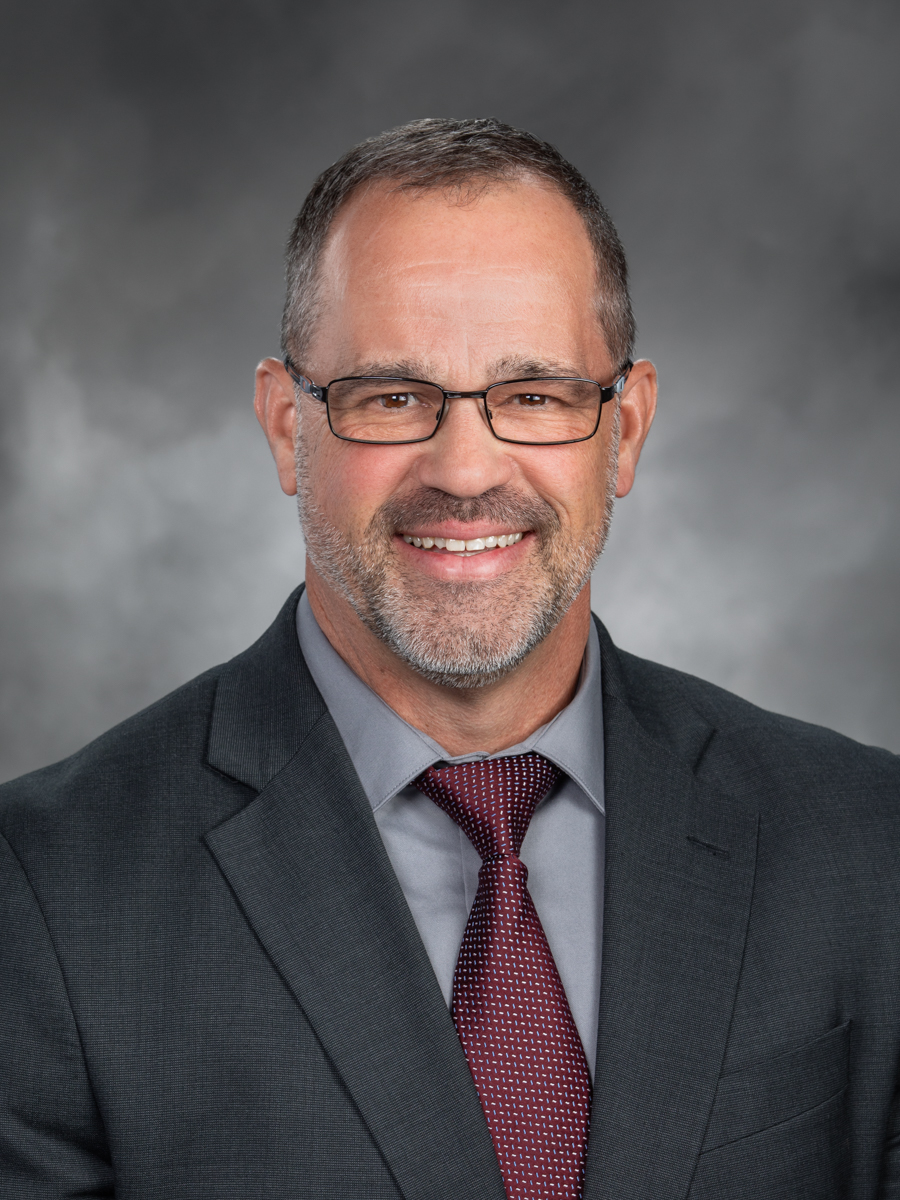
Sam Low
Sam Low House · District 39
R
Strong +
90% 84
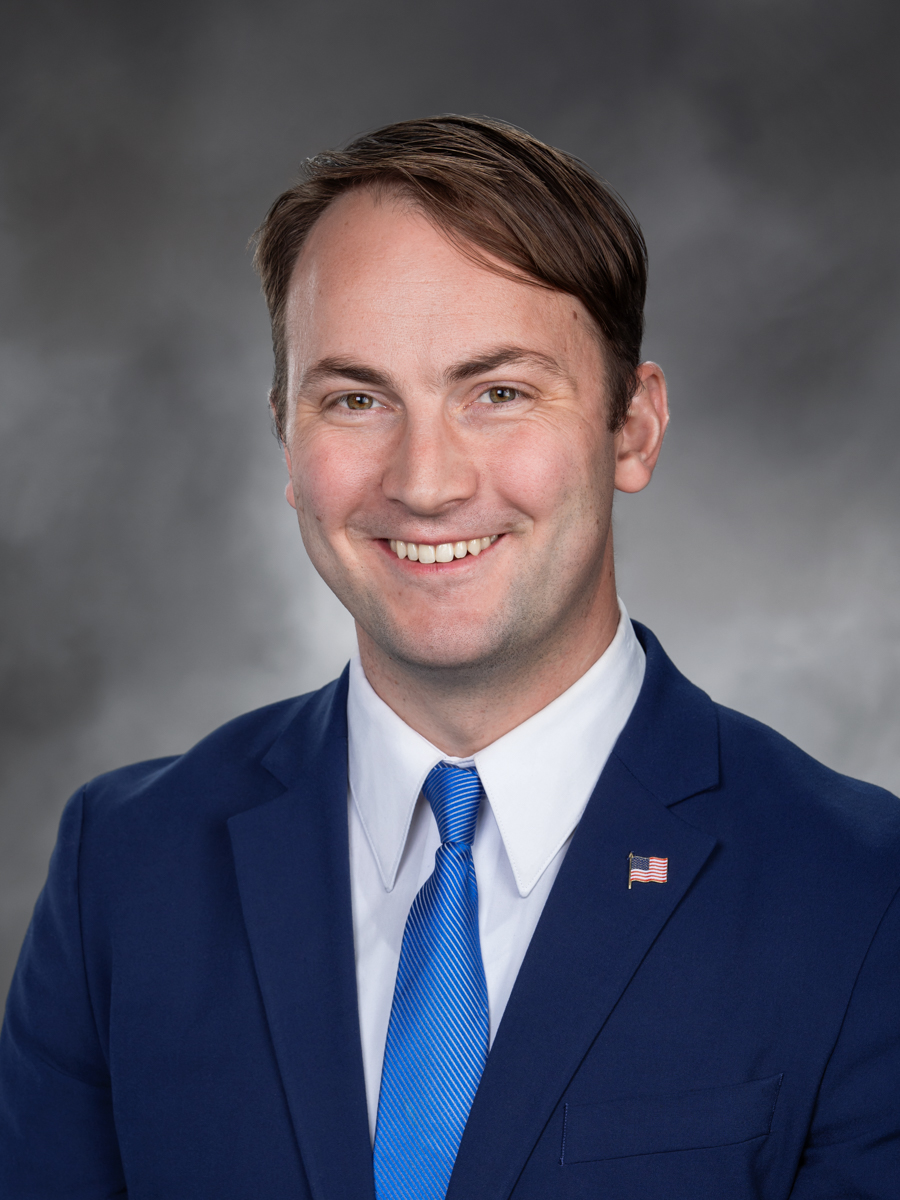
Brian Burnett
Brian Burnett House · District 12
R
Strong +
90% 77
Adison Richards
Adison Richards House · District 26
D
Strong +
89% 84
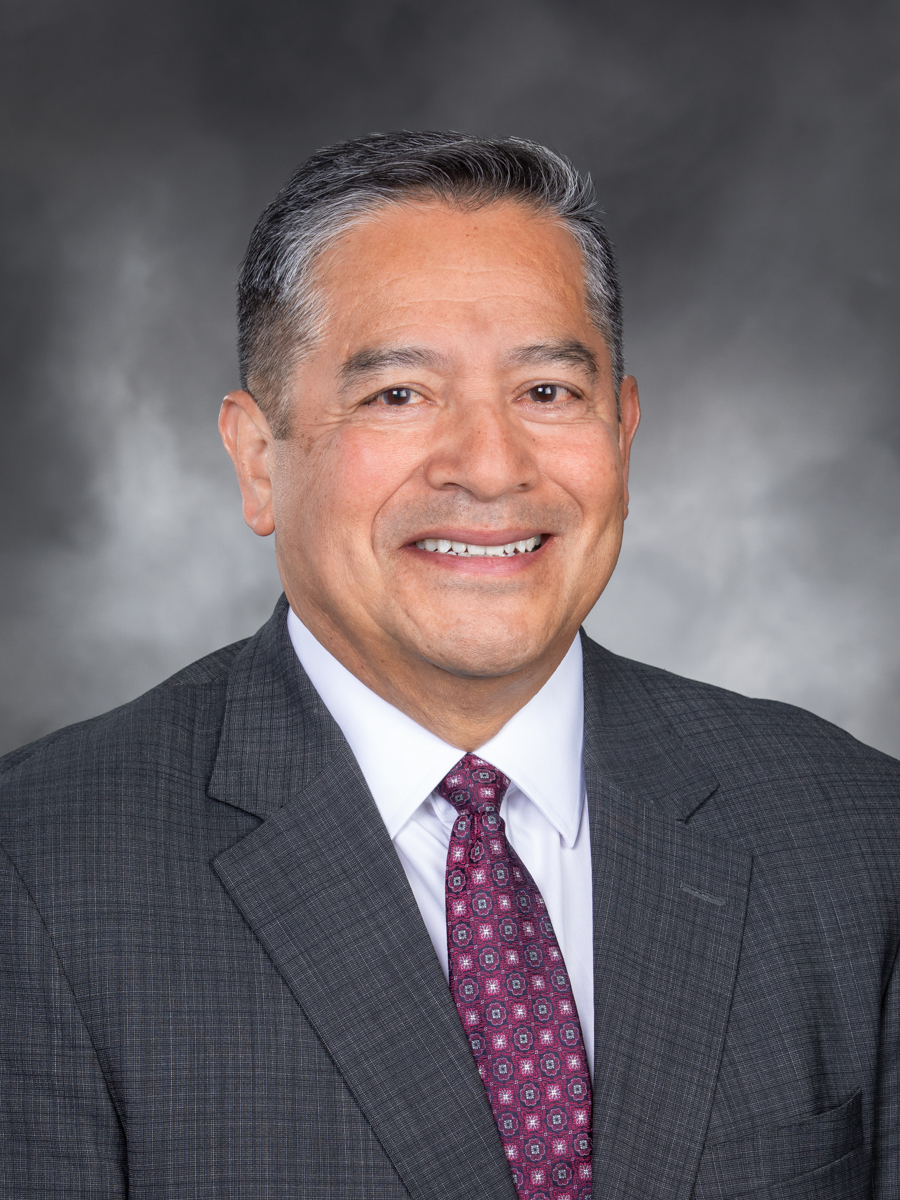
Alex Ybarra
Alex Ybarra House · District 13
R
Strong +
89% 84
Zach Hall
Zach Hall House · District 5
D
Strong −
6% 70
Shaun Scott
Shaun Scott House · District 43
D
Strong −
8% 84
Debra Lekanoff
Debra Lekanoff House · District 40
D
Strong −
11% 82
Natasha Hill
Natasha Hill House · District 3
D
Strong −
12% 84
Shelley Kloba
Shelley Kloba House · District 1
D
Strong −
12% 84
Showing 71–80 of 87 bills

All education bills

in committee · Washington · Senate Jan 12, 2026

SB 5724: Improving student access to dual credit programs, including career and technical education dual credit programs.

SB 5724 aims to improve access to dual credit programs, particularly career and technical education (CTE) dual credit, for Washington high school students. It requires collaboration between community colleges, school districts, and other entities to create a statewide catalog of dual credit courses, align CTE programs with career pathways, and streamline credit transfer processes. The bill also mandates updating the state's administrative data system to better track credits, improve transcript accuracy, and support articulation agreements between high schools and colleges. These changes target students seeking career-focused postsecondary education, with a specific focus on fixing current gaps where CTE dual credit doesn't reliably transfer to college. The bill requires a report on data system improvements by October 2026.
in committee · Washington · House Jan 12, 2026

HB 2084: Increasing funding for K-12, health care, and public safety by repealing or modifying tax preferences for certain industries and goods.

House Bill 2084 seeks to increase state funding for K-12 education, health care, and public safety by modifying certain tax preferences. The bill repeals an existing tax exclusion, making sales of precious metal bullion and monetized bullion subject to state taxes. Additionally, it clarifies that businesses operating self-service storage facilities are subject to the state's business and occupation (B&O) tax for renting or leasing individual storage spaces. These changes aim to generate revenue for the specified public services.
in committee · Washington · Senate Jan 12, 2026

SB 5304: Expanding eligibility for the students experiencing homelessness and foster youth program to an accredited tribal college.

SB 5304 expands Washington's Students Experiencing Homelessness and Foster Youth Program to include accredited tribal colleges, previously limited to public four-year institutions. The bill requires participating tribal colleges and four-year schools to provide specific supports like laundry access, housing assistance, reduced-price meals, technology resources, and case management for eligible students. It directly affects students who experienced homelessness or were in foster care upon high school graduation, ensuring they can access these services at tribal colleges meeting accreditation standards. The program also mandates annual reporting on participation and program effectiveness to the legislature.
in committee · Washington · House Jan 12, 2026

HB 2082: Increasing funding to the education legacy trust account by creating a more progressive rate structure for the capital gains tax and estate tax.

HB 2082 aims to increase funding for public K-12 education, early learning, child care, and higher education in Washington state. The bill proposes to do this by modifying the state's capital gains tax and estate tax. It introduces an additional 2.90% excise tax on an individual's Washington capital gains that exceed $1,000,000, effective January 1, 2025. For the estate tax, it increases the exclusion amount to $3,000,000 for estates of decedents dying on or after January 1, 2025, and intends to raise the top-tier rates up to 35 percent. Revenues generated from these changes would be dedicated to the education legacy trust account.
passed · Washington · Senate Jan 12, 2026

SB 5327: Concerning learning standards and graduation requirements.

SB 5327 directs the State Board of Education and the Office of the Superintendent of Public Instruction to review and update learning standards and graduation requirements concerning computer science and financial education for K-12 students. The State Board of Education must recommend adjustments to high school graduation requirements to ensure students can demonstrate foundational skills in these subjects, considering various credit and competency options. Concurrently, the Office of the Superintendent of Public Instruction will update K-12 computer science learning standards and review financial education standards. The bill also requires the State Board to collect information from school districts on their current offerings and implementation needs for these subjects, and clarifies that school districts must provide all high school students opportunities to access financial education learning standards.
signed · Washington · House Apr 21, 2025

HB 1273: Improving student access to dual credit programs.

This bill aims to improve high school students' access to Career and Technical Education (CTE) dual credit programs in Washington state. It establishes and expands regional pilot programs through grant funding, enabling community and technical colleges, public high schools, and skill centers to boost student participation and credential attainment. The bill also directs the state board for community and technical colleges to plan for improving or replacing the statewide online enrollment and reporting system for CTE dual credit. Additionally, it requires reports to the legislature on the pilot program findings and recommendations for further improvements to dual credit policies and data collection.
signed · Washington · House Mar 24, 2026

HB 1295: Using evidence-based instructional practices in reading and writing literacy for public elementary students.

HB 1295 requires Washington public school districts to implement evidence-based reading and writing literacy programs for kindergarten through fourth grade students. These programs must include phonics, phonemic awareness, fluency, vocabulary, and comprehension instruction, and be fully operational by the 2027-28 school year. The bill also mandates revised teacher training standards for educators to deliver these programs, with new certification requirements by 2026 and educator preparation programs updated by 2027. This directly affects elementary schools, teachers, and students, particularly those identified as reading below grade level, with specific attention to improving equity in dyslexia screening and support.
in committee · Washington · Senate Jan 12, 2026

SB 5369: Enhancing youth mental health and well-being through advanced training and expansion of the workforce in schools.

SB 5369 addresses Washington's critical shortage of school social workers, which currently stands at one worker for every 3,798 students - far below the recommended national standard of one per 250 students. The bill requires educational service districts to partner with universities, mental health agencies, and school districts to expand the workforce through in-school training placements for social work students and conditional certification pathways. It revises statutes to clarify school social workers' roles in providing mental health counseling, crisis intervention, trauma-informed care, and support for students with individualized education plans. The law directly affects K-12 schools and students, particularly those facing emotional distress, behavioral challenges, or high absenteeism rates, by increasing access to mental health support within educational settings.
in committee · Washington · Senate Jan 12, 2026

SB 5080: Making financial education instruction a graduation requirement.

Washington's SB 5080 requires all public high school students to complete financial education instruction to graduate, beginning with the 2033 class. School districts must provide courses aligned with existing state learning standards by the 2029-30 school year, offering flexible options like regular classes, online learning, or career programs. The bill mandates districts to submit implementation plans by December 2025 and allows individual waivers for students who moved to Washington after previous graduation requirements were met. This applies to all Washington public high schools, including charter and tribal schools, without creating new curriculum but making existing financial education standards a graduation requirement.
in committee · Washington · Senate Jan 12, 2026

SB 5007: Supporting students who are chronically absent and at risk for not graduating high school.

SB 5007 creates a statewide program to support students missing 10% or more of school days (chronically absent) and at risk of not graduating high school. It requires educational service districts to train staff on early warning systems to identify at-risk students and connect them with supports like family engagement, health services, academic help, and transportation. The bill establishes a "Building Bridges" grant program for local school-family-community partnerships to implement dropout prevention systems, including data-driven interventions, mentorship, and alternative education options. These partnerships must collect and report data on student demographics, attendance, graduation rates, and outcomes to track effectiveness. The law aims to improve reengagement and graduation rates through coordinated, evidence-based support for vulnerable students.
Showing 71 to 80 of 87 bills
Previous 1 7 8 9 Next