

Issue · Education
Education (Student Financial Aid)
Every education bill, vote, and legislator stance in Washington, automatically classified by Maddy, our AI policy reader.
Total bills
38
2025-2026 Regular Session
Top supporter
Adrian Cortes
100% support rate
Top opponent
Alex Ybarra
0% support rate
Ranked legislators
10
5 support · 5 oppose
Key legislators
Who's moving student financial aid in Washington
| Legislator | Party | Stance | Support rate | Votes |
|---|---|---|---|---|

Adrian Cortes
Senate · District 18
|
D |
Strong +
|
100% | 7 |

Julio Cortes
House · District 38
|
D |
Strong +
|
100% | 7 |

Annette Cleveland
Senate · District 49
|
D |
Strong +
|
100% | 4 |

Bob Hasegawa
Senate · District 11
|
D |
Strong +
|
100% | 4 |

Claire Wilson
Senate · District 30
|
D |
Strong +
|
100% | 4 |
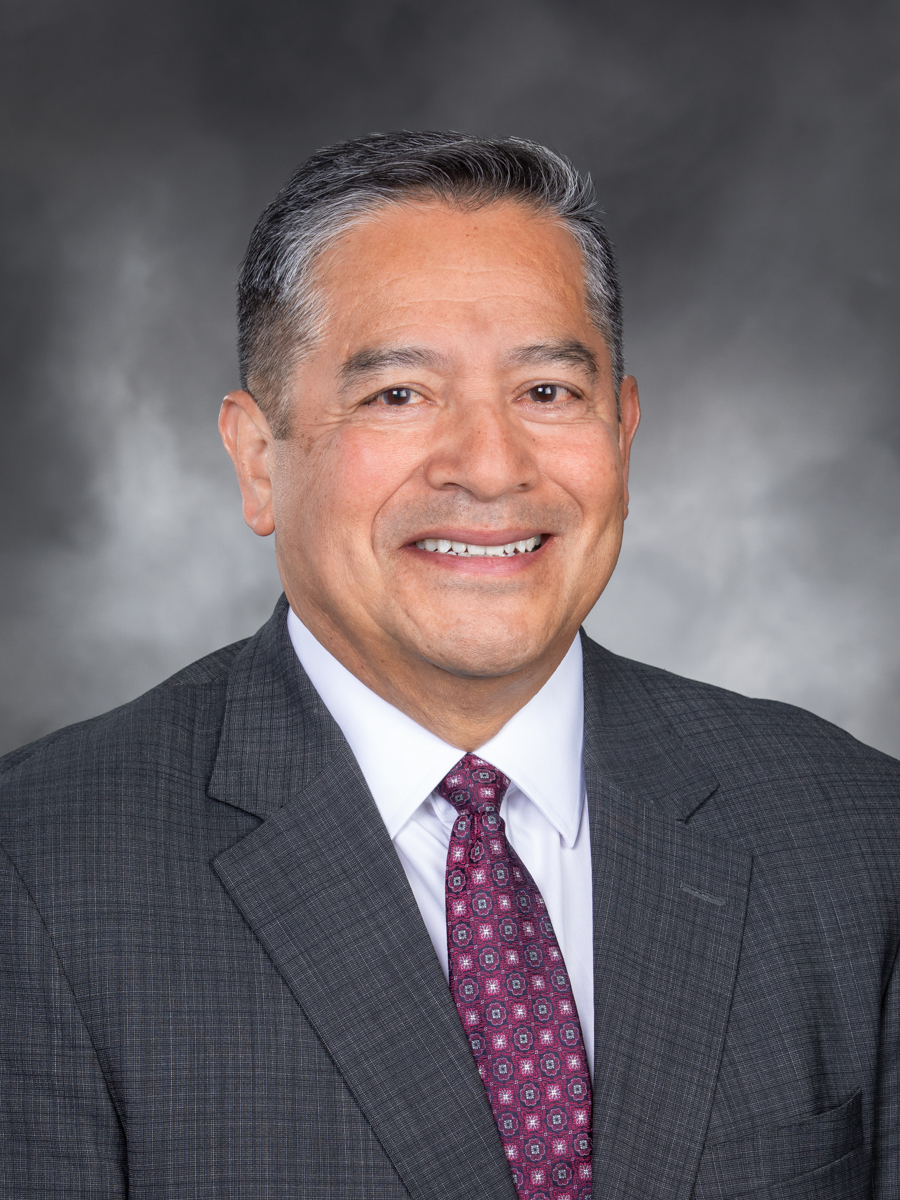
Alex Ybarra
House · District 13
|
R |
Strong −
|
0% | 3 |

Andrew Barkis
House · District 2
|
R |
Strong −
|
0% | 3 |

Andrew Engell
House · District 7
|
R |
Strong −
|
0% | 3 |

April Connors
House · District 8
|
R |
Strong −
|
0% | 3 |

Brian Burnett
House · District 12
|
R |
Strong −
|
0% | 3 |
Showing 31–38 of 38
bills
All education bills
HB 1136: Providing student navigational supports to increase postsecondary enrollment.
Sub-Topics
Student Financial Aid
SB 5205: Concerning Washington college grant award amounts.
Topics
✓ Budget & TaxesSupports Budget & TaxesBill allocates state funds for college grants with annual increases tied to wage growth, directly funding public education through state budget appropriations.
✓ EducationSupports EducationBill establishes and annually increases grant amounts for college students ($9,739 max for four-year institutions), directly funding higher education access and affordability.
SB 5658: Concerning the workforce education investment account.
Topics
✓ EducationSupports EducationExpands college grant eligibility and adds bridge grants for low-income students, increasing financial access to higher education through funding enhancements.
✓ HousingSupports HousingBill includes housing as covered expense in bridge grant for low-income students, advancing housing affordability through education aid.
HB 1568: Modifying financial aid eligibility.
Topics
✓ Budget & TaxesSupports Budget & TaxesExpands state financial aid funding by raising income thresholds and adding $500 bridge grants, increasing public education spending per bill's summary.
✓ EducationSupports EducationExpands financial aid eligibility and adds bridge grant for college students, increasing access to higher education funding and reducing non-tuition barriers.
✓ HousingSupports HousingBill provides $500 annual bridge grant covering housing costs for college students, directly supporting affordable housing access through financial aid expansion.
SB 5562: Concerning students attending approved apprenticeship programs.
Topics
✓ Budget & TaxesSupports Budget & TaxesBill expands state financial aid (Washington College Grant) to apprenticeship students, increasing state spending on education as a public service.
✓ EducationSupports EducationExpands state financial aid access for apprenticeship students and enables college credit recognition, enhancing educational access and funding for higher education pathways.
✓ Labor & EmploymentSupports Labor & EmploymentEnables apprenticeship students to access financial aid for education, supporting workforce development and employment pathways through expanded training access.
Sub-Topics
Career & Technical Education
Higher Education
Student Financial Aid
Apprenticeships
Workforce Development
HB 1143: Concerning Washington college grant award amounts.
Topics
✓ Budget & TaxesSupports Budget & TaxesAdjusts state grant funding for colleges with annual increases tied to wage growth, directly increasing state budget allocation for higher education programs.
✓ EducationSupports EducationAdjusts WCG grant amounts with annual increases, expanding higher education financial aid access for students at different institution types.
HB 1838: Expanding access to the Washington college grant to students enrolled in certificate programs for high-demand fields.
Topics
✓ Budget & TaxesSupports Budget & TaxesExpands state grant program funding for certificate programs, increasing public education spending without tax changes, aligning with funding essential public services.
✓ EducationSupports EducationExpands state college grant program to cover certificate programs in high-demand fields, directly increasing educational access and funding for students pursuing shorter-term credentials while maintaining financial need requirements.
✓ Labor & EmploymentSupports Labor & EmploymentExpands education access for high-demand fields, enhancing workforce development and employment opportunities in key sectors like healthcare and skilled trades.
Sub-Topics
Career & Technical Education
Higher Education
Student Financial Aid
Workforce Development