Issue · Criminal Justice

Criminal Justice (Courts)

Every criminal justice bill, vote, and legislator stance in Washington, automatically classified by Maddy, our AI policy reader.

Total bills
95
2025-2026 Regular Session
Top supporter
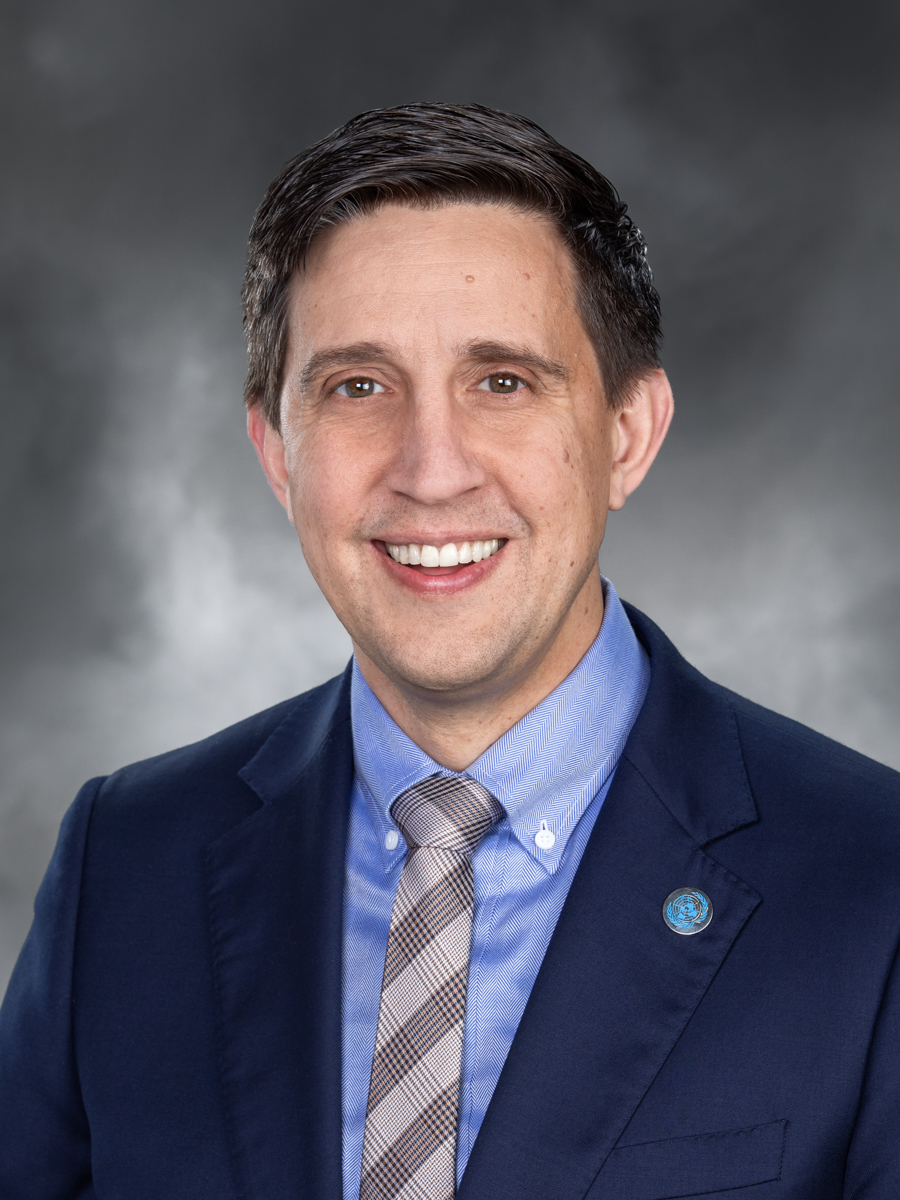
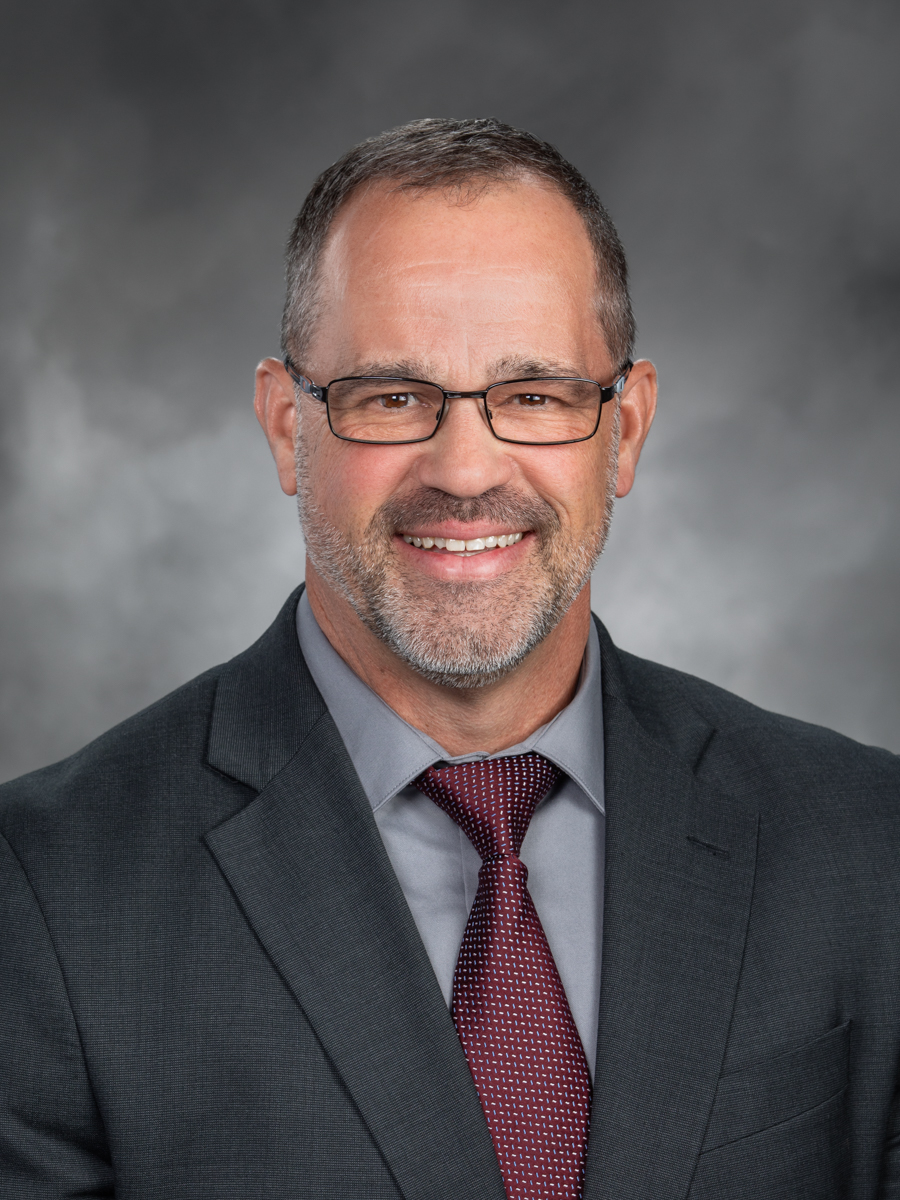
Alex Ramel
100% support rate
Top opponent
April Connors
0% support rate
Ranked legislators
10
5 support · 5 oppose
Key legislators

Who's moving courts in Washington

Legislators moving courts in Washington
Legislator Party Stance Support rate Votes
Alex Ramel
Alex Ramel House · District 40
D
Strong +
100% 13
Beth Doglio
Beth Doglio House · District 22
D
Strong +
100% 13
Brandy Donaghy
Brandy Donaghy House · District 44
D
Strong +
100% 13
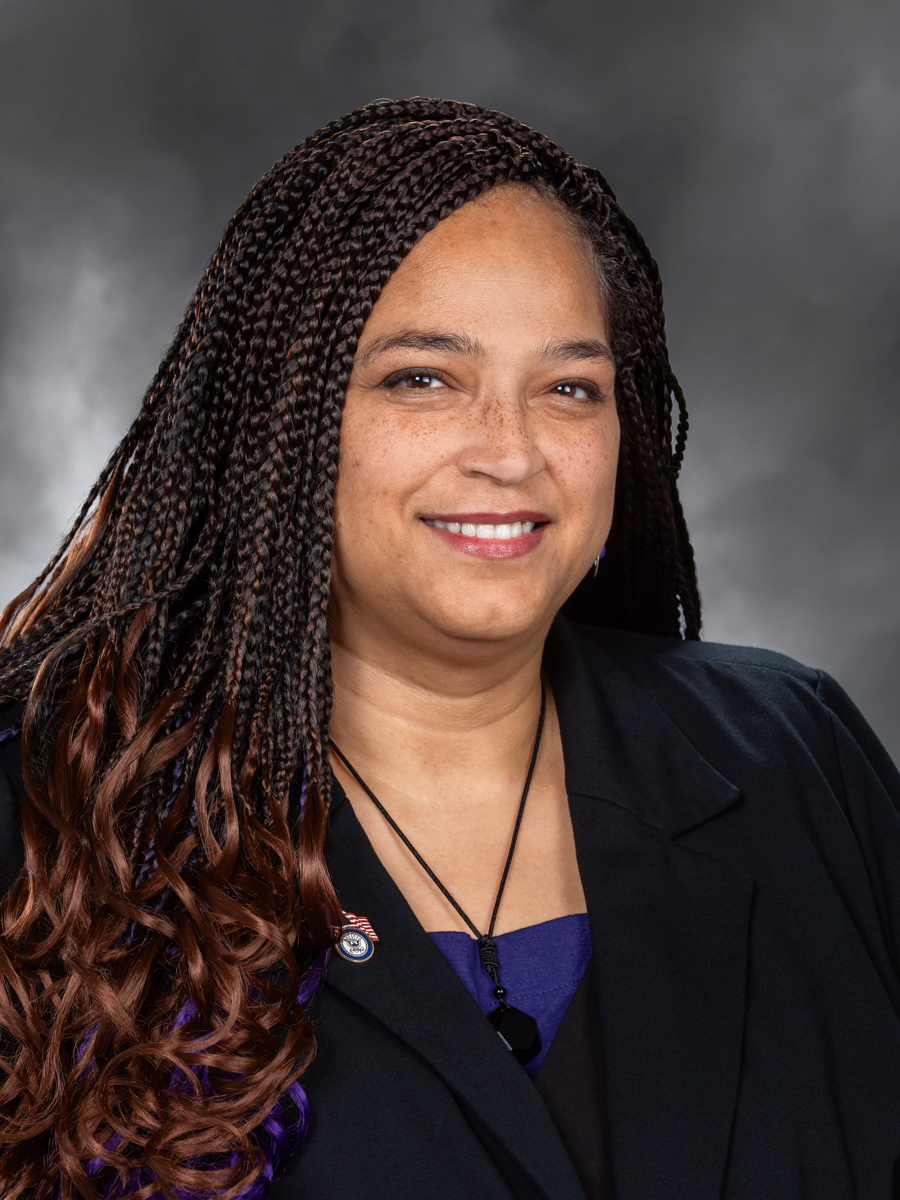
Brianna Thomas
Brianna Thomas House · District 34
D
Strong +
100% 13
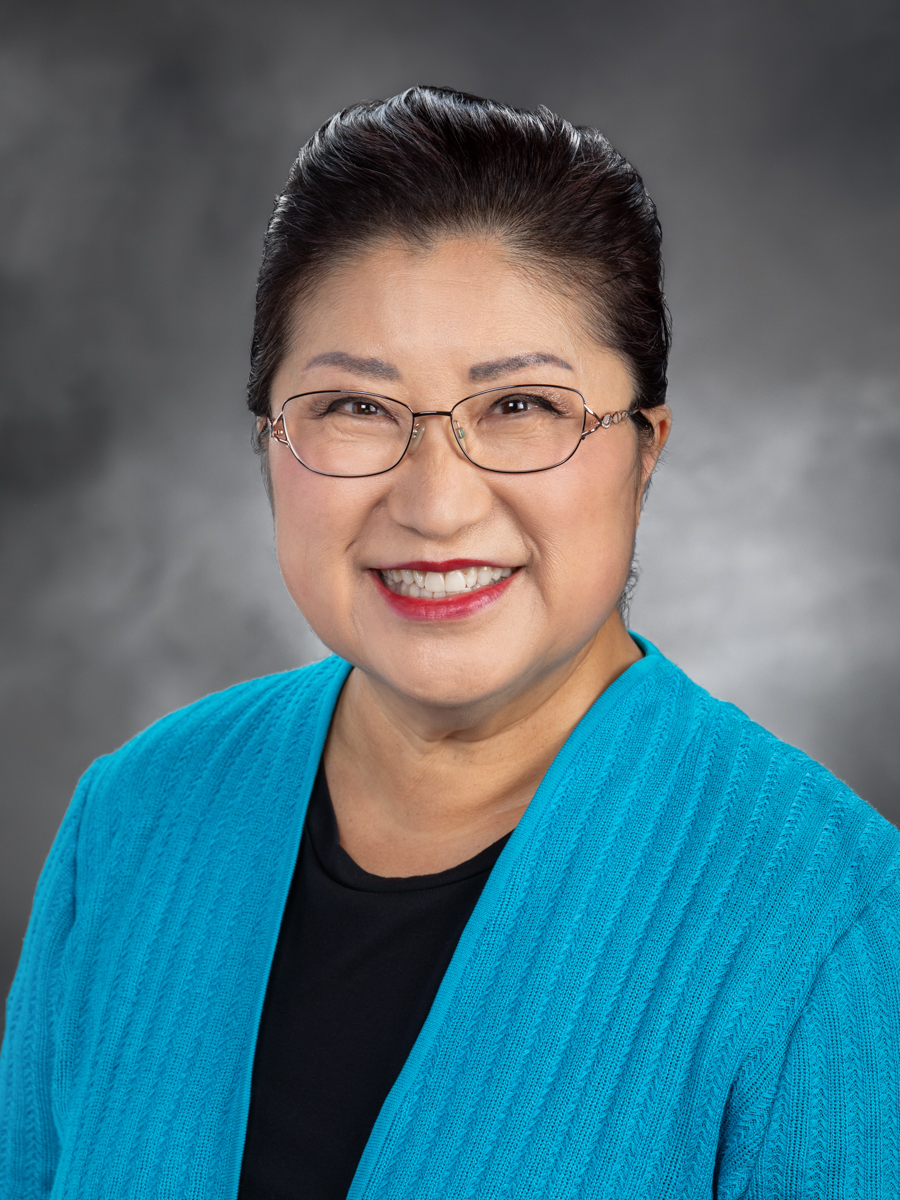
Cindy Ryu
Cindy Ryu House · District 32
D
Strong +
100% 13
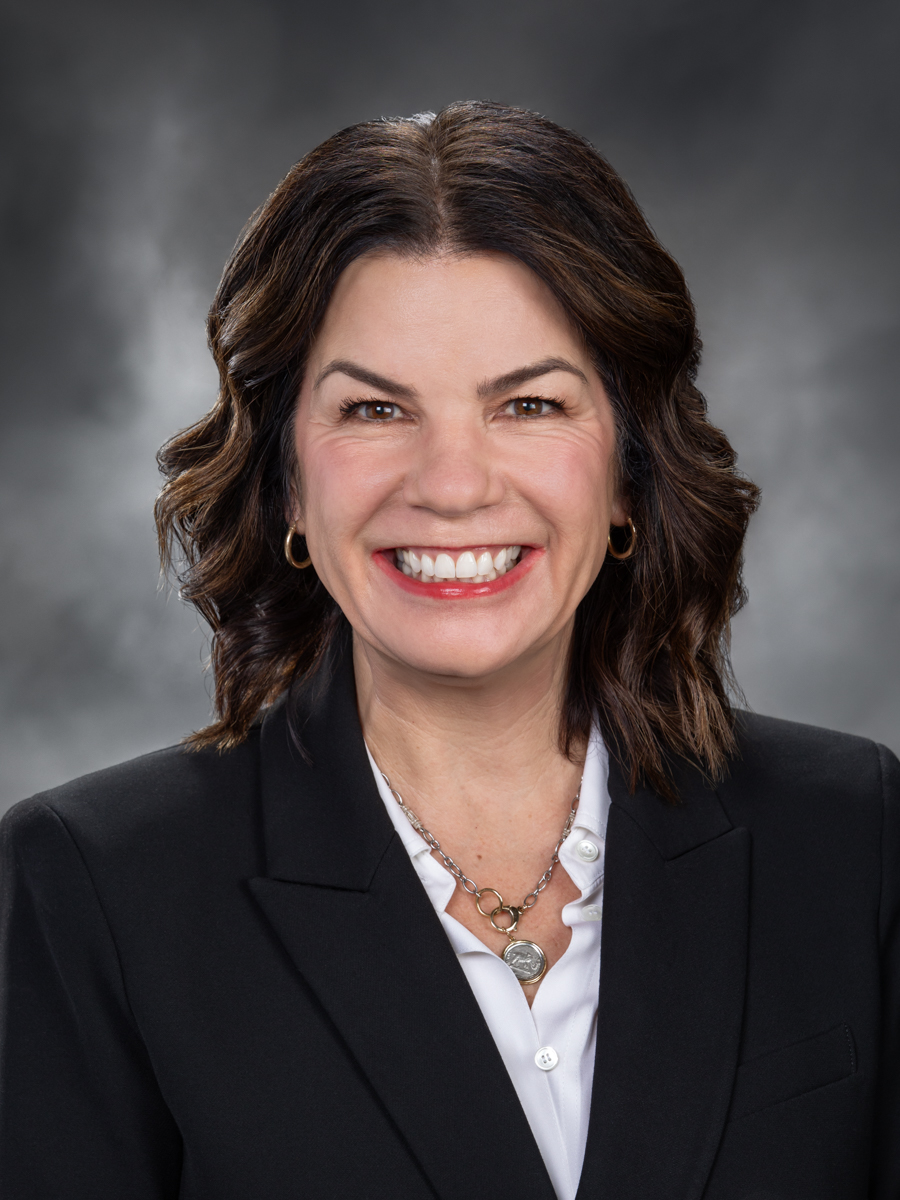
April Connors
April Connors House · District 8
R
Strong −
0% 13
Brian Burnett
Brian Burnett House · District 12
R
Strong −
0% 13
Cyndy Jacobsen
Cyndy Jacobsen House · District 25
R
Strong −
0% 13
Drew Stokesbary
Drew Stokesbary House · District 31
R
Strong −
0% 13
Jim Walsh
Jim Walsh House · District 19
R
Strong −
0% 13
Showing 81–90 of 95 bills

All criminal justice bills

in committee · Washington · House Jan 12, 2026

HB 1536: Concerning offenses involving unlawful possession of a firearm by a juvenile.

HB 1536 revises Washington state law to address juvenile firearm possession by clarifying when a minor is charged with a felony. It classifies unlawful firearm possession as a class B felony if a juvenile has prior adjudication for serious offenses (like violent crimes or domestic violence), and a class C felony for other cases. The bill specifically targets juveniles under 18 who possess firearms without prior court findings of serious misconduct, while allowing exceptions for rehabilitated individuals or pardoned cases. This law directly affects minors with prior court involvement in certain offenses, aiming to provide accountability through criminal penalties rather than behavioral interventions.
in committee · Washington · House Jan 12, 2026

HB 1890: Concerning the establishment of liability standards for prosecutors.

HB 1890 creates a legal right for individuals injured by someone released from custody after a prosecutor declined to file reasonable charges for a violent offense. It directly affects victims of such injuries and prosecutors who make charging decisions. The bill requires prosecutors to conduct a written risk assessment analyzing evidence, criminal history, and potential harm before declining charges, and removes prosecutorial immunity for failures in this duty. If a court finds a prosecutor intentionally or recklessly disregarded public harm risks, they face personal liability for legal costs and damages, rather than the state covering expenses. The law applies only to cases arising after its effective date and sets a three-year statute of limitations for lawsuits.
Sub-Topics Courts Victims' Rights
signed · Washington · House May 13, 2025

HB 1829: Concerning tribal warrants.

House Bill 1829 establishes a formal process for Washington state courts and law enforcement to recognize and act upon arrest warrants issued by federally recognized tribal courts. It allows tribal courts to file their warrants with county superior courts. If a state superior court reviews the tribal warrant and finds probable cause for a crime, it must issue a corresponding state arrest warrant. The bill also grants federally recognized tribes standing in state court hearings concerning the legality of extradition and updates various legal definitions to include tribal legal processes. This legislation aims to facilitate cooperation between tribal and state justice systems regarding individuals subject to tribal warrants.
Sub-Topics Courts Law Enforcement Tags Tribal Nations
in committee · Washington · Senate Jan 12, 2026

SB 5260: Concerning emergency measures for managing juvenile populations at state juvenile correctional institutions.

SB 5260, the Youth Rehabilitation Pathways Act, allows youth aged 18 and older in Washington state juvenile correctional facilities (operated by the Department of Children, Youth, and Families) to request transfer to the adult correctional system (Department of Corrections). The bill requires facilities to provide a transfer form, grant a 3-day reconsideration period, and complete transfers within 10 days. It removes standard court hearings for these transfers and limits transfers to the original juvenile court’s maximum confinement term. The law directly affects older youth in juvenile facilities, aiming to address overcrowding and provide access to adult correctional programs.
in committee · Washington · House Jan 12, 2026

HB 1917: Concerning management of individuals who are placed in juvenile rehabilitation institutions.

HB 1917 updates Washington State's juvenile justice system by redefining key terms and requiring courts to prioritize less restrictive options before placing youth in residential treatment. It mandates that courts consider alternatives like community-based rehabilitation (e.g., counseling, school programs) or community supervision (including up to 150 hours of community restitution) before ordering inpatient care. The bill also requires mandatory court review hearings within 60 days of inpatient placement and every 30 days thereafter, ensuring ongoing assessment of necessity. These changes directly affect youth in the juvenile justice system and the courts, agencies, and facilities managing their cases, with a focus on trauma-informed, culturally responsive support during reentry.
in committee · Washington · Senate Jan 12, 2026

SB 5028: Concerning unlawful camping.

This bill prohibits camping on public property in Washington state unless authorized, responding to the U.S. Supreme Court's *Grants Pass v. Johnson* decision. It bans camping within 1,000 feet of schools, parks, day cares, or shelter facilities (with posted signs), and requires police to confirm nearby shelter availability before issuing citations for camping. Violations start as small fines ($50) for first offenses, escalating to misdemeanor charges for repeated violations. The law mandates referrals to therapeutic courts for repeat offenders and prohibits citations when shelters have available space, aiming to balance enforcement with access to shelter.
Sub-Topics Courts Policing
in committee · Washington · Senate Jan 12, 2026

SB 5290: Allowing persons who complete substance abuse programs to seek dismissal of certain controlled substance related charges.

This bill allows people charged with specific drug possession offenses under Washington state law (RCW 69.50.4011, 69.50.4013, 69.50.4014, or 69.41.030) to seek dismissal of those charges after completing a court-approved substance abuse treatment program. To qualify, individuals must first undergo a certified assessment showing a substance use disorder requiring treatment and successfully complete the recommended program. Courts must review the case, confirm the treatment completion and assessment, and determine if dismissal serves the interests of justice before dismissing the charges. The court must also provide a written explanation for its decision.
in committee · Washington · House Jan 12, 2026

HB 1362: Creating a gambling treatment diversion court pilot program to be conducted by the administrative office of the courts.

HB 1362 creates a pilot program allowing courts in Washington to divert eligible individuals with gambling addiction from traditional sentencing. It requires courts to hold hearings before sentencing to determine if a crime was committed due to gambling addiction, and if so, to place the person in a treatment program supervised by mental health professionals. The program mandates restitution payments, regular progress reports, and referrals to community resources, with costs covered by the participant or through community service if they cannot pay. It excludes individuals convicted of violent crimes (like assault or domestic violence) or with prior convictions for similar offenses.
in committee · Washington · House Jan 12, 2026

HB 1118: Concerning restoration of the right to possess a firearm.

HB 1118 changes Washington's process for restoring firearm rights to individuals previously banned from owning guns. It allows people with certain past convictions (like nonviolent misdemeanors or specific felonies) to petition a court for restored rights after meeting strict requirements, including 3-5 years of clean records and completing all court-ordered obligations. The bill adds procedural steps, such as requiring courts to verify eligibility with law enforcement, notifying victims of the petition, and using standardized court forms starting in 2024. It does not apply to those convicted of violent felonies, sex offenses, or crimes with 20+ year sentences.
signed · Washington · House Apr 22, 2025

HB 1391: Improving developmentally appropriate alternatives for youth outside the formal court process.

HB 1391 aims to improve and expand alternatives for youth outside the formal court process, specifically focusing on diversion programs. The bill intends to strengthen the ability of courts to offer robust diversion services and contract with community providers to deliver these programs. It also updates definitions related to community-based rehabilitation, supervision, and confinement within the juvenile justice system. A key provision modifies the definition of "criminal history" so that cases handled through diversion by a prosecutor will not count against a youth's record.
Showing 81 to 90 of 95 bills