Issue · Criminal Justice

Criminal Justice (Courts)

Every criminal justice bill, vote, and legislator stance in Washington, automatically classified by Maddy, our AI policy reader.

Total bills
95
2025-2026 Regular Session
Top supporter
Alex Ramel
100% support rate
Top opponent
April Connors
0% support rate
Ranked legislators
10
5 support · 5 oppose
Key legislators

Who's moving courts in Washington

Legislators moving courts in Washington
Legislator Party Stance Support rate Votes
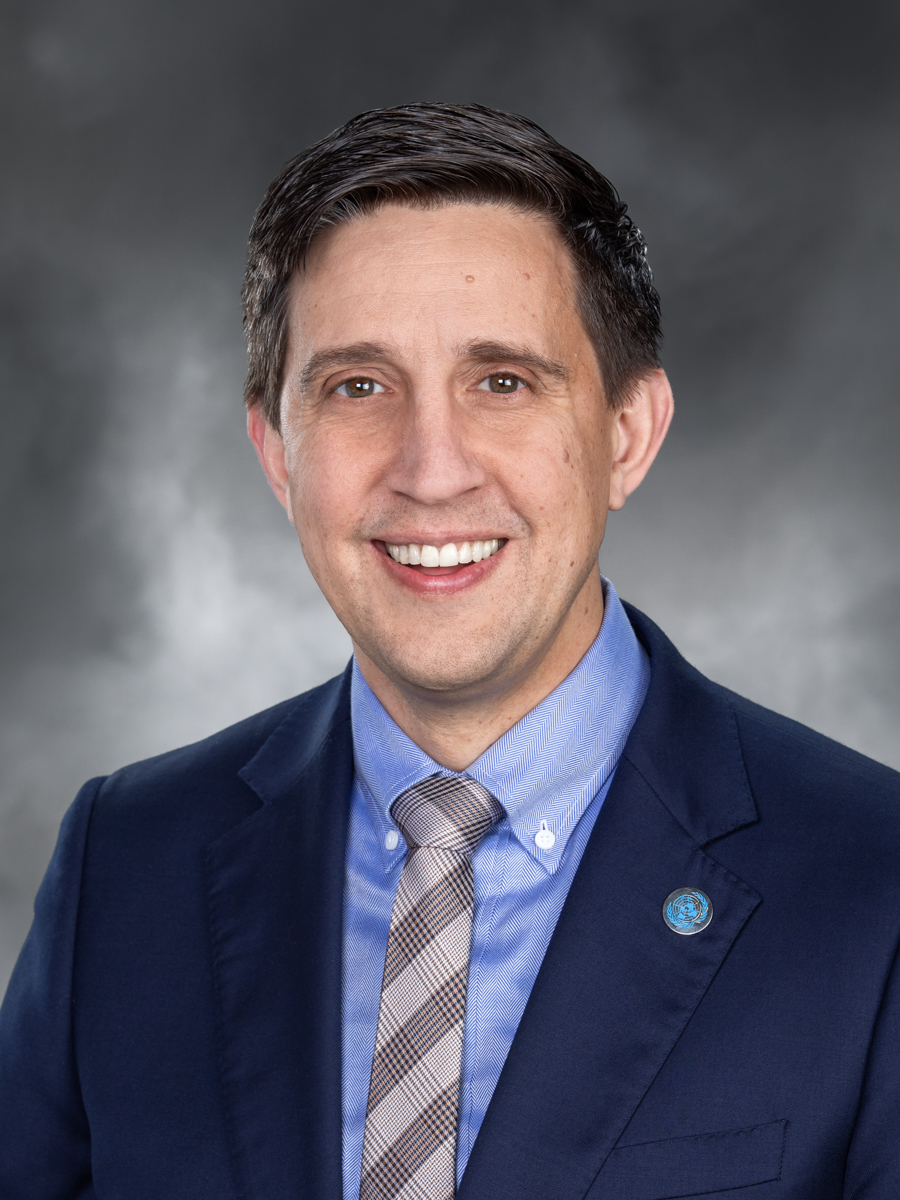
Alex Ramel
Alex Ramel House · District 40
D
Strong +
100% 13
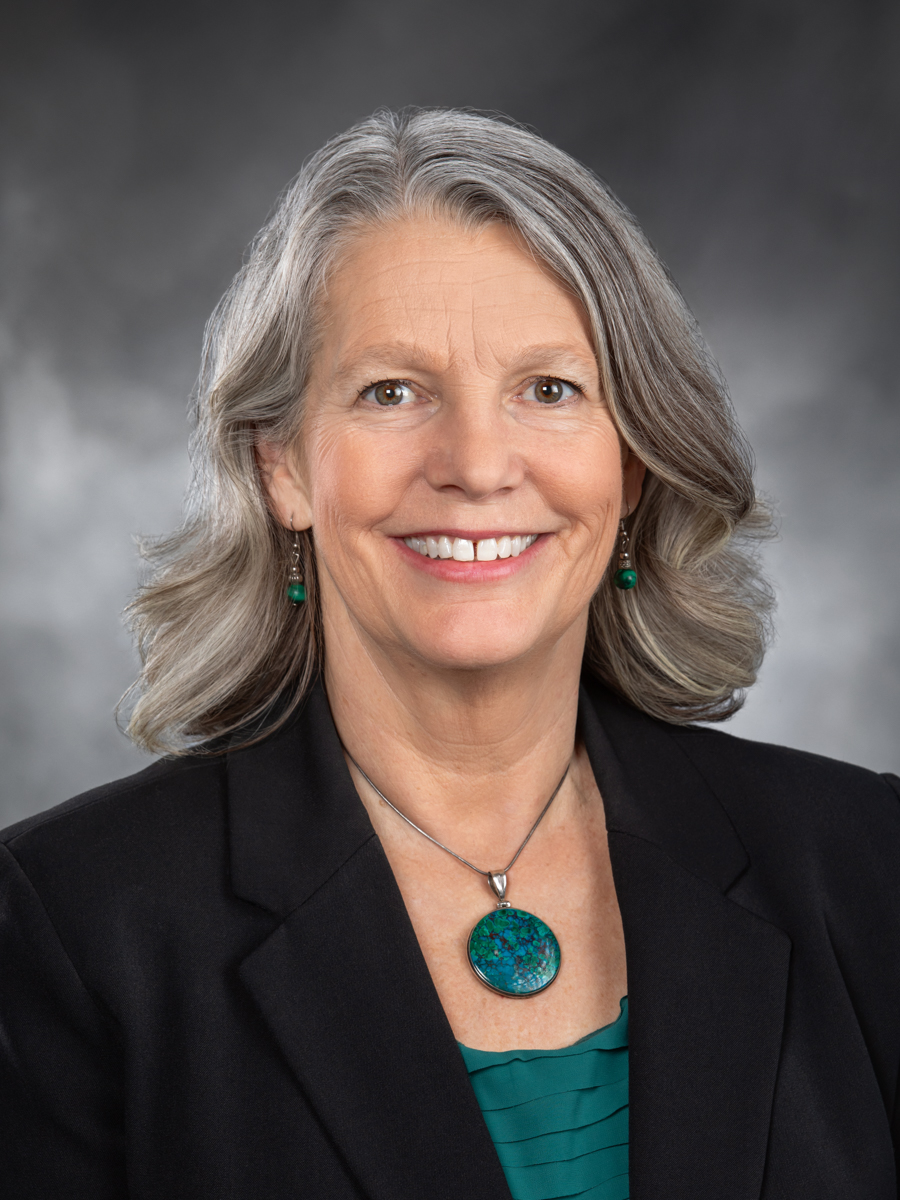
Beth Doglio
Beth Doglio House · District 22
D
Strong +
100% 13
Brandy Donaghy
Brandy Donaghy House · District 44
D
Strong +
100% 13
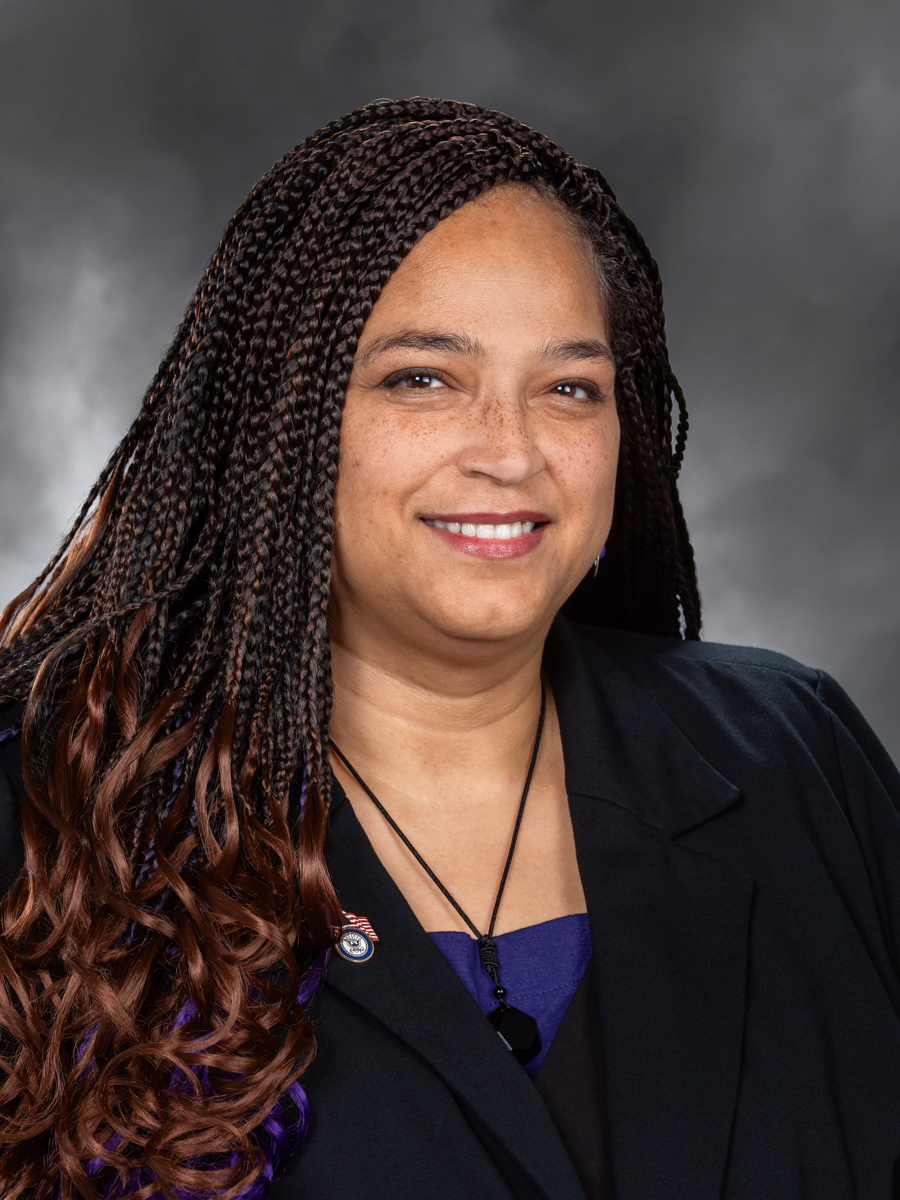
Brianna Thomas
Brianna Thomas House · District 34
D
Strong +
100% 13
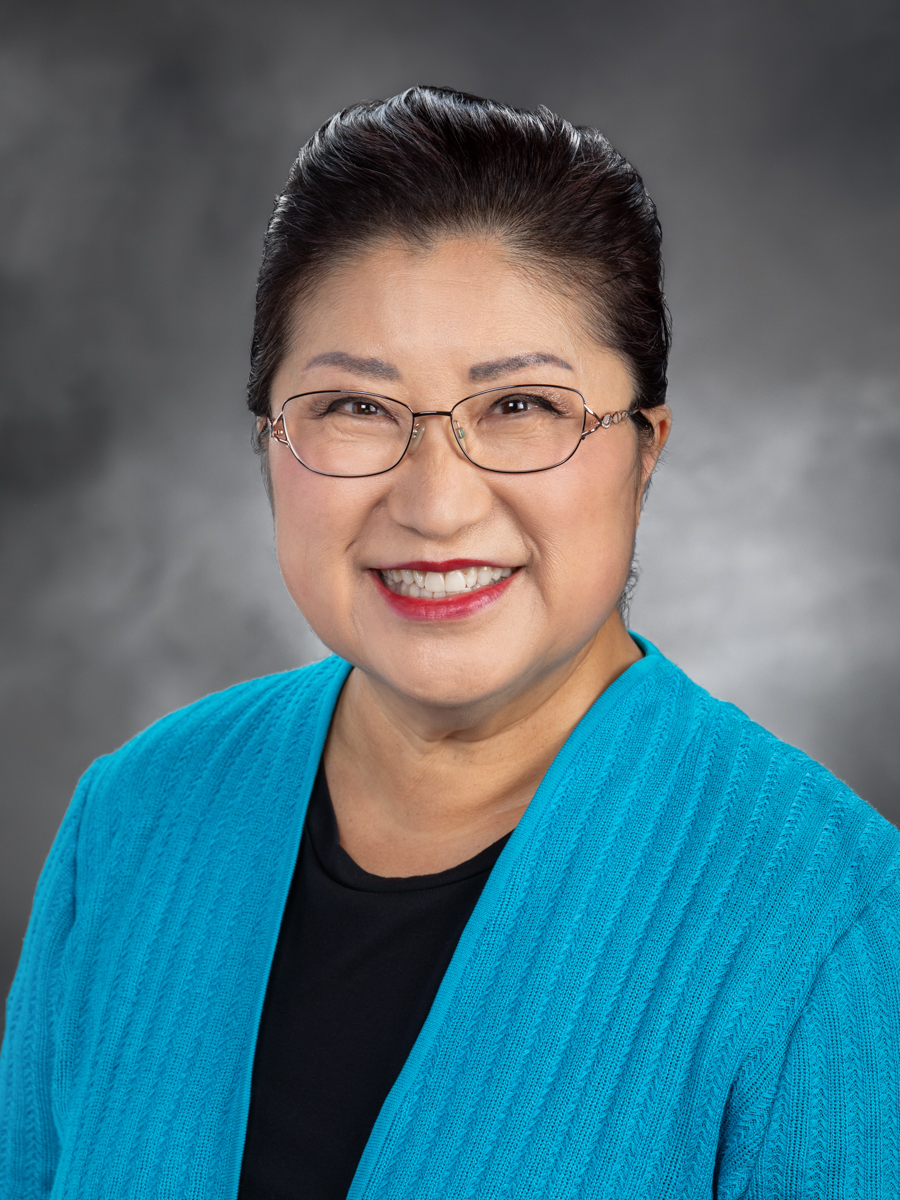
Cindy Ryu
Cindy Ryu House · District 32
D
Strong +
100% 13
April Connors
April Connors House · District 8
R
Strong −
0% 13
Brian Burnett
Brian Burnett House · District 12
R
Strong −
0% 13
Cyndy Jacobsen
Cyndy Jacobsen House · District 25
R
Strong −
0% 13
Drew Stokesbary
Drew Stokesbary House · District 31
R
Strong −
0% 13
Jim Walsh
Jim Walsh House · District 19
R
Strong −
0% 13
Showing 61–70 of 95 bills

All criminal justice bills

in committee · Washington · House Jan 12, 2026

HB 1053: Concerning juvenile access to an attorney.

This bill requires Washington law enforcement to provide minors under 18 with attorney access before questioning them while in custody, detaining them based on probable cause, or asking for consent to search their property. The consultation cannot be waived, and any statements made without it are inadmissible in court unless specific exceptions apply (such as trafficking victim situations or imminent threats to life). It also ensures juveniles can direct their attorney to assert constitutional rights during police interactions. The law affects all minors under 18 in Washington during police encounters involving these scenarios.
in committee · Washington · Senate Jan 12, 2026

SB 5532: Establishing standards for civil proceedings and unprofessional conduct involving child abuse and domestic violence.

SB 5532 requires mandatory training for court personnel handling child abuse and domestic violence cases, including judges, guardians ad litem, and mediators. It mandates 20 hours of initial training and 15 hours every five years, covering all abuse types (sexual, physical, psychological), trauma, bias, and evidence-based best practices. The bill also updates guardian ad litem appointment procedures to ensure qualified personnel are selected through a rotational registry system. These changes aim to improve court decisions in child welfare cases by standardizing education and oversight.
in committee · Washington · Senate Jan 12, 2026

SB 5603: Juvenile access to attorneys when contacted by law enforcement.

This bill requires Washington law enforcement to provide juveniles (under age 18) with immediate access to an attorney before questioning or when they might waive constitutional rights during police contact. For jurisdictions over 1 million people, the attorney must consult in person; smaller areas may use phone or video. Statements made without this consultation are inadmissible in court unless the juvenile properly waived rights after meeting with a lawyer, or if exceptions apply (like imminent life threats or trafficking victim situations). The law aims to prevent coerced statements and ensure juveniles understand their rights before interacting with police.
in committee · Washington · House Jan 12, 2026

HB 1266: Establishing the Washington state commission on boys and men.

HB 1266 establishes the Washington State Commission on Boys and Men within the governor's office to address issues affecting boys and men across six focus areas: mental/physical health, education, careers, fatherhood, the preschool-to-prison pipeline, and court system experiences. The commission, composed of 11 appointed non-legislative members (with diverse representation requirements) and 4 legislative advisory members, will monitor legislation, coordinate with other commissions (like the women's and LGBTQ commissions), gather data, and submit biennial reports to the legislature and governor. Its key duties include identifying needs, advising state agencies on policies affecting boys and men, holding public hearings, and advocating for removing barriers they face. This is a structural commission creation bill, not a policy change, with no direct fiscal impact detailed in the provided text.
Sub-Topics Corrections Courts
in committee · Washington · Senate Jan 12, 2026

SB 5617: Providing for a child in need of services petition process for juveniles in and exiting detention.

SB 5617 creates a new court process for juveniles in detention or exiting detention who are deemed "in need of services." It requires courts to consider alternatives to detention and mandates family reconciliation services (like counseling, crisis support, and referrals) to help stabilize families before release. The bill directly affects juveniles aged 18 or younger in detention or transitioning from custody, ensuring they have access to necessary services and a safe placement upon release. Key provisions include defining "child in need of services" to include those lacking stable housing after detention and requiring courts to prioritize family reunification or community-based support over continued detention.
in committee · Washington · Senate Jan 12, 2026

SB 5052: Modifying law enforcement ability to contact juvenile witnesses and victims not suspected of criminal involvement or activity.

SB 5052 clarifies that law enforcement may contact juveniles (under age 18) who are witnesses or victims in a crime - without being suspected of involvement - without requiring attorney consultation beforehand. This specifically amends Washington’s juvenile rights law (RCW 13.40.740) to remove ambiguity about when police can speak directly to such juveniles. The bill ensures statements obtained during these contacts generally cannot be used against the juvenile in court unless they’ve had legal advice and knowingly waived rights. It maintains existing protections for juveniles suspected of crimes or in life-threatening situations requiring immediate police action.
in committee · Washington · House Jan 12, 2026

HB 1380: Allowing objectively reasonable regulation of the utilization of public property.

HB 1380 establishes standards for local governments to regulate public space use, specifically addressing ordinances that restrict sitting, lying, sleeping, or keeping warm and dry in public areas for people experiencing homelessness. It requires such laws to be "objectively reasonable" by considering public safety, availability of shelter, impact on homeless individuals, and proportionality - prohibiting excessive measures. The bill allows individuals to challenge unreasonable ordinances in court through injunctive or declaratory relief, while protecting local governments from monetary lawsuits. It applies to all cities, towns, and code cities in Washington, aiming to balance public safety with housing access during the homelessness crisis.
Sub-Topics Courts Homelessness
signed · Washington · Senate Apr 22, 2025

SB 5696: Concerning the sales and use tax supporting chemical dependency and mental health treatment programs.

Senate Bill 5696 amends the law concerning a local one-tenth of one percent sales and use tax designated for chemical dependency and mental health treatment programs. The bill clarifies that funds collected from this tax may be used for the new construction of facilities and modifications to existing facilities that support these treatment and therapeutic court programs. It also affirms that these programs and their associated facility needs are considered part of local government public safety initiatives. This provides counties and cities with clear guidance on using these tax revenues for infrastructure related to these services.
signed · Washington · House Apr 16, 2025

HB 1174: Concerning court interpreters.

House Bill 1174 updates Washington state law regarding court interpreters, aiming to secure the rights of persons with limited English proficiency in legal proceedings. It redefines key terms, including replacing "non-English-speaking person" with "person with limited English proficiency" and emphasizing "credentialed interpreters." The bill mandates the appointment of credentialed interpreters for these individuals, but allows for non-credentialed interpreters if "good cause" is found, such as their unavailability. In such cases, the judicial officer must determine the interpreter's ability to interpret accurately and ensure they will abide by the code of professional responsibility. The legislation also expands the scope of "legal proceeding" to cover a broader range of court and administrative hearings.
Sub-Topics Courts
in committee · Washington · Senate Jan 12, 2026

SB 5295: Updating Washington's sexual assault survivor bill of rights.

SB 5295 updates Washington's sexual assault survivor bill of rights to align with federal grant requirements. It directly affects survivors of sexual assault (including minors through guardians) and requires medical facilities, law enforcement, prosecutors, and courts to provide specific protections. Key provisions include: free medical forensic exams, written notices about victim compensation and evidence handling, referrals to sexual assault programs, access to advocates throughout legal proceedings, preservation of sexual assault kits upon request, and free copies of police reports. The bill ensures survivors retain all rights regardless of participation in criminal proceedings, with legal remedies limited to court orders for denied rights.
Showing 61 to 70 of 95 bills
Previous 1 6 7 8 10 Next