Issue · Criminal Justice

Criminal Justice (Courts)

Every criminal justice bill, vote, and legislator stance in Washington, automatically classified by Maddy, our AI policy reader.

Total bills
95
2025-2026 Regular Session
Top supporter
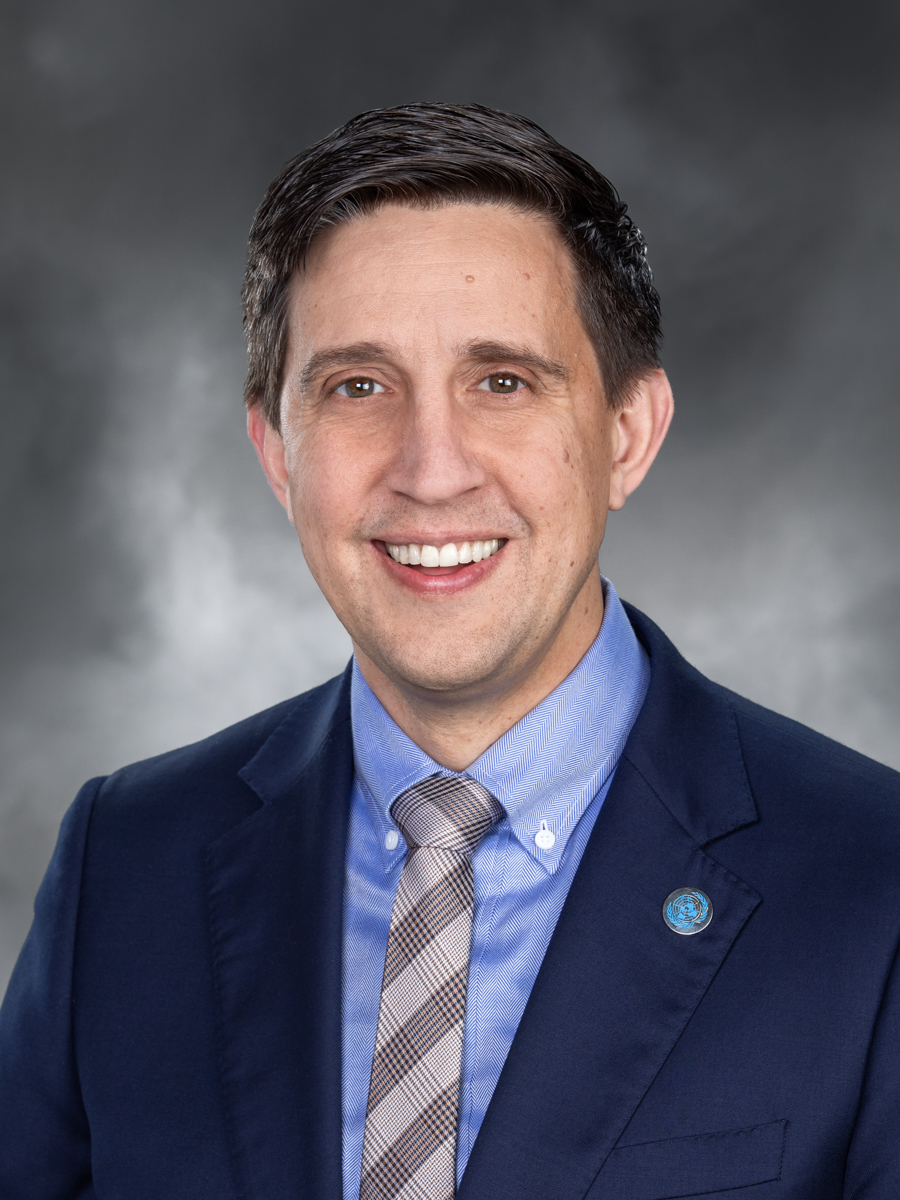
Alex Ramel
100% support rate
Top opponent
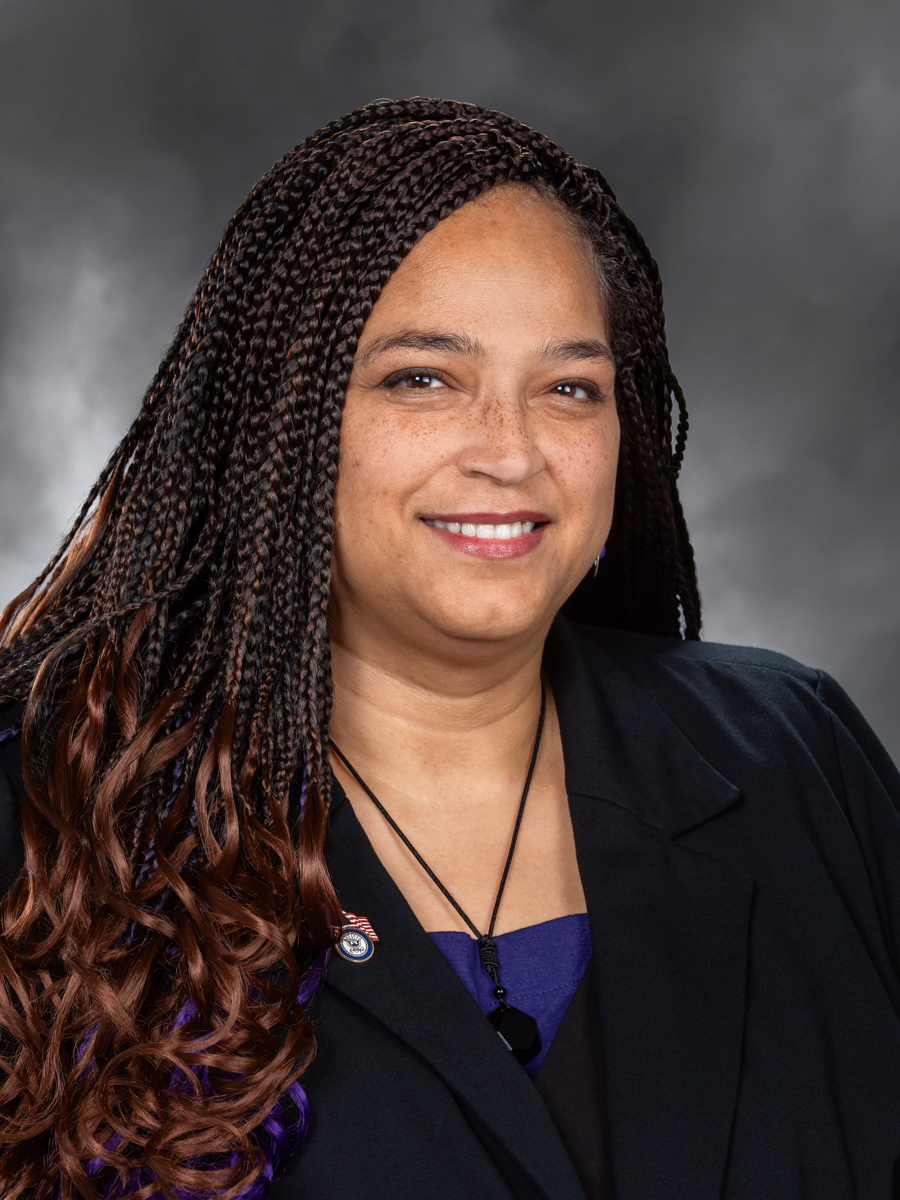
April Connors
0% support rate
Ranked legislators
10
5 support · 5 oppose
Key legislators

Who's moving courts in Washington

Legislators moving courts in Washington
Legislator Party Stance Support rate Votes
Alex Ramel
Alex Ramel House · District 40
D
Strong +
100% 13
Beth Doglio
Beth Doglio House · District 22
D
Strong +
100% 13
Brandy Donaghy
Brandy Donaghy House · District 44
D
Strong +
100% 13
Brianna Thomas
Brianna Thomas House · District 34
D
Strong +
100% 13
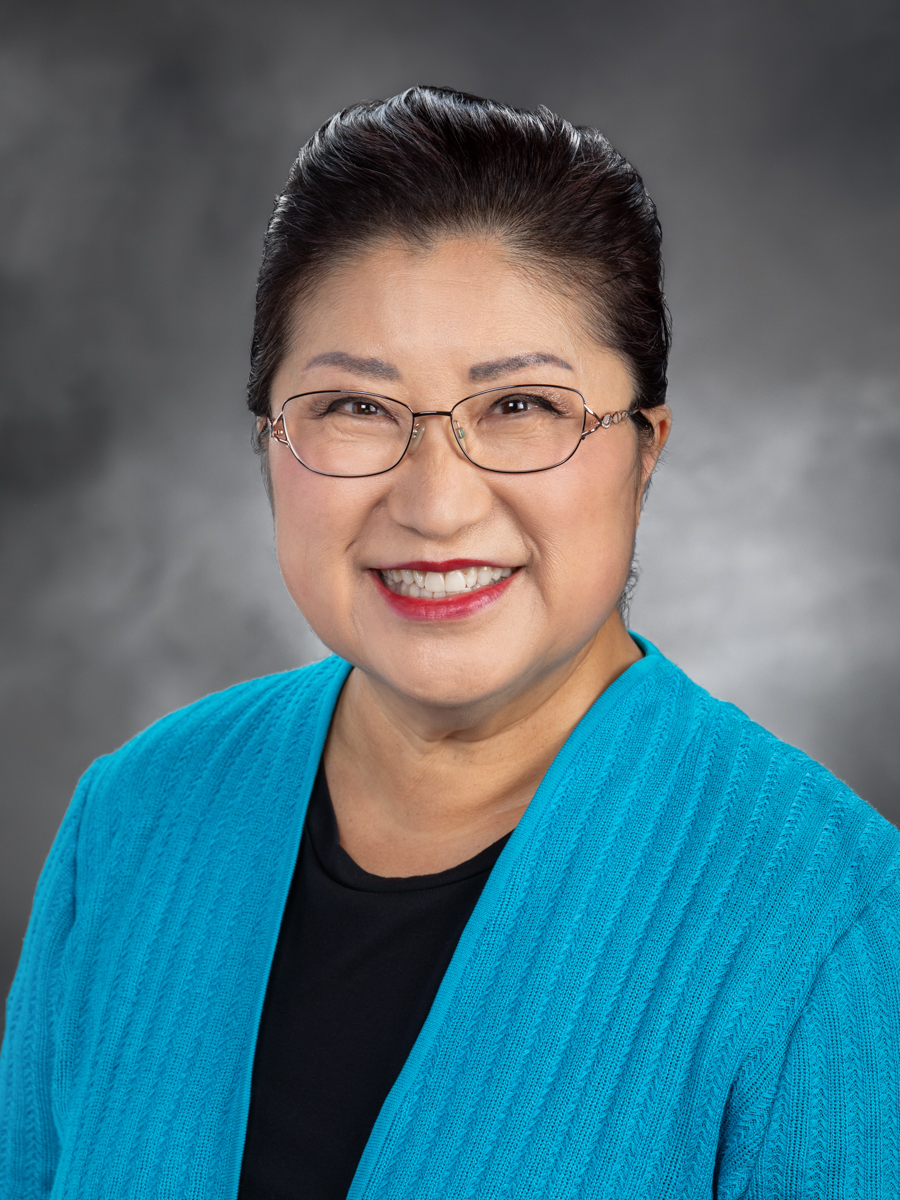
Cindy Ryu
Cindy Ryu House · District 32
D
Strong +
100% 13
April Connors
April Connors House · District 8
R
Strong −
0% 13
Brian Burnett
Brian Burnett House · District 12
R
Strong −
0% 13
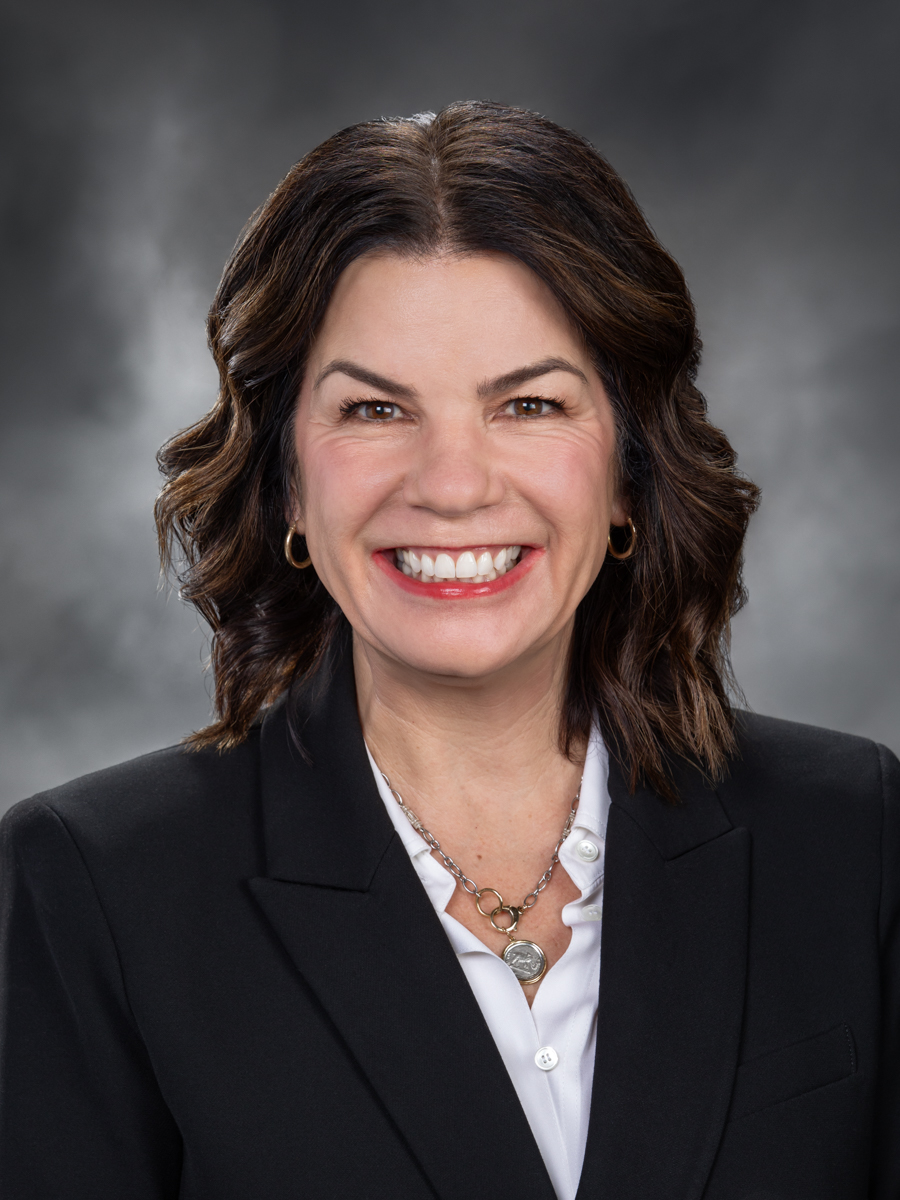
Cyndy Jacobsen
Cyndy Jacobsen House · District 25
R
Strong −
0% 13
Drew Stokesbary
Drew Stokesbary House · District 31
R
Strong −
0% 13
Jim Walsh
Jim Walsh House · District 19
R
Strong −
0% 13
Showing 51–60 of 95 bills

All criminal justice bills

in committee · Washington · House Jan 12, 2026

HB 1056: Concerning law enforcement and local corrections agency misconduct through investigations and legal actions.

HB 1056 empowers Washington's Attorney General to investigate and take legal action against local law enforcement and corrections agencies for systemic misconduct, such as excessive force, discriminatory practices, or inadequate detention conditions. The bill allows the AG to issue civil investigative demands, file lawsuits for systemic reforms, and seek court-ordered policy changes without addressing individual officer misconduct. It specifically applies to county and city agencies (excluding state entities like the Washington State Patrol) and requires coordination with federal investigations. The law does not replace existing legal remedies but aims to promote consistent accountability and transparency in local policing and corrections practices.
passed · Washington · House Jan 12, 2026

HB 2044: Addressing unexcused student absences.

HB 2044 revises how unexcused student absences are addressed by school districts, affecting students and their parents. The bill eliminates the requirement for school districts to file truancy petitions before a child's fifth unexcused absence. Instead, after a fifth unexcused absence, districts are directed to enter into an attendance agreement with the parent or child (if age eight or above), either directly or through a community engagement board. Truancy petitions to juvenile court are now generally required only if an attendance agreement is not reached or not complied with, and typically not before the child's 15th unexcused absence in a school year.
in committee · Washington · House Jan 12, 2026

HB 1197: Making 2023-2025 fiscal biennium second supplemental operating appropriations.

HB 1197 is a supplemental appropriations bill funding state court operations and specific programs for the 2023-2025 fiscal biennium. It allocates funds primarily to state courts (e.g., $28.6 million for the Court of Appeals in FY 2025) and counties for juvenile justice services ($7 million annually for truancy and youth case management), court security in rural areas ($1 million), and an equity dashboard program ($1.35 million for data collection on justice disparities). The bill directs specific funding streams for court-appointed attorneys, lactation spaces in courthouses, and opioid settlement fund uses. These appropriations directly affect state courts, county juvenile programs, and local court facilities across Washington.
in committee · Washington · House Jan 12, 2026

HB 2002: Concerning criminal justice and the recovery of firearms used in the commission of a crime.

HB 2002 establishes a reward program to encourage the public to report information about firearms used in felony crimes. It provides up to $500 for locating such firearms, or up to $5,000 if the report leads to a conviction, excluding law enforcement officers, individuals with warrants, or government employees acting in their official capacity. The cash rewards will be funded from existing county and municipal criminal justice assistance accounts, which distribute funds based on population, crime rates, and court case volumes. The bill directly affects law enforcement agencies (who receive the information) and the public (who may submit tips for rewards), while amending funding mechanisms for local criminal justice programs.
in committee · Washington · House Jan 12, 2026

HB 1892: Concerning the establishment of liability standards for state legislators.

HB 1892 allows individuals injured by someone released before trial (due to a law making pretrial release easier for violent offenders) to sue state legislators who voted for that law. It requires legislators to conduct a written risk assessment analyzing public safety risks, victim rights, and alternatives to pretrial detention before voting. If a court finds a legislator "intentionally, knowingly, or recklessly disregarded" public harm risks when voting, they face personal liability for legal costs and damages - overriding typical legislative immunity. The bill applies only to injuries occurring after its effective date and does not affect existing legal defenses for legislators.
Sub-Topics Courts Victims' Rights
signed · Washington · House May 19, 2025

HB 1207: Concerning superior court clerk fees.

House Bill 1207 modifies the fees collected by superior court clerks, impacting individuals and entities filing various documents in civil actions, appeals, probate proceedings, and certain criminal cases. It introduces new surcharges on many of these filing fees, with the collected funds distributed to state accounts for judicial stabilization, public defense support, court interpreter services, and library-archives, while a portion is retained by counties. The bill establishes a county clerk administrative assistance fund, which the clerk can manage for office operations without county legislative appropriation, and creates dedicated state accounts for public defense and court interpreter support. Notably, it sets a lower initial filing fee for unlawful detainer actions and exempts indigent criminal defendants from certain fees upon conviction.
passed · Washington · House Jan 12, 2026

HB 1113: Concerning accountability and access to services for individuals charged with a misdemeanor.

HB 1113, known as the public SAFE-T Act, creates a pathway for individuals charged with certain simple or gross misdemeanors in Washington state to have their charges dismissed. Under this bill, a court may agree to dismiss a misdemeanor charge if the defendant waives their right to a speedy trial and substantially complies with court-ordered conditions and programs for up to 12 months. Full restitution is a required condition for dismissal, although inability to pay due to indigence is not a barrier if progress is made. However, the bill explicitly excludes a wide range of specific offenses, such as domestic violence, DUI-related charges, and certain assault or firearm offenses, from this dismissal process.
in committee · Washington · Senate Jan 12, 2026

SB 5333: Concerning penalties related to eluding police vehicles and resisting arrest.

SB 5333 (Washington State) increases penalties for drivers who repeatedly attempt to elude police vehicles. It allows police to seize and forfeit a vehicle used in a second conviction for eluding police or resisting arrest, following a prior impoundment (even without a conviction). The bill requires a court conviction before forfeiture, provides procedures for owners to claim their vehicles back within 60 days, and permits seized vehicles to be sold or kept by police to fund traffic safety programs. This directly affects drivers with prior offenses who are convicted of repeat eluding or resisting arrest.
in committee · Washington · House Jan 26, 2026

HB 1228: Concerning toxicology testing by certified or accredited laboratories.

HB 1228 establishes standards for toxicology testing in Washington State DUI cases. It requires that blood and breath tests used to determine alcohol or drug impairment must be conducted by either a laboratory certified under the ISO/IEC 17025 standard for forensic toxicology or by an individual holding a permit from the state toxicologist. The bill specifies detailed procedures for breath testing, including a 15-minute observation period without eating, drinking, or smoking, and precise calibration requirements, while also mandating that blood draws be performed by specific licensed healthcare professionals under defined conditions. This law directly affects law enforcement, testing laboratories, and individuals charged with driving under the influence by setting clear criteria for test admissibility in court.
Sub-Topics Courts Law Enforcement
in committee · Washington · Senate Jan 12, 2026

SB 5230: Providing exceptions for juvenile access to attorney.

SB 5230 requires law enforcement to provide juveniles (under 18) with access to an attorney before they waive constitutional rights during police questioning, detention for suspected crimes, or consent to searches. The bill mandates this consultation cannot be waived and prohibits using statements made without it in court, unless specific exceptions apply. Exceptions include when police believe a juvenile is a trafficking victim (with strict limits on using the information), when an imminent life threat requires immediate questioning, or for certain serious traffic or violent offenses. The law also clarifies that juveniles can direct legal counsel to assert rights on their behalf, and waivers must follow established procedures. This changes current practice by strengthening attorney access protections during critical police interactions with minors.
Showing 51 to 60 of 95 bills
Previous 1 5 6 7 10 Next