Issue · Criminal Justice

Criminal Justice (Probation & Parole)

Every criminal justice bill, vote, and legislator stance in Washington, automatically classified by Maddy, our AI policy reader.

Total bills
37
2025-2026 Regular Session
Top supporter
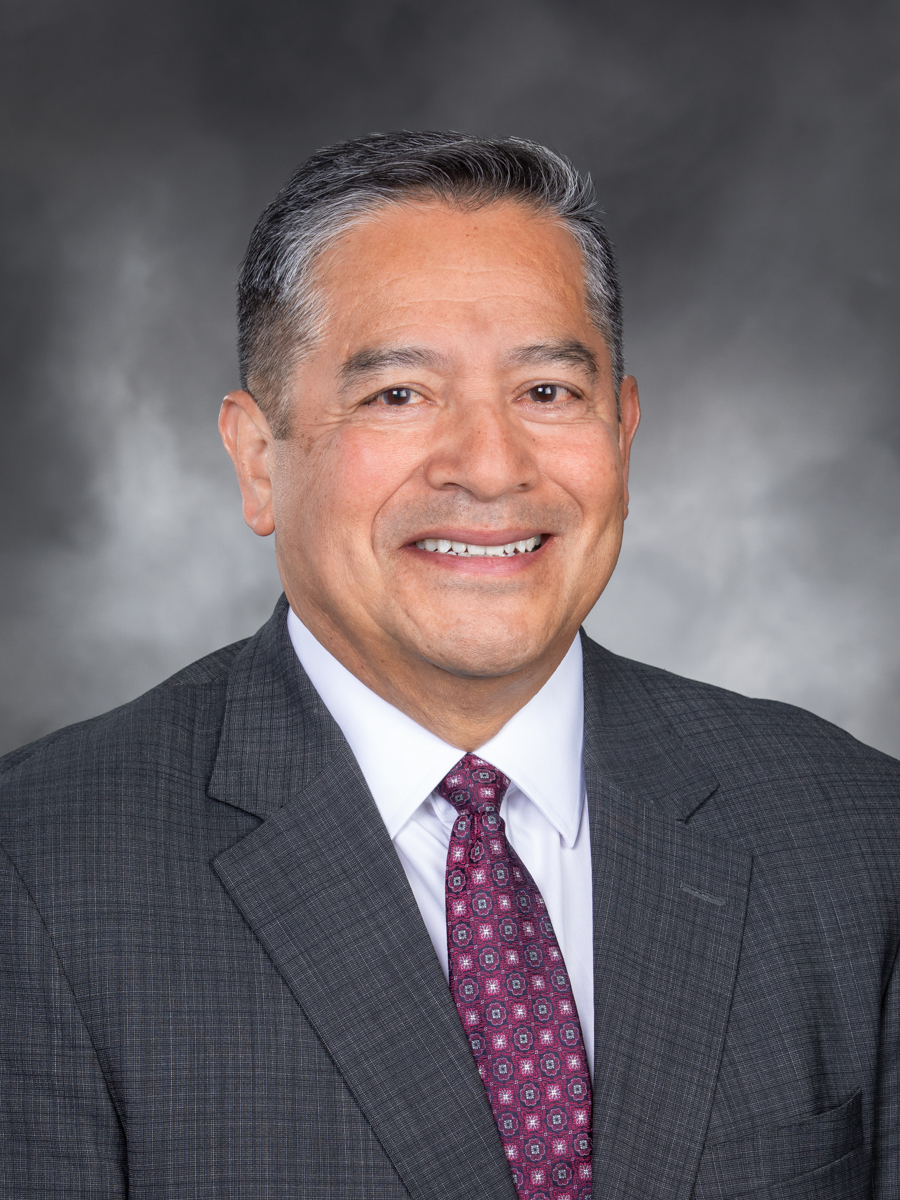
Adrian Cortes
100% support rate
Top opponent
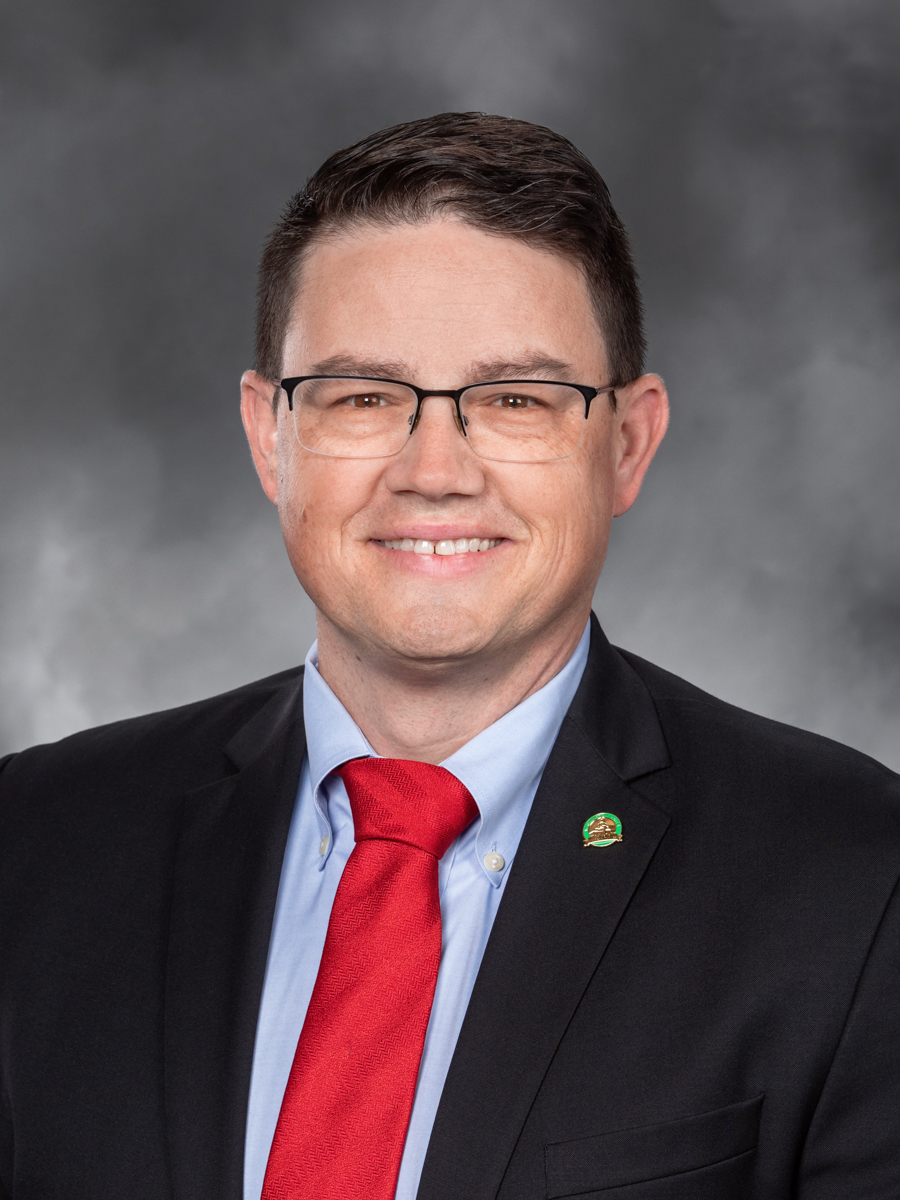
Alex Ybarra
0% support rate
Ranked legislators
10
5 support · 5 oppose
Key legislators

Who's moving probation & parole in Washington

Legislators moving probation & parole in Washington
Legislator Party Stance Support rate Votes
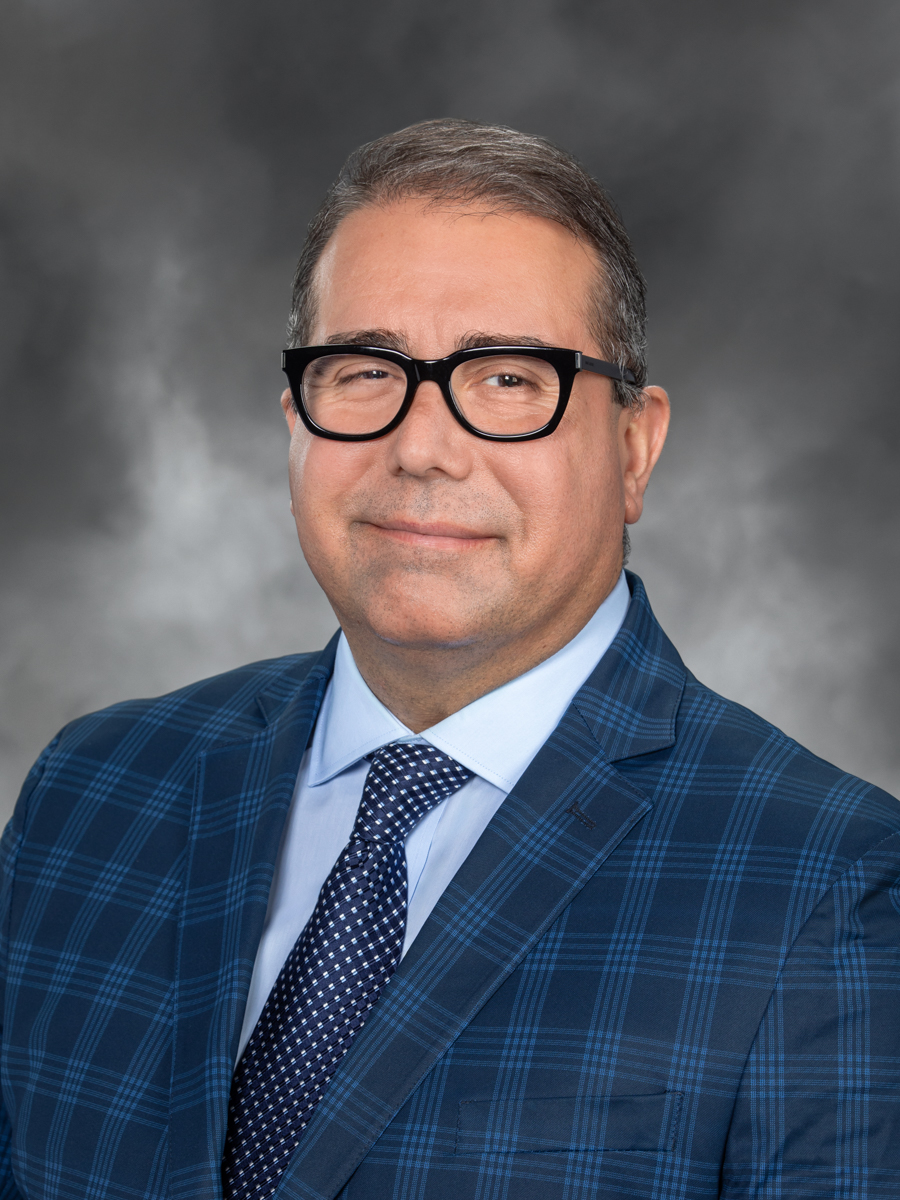
Adrian Cortes
Adrian Cortes Senate · District 18
D
Strong +
100% 13
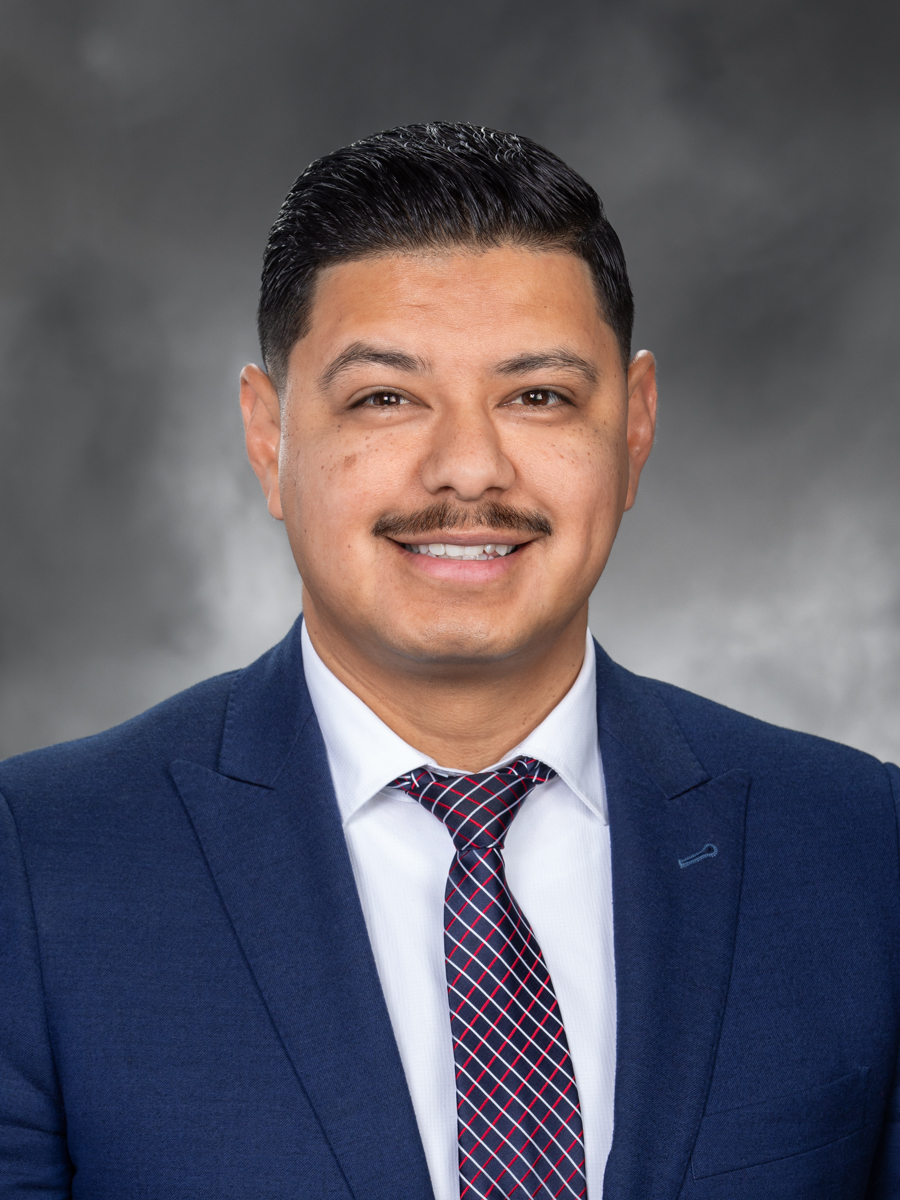
Julio Cortes
Julio Cortes House · District 38
D
Strong +
100% 13
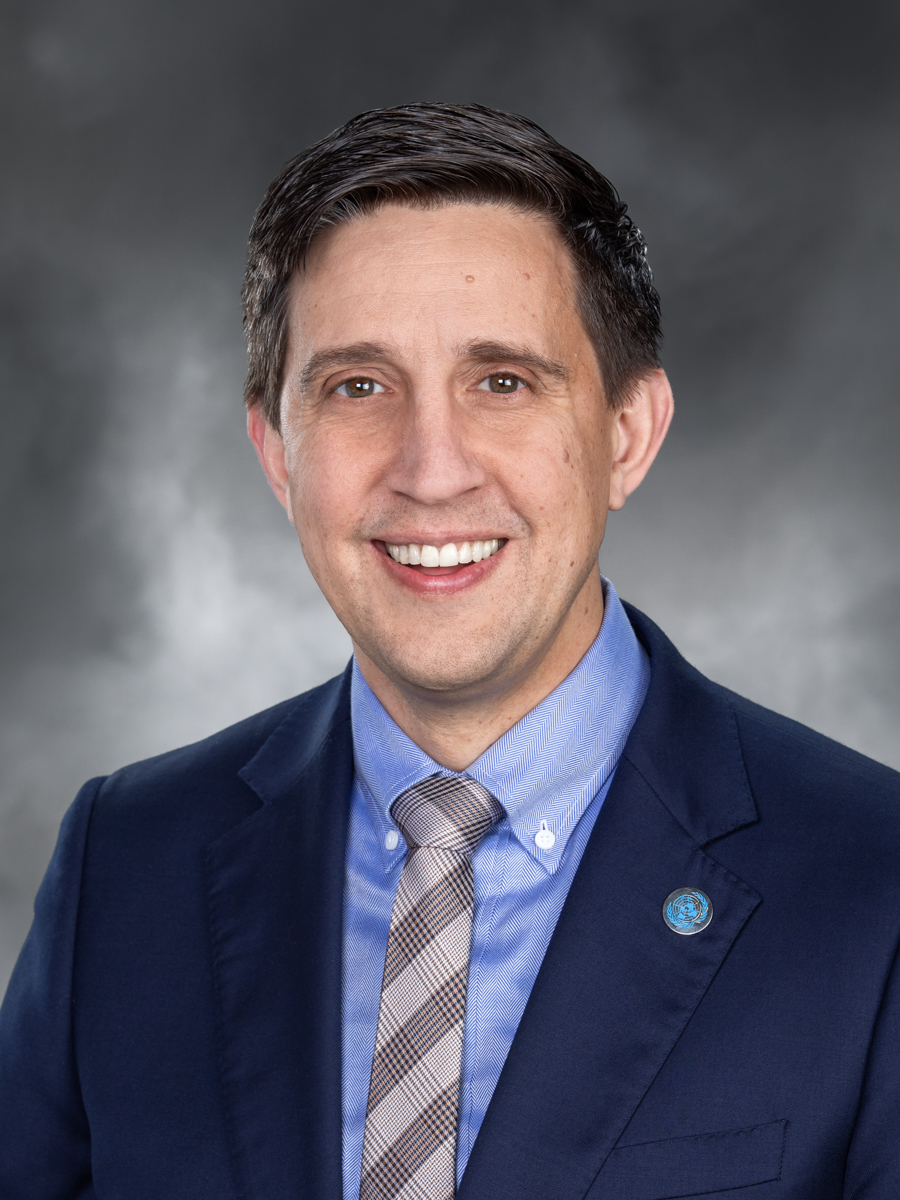
Alex Ramel
Alex Ramel House · District 40
D
Strong +
100% 8
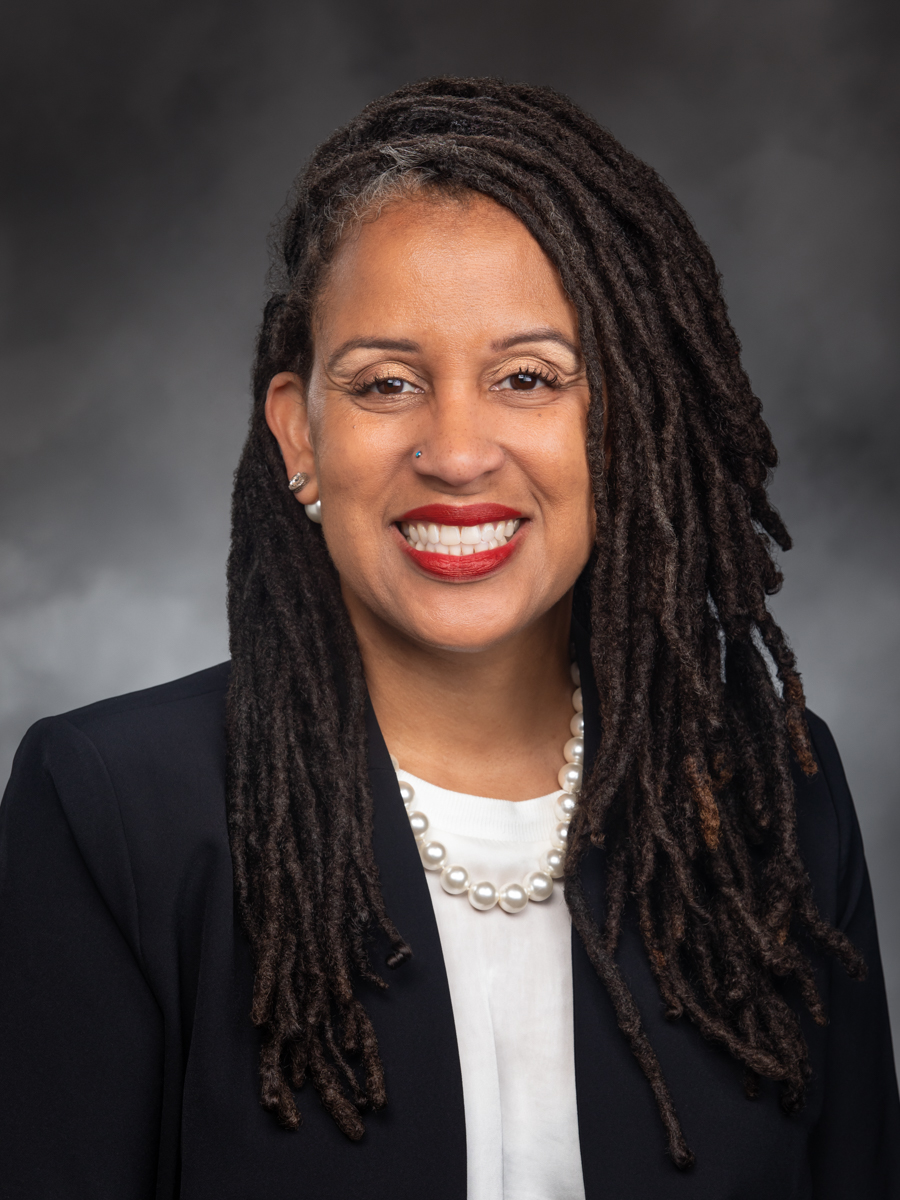
Amy Walen
Amy Walen House · District 48
D
Strong +
100% 8
April Berg
April Berg House · District 44
D
Strong +
100% 8
Alex Ybarra
Alex Ybarra House · District 13
R
Strong −
0% 8
Chris Corry
Chris Corry House · District 15
R
Strong −
0% 8
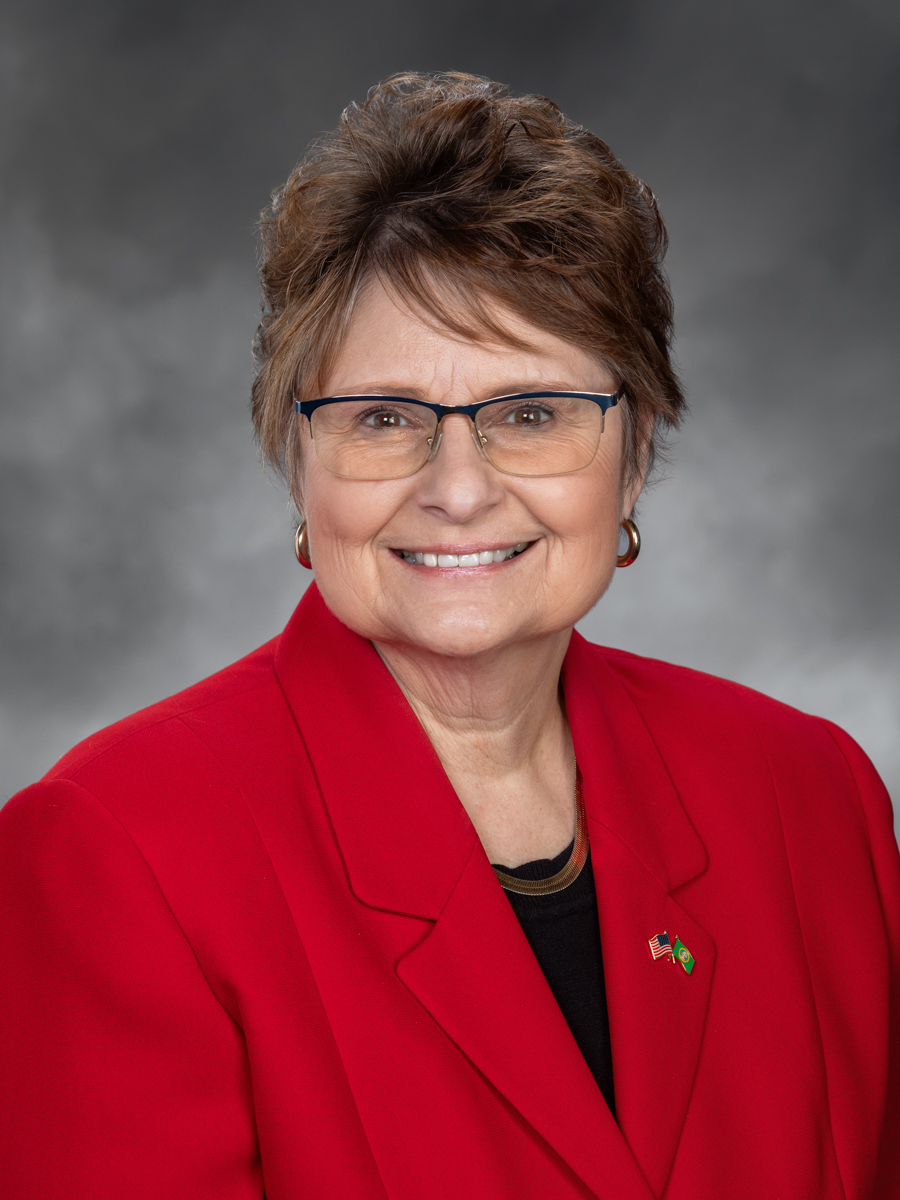
Deb Manjarrez
Deb Manjarrez House · District 14
R
Strong −
0% 8
Jeremie Dufault
Jeremie Dufault House · District 15
R
Strong −
0% 8
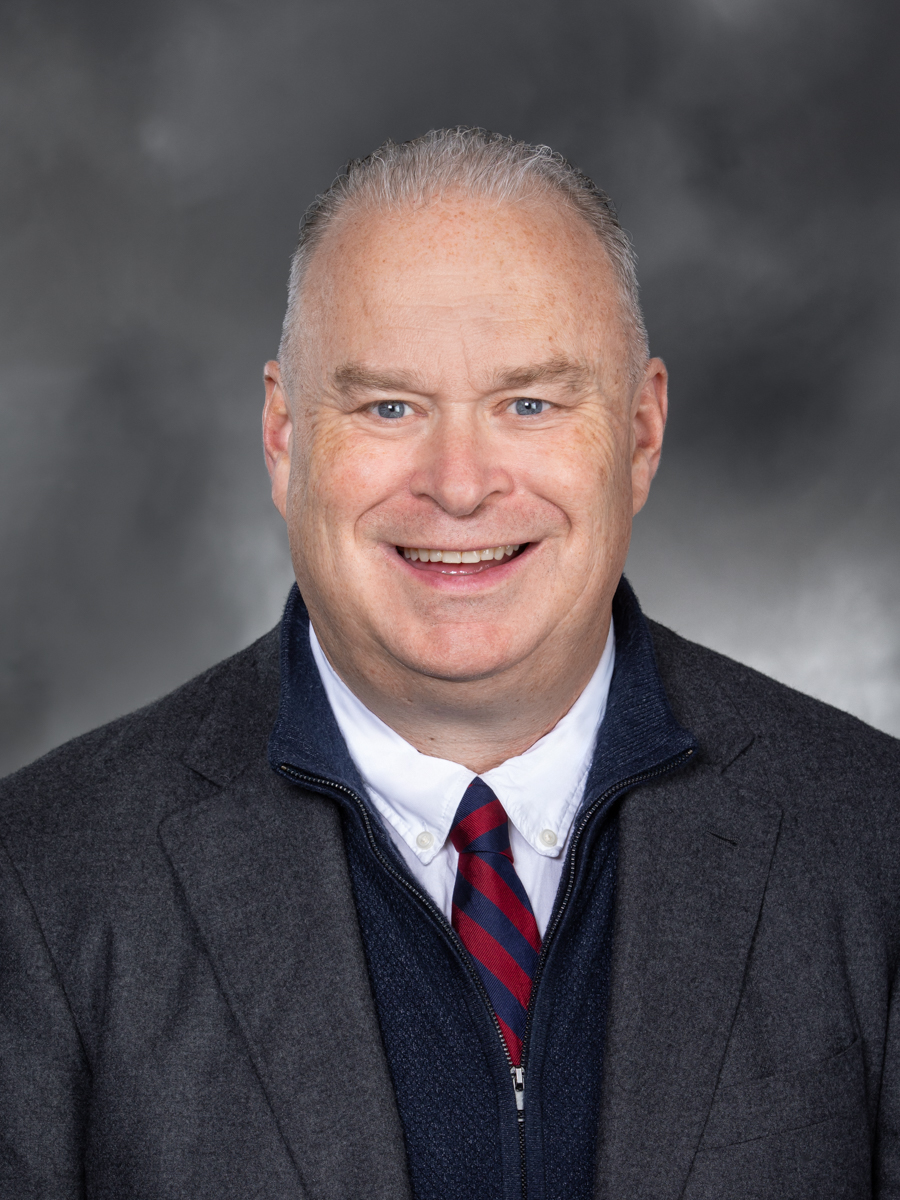
Jim Walsh
Jim Walsh House · District 19
R
Strong −
0% 8
Showing 31–37 of 37 bills

All criminal justice bills

in committee · Washington · House Jan 12, 2026

HB 1111: Concerning the indeterminate sentence review board.

HB 1111 allows individuals convicted of crimes before age 18 to petition the indeterminate sentence review board for early release after turning 24, provided they have no recent convictions or serious infractions. The bill requires a department assessment 5 years before eligibility, a dangerousness evaluation within 180 days of petition, and sets conditions for release, including victim input and potential rental assistance. It limits annual petitions to 70, prioritizing those under 25 or recently transferred from juvenile custody, and expires July 2035. The policy aims to align with brain development science by creating rehabilitation incentives for youth offenders.
passed · Washington · Senate Jan 12, 2026

SB 5278: Concerning emergency measures for managing juvenile populations at state juvenile correctional institutions.

SB 5278 addresses overcrowding in state juvenile correctional institutions, aiming to ensure the safe management of juvenile populations and protect both youth and employees. The bill amends existing state laws related to the management of individuals placed in juvenile rehabilitation institutions. Specifically, it updates definitions for key terms within juvenile justice, such as "assessment," "community-based rehabilitation," "community supervision," and "confinement." While the bill's title references "emergency measures," the provided text primarily focuses on these foundational definitions and legislative intent.
in committee · Washington · House Jan 12, 2026

HB 1110: Vacating convictions for driving under the influence.

HB 1110 allows individuals convicted of driving under the influence (DUI) or related offenses (RCW 46.61.502/504) to apply to have their conviction records vacated, meaning the conviction is removed from their legal record. To qualify, applicants must have completed all sentence terms (including fines), have no pending charges, and not have recent alcohol/drug violations or domestic violence convictions. The bill specifically restricts vacating records for DUI offenses if the applicant has a subsequent DUI conviction within five years, is on probation for a DUI, or holds a commercial driver's license. It also includes special provisions for victims of trafficking or domestic violence. This process applies only to misdemeanor or gross misdemeanor DUI convictions meeting all specified criteria.
in committee · Washington · House Feb 4, 2026

HB 1239: Preparing incarcerated people for successful reentry upon release from a correctional facility.

HB 1239 modifies Washington state's earned release time policies to improve reentry outcomes for incarcerated individuals. It allows inmates to earn time off sentences through good behavior and participation in rehabilitative programs, with limits (up to 50% for eligible offenders) based on offense type and risk assessment. The bill requires participation in reentry programming to qualify for maximum earned time and creates an option for transfer to community supervision instead of earning additional time. These changes directly affect incarcerated people in Washington correctional facilities and aim to reduce repeat offenses by aligning sentence reductions with reentry readiness.
in committee · Washington · House Jan 12, 2026

HB 1166: Establishing the providing effective education for reentry success act.

HB 1166 establishes the "Providing Effective Education for Reentry Success Act" in Washington State, directly affecting incarcerated individuals by expanding their access to postsecondary education and digital tools. The bill requires correctional facilities to provide broadband internet access, allow incarcerated people to own personal laptops with WiFi, and ensure timely access to educational websites (within two weeks of request). It mandates that facilities collaborate on digital inclusion efforts and prohibits restrictions on online learning for responsible users, defining "digital equity" to include activities like taking online exams, accessing library resources, and applying for financial aid. The law aims to support rehabilitation and successful reentry through structured educational pathways and digital literacy opportunities.
signed · Washington · House May 20, 2025

HB 1119: Concerning supervision compliance credit.

HB 1119 modifies the rules for offenders to earn supervision compliance credit while under the supervision of the Department of Corrections. The bill simplifies the criteria, allowing offenders to earn 10 days of credit per month based solely on compliance with their supervision terms, as determined by the department. It also establishes that offenders will lose the ability to earn future supervision compliance credits if sanctioned by a court for noncompliance with community custody requirements. Additionally, the bill expands the categories of offenders who are not eligible for this credit, such as those with indeterminate sentences subject to parole.
in committee · Washington · House Jan 12, 2026

HB 1322: Improving outcomes for individuals adjudicated of juvenile offenses by increasing opportunities for community placement options and refining procedural requirements.

HB 1322 in Washington State changes how courts handle juvenile sentencing for youth under 18 found responsible for offenses. It requires courts to make a stronger, evidence-based case before sending youth to confinement for more than 30 days, instead of community-based options. Courts must now consider factors like the youth's age, mental health, developmental needs, criminal history, and whether community supervision could safely meet rehabilitation goals. The bill expands community placement opportunities and limits confinement, directing courts to prioritize less restrictive dispositions unless clear evidence shows community safety would be at risk.
Showing 31 to 37 of 37 bills
Previous 1 2 3 4