Issue · Criminal Justice

Criminal Justice (Juvenile Justice)

Every criminal justice bill, vote, and legislator stance in Washington, automatically classified by Maddy, our AI policy reader.

Total bills
43
2025-2026 Regular Session
Top supporter
Steve Tharinger
100% support rate
Top opponent
Dave Stuebe
0% support rate
Ranked legislators
10
5 support · 5 oppose
Key legislators

Who's moving juvenile justice in Washington

Legislators moving juvenile justice in Washington
Legislator Party Stance Support rate Votes
Steve Tharinger
Steve Tharinger House · District 24
D
Strong +
100% 5
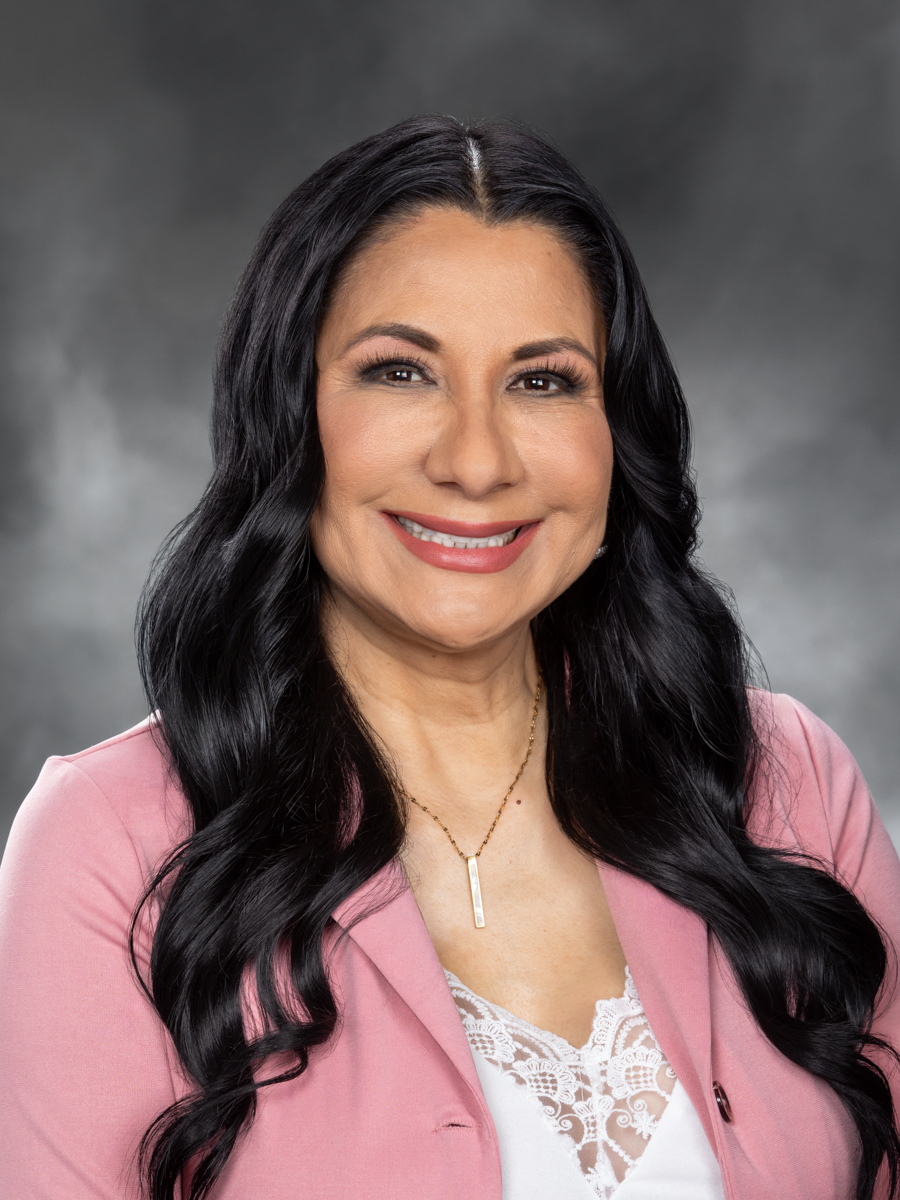
Gloria Mendoza
Gloria Mendoza House · District 14
R
Support
78% 18
Tina Orwall
Tina Orwall Senate · District 33
D
Support
78% 9
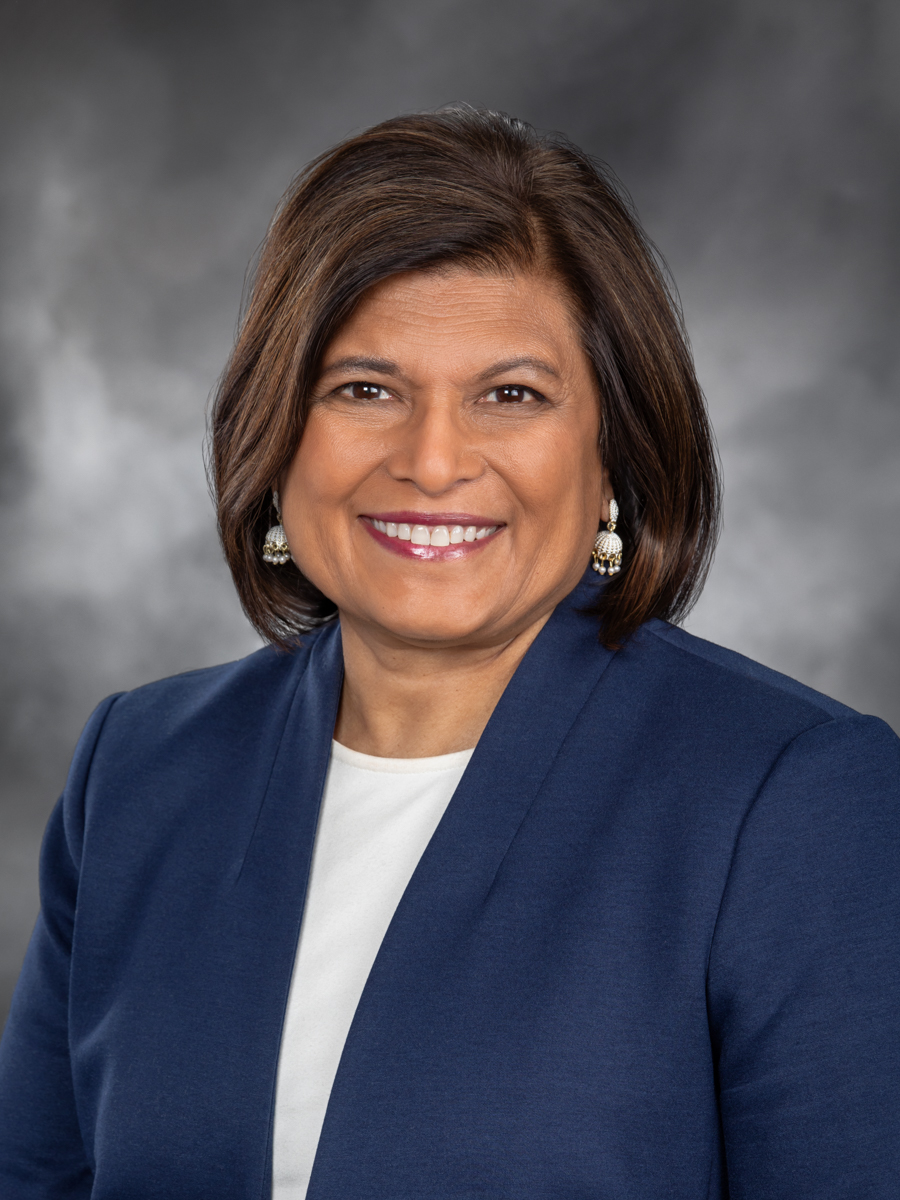
Vandana Slatter
Vandana Slatter Senate · District 48
D
Support
78% 9
Adison Richards
Adison Richards House · District 26
D
Support
75% 20
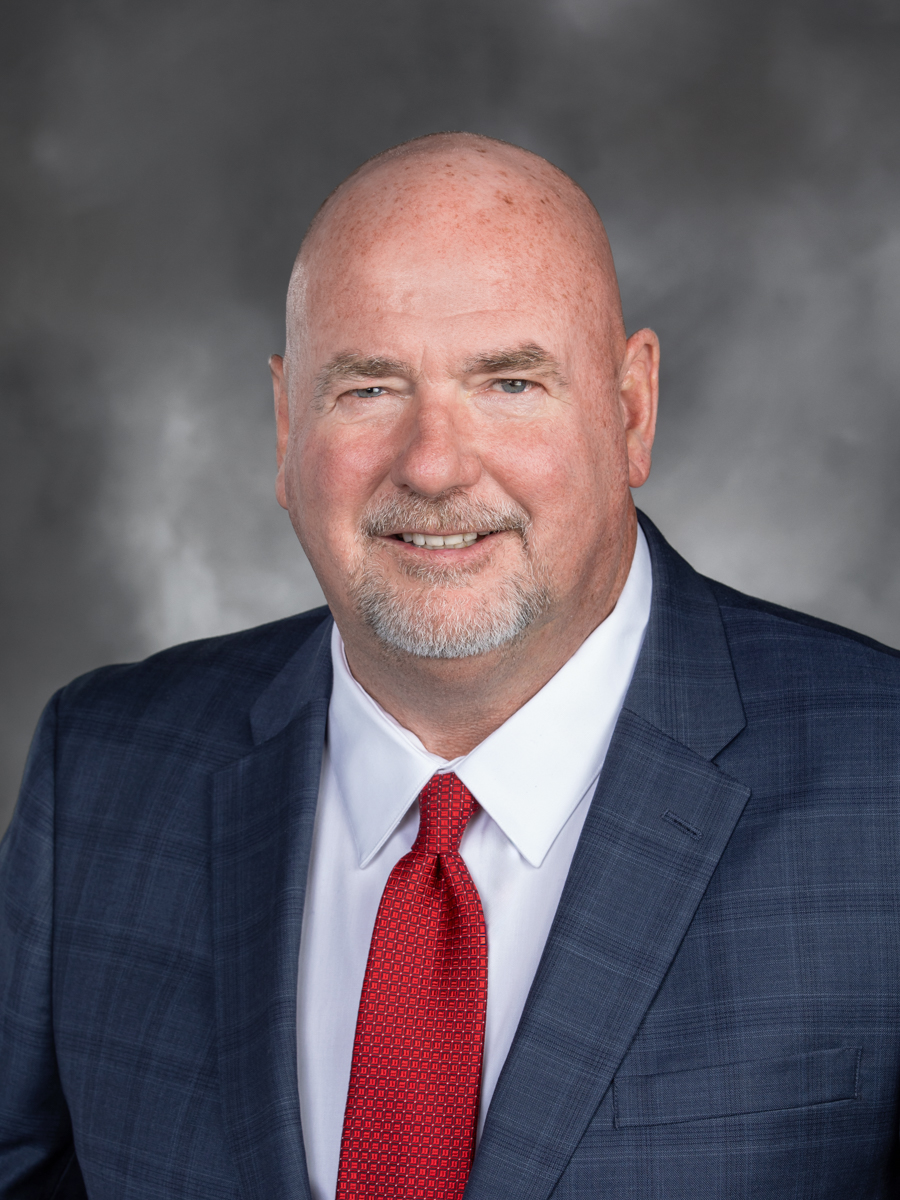
Dave Stuebe
Dave Stuebe House · District 17
R
Strong −
0% 5
Jeremie Dufault
Jeremie Dufault House · District 15
R
Strong −
0% 5
Zach Hall
Zach Hall House · District 5
D
Strong −
12% 16
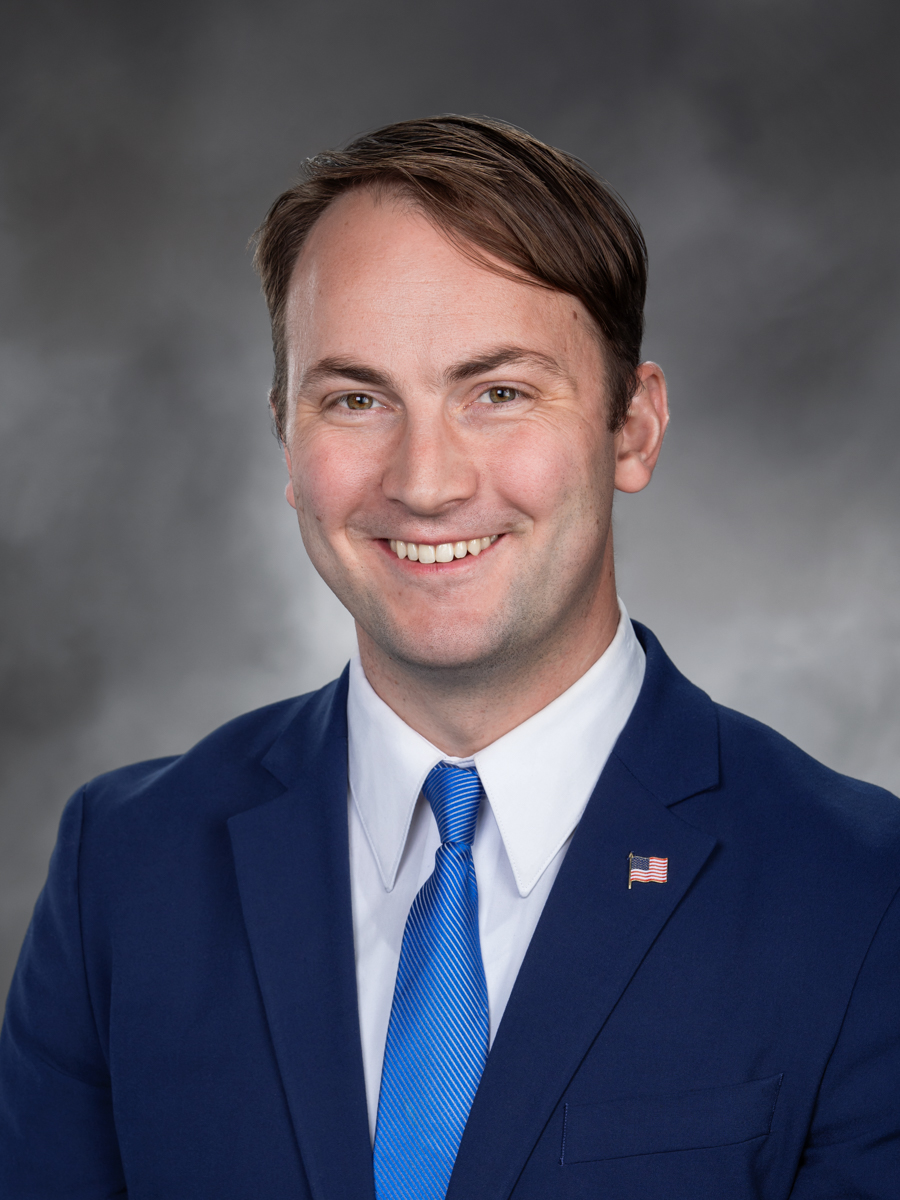
Adam Bernbaum
Adam Bernbaum House · District 24
D
Oppose
25% 20
Lauren Davis
Lauren Davis House · District 32
D
Oppose
25% 20
Showing 31–40 of 43 bills

All criminal justice bills

in committee · Washington · House Jan 12, 2026

HB 1920: Concerning juvenile access to attorneys when contacted by law enforcement.

HB 1920 requires law enforcement in Washington to provide juveniles (under 18) with immediate access to an attorney before questioning or during specific interactions, including custodial interrogations, detentions based on probable cause, or requests for consent to searches. This applies to all law enforcement officers, including school resource officers, and ensures juveniles cannot waive their right to counsel without legal consultation. The bill prohibits using statements obtained without attorney access in court, except in limited exemptions like imminent life threats or trafficking victim situations. It also mandates that any assertion of rights through an attorney must be treated as coming directly from the juvenile. The law aims to protect minors' constitutional rights during police contact by making attorney access mandatory before rights can be waived.
in committee · Washington · House Jan 12, 2026

HB 1125: Providing judicial discretion to modify sentences in the interest of justice.

HB 1125 allows judges to modify lengthy prison sentences in Washington state when a person's original sentence no longer serves justice. It directly affects incarcerated individuals who meet specific criteria, such as having served 7+ years for an offense committed as a juvenile (starting July 2026), 10+ years for offenses committed as young adults (starting July 2031), or having a terminal illness. The bill requires petitioners to show rehabilitation or low recidivism risk, and courts may only reduce sentences (not increase them), must maintain mandatory minimums, and mandate a 6-month minimum wait after a hearing before release. The law also requires new sentences to include five years of community supervision.
in committee · Washington · Senate Jan 12, 2026

SB 5150: Concerning juvenile access to an attorney.

SB 5150 requires law enforcement in Washington to provide juveniles (under age 18) access to an attorney before they waive constitutional rights during police questioning, detention based on probable cause, or consent requests for searches. It mandates that this consultation cannot be waived and makes statements obtained without it inadmissible in court, unless specific exceptions apply (like suspected trafficking victims or imminent life threats). The bill also clarifies that juveniles can assert rights through their attorney, and any waiver must follow strict procedures. This directly affects juveniles involved with law enforcement and all Washington law enforcement officers, including school resource officers.
in committee · Washington · House Jan 12, 2026

HB 1247: Concerning placement of individuals in juvenile rehabilitation institutions.

HB 1247 limits the placement of individuals convicted as adults for crimes committed before age 18 in juvenile rehabilitation facilities to those under age 21. It requires that if an individual’s earned release date is before their 21st birthday, they must be transferred to the Department of Children, Youth, and Families (DCYF) until age 21 or sentence completion, rather than remaining in adult corrections. The bill mandates DCYF to review placements for those over 21 in juvenile facilities before age 23 and ensures they receive the same treatment as other juvenile offenders. It also specifies housing requirements, requiring separation from adult inmates until age 18 (with possible extensions to age 21 under certain conditions) and defines eligibility for community transition services after 60% of sentence served.
Sub-Topics Juvenile Justice
in committee · Washington · House Jan 12, 2026

HB 1917: Concerning management of individuals who are placed in juvenile rehabilitation institutions.

HB 1917 updates Washington State's juvenile justice system by redefining key terms and requiring courts to prioritize less restrictive options before placing youth in residential treatment. It mandates that courts consider alternatives like community-based rehabilitation (e.g., counseling, school programs) or community supervision (including up to 150 hours of community restitution) before ordering inpatient care. The bill also requires mandatory court review hearings within 60 days of inpatient placement and every 30 days thereafter, ensuring ongoing assessment of necessity. These changes directly affect youth in the juvenile justice system and the courts, agencies, and facilities managing their cases, with a focus on trauma-informed, culturally responsive support during reentry.
signed · Washington · House Apr 21, 2025

HB 1747: Expanding protections for applicants and employees under the Washington fair chance act.

HB 1747 expands protections for job applicants and employees under Washington's Fair Chance Act. The bill prohibits employers from inquiring about an applicant's criminal record until after a conditional offer of employment has been made. It also prevents employers from taking adverse employment action based on arrest records or juvenile conviction records. For adult conviction records, employers must have a legitimate business reason, notify the individual, and provide an opportunity for them to explain or provide additional information before making a decision.
Sub-Topics Juvenile Justice
in committee · Washington · Senate Jan 12, 2026

SB 5257: Modifying sentencing standards for juvenile firearm offenses.

SB 5257 modifies sentencing standards for juveniles under 18 charged with possessing firearms. It changes the offense classification from "B+" to "C+" in Washington's juvenile sentencing grid for this specific violation. This adjustment reduces the potential sentence range from 15-36 weeks (for B+ offenses) to 15-36 weeks (for C+ offenses), though the exact range remains similar. The bill directly affects minors aged 15-17 who face firearm possession charges, altering how courts determine sentencing severity. The change applies to RCW 9.41.040(2)(a)(v), which covers firearm possession by minors under 18.
in committee · Washington · House Jan 12, 2026

HB 1111: Concerning the indeterminate sentence review board.

HB 1111 allows individuals convicted of crimes before age 18 to petition the indeterminate sentence review board for early release after turning 24, provided they have no recent convictions or serious infractions. The bill requires a department assessment 5 years before eligibility, a dangerousness evaluation within 180 days of petition, and sets conditions for release, including victim input and potential rental assistance. It limits annual petitions to 70, prioritizing those under 25 or recently transferred from juvenile custody, and expires July 2035. The policy aims to align with brain development science by creating rehabilitation incentives for youth offenders.
passed · Washington · Senate Jan 12, 2026

SB 5278: Concerning emergency measures for managing juvenile populations at state juvenile correctional institutions.

SB 5278 addresses overcrowding in state juvenile correctional institutions, aiming to ensure the safe management of juvenile populations and protect both youth and employees. The bill amends existing state laws related to the management of individuals placed in juvenile rehabilitation institutions. Specifically, it updates definitions for key terms within juvenile justice, such as "assessment," "community-based rehabilitation," "community supervision," and "confinement." While the bill's title references "emergency measures," the provided text primarily focuses on these foundational definitions and legislative intent.
in committee · Washington · House Jan 12, 2026

HB 1248: Improving the effectiveness of juvenile justice programs by providing ongoing evaluations and clarifying juvenile diversion practices.

HB 1248 requires Washington state agencies to improve juvenile justice programs by establishing ongoing evaluations and clarifying diversion practices. It directs the Washington State Institute for Public Policy and the University of Washington to create clear definitions of "evidence-based" programs, maintain an updated inventory of proven practices, and conduct biennial outcome reviews focused on recidivism rates and cost-effectiveness for funded juvenile justice programs. The bill mandates baseline assessments of current service usage and funding across child welfare, juvenile rehabilitation, and mental health services, with annual reports to lawmakers on strategies to expand evidence-based practices. These changes directly affect juvenile justice programs, state agencies (like DSHS and DCYF), and youth served by these systems, ensuring evaluations consider diverse communities and tribal partnerships.
Sub-Topics Juvenile Justice
Showing 31 to 40 of 43 bills
Previous 1 3 4 5 Next