Issue · Criminal Justice

Criminal Justice

Every criminal justice bill, vote, and legislator stance in Washington, automatically classified by Maddy, our AI policy reader.

Total bills
72
2025-2026 Regular Session
Top supporter
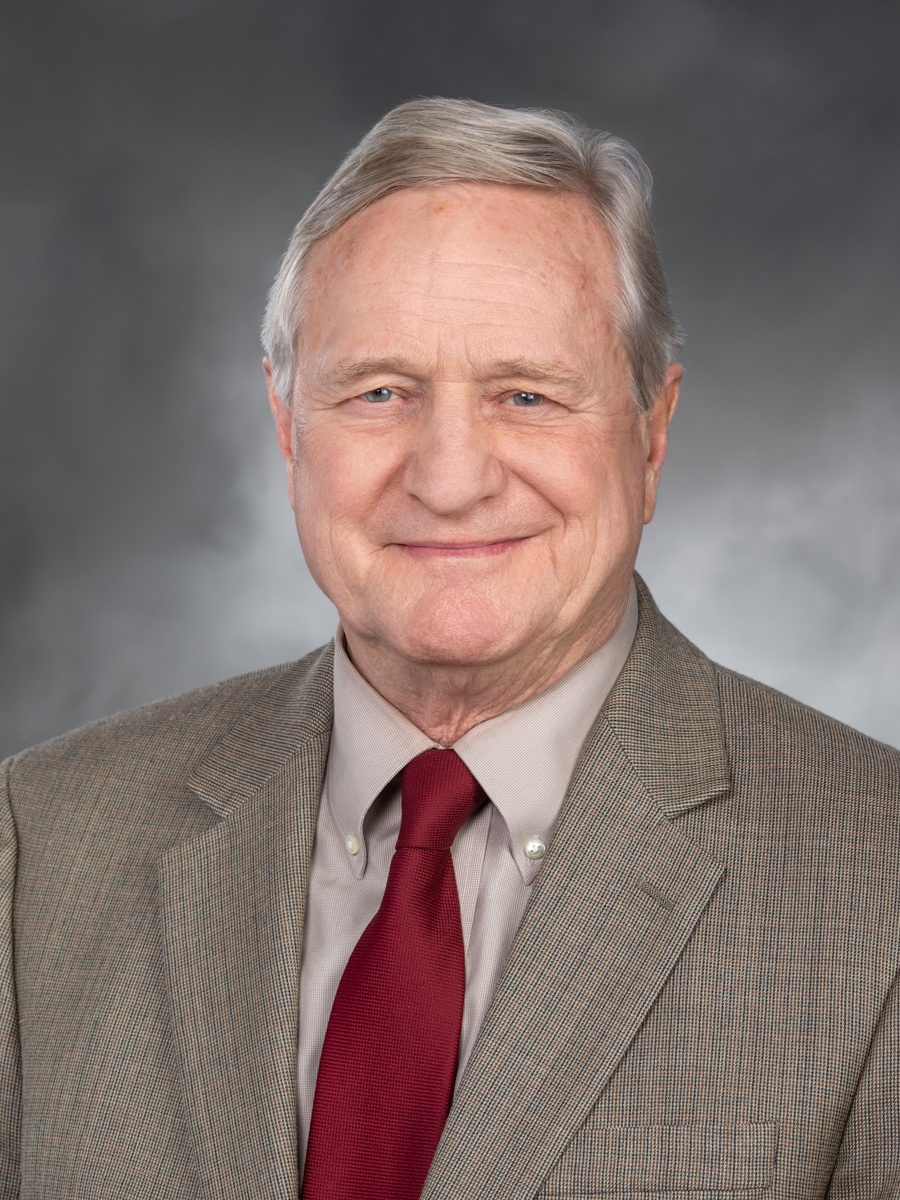
Steve Tharinger
91% support rate
Top opponent
Jim McCune
16% support rate
Ranked legislators
10
5 support · 5 oppose
Key legislators

Who's moving criminal justice in Washington

Legislators moving criminal justice in Washington
Legislator Party Stance Support rate Votes
Steve Tharinger
Steve Tharinger House · District 24
D
Strong +
91% 99
Tina Orwall
Tina Orwall Senate · District 33
D
Strong +
90% 124
Annette Cleveland
Annette Cleveland Senate · District 49
D
Strong +
88% 125
Jess Bateman
Jess Bateman Senate · District 22
D
Strong +
88% 125
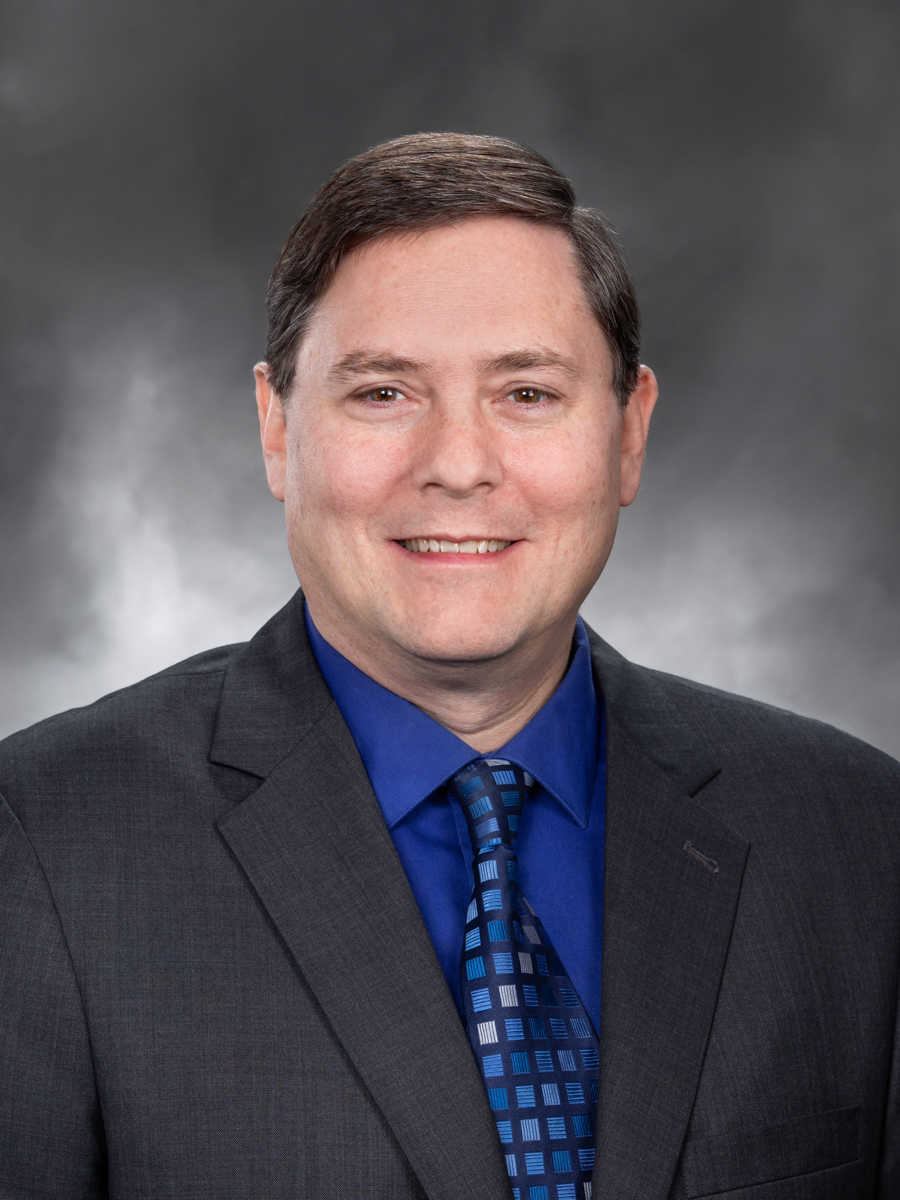
Derek Stanford
Derek Stanford Senate · District 1
D
Strong +
88% 125
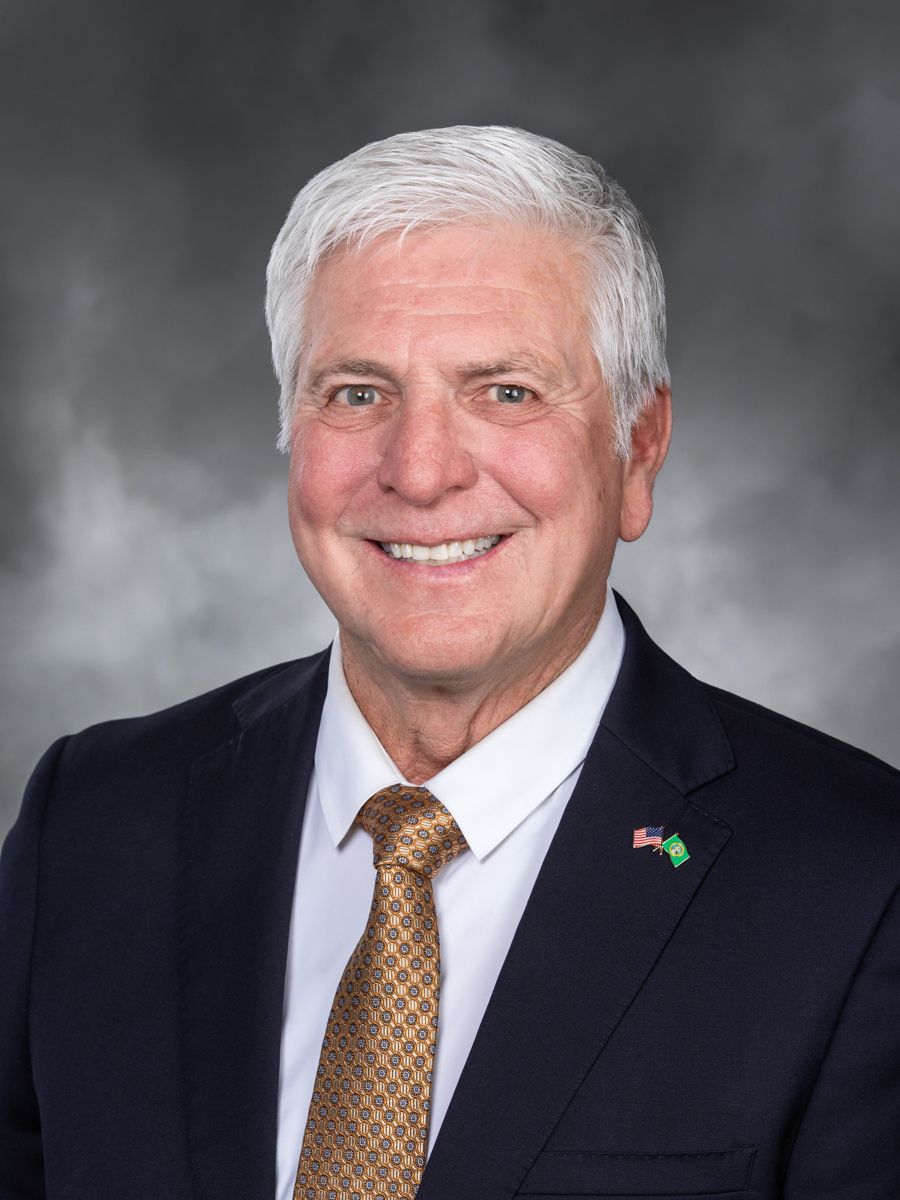
Jim McCune
Jim McCune Senate · District 2
R
Strong −
16% 125
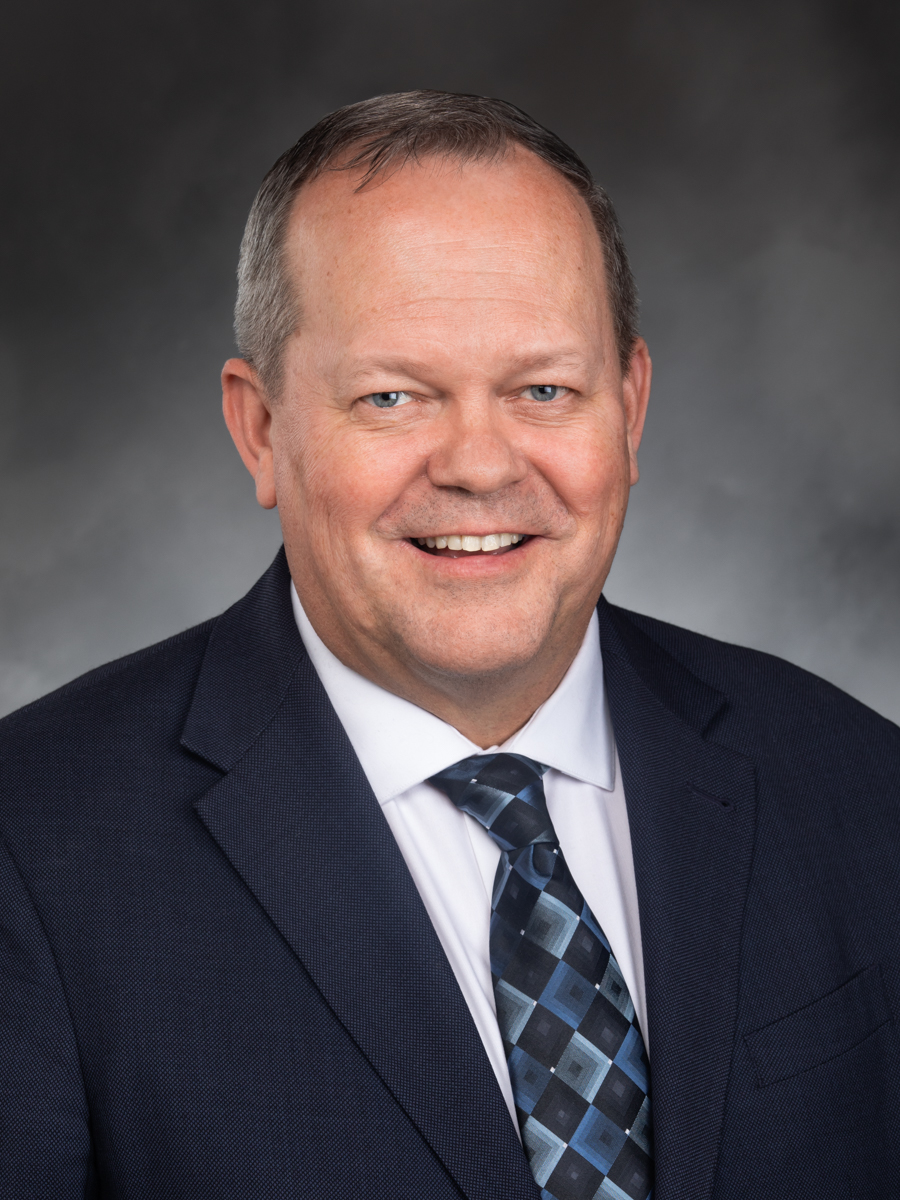
Perry Dozier
Perry Dozier Senate · District 16
R
Strong −
17% 125
Leonard Christian
Leonard Christian Senate · District 4
R
Strong −
17% 125
Matt Boehnke
Matt Boehnke Senate · District 8
R
Strong −
17% 125
Jeff Wilson
Jeff Wilson Senate · District 19
R
Strong −
18% 121
Showing 31–40 of 72 bills

All criminal justice bills

in committee · Washington · House Jan 12, 2026

HB 1799: Concerning persons convicted of violent offenses with a firearm.

HB 1799 prohibits individuals convicted of violent offenses involving a firearm from earning early release credits toward their prison sentences. Specifically, it amends Washington state law to deny all "good time credits" or "earned release time" for sentences resulting from violent crimes where a firearm was used as a deadly weapon. This directly affects people sentenced for violent felonies with firearm enhancements under existing law (RCW 9.94A.533), preventing them from reducing their sentences through behavior-based credits. The bill does not change sentencing lengths but restricts a key mechanism for early release for this specific group of offenders.
in committee · Washington · House Jan 12, 2026

HB 1074: Excluding any person who is convicted of a hit and run resulting in death from being eligible for a first-time offender waiver.

HB 1074 amends Washington State law to exclude individuals convicted of hit-and-run offenses resulting in death (under RCW 46.52.020(4)(a)) from eligibility for first-time offender waivers. This change directly affects people convicted of such hit-and-run cases, preventing them from accessing the alternative sentencing program available to other first-time felony offenders. The bill adds this specific offense to the list of disqualifying crimes in RCW 9.94A.650, ensuring these offenders must face standard sentencing without the waiver option.
Sub-Topics Sentencing
in committee · Washington · House Jan 12, 2026

HB 1968: Concerning endangerment with a controlled substance.

HB 1968 makes it a crime to knowingly expose a child or dependent adult to fentanyl, synthetic opioids, or methamphetamine precursors (like ephedrine or anhydrous ammonia). It specifically targets situations where a caregiver allows a vulnerable person to come into contact with these substances, excluding medical use. The law exempts child welfare workers and their staff from criminal liability under this provision, and violations would be charged as a class B felony. This bill directly affects parents, guardians, and caregivers who endanger vulnerable individuals through substance exposure.
Sub-Topics Drug Policy
in committee · Washington · House Jan 12, 2026

HB 1629: Concerning restrictions on the placement of inmates of different biological sexes in correctional facilities.

HB 1629 prohibits housing inmates in shared cells or rooms with someone of a different biological sex if the inmate has a prior conviction or current charges for a sex offense, violent offense, or domestic violence against a victim of the same sex as the potential roommate. This rule directly affects inmates in Washington state correctional facilities and the staff managing housing assignments. The bill defines "history of sexual or physical violence" as current charges or prior convictions for offenses listed in RCW 9.94A.030. It creates a new requirement for correctional facilities to follow this placement policy.
in committee · Washington · Senate Jan 12, 2026

SB 5153: Transferring certain individuals from the department of children, youth, and families to the department of corrections at age 18.

SB 5153 changes Washington state law to transfer youth convicted of felonies under age 18 from the Department of Children, Youth, and Families (DCYF) to the Department of Corrections (DOC) at age 18, instead of keeping them in DCYF until age 25. This applies to most felony convictions, with an exception requiring immediate transfer at 18 for "serious violent offenses" (as defined in RCW 9.94A.030). The bill amends RCW 72.01.410 and 13.40.280 to eliminate required hearings for these transfers. It directly affects youth under 18 convicted as adults who were previously retained in juvenile facilities beyond age 18.
in committee · Washington · Senate Jan 12, 2026

SB 5267: Ensuring that offenders who are incarcerated and commit murder may be charged with the death penalty.

SB 5267 allows prosecutors to seek the death penalty for inmates who commit murder while already serving a prison sentence. It requires prosecutors to submit such cases to a special death penalty review panel, which includes prosecutors, the attorney general, and corrections officials. The panel must recommend whether the death penalty should be pursued based on factors like mitigating circumstances and its impact on deterrence. If the panel recommends the death penalty, prosecutors have 30 days to file notice for a special sentencing hearing; otherwise, the death penalty cannot be sought. This bill directly affects incarcerated individuals convicted of murder during their imprisonment.
Sub-Topics Corrections Sentencing
in committee · Washington · House Jan 12, 2026

HB 1323: Making obstructing highways a crime.

HB 1323 makes it a crime to intentionally block state highways with three or more people without a permit, particularly when the action creates safety risks like impeding ambulances or causing injury. Organizers face class C felony charges with a minimum 30-day jail sentence and $5,000 fine (non-reducible below $1,000), while participants could face serious misdemeanor penalties. The law specifically targets dangerous blockades that endanger public safety or obstruct emergency response, not peaceful protests. It requires courts to impose minimum penalties for violations, including prior offenses.
Sub-Topics Corrections
in committee · Washington · House Jan 12, 2026

HB 1255: Funding the removal of illegal and dangerous encampments.

HB 1255 requires counties and cities to adopt local ordinances banning camping on public property within 500 feet of schools, parks, courthouses, and other specified areas (like zones with recent violent incidents or water contamination risks) by May 2027. Jurisdictions that adopt these ordinances become eligible for state funding to support encampment removal efforts, while non-compliant areas face annual funding reductions. The bill defines "camp" broadly to include tents, shelters, and related equipment, excluding designated recreational camping areas. Compliance requires annual reports and certifications to the Department of Commerce, with funding tied directly to adherence to the ordinance requirements.
Sub-Topics Homelessness
in committee · Washington · House Jan 12, 2026

HB 1178: Concerning sentencing enhancements.

HB 1178 modifies Washington's sentencing laws to impose stricter penalties for crimes committed to benefit criminal gangs. It expands the definition of "criminal street gang-related offense" to include any felony or misdemeanor committed for reasons like gaining gang membership, controlling criminal markets (e.g., drug trafficking), or retaliating against witnesses. This affects offenders convicted of such crimes, potentially leading to longer sentences under amended sentencing code sections. The bill amends specific laws (RCW 9.94A.030, 9.94A.533, etc.) to implement these sentencing enhancements.
Sub-Topics Sentencing
in committee · Washington · Senate Jan 12, 2026

SB 5333: Concerning penalties related to eluding police vehicles and resisting arrest.

SB 5333 (Washington State) increases penalties for drivers who repeatedly attempt to elude police vehicles. It allows police to seize and forfeit a vehicle used in a second conviction for eluding police or resisting arrest, following a prior impoundment (even without a conviction). The bill requires a court conviction before forfeiture, provides procedures for owners to claim their vehicles back within 60 days, and permits seized vehicles to be sold or kept by police to fund traffic safety programs. This directly affects drivers with prior offenses who are convicted of repeat eluding or resisting arrest.
Showing 31 to 40 of 72 bills
Previous 1 3 4 5 8 Next