Issue · Criminal Justice

Criminal Justice (Victims' Rights)

Every criminal justice bill, vote, and legislator stance in Washington, automatically classified by Maddy, our AI policy reader.

Total bills
29
2025-2026 Regular Session
Top supporter
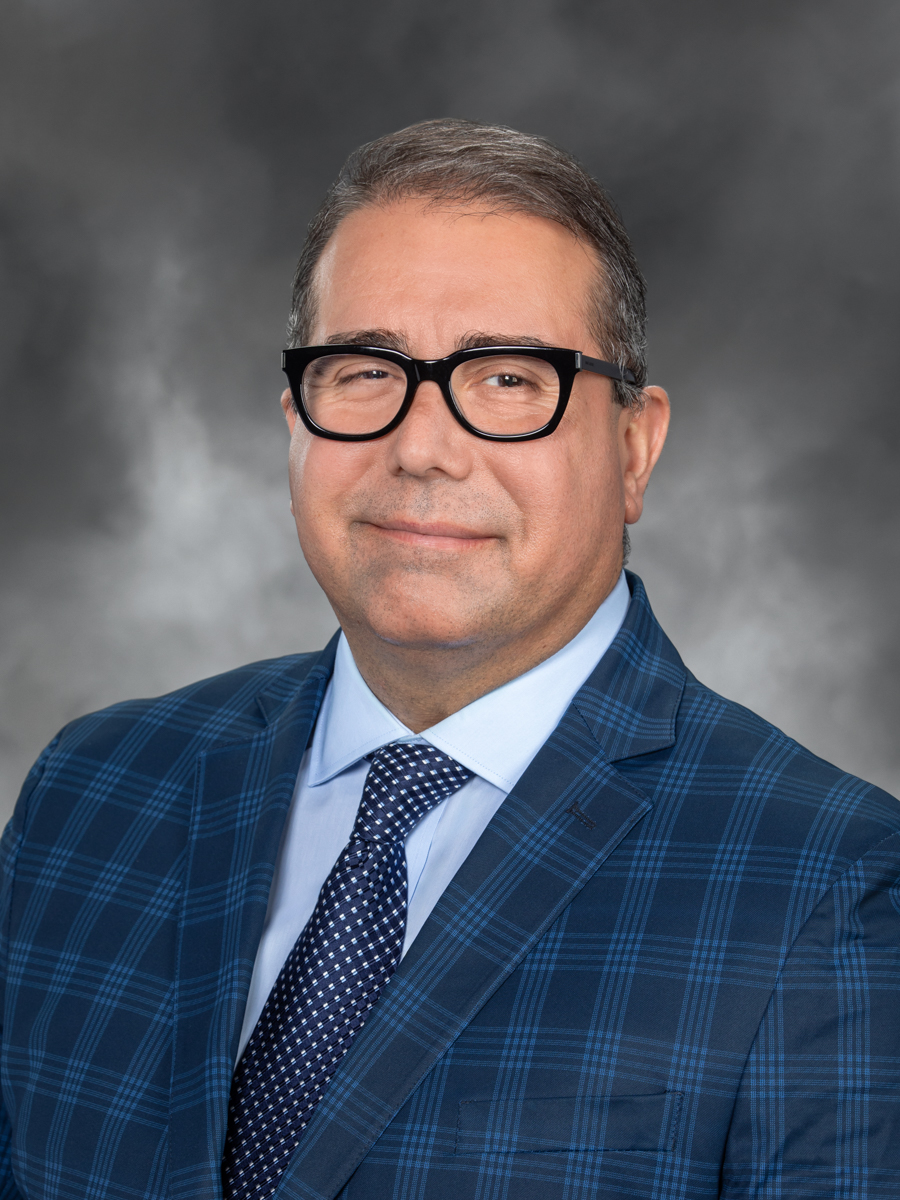
Adrian Cortes
100% support rate
Top opponent
-
no data yet
Ranked legislators
2
2 support · 0 oppose
Key legislators

Who's moving victims' rights in Washington

Legislators moving victims' rights in Washington
Legislator Party Stance Support rate Votes
Adrian Cortes
Adrian Cortes Senate · District 18
D
Strong +
100% 3
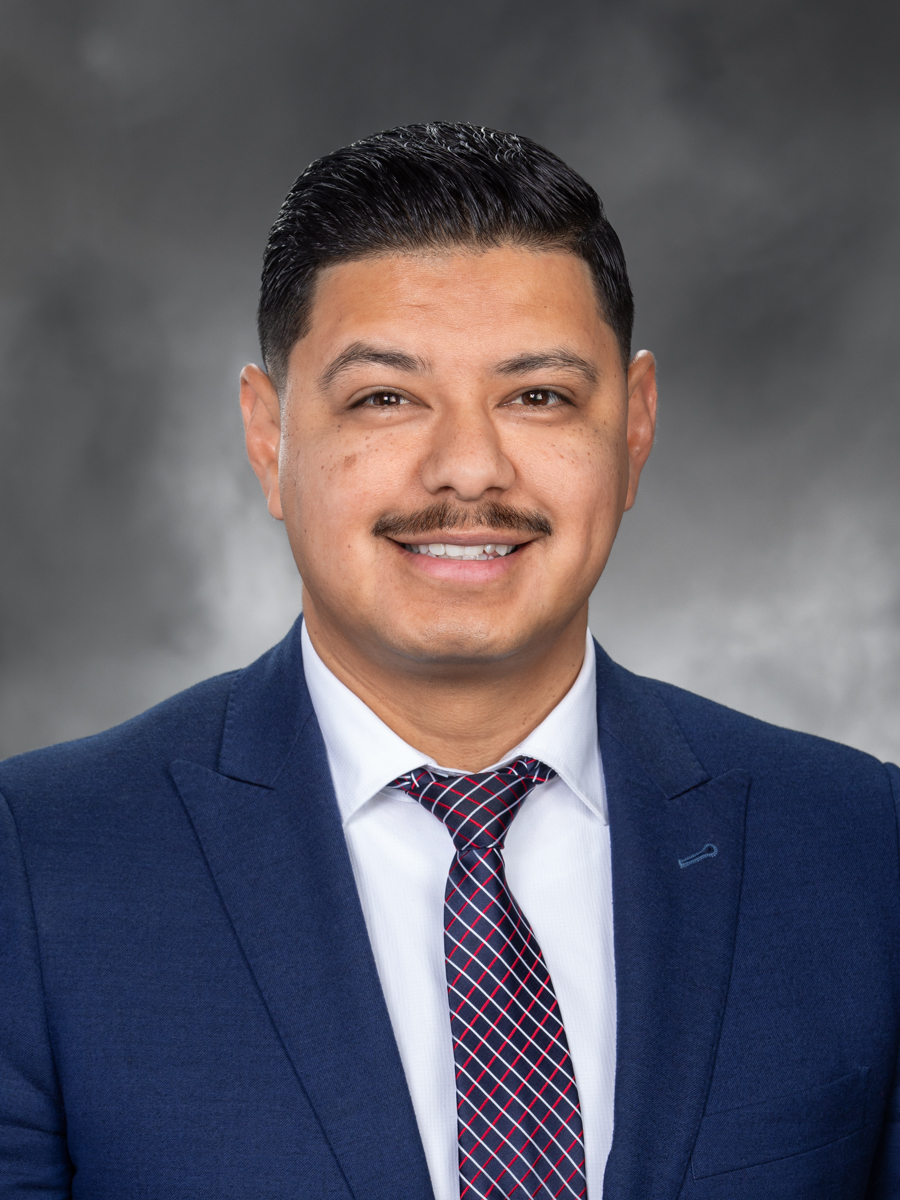
Julio Cortes
Julio Cortes House · District 38
D
Strong +
100% 3
Showing 11–20 of 29 bills

All criminal justice bills

in committee · Washington · Senate Jan 13, 2026

SB 6083: Discouraging violent protests at postsecondary institutions by amending a court's ability to waive restitution owed to postsecondary institutions.

SB 6083 modifies Washington state law to prevent courts from waiving restitution payments owed to postsecondary institutions (like public universities) when offenders claim inability to pay due to financial hardship. Specifically, it removes an exception allowing courts to relieve offenders of restitution obligations to schools if they are deemed indigent, ensuring such payments must be enforced regardless of the offender's financial situation. This bill directly affects individuals convicted of violent protests causing property damage at colleges or universities, requiring them to pay restitution for damages. The change applies to court-ordered restitution for criminal offenses resulting in harm to postsecondary institution property, as defined under RCW 28B.10.016. It does not impact restitution for other victims or peaceful protest-related cases.
Sub-Topics Courts Victims' Rights
in committee · Washington · Senate Feb 26, 2026

SB 6017: Supporting crime victims and witnesses by promoting victim-centered, trauma-informed responses.

SB 6017 creates a new procedure for sexual assault and domestic violence cases where the defendant is representing themselves (pro se). It allows courts or standby counsel to conduct direct questioning of victim witnesses during trial if the court finds the victim would suffer severe trauma from the defendant's presence, the prosecutor prepared the victim, and no less restrictive method exists. The defendant retains the right to submit written questions for the court to ask during this process. The bill requires courts to make specific findings on the record to balance victim protection with the defendant's constitutional rights. This policy change aims to reduce trauma for victims while maintaining fair trial procedures.
in committee · Washington · House Jan 20, 2026

HB 2102: Concerning legal financial obligations.

HB 2102 eliminates certain unenforceable legal financial obligations (LFOs) for offenders in Washington State, including costs, fees, and accrued interest on restitution or other debts. It automatically voids these debts after the bill’s effective date, prohibits courts from accepting payments for them, and allows judges to waive uncollectible portions of LFOs upon offender request. The bill also stops interest accrual on criminal fines and fees as of June 7, 2018, and updates collection procedures for existing debts. This directly affects individuals with outstanding criminal or civil LFOs, particularly those deemed uncollectible. The law clarifies that courts may not enforce or collect these specific debts while preserving mechanisms for individual court-based relief.
Sub-Topics Courts Victims' Rights
in committee · Washington · House Jan 12, 2026

HB 1229: Resentencing of individuals sentenced as a persistent offender.

HB 1229 allows individuals sentenced as persistent offenders or receiving exceptional sentences (to avoid persistent offender status) due to a second-degree robbery conviction to seek resentencing. It requires public defense offices to review cases where second-degree robbery was used to establish persistent offender status or as part of a plea agreement, and to file motions for resentencing if eligible. The bill mandates courts to resentence these individuals as if second-degree robbery was not the "most serious offense" at sentencing, effectively removing it from consideration in sentencing calculations. This policy change applies to both current sentences and future cases after July 2021, ensuring second-degree robbery no longer qualifies as a "most serious offense" for persistent offender sentencing.
signed · Washington · Senate Mar 25, 2026

SB 5520: Concerning the wrongly convicted persons act.

SB 5520 reforms Washington State's process for compensating people wrongfully convicted of felonies they did not commit. It directly affects individuals who were convicted but later cleared through new evidence, such as overturned convictions or pardons based on innocence. Key provisions require claimants to prove they were actually innocent (did not commit the charged crime), present "significant new exculpatory information" not considered at trial, and have their conviction reversed or vacated based on that evidence. The bill also establishes a clear standard of "clear and convincing evidence" for claims and ensures claims are reviewed without bias related to race, gender, or criminal history. This update simplifies the legal path to compensation for those exonerated.
Sub-Topics Victims' Rights
in committee · Washington · Senate Jan 12, 2026

SB 5256: Concerning victims' participation in hearings conducted by the indeterminate sentence review board.

SB 5256 requires the Washington Indeterminate Sentence Review Board to formally consider victims' objections when deciding whether to release offenders convicted of sex offenses. The bill mandates that victims of these crimes can present statements and object on record during hearings, with the board giving "great weight" to their objections and making written findings on them. It also requires county prosecutors to forward victim impact statements and contact information to the board as part of the review process. This policy change directly affects victims of sex offense convictions and the board's decision-making during parole hearings for such offenders.
in committee · Washington · House Jan 12, 2026

HB 1945: Establishing an office of the crime victims ombuds.

HB 1945 creates an independent office of the crime victims ombuds to advocate for individuals impacted by crime. The office will be operated by a private, nonprofit organization selected through a competitive bidding process by the Department of Commerce, not as a state agency. Key duties include referring victims to appropriate services, investigating complaints about justice system failures, protecting victim confidentiality, and monitoring service delivery procedures. The office expires July 1, 2027, and operates outside existing state government structures.
Sub-Topics Victims' Rights
in committee · Washington · House Jan 12, 2026

HB 1892: Concerning the establishment of liability standards for state legislators.

HB 1892 allows individuals injured by someone released before trial (due to a law making pretrial release easier for violent offenders) to sue state legislators who voted for that law. It requires legislators to conduct a written risk assessment analyzing public safety risks, victim rights, and alternatives to pretrial detention before voting. If a court finds a legislator "intentionally, knowingly, or recklessly disregarded" public harm risks when voting, they face personal liability for legal costs and damages - overriding typical legislative immunity. The bill applies only to injuries occurring after its effective date and does not affect existing legal defenses for legislators.
Sub-Topics Courts Victims' Rights
in committee · Washington · Senate Jan 12, 2026

SB 5295: Updating Washington's sexual assault survivor bill of rights.

SB 5295 updates Washington's sexual assault survivor bill of rights to align with federal grant requirements. It directly affects survivors of sexual assault (including minors through guardians) and requires medical facilities, law enforcement, prosecutors, and courts to provide specific protections. Key provisions include: free medical forensic exams, written notices about victim compensation and evidence handling, referrals to sexual assault programs, access to advocates throughout legal proceedings, preservation of sexual assault kits upon request, and free copies of police reports. The bill ensures survivors retain all rights regardless of participation in criminal proceedings, with legal remedies limited to court orders for denied rights.
in committee · Washington · Senate Jan 12, 2026

SB 5362: Concerning victims of crime act funding.

SB 5362 creates a new state Victims of Crime Act account in Washington's treasury to stabilize funding for victim services. Starting in fiscal year 2026, it mandates annual state transfers from the general fund: $50 million yearly for 2026-2029, increasing to $60 million for 2030-2033, then $70 million annually thereafter. Funds must supplement (not replace) existing victim services funding, cannot cover capital projects, and may be used to match federal funds. The Office of Crime Victims Advocacy must report on service needs and funding levels every five years, with a first report due in 2039. This bill directly affects county-level victim service programs across Washington state.
Showing 11 to 20 of 29 bills