Issue · Criminal Justice

Criminal Justice (Juvenile Justice)

Every criminal justice bill, vote, and legislator stance in Washington, automatically classified by Maddy, our AI policy reader.

Total bills
49
2025-2026 Regular Session
Top supporter
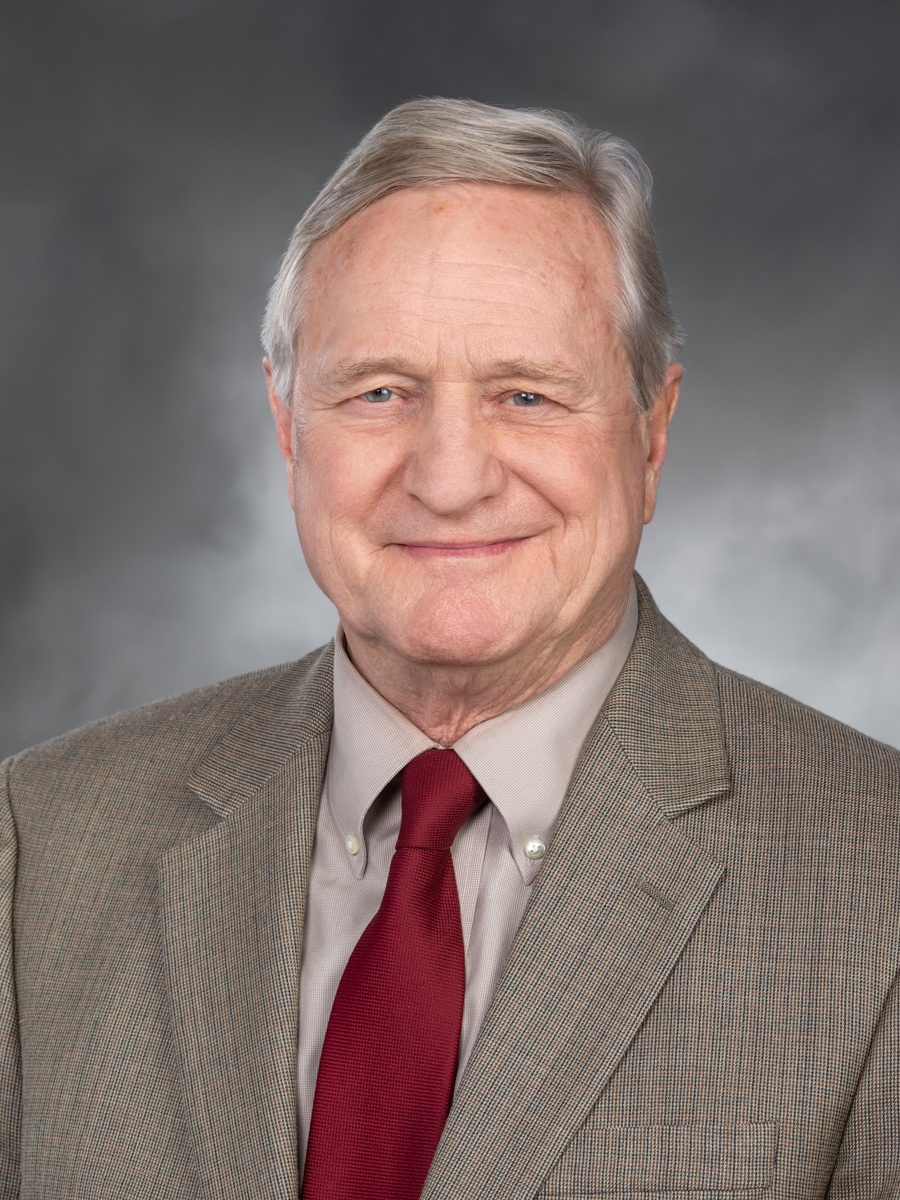
Steve Tharinger
100% support rate
Top opponent
Dave Stuebe
0% support rate
Ranked legislators
10
5 support · 5 oppose
Key legislators

Who's moving juvenile justice in Washington

Legislators moving juvenile justice in Washington
Legislator Party Stance Support rate Votes
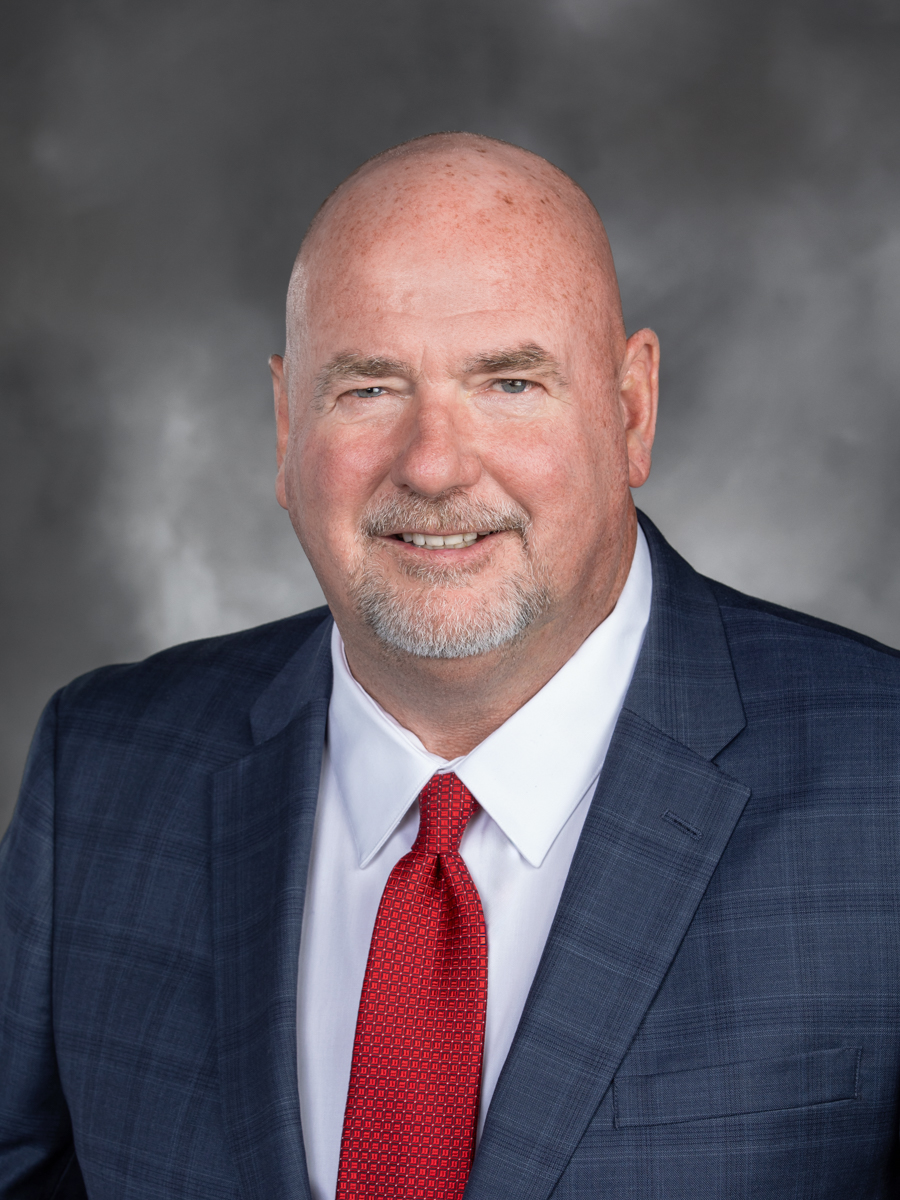
Steve Tharinger
Steve Tharinger House · District 24
D
Strong +
100% 5
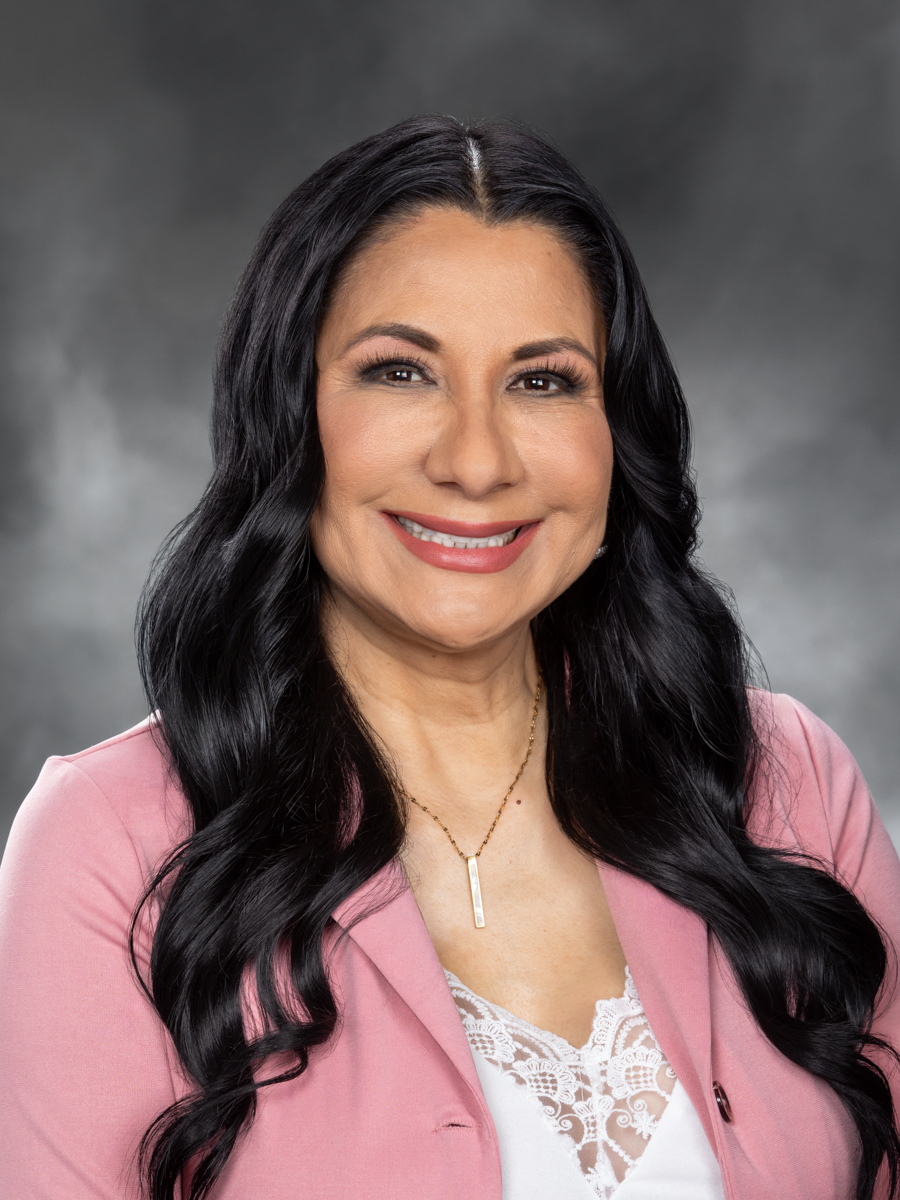
Gloria Mendoza
Gloria Mendoza House · District 14
R
Support
78% 18
Tina Orwall
Tina Orwall Senate · District 33
D
Support
78% 9
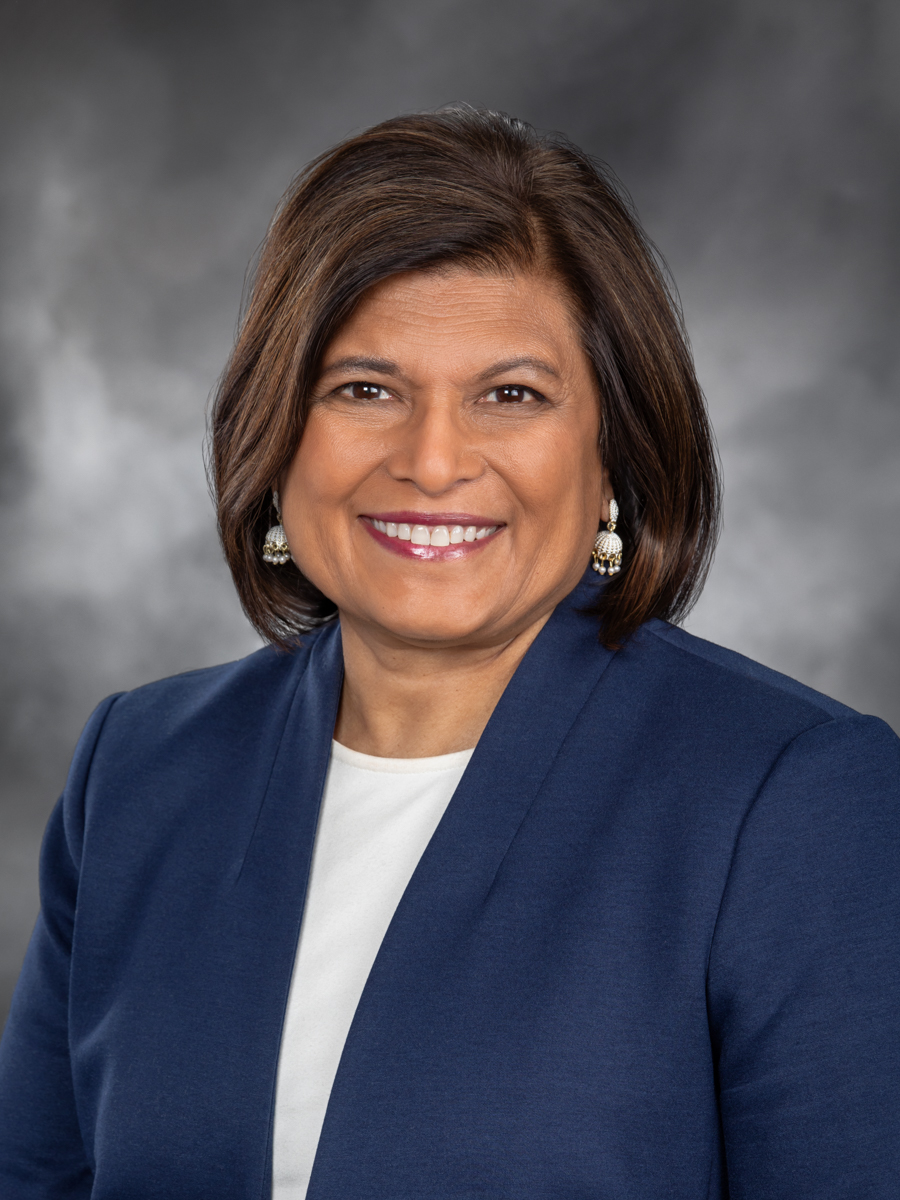
Vandana Slatter
Vandana Slatter Senate · District 48
D
Support
78% 9
Adison Richards
Adison Richards House · District 26
D
Support
75% 20
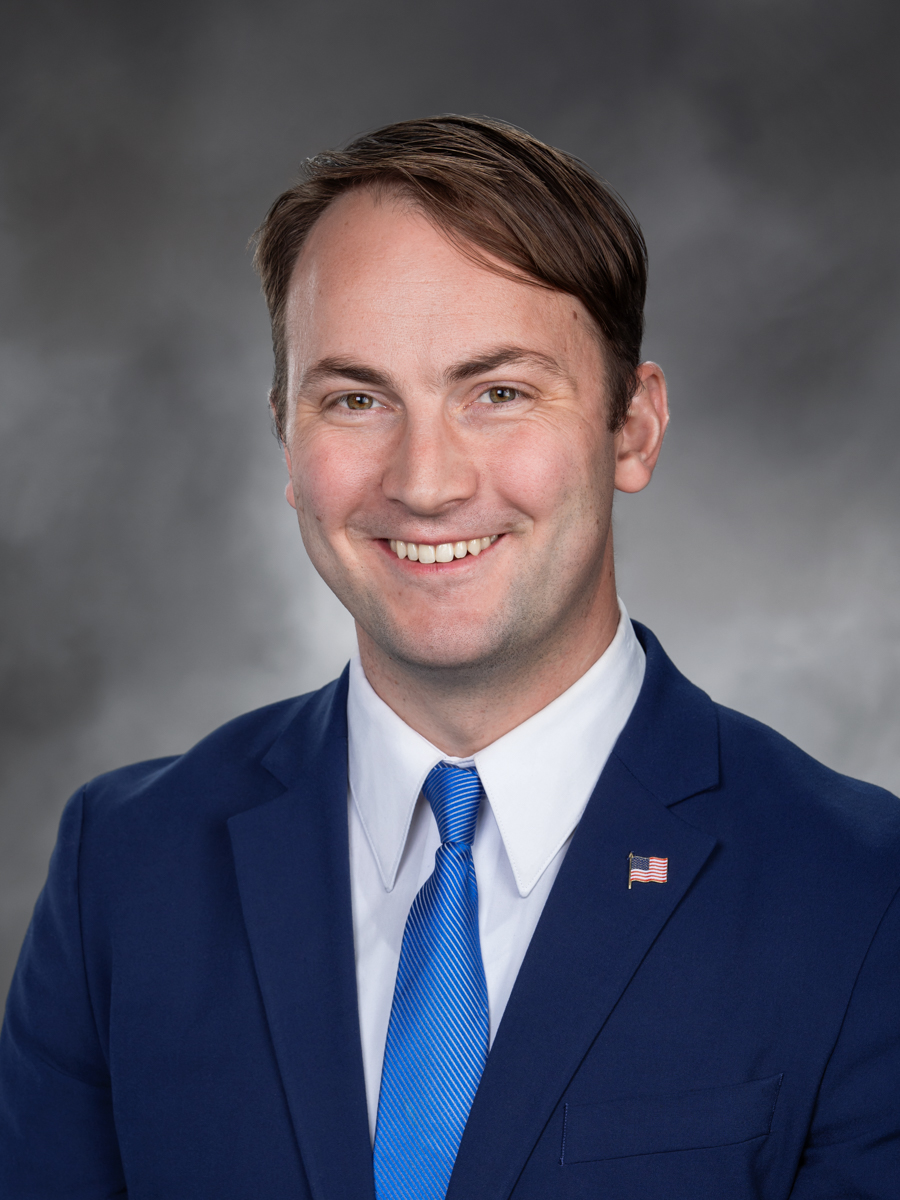
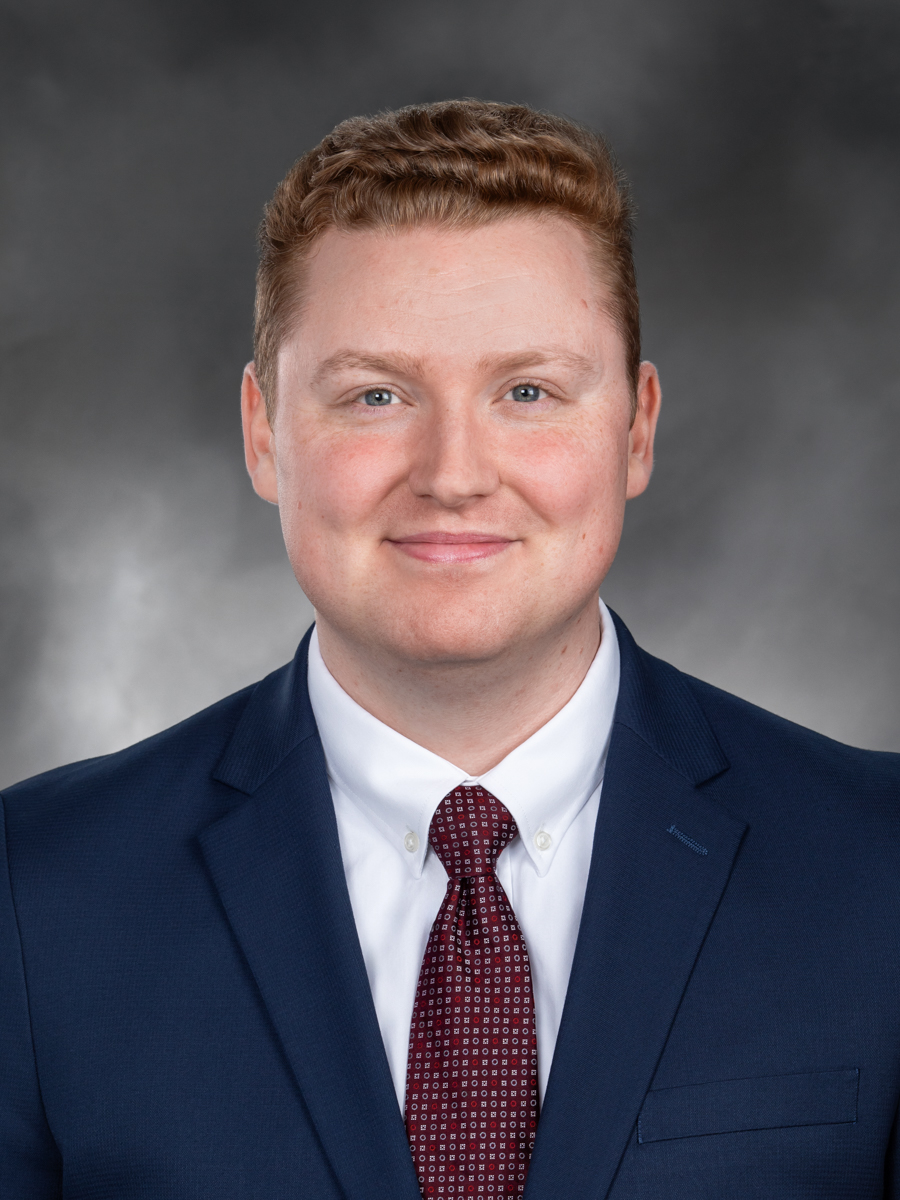
Dave Stuebe
Dave Stuebe House · District 17
R
Strong −
0% 5
Jeremie Dufault
Jeremie Dufault House · District 15
R
Strong −
0% 5
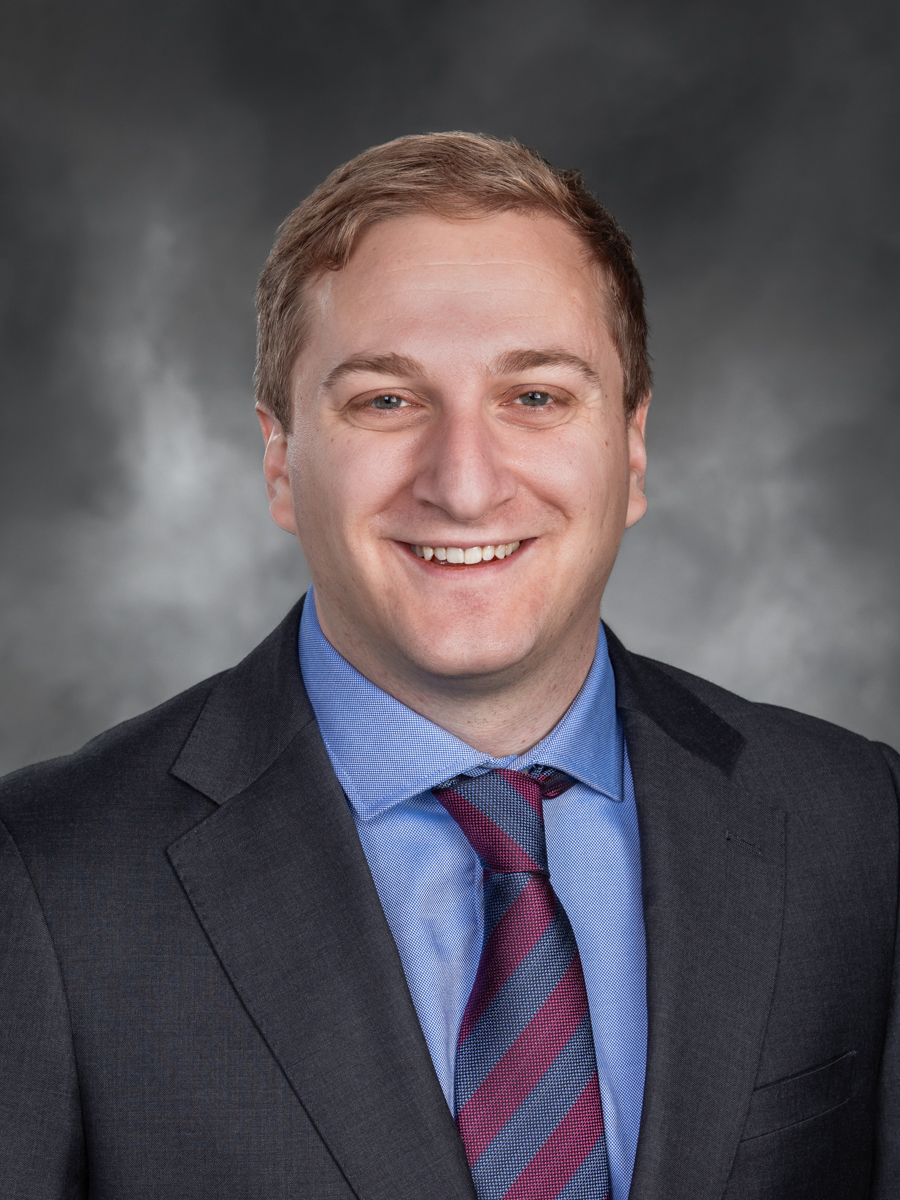
Zach Hall
Zach Hall House · District 5
D
Strong −
12% 16
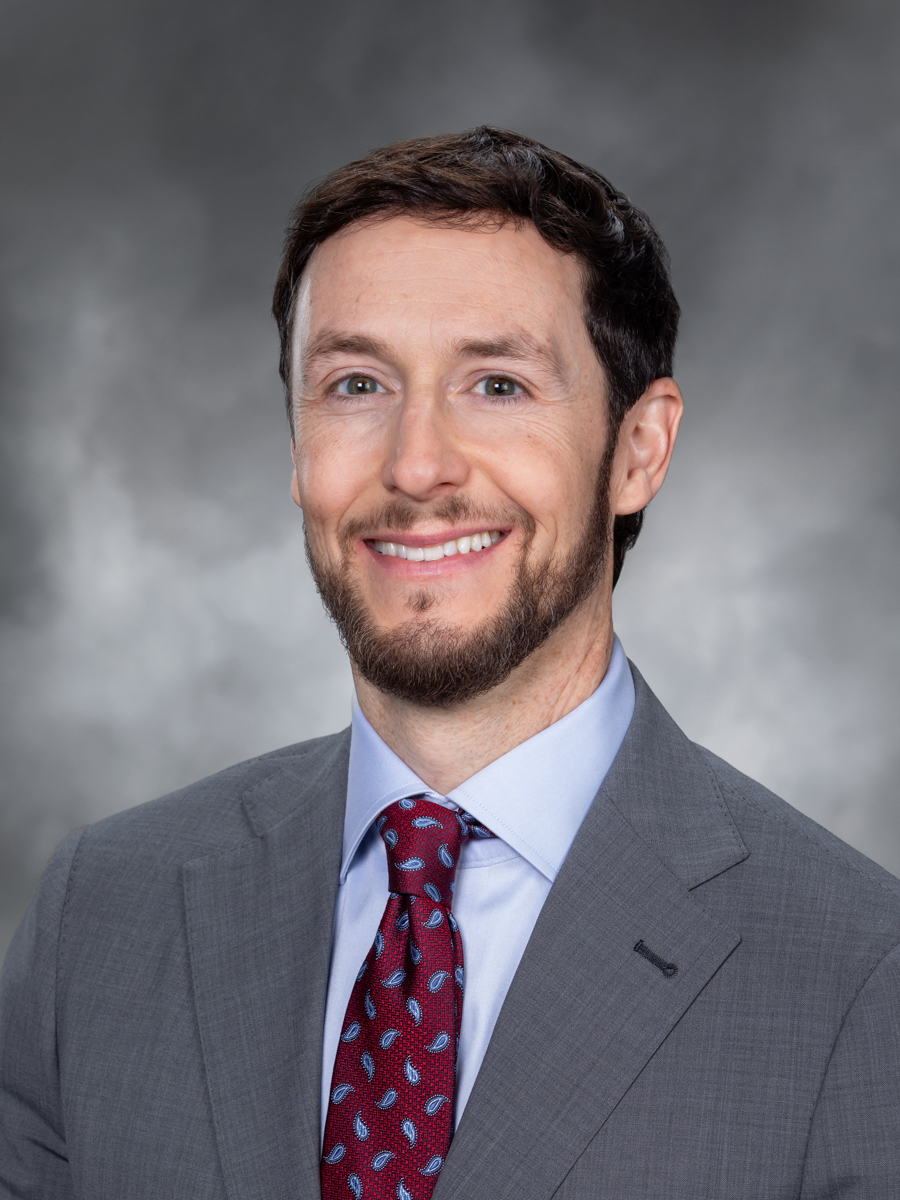
Adam Bernbaum
Adam Bernbaum House · District 24
D
Oppose
25% 20
Lauren Davis
Lauren Davis House · District 32
D
Oppose
25% 20
Showing 11–20 of 49 bills

All criminal justice bills

in committee · Washington · Senate Feb 2, 2026

SB 6203: Concerning out-of-state convictions.

SB 6203 clarifies how Washington courts must count out-of-state convictions when calculating an offender's sentencing score under state law. It requires that out-of-state convictions (including foreign convictions meeting due process standards) be classified using Washington's offense definitions, rather than their original jurisdiction's classifications. The bill specifically excludes out-of-state convictions that would have been handled in juvenile court under Washington law, unless they match murder or Class A felony sex offenses. This directly affects defendants with prior convictions from other states or countries who are being sentenced in Washington courts.
in committee · Washington · Senate Jan 29, 2026

SB 5945: Modifying the definition of persistent offender to exclude convictions for offenses committed by someone under the age of 18 and providing for resentencing.

SB 5945 modifies Washington's "persistent offender" definition to exclude convictions for crimes committed before age 18, directly affecting individuals sentenced as adults for juvenile offenses. The bill requires courts to consider resentencing these individuals to align with current constitutional standards established by U.S. Supreme Court rulings (Miller v. Alabama) and Washington state court decisions (State v. Bassett). Key provisions amend sentencing laws to ensure juvenile offenses no longer count toward "persistent offender" status, reflecting scientific understanding that youth have greater potential for rehabilitation. This change applies to people currently incarcerated for such cases, correcting a legal inconsistency where juvenile offenses were still used to impose harsh sentences despite court rulings.
in committee · Washington · Senate Jan 12, 2026

SB 5426: Improving developmentally appropriate alternatives for youth outside the formal court process.

SB 5426 expands access to non-court alternatives for youth in Washington state by requiring courts to offer standardized diversion programs. It defines community-based rehabilitation services (like counseling, education, or restorative justice programs) and sets requirements for residential treatment referrals. The bill mandates data tracking to monitor diversion effectiveness across counties, addressing inconsistent access to these programs. These changes aim to reduce reliance on formal court processing for youth offenders while improving accountability.
signed · Washington · Senate May 19, 2025

SB 5032: Expanding the duties of the office of the family and children's ombuds to include juvenile rehabilitation facilities operated by the department of children, youth, and families.

Senate Bill 5032 expands the responsibilities of the Office of the Family and Children's Ombuds. It extends the ombuds' oversight to include juvenile rehabilitation facilities operated by the Department of Children, Youth, and Families (DCYF). This allows the ombuds to investigate complaints, monitor procedures, and review these facilities. To facilitate this, DCYF must grant the ombuds access to facilities, individuals in custody, and relevant records, including the juvenile rehabilitation case management system.
Sub-Topics Juvenile Justice
passed · Washington · House Jan 12, 2026

HB 2044: Addressing unexcused student absences.

HB 2044 revises how unexcused student absences are addressed by school districts, affecting students and their parents. The bill eliminates the requirement for school districts to file truancy petitions before a child's fifth unexcused absence. Instead, after a fifth unexcused absence, districts are directed to enter into an attendance agreement with the parent or child (if age eight or above), either directly or through a community engagement board. Truancy petitions to juvenile court are now generally required only if an attendance agreement is not reached or not complied with, and typically not before the child's 15th unexcused absence in a school year.
in committee · Washington · House Jan 12, 2026

HB 1197: Making 2023-2025 fiscal biennium second supplemental operating appropriations.

HB 1197 is a supplemental appropriations bill funding state court operations and specific programs for the 2023-2025 fiscal biennium. It allocates funds primarily to state courts (e.g., $28.6 million for the Court of Appeals in FY 2025) and counties for juvenile justice services ($7 million annually for truancy and youth case management), court security in rural areas ($1 million), and an equity dashboard program ($1.35 million for data collection on justice disparities). The bill directs specific funding streams for court-appointed attorneys, lactation spaces in courthouses, and opioid settlement fund uses. These appropriations directly affect state courts, county juvenile programs, and local court facilities across Washington.
in committee · Washington · Senate Jan 12, 2026

SB 5153: Transferring certain individuals from the department of children, youth, and families to the department of corrections at age 18.

SB 5153 changes Washington state law to transfer youth convicted of felonies under age 18 from the Department of Children, Youth, and Families (DCYF) to the Department of Corrections (DOC) at age 18, instead of keeping them in DCYF until age 25. This applies to most felony convictions, with an exception requiring immediate transfer at 18 for "serious violent offenses" (as defined in RCW 9.94A.030). The bill amends RCW 72.01.410 and 13.40.280 to eliminate required hearings for these transfers. It directly affects youth under 18 convicted as adults who were previously retained in juvenile facilities beyond age 18.
in committee · Washington · Senate Jan 12, 2026

SB 5760: Establishing a colocated community facility and work release center in the general administration building on the state capitol campus.

SB 5760 establishes the Washington Capitol Reentry Center in the historic general administration building on the state capitol campus in Olympia. It creates a colocated community facility and work release center specifically for qualifying adult and juvenile inmates, aiming to place them near elected officials for legislative engagement. The bill directs the departments of Children, Youth, and Families and Corrections to jointly operate the center, using the existing building (noted for its architectural significance) and requiring specific community notice before implementation. This is a procedural change relocating an existing program to a new location, not altering eligibility or sentencing laws.
in committee · Washington · Senate Jan 12, 2026

SB 5230: Providing exceptions for juvenile access to attorney.

SB 5230 requires law enforcement to provide juveniles (under 18) with access to an attorney before they waive constitutional rights during police questioning, detention for suspected crimes, or consent to searches. The bill mandates this consultation cannot be waived and prohibits using statements made without it in court, unless specific exceptions apply. Exceptions include when police believe a juvenile is a trafficking victim (with strict limits on using the information), when an imminent life threat requires immediate questioning, or for certain serious traffic or violent offenses. The law also clarifies that juveniles can direct legal counsel to assert rights on their behalf, and waivers must follow established procedures. This changes current practice by strengthening attorney access protections during critical police interactions with minors.
in committee · Washington · House Jan 12, 2026

HB 1053: Concerning juvenile access to an attorney.

This bill requires Washington law enforcement to provide minors under 18 with attorney access before questioning them while in custody, detaining them based on probable cause, or asking for consent to search their property. The consultation cannot be waived, and any statements made without it are inadmissible in court unless specific exceptions apply (such as trafficking victim situations or imminent threats to life). It also ensures juveniles can direct their attorney to assert constitutional rights during police interactions. The law affects all minors under 18 in Washington during police encounters involving these scenarios.
Showing 11 to 20 of 49 bills
Previous 1 2 3 5 Next