Issue · Criminal Justice

Criminal Justice

Every criminal justice bill, vote, and legislator stance in Washington, automatically classified by Maddy, our AI policy reader.

Total bills
294
2025-2026 Regular Session
Top supporter
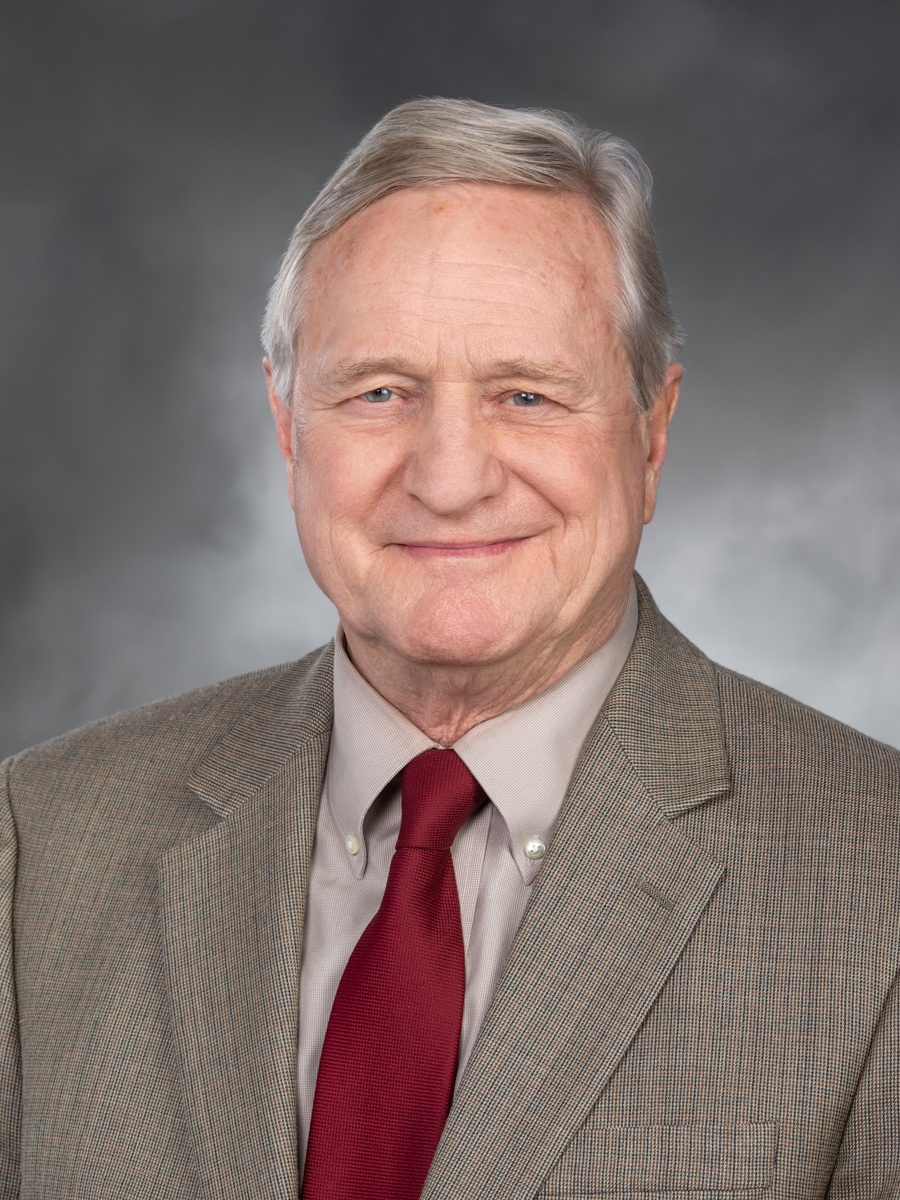
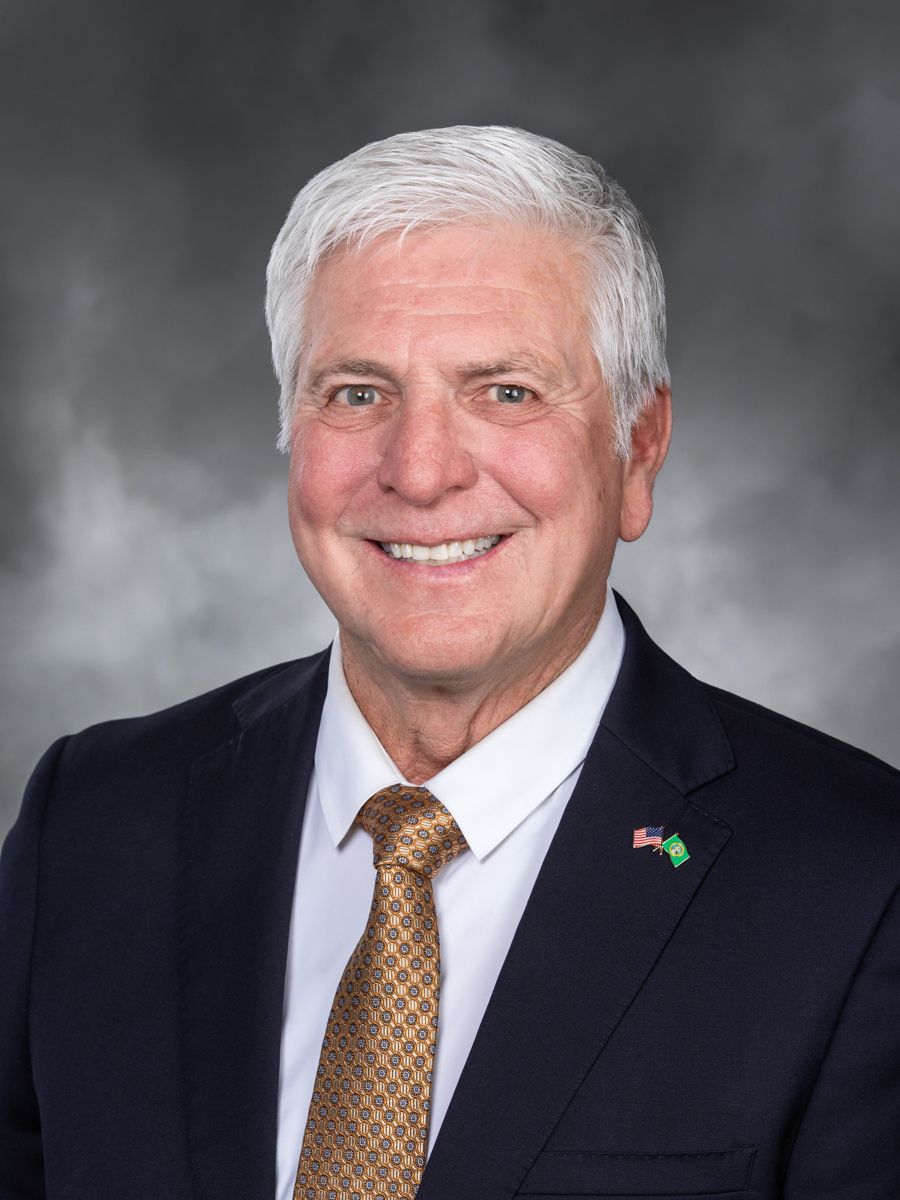
Steve Tharinger
91% support rate
Top opponent
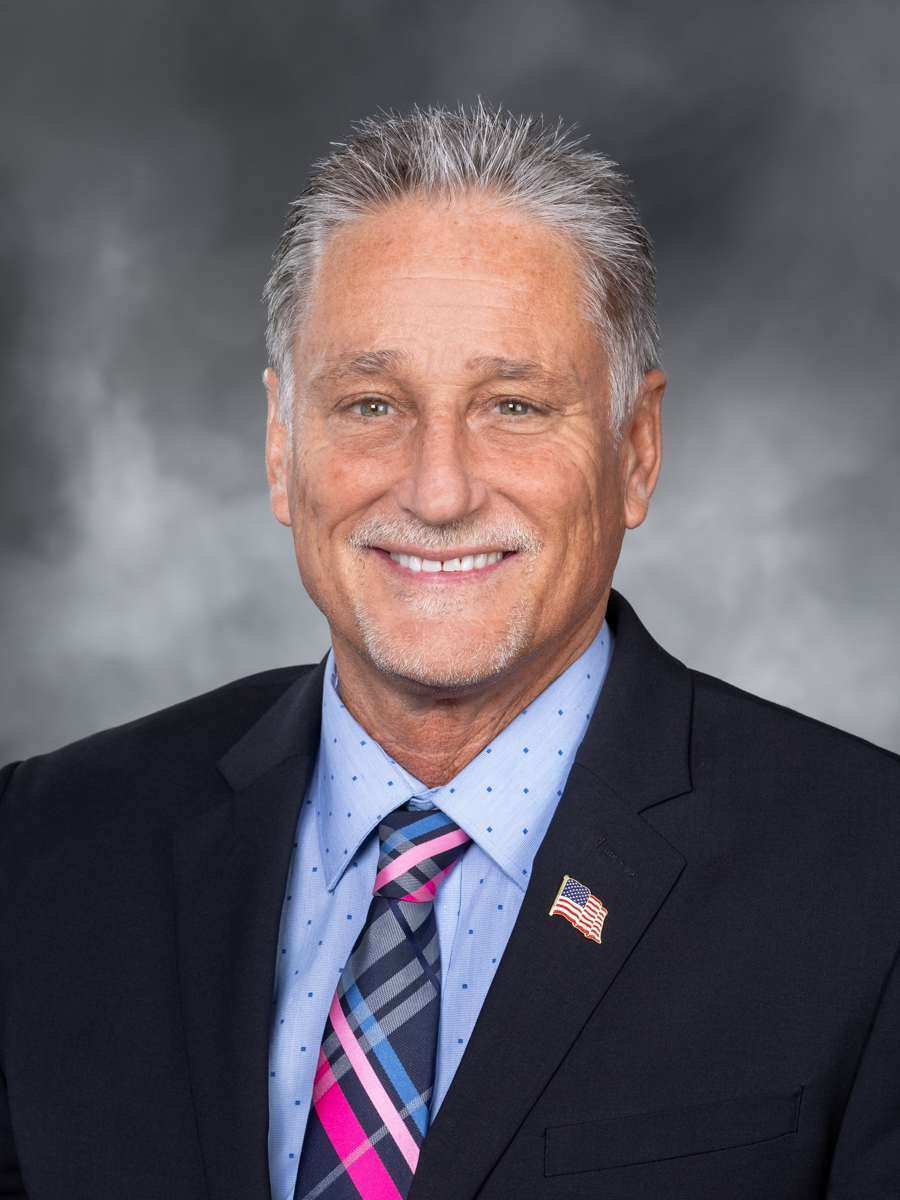
Jim McCune
16% support rate
Ranked legislators
10
5 support · 5 oppose
Key legislators

Who's moving criminal justice in Washington

Legislators moving criminal justice in Washington
Legislator Party Stance Support rate Decisive votes
Steve Tharinger
Steve Tharinger House · District 24
D
Strong +
91% 43
Tina Orwall
Tina Orwall Senate · District 33
D
Strong +
90% 58
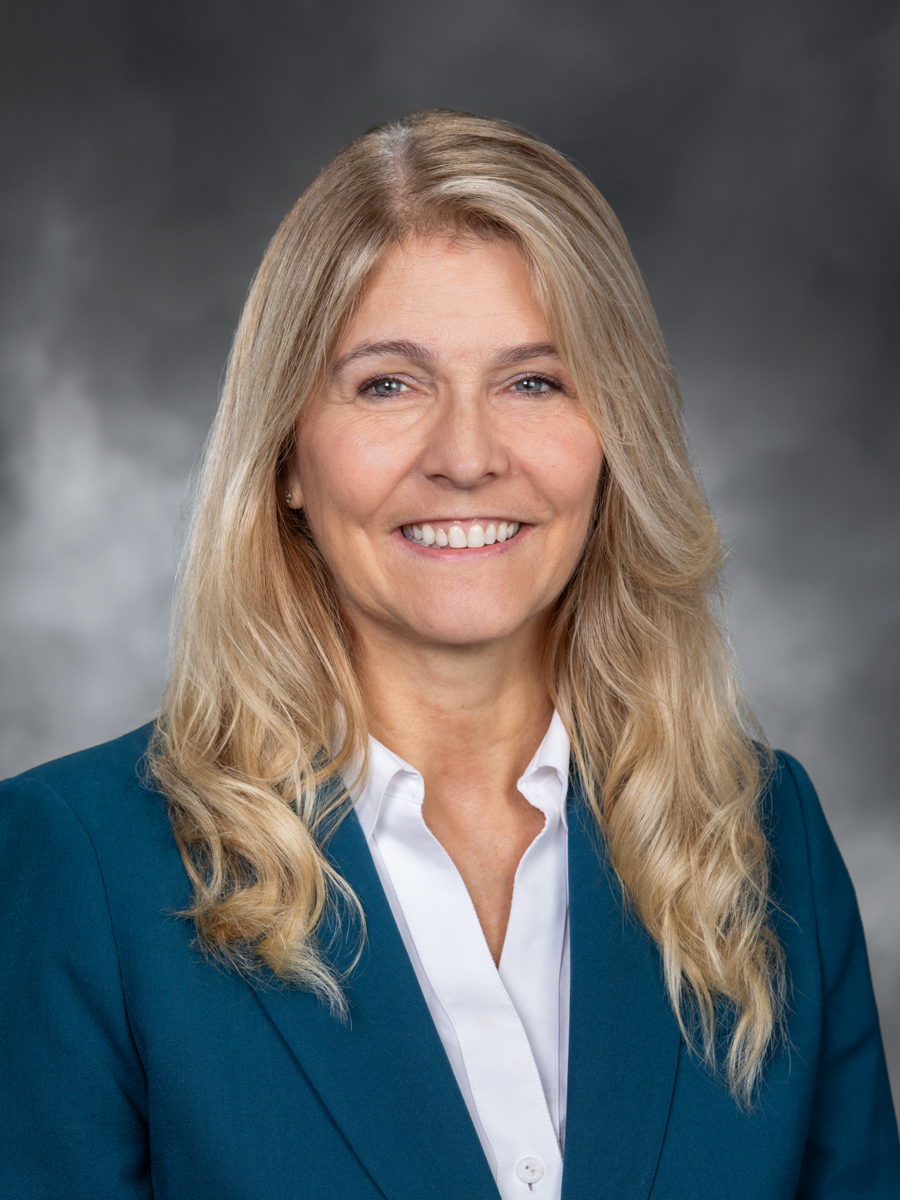
Annette Cleveland
Annette Cleveland Senate · District 49
D
Strong +
88% 58
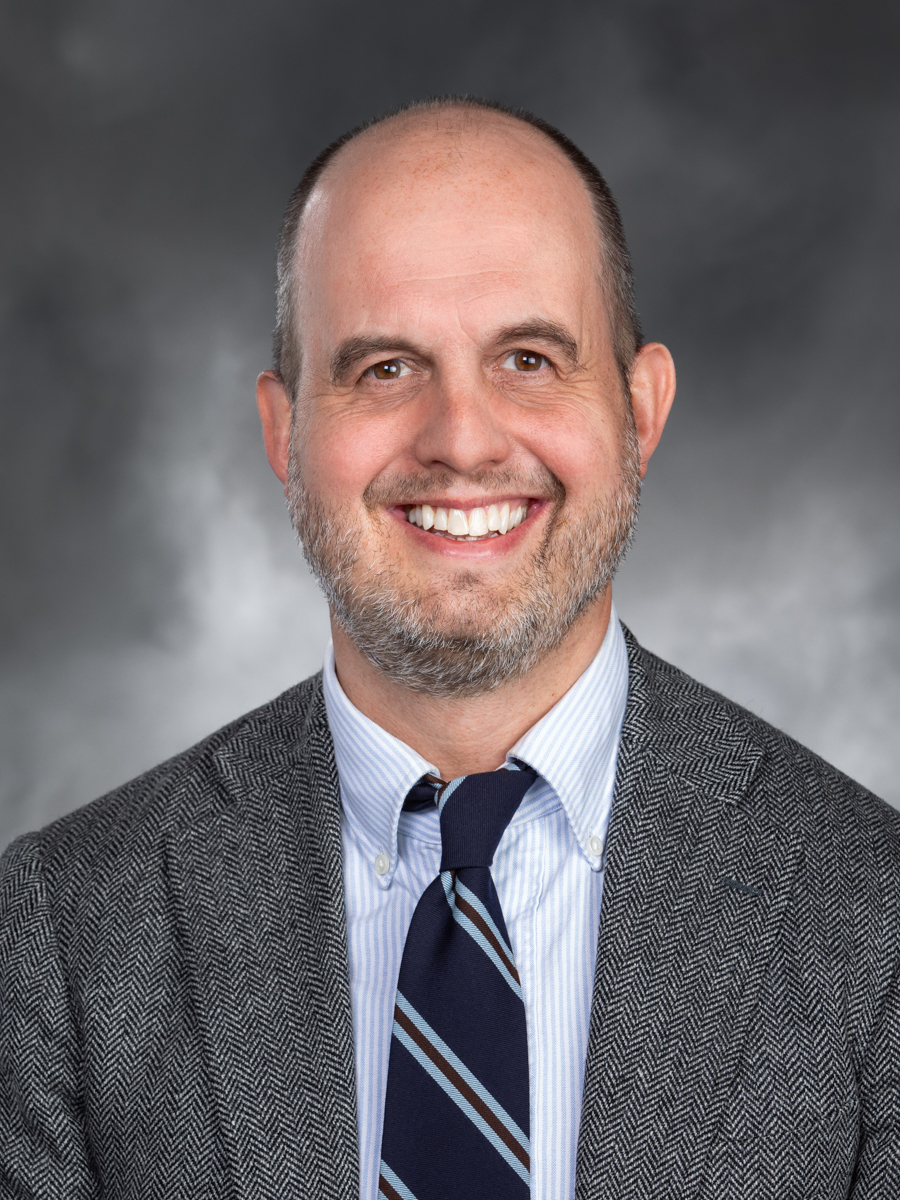
Derek Stanford
Derek Stanford Senate · District 1
D
Strong +
88% 58
Drew Hansen
Drew Hansen Senate · District 23
D
Strong +
88% 58
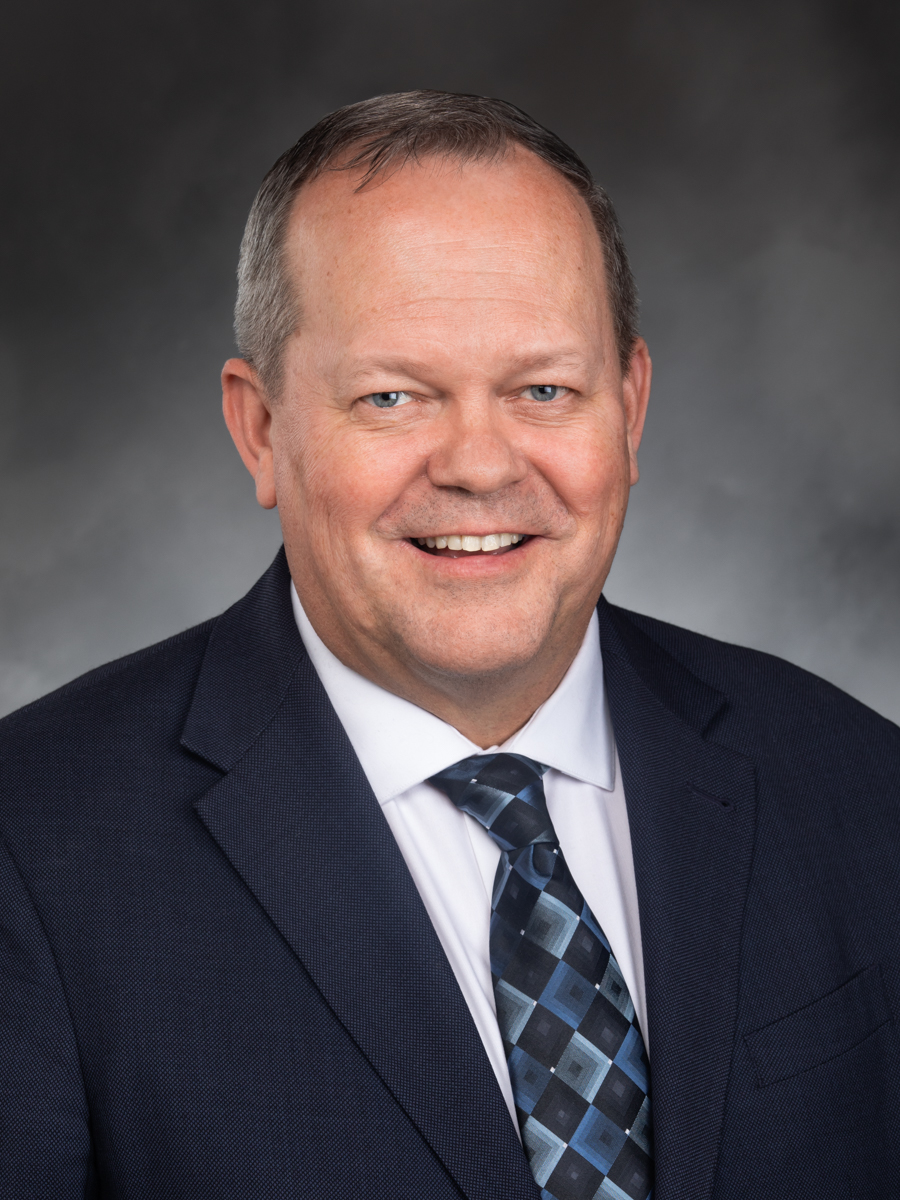
Jim McCune
Jim McCune Senate · District 2
R
Strong −
16% 58
Leonard Christian
Leonard Christian Senate · District 4
R
Strong −
17% 58
Matt Boehnke
Matt Boehnke Senate · District 8
R
Strong −
17% 58
Perry Dozier
Perry Dozier Senate · District 16
R
Strong −
17% 58
Jeff Wilson
Jeff Wilson Senate · District 19
R
Strong −
18% 57
Showing 161–170 of 294 bills

All criminal justice bills

in committee · Washington · Senate Jan 12, 2026

SB 5532: Establishing standards for civil proceedings and unprofessional conduct involving child abuse and domestic violence.

SB 5532 requires mandatory training for court personnel handling child abuse and domestic violence cases, including judges, guardians ad litem, and mediators. It mandates 20 hours of initial training and 15 hours every five years, covering all abuse types (sexual, physical, psychological), trauma, bias, and evidence-based best practices. The bill also updates guardian ad litem appointment procedures to ensure qualified personnel are selected through a rotational registry system. These changes aim to improve court decisions in child welfare cases by standardizing education and oversight.
signed · Washington · Senate Apr 4, 2025

SB 5128: Concerning the provision of medical assistance to individuals in juvenile detention facilities.

SB 5128 requires Washington state to maintain Medicaid coverage for youth in juvenile detention facilities without interruption. It mandates that medical assistance benefits be suspended (not terminated) during detention, allows youth to apply for coverage while confined, and ensures full reinstatement of benefits immediately upon release. The bill creates a "suspense status" for applications during detention and requires coordination between state agencies, detention facilities, and healthcare providers to streamline coverage transitions. This directly affects youth in juvenile detention, Medicaid providers, and state agencies like the Department of Children, Youth, and Families. The law took effect July 27, 2025, after being signed by the Governor on April 4, 2025.
signed · Washington · House May 20, 2025

HB 1131: Concerning clemency and pardons.

HB 1131 updates state laws regarding clemency, pardons, and the supervision of individuals by the Department of Corrections. The bill clarifies the department's responsibilities for supervising individuals on probation or community custody, including those convicted of specific offenses or identified as high-risk. It explicitly mandates departmental supervision for individuals granted conditional clemency by the governor, provided a term of community custody is included in the commutation conditions. Additionally, the legislation consistently replaces the term "offenders" with "individuals" throughout the relevant statutes governing supervision.
signed · Washington · House Apr 25, 2025

HB 1815: Concerning prison riot offenses.

HB 1815 modifies laws concerning prison riot offenses, specifically for those committed in juvenile facilities. The bill clarifies that juvenile detention centers are not considered "correctional institutions" for adult prison riot offenses. It allows individuals to apply to have their records of conviction or adjudication for these offenses vacated if they occurred in a facility operated by the Department of Children, Youth, and Families or a county juvenile detention facility. Additionally, it creates a process to review and potentially reduce sentences for individuals whose past "prison riot" convictions from juvenile facilities were used to enhance their later adult sentences.
in committee · Washington · House Jan 12, 2026

HB 1736: Concerning procedures and requirements for reporting and investigating missing persons.

HB 1736 establishes new procedures for reporting and investigating missing persons in Washington State. It requires law enforcement to file reports with the state patrol's missing persons unit after 30 days or if criminal activity is suspected, collect DNA samples with consent, and access dental records through written authorization. The bill mandates a statewide public website displaying missing persons' names, photos, and descriptions for at least 30 days, with regular updates to national systems. It repeals outdated laws about missing persons reporting (RCW 36.28A.110, 112, and 120) to streamline the process. These changes directly affect law enforcement agencies, families of missing persons, and the public through improved information sharing.
Sub-Topics Law Enforcement
in committee · Washington · House Jan 12, 2026

HB 2071: Generating resources to combat domestic violence by imposing an excise tax on owners of online dating applications.

HB 2071 imposes a monthly $1 tax on owners of online dating applications with Washington resident users, calculated based on the number of Washington residents (identified via address or IP) using the app each month. The tax applies to businesses owning 50% or more of such apps and funds must be deposited into a dedicated domestic violence services account for intervention programs and victim assistance. Owners must report resident user counts monthly and maintain records, with accounts inactive for 24+ months no longer taxable. The tax takes effect January 1, 2026, and directly affects online dating app companies operating in Washington.
signed · Washington · House Apr 21, 2025

HB 1028: Addressing child exposure to violence.

HB 1028 updates state law regarding child exposure to violence by revising key definitions. It broadens the definition of a "child forensic interview" to include interviews with children exposed to violence against another person, emphasizing culturally responsive and research-based methods. The bill also updates the definition of a "children's advocacy center" to reflect their role as trauma-informed, facility-based programs that support children traumatized by abuse or exposure to violence, adhering to national accreditation standards. These changes aim to improve the investigation and support for child victims and witnesses.
Tags Children
in committee · Washington · House Jan 12, 2026

HB 1435: Creating a law enforcement hiring grant program.

HB 1435 creates a state grant program to help local and tribal law enforcement agencies hire more officers. It provides up to 75% of entry-level salaries and benefits (capped at $125,000 per officer position) for 36 months, requiring a 25% local cash match. Grants cannot cover non-salary costs or fund officers recently hired by the same agency. The program requires agencies to apply through a formal process, report on hiring impacts, and includes a $100 million appropriation for fiscal year 2026.
in committee · Washington · Senate Jan 12, 2026

SB 5603: Juvenile access to attorneys when contacted by law enforcement.

This bill requires Washington law enforcement to provide juveniles (under age 18) with immediate access to an attorney before questioning or when they might waive constitutional rights during police contact. For jurisdictions over 1 million people, the attorney must consult in person; smaller areas may use phone or video. Statements made without this consultation are inadmissible in court unless the juvenile properly waived rights after meeting with a lawyer, or if exceptions apply (like imminent life threats or trafficking victim situations). The law aims to prevent coerced statements and ensure juveniles understand their rights before interacting with police.
in committee · Washington · House Jan 12, 2026

HB 1301: Concerning reducing fees and expenses for services for people confined in state facilities.

HB 1301 requires Washington state facilities to provide free communication services (including voice calls, video, and messaging) to people confined in state custody, eliminating fees for these services. It mandates that facilities maintain existing access to communication devices (like wall phones) and provide free tablets to incarcerated individuals. The bill prohibits facilities from charging fees or generating revenue from these services and explicitly states communication services cannot replace in-person visitation. It also requires transparency by making provider contracts and fee structures publicly available on facility websites and tablets. This law applies to both the Department of Corrections and Department of Children, Youth, and Families facilities.
Sub-Topics Corrections
Showing 161 to 170 of 294 bills
Previous 1 16 17 18 30 Next