Issue · Criminal Justice

Criminal Justice

Every criminal justice bill, vote, and legislator stance in Washington, automatically classified by Maddy, our AI policy reader.

Total bills
294
2025-2026 Regular Session
Top supporter
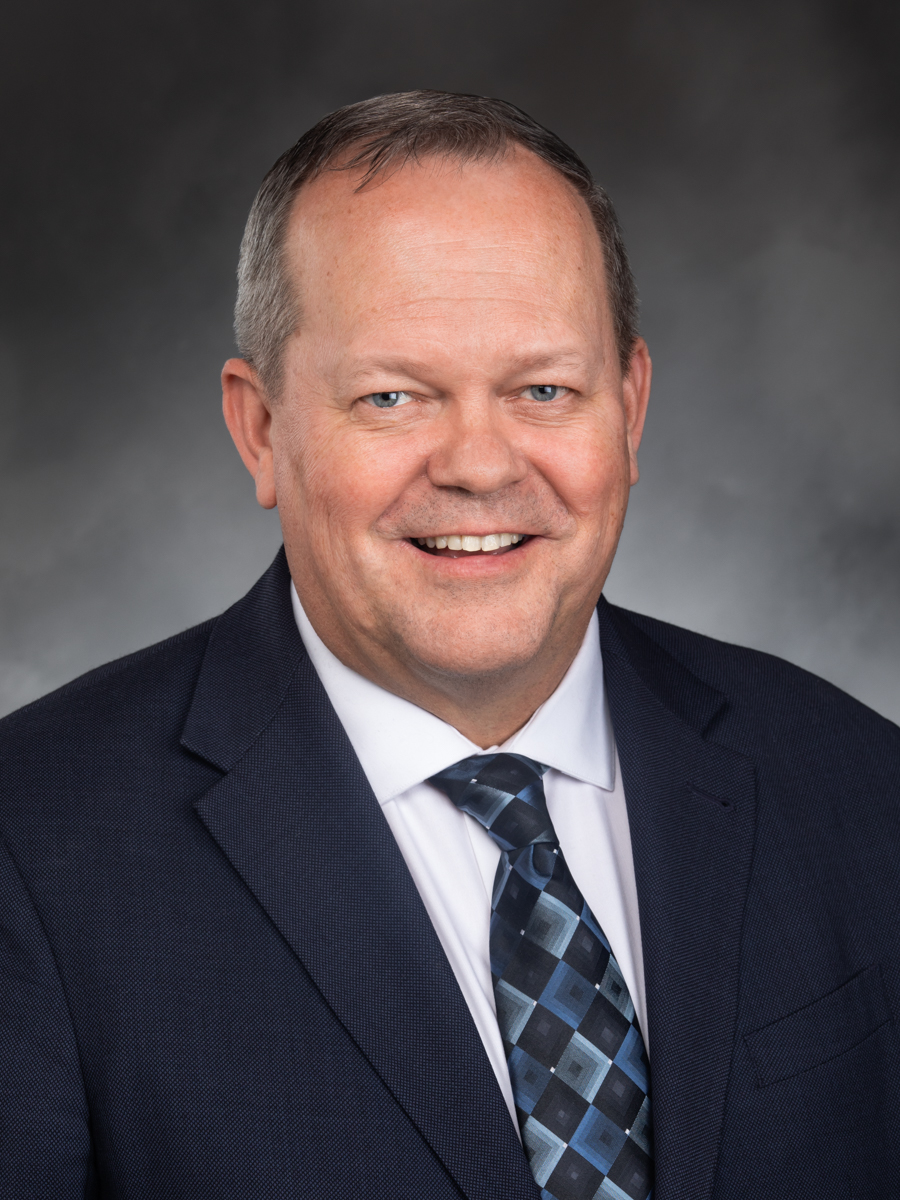
Steve Tharinger
91% support rate
Top opponent
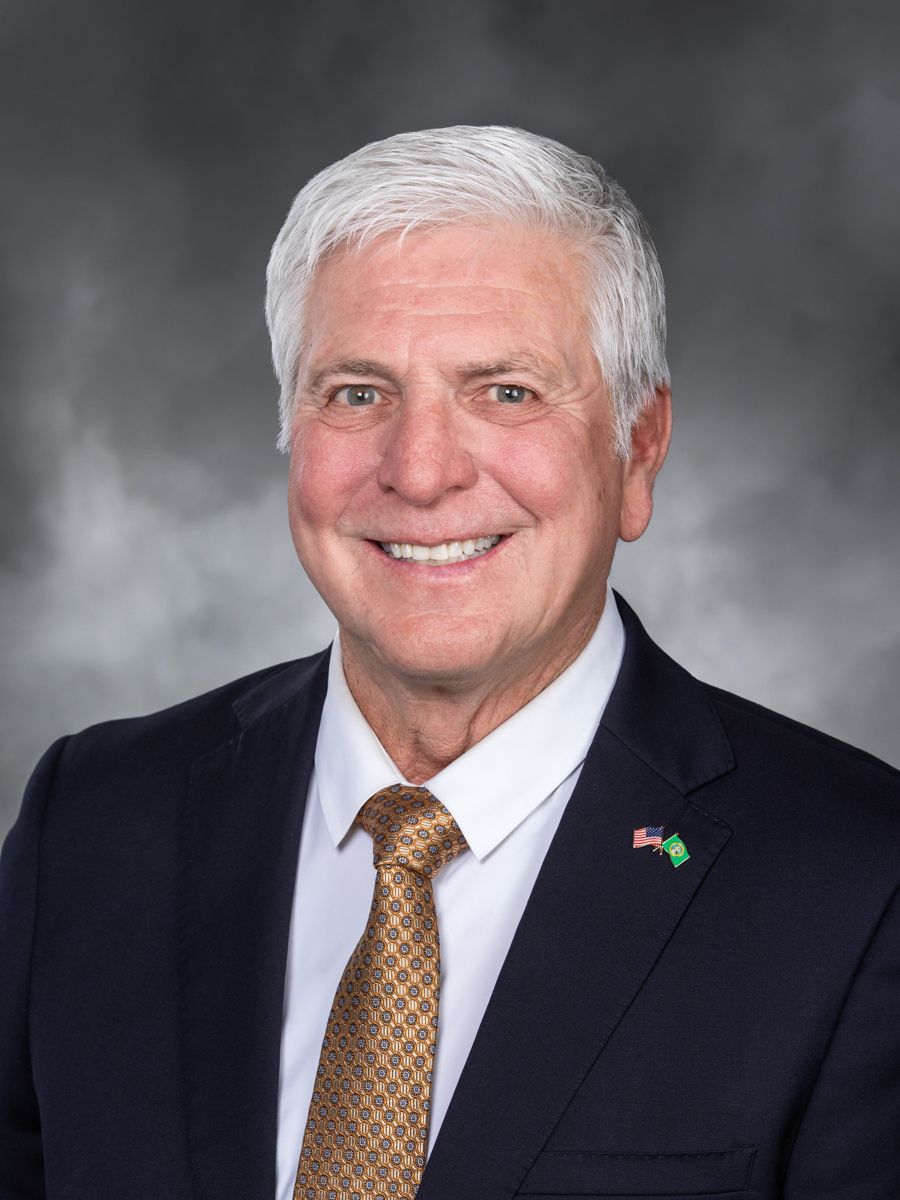
Jim McCune
16% support rate
Ranked legislators
10
5 support · 5 oppose
Key legislators

Who's moving criminal justice in Washington

Legislators moving criminal justice in Washington
Legislator Party Stance Support rate Decisive votes
Steve Tharinger
Steve Tharinger House · District 24
D
Strong +
91% 43
Tina Orwall
Tina Orwall Senate · District 33
D
Strong +
90% 58
Annette Cleveland
Annette Cleveland Senate · District 49
D
Strong +
88% 58
Derek Stanford
Derek Stanford Senate · District 1
D
Strong +
88% 58
Drew Hansen
Drew Hansen Senate · District 23
D
Strong +
88% 58
Jim McCune
Jim McCune Senate · District 2
R
Strong −
16% 58
Leonard Christian
Leonard Christian Senate · District 4
R
Strong −
17% 58
Matt Boehnke
Matt Boehnke Senate · District 8
R
Strong −
17% 58
Perry Dozier
Perry Dozier Senate · District 16
R
Strong −
17% 58
Jeff Wilson
Jeff Wilson Senate · District 19
R
Strong −
18% 57
Showing 131–140 of 294 bills

All criminal justice bills

in committee · Washington · House Jan 12, 2026

HB 1945: Establishing an office of the crime victims ombuds.

HB 1945 creates an independent office of the crime victims ombuds to advocate for individuals impacted by crime. The office will be operated by a private, nonprofit organization selected through a competitive bidding process by the Department of Commerce, not as a state agency. Key duties include referring victims to appropriate services, investigating complaints about justice system failures, protecting victim confidentiality, and monitoring service delivery procedures. The office expires July 1, 2027, and operates outside existing state government structures.
Sub-Topics Victims' Rights
passed · Washington · Senate Feb 26, 2026

SB 5758: Supporting social equity in the cannabis industry by establishing distance requirements for certain licensees.

Senate Bill 5758 (SB 5758) aims to support social equity within Washington's cannabis industry. It proposes to achieve this by establishing specific distance requirements for certain licensed cannabis businesses. The bill amends RCW 69.50.331, which broadly outlines the licensing process, including application evaluation, license suspension, and qualifications for producers, processors, and retailers. While the provided text details general licensing procedures, it does not specify the new distance requirements themselves.
Sub-Topics Drug Policy
in committee · Washington · House Jan 12, 2026

HB 1197: Making 2023-2025 fiscal biennium second supplemental operating appropriations.

HB 1197 is a supplemental appropriations bill funding state court operations and specific programs for the 2023-2025 fiscal biennium. It allocates funds primarily to state courts (e.g., $28.6 million for the Court of Appeals in FY 2025) and counties for juvenile justice services ($7 million annually for truancy and youth case management), court security in rural areas ($1 million), and an equity dashboard program ($1.35 million for data collection on justice disparities). The bill directs specific funding streams for court-appointed attorneys, lactation spaces in courthouses, and opioid settlement fund uses. These appropriations directly affect state courts, county juvenile programs, and local court facilities across Washington.
in committee · Washington · Senate Jan 12, 2026

SB 5005: Concerning transparency, public safety, and independent oversight of the city, county, and regional jail system in Washington state.

SB 5005 creates the Washington Jail Council within the governor’s office to improve transparency and safety in Washington state’s city, county, and regional jails. The council, composed of seven members including jail administrators, health providers, people with lived incarceration experience, and legal advocates, will monitor jail conditions, conduct annual surveys, and investigate systemic issues. It will collect data, handle public complaints, publish reports on jail operations, and recommend policy changes to promote humane conditions and reduce litigation risks. This bill directly affects all Washington jails, their staff, and incarcerated individuals by establishing a formal oversight body focused on evidence-based reforms.
Sub-Topics Corrections
signed · Washington · House May 17, 2025

HB 1440: Concerning seizure and forfeiture procedures and reporting.

HB 1440 establishes standardized procedures for civil asset forfeiture, directly affecting property owners whose assets are seized by law enforcement agencies. It requires seizing agencies to provide notice to property owners within 15 days of seizure, detailing their right to contest the forfeiture within specific deadlines (60 or 120 days depending on property type). The bill places the burden of proof on the seizing agency to demonstrate, by a preponderance of the evidence, that the property is subject to forfeiture. It also protects property interests of owners who were unaware of or did not consent to the violation, and ensures that individuals who substantially prevail in a forfeiture proceeding are entitled to reimbursement for reasonable attorneys' fees.
Sub-Topics Law Enforcement
in committee · Washington · House Jan 12, 2026

HB 1816: Concerning civilian-staffed crisis response teams.

HB 1816 allows cities and counties with over 200,000 residents to create civilian crisis response teams that handle specific 911 calls instead of police. These teams can serve as the primary response for calls involving mental health crises, safety checks, or resource requests (like shelter or food), but only when no active violence or weapons are reported. The bill requires teams to undergo training in de-escalation and scene safety, and mandates consultation with health authorities to set qualifications and operating protocols. It designates these teams as a "third 911 responder" alongside police and fire, operating outside traditional law enforcement and fire response systems.
Sub-Topics Law Enforcement Policing Mental Health Tags Public Safety
in committee · Washington · House Jan 12, 2026

HB 2002: Concerning criminal justice and the recovery of firearms used in the commission of a crime.

HB 2002 establishes a reward program to encourage the public to report information about firearms used in felony crimes. It provides up to $500 for locating such firearms, or up to $5,000 if the report leads to a conviction, excluding law enforcement officers, individuals with warrants, or government employees acting in their official capacity. The cash rewards will be funded from existing county and municipal criminal justice assistance accounts, which distribute funds based on population, crime rates, and court case volumes. The bill directly affects law enforcement agencies (who receive the information) and the public (who may submit tips for rewards), while amending funding mechanisms for local criminal justice programs.
in committee · Washington · Senate Jan 12, 2026

SB 5276: Modifying the reimbursement rates for services related to institutions.

SB 5276 modifies how Washington counties are reimbursed for criminal justice costs linked to crimes committed by people in state-run institutions. It creates an "institutional impact account" to fund reimbursements for law enforcement, prosecutorial, judicial, and jail costs directly tied to offenders in facilities managed by the Secretary of Children, Youth, and Families or Secretary of Corrections. Reimbursement rates are set using each county's average hourly costs (for law enforcement/prosecution/judicial) or daily bed rates (for jail) from the previous fiscal year. The bill requires both agencies to update their rules to implement these new rate calculations and reimbursement procedures.
in committee · Washington · House Jan 12, 2026

HB 1196: Revoking a person's voting rights only when convicted of a state crime punishable by death.

HB 1196 limits the revocation of voting rights to individuals convicted in Washington state courts of a crime punishable by death (an "infamous crime" under the bill). It automatically restores voting rights when such individuals are no longer incarcerated under the Department of Corrections, without requiring separate action. The bill amends voter registration forms, challenge procedures, and automatic restoration rules to align with this narrower standard, removing revocation for other felonies. This directly affects Washington residents convicted of specific death-penalty crimes who were previously barred from voting during incarceration. The bill does not change voting rights for non-death-penalty convictions or out-of-state/federal offenses.
in committee · Washington · House Jan 12, 2026

HB 1892: Concerning the establishment of liability standards for state legislators.

HB 1892 allows individuals injured by someone released before trial (due to a law making pretrial release easier for violent offenders) to sue state legislators who voted for that law. It requires legislators to conduct a written risk assessment analyzing public safety risks, victim rights, and alternatives to pretrial detention before voting. If a court finds a legislator "intentionally, knowingly, or recklessly disregarded" public harm risks when voting, they face personal liability for legal costs and damages - overriding typical legislative immunity. The bill applies only to injuries occurring after its effective date and does not affect existing legal defenses for legislators.
Sub-Topics Courts Victims' Rights
Showing 131 to 140 of 294 bills
Previous 1 13 14 15 30 Next