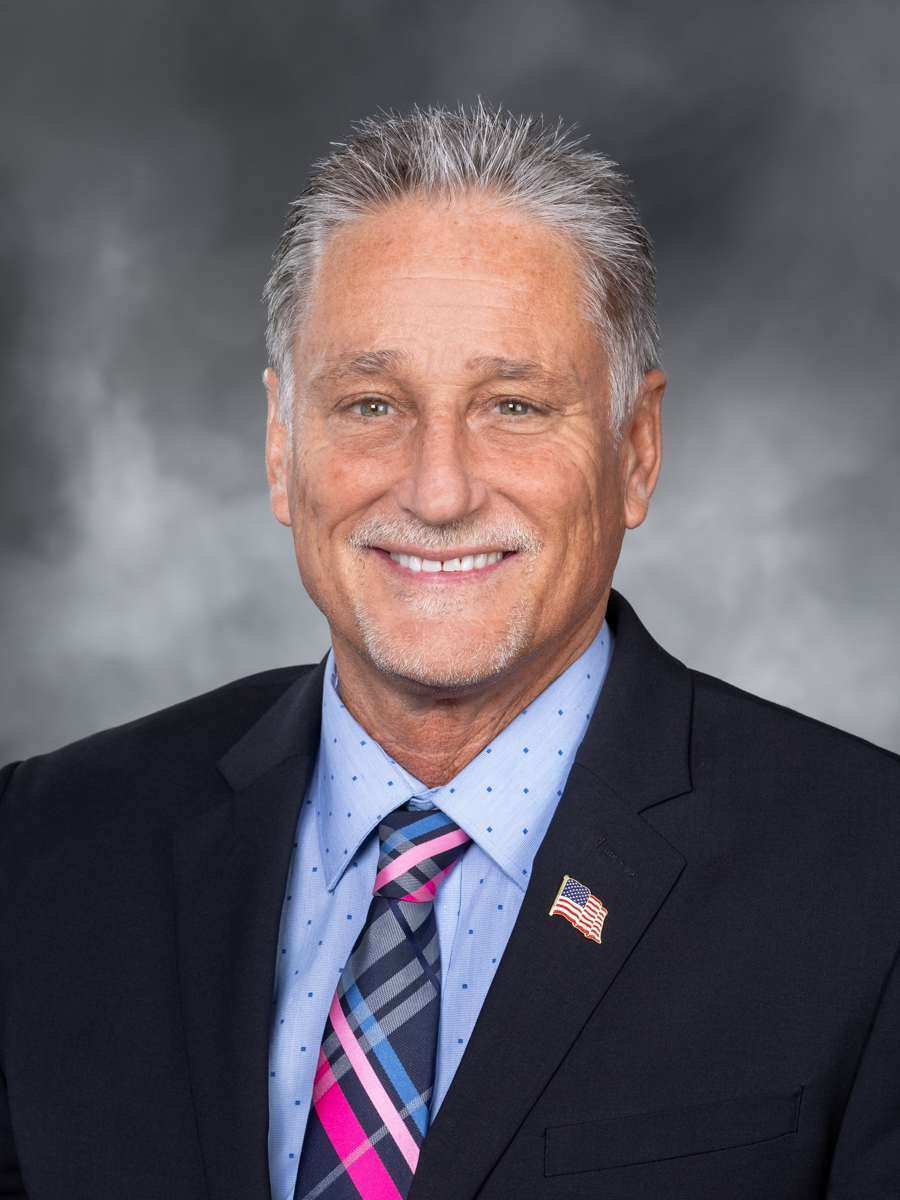
Key legislators
Who's moving criminal justice in Washington
Showing 31–34 of 34
bills
All criminal justice bills
House Bill 1174 updates Washington state law regarding court interpreters, aiming to secure the rights of persons with limited English proficiency in legal proceedings. It redefines key terms, including replacing "non-English-speaking person" with "person with limited English proficiency" and emphasizing "credentialed interpreters." The bill mandates the appointment of credentialed interpreters for these individuals, but allows for non-credentialed interpreters if "good cause" is found, such as their unavailability. In such cases, the judicial officer must determine the interpreter's ability to interpret accurately and ensure they will abide by the code of professional responsibility. The legislation also expands the scope of "legal proceeding" to cover a broader range of court and administrative hearings.
This bill modifies the process for identifying and evaluating individuals who may be classified as sexually violent predators for potential civil commitment. It affects individuals nearing release from confinement for sexually violent offenses and the various state agencies involved in their assessment. The bill updates the requirements for agencies, such as the Department of Corrections, to refer these individuals to prosecuting attorneys and to provide comprehensive records for review. Crucially, it grants prosecuting agencies new authority to issue "civil investigative demands" to any public agency to obtain documents and information relevant to determining if civil commitment is warranted.
HB 1457 requires courts to impose electronic monitoring with real-time tracking, exclusion zones, and tamper alerts for sexually violent predators granted conditional release to a less restrictive setting. It mandates a 500-foot buffer zone between the person’s residence and schools/kindergarten facilities, along with individualized conditions like treatment participation, contact restrictions, and GPS supervision. The bill directs courts to collaborate with providers to tailor conditions ensuring community safety while requiring the Department of Corrections to investigate and recommend placement. It also includes fair share principles to prevent disproportionate grouping of such individuals in specific counties.
HB 1094 creates a property tax exemption for nonprofit organizations that loan, lease, or rent property to government entities (like cities, counties, or state agencies) for character-building, benevolent, protective, or rehabilitative social services - such as youth programs, homeless shelters, or community health initiatives. It directly affects qualifying nonprofits that provide these services and government agencies using their facilities. The key provision expands existing tax exemptions by allowing property used by government for these purposes to be exempt, even if owned by a nonprofit. This policy change aims to reduce costs for nonprofits and governments delivering essential community services, effective July 2025.