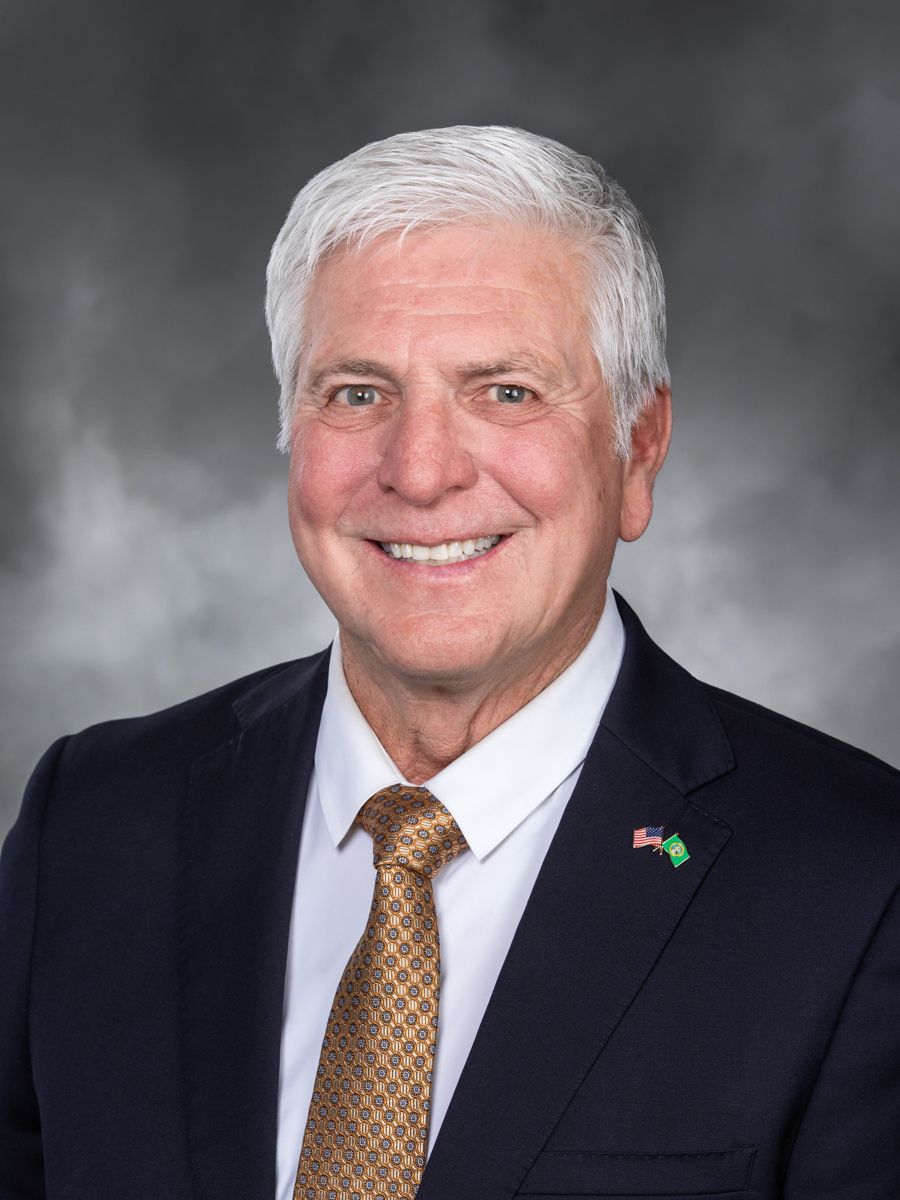
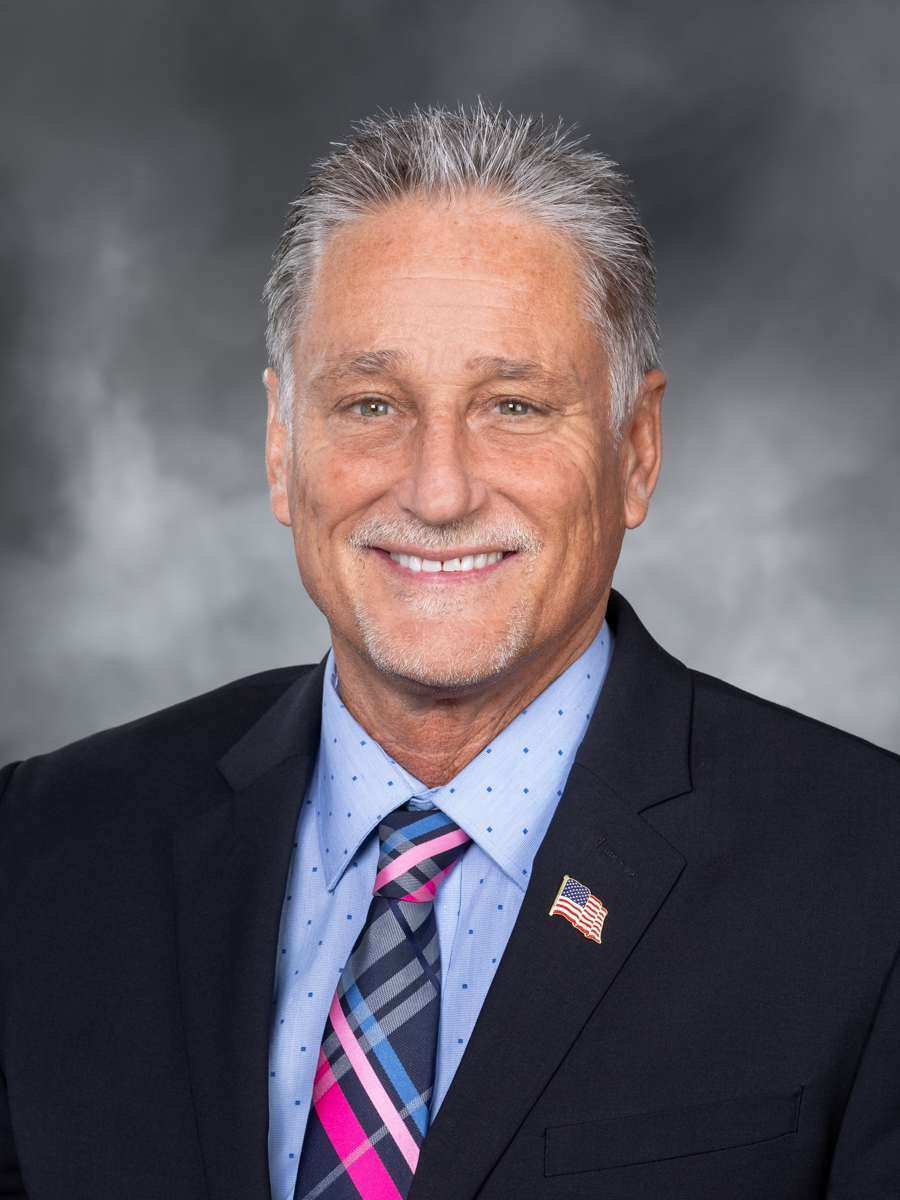
SB 5880 requires that toxicology testing for alcohol or drugs in DUI cases must be conducted by laboratories certified under international ISO/IEC 17025 standards for forensic testing, directly affecting drivers facing DUI charges and law enforcement. It specifies strict protocols for admissibility in court, including detailed requirements for breath test equipment calibration, sample collection procedures, and blood draw qualifications (limited to specific licensed medical professionals). The bill also mandates that any additional tests requested by the accused must use generally accepted methods, while maintaining that basic proof of proper testing procedures must be shown for results to be admitted. The law includes an expiration date and applies to both blood and breath testing under Washington’s DUI statutes.
HB 2464 requires private detention facilities operating under government contracts to meet specific standards for food services, staff training, and infection control, while mandating timely reporting of serious incidents like abuse, death, or injuries to health and law enforcement. Facilities must provide balanced meals with dietary oversight, maintain safety protocols, and post clear policies on detained persons' rights. Starting November 2026, law enforcement agencies must annually report to the health department on how they responded to facility incidents, including whether victims received police reports or prosecutions occurred. The bill directly affects private detention facilities with government contracts, aiming to improve oversight and accountability in their operations.
HB 2510 requires Washington's Department of Corrections to supervise specific individuals placed on community custody, directly affecting people convicted of certain sex offenses, repeat domestic violence offenses, or high-risk violent crimes. The bill mandates supervision for those convicted of sexual misconduct with minors, communication with minors for immoral purposes, domestic violence felonies with prior offenses, and individuals classified as high-risk to reoffend. It also specifies that supervision applies regardless of risk level for certain cases, such as failure-to-register violations, vehicular homicide, or stalking convictions. The supervision period cannot exceed the legally defined community custody term, with possible reductions for compliance. This bill updates existing statutes to clarify who must be supervised under community custody.
HB 2333 protects elected officials, candidates, election officials, and criminal justice staff (like police, prosecutors, and court personnel) from threats by expanding access to address confidentiality and increasing penalties for harassment targeting them in their official roles. The bill amends Washington’s harassment law to make threats against these groups a class C felony if the threat relates to their duties, and updates the address confidentiality program to include them. This allows eligible individuals to keep their home addresses private (using a state-designated address for official mail) and qualifies them for enhanced security measures. The law directly affects public servants who face threats due to their work, not general public safety. It focuses on concrete policy changes: stronger legal penalties for threatening officials and simplified access to address protection.
HB 2417 updates Washington's military justice code to extend specific victim protections to members of the state National Guard (organized militia) who experience crimes while serving in their state capacity. It directly affects National Guard members who are victims of offenses under the state military code. The bill establishes concrete rights including protection from the accused, timely notice of court proceedings, the right to be heard at key hearings, privacy safeguards, and access to restitution. These provisions align state military justice standards with federal protections to ensure consistent victim treatment during both federal and state service.
HB 1604 requires Washington state local jails to create policies for searching transgender and intersex individuals confined there, ensuring compliance with federal law. It prohibits searches solely to determine genital status, mandates staff training for respectful searches, and gives individuals options for who conducts searches (e.g., a medical professional, staff of their preferred gender, or staff matching their gender identity). Jails must implement these policies by September 1, 2025, and cross-gender searches are only allowed in true emergencies threatening facility security. The bill directly affects transgender and intersex people in local jails and modifies existing search procedures under state law.
House Bill 1233, known as the "ending forced labor act," aims to reform work programs for incarcerated persons within Washington State's correctional facilities. The bill updates legal terminology, replacing terms like "inmate" and "offender" with "incarcerated person." While the specific changes to work programs are not detailed in the provided text, the bill's title indicates a focus on ensuring these programs do not constitute forced labor. It also distinguishes between "privileges" earned through good conduct and performance, and services the department is legally required to provide.
HB 2044 revises how unexcused student absences are addressed by school districts, affecting students and their parents. The bill eliminates the requirement for school districts to file truancy petitions before a child's fifth unexcused absence. Instead, after a fifth unexcused absence, districts are directed to enter into an attendance agreement with the parent or child (if age eight or above), either directly or through a community engagement board. Truancy petitions to juvenile court are now generally required only if an attendance agreement is not reached or not complied with, and typically not before the child's 15th unexcused absence in a school year.
Senate Bill 5093 aims to ensure dignity for individuals experiencing pregnancy loss in Washington state. It amends existing law to remove specific mentions of abortion, premature birth, and stillbirth from the circumstances that automatically trigger a coroner's investigation, thereby reducing the potential for criminalization of pregnancy outcomes. The bill also repeals the "Concealing birth" statute. Additionally, it establishes a new requirement for correctional institutions and private detention facilities to annually report the aggregate number of people experiencing miscarriage, stillbirth, or perinatal loss while confined, with the Department of Health compiling a statewide report for the legislature.
Senate Bill 5388 revises how behavioral health services, including substance use disorder treatment, are regulated for individuals in Washington state correctional facilities. Rather than requiring these services to be licensed by the Department of Health (DOH), the bill shifts to a monitoring process. The Department of Corrections (DOC) and DOH will jointly establish standards for these services, which the DOH will then monitor through annual inspections for compliance. The DOC must implement these standards by July 1, 2027, with DOH beginning annual inspections and providing technical assistance from that date forward.